

Iguazu
Situated in the Parque Nacional Iguazú near Puerto Iguazú, these spectacular falls lie just east of the confluence of the Iguazu and Paraná rivers. At least 5000 cubic m of water per second plunge the 70m into the abyss below.
Bandarban
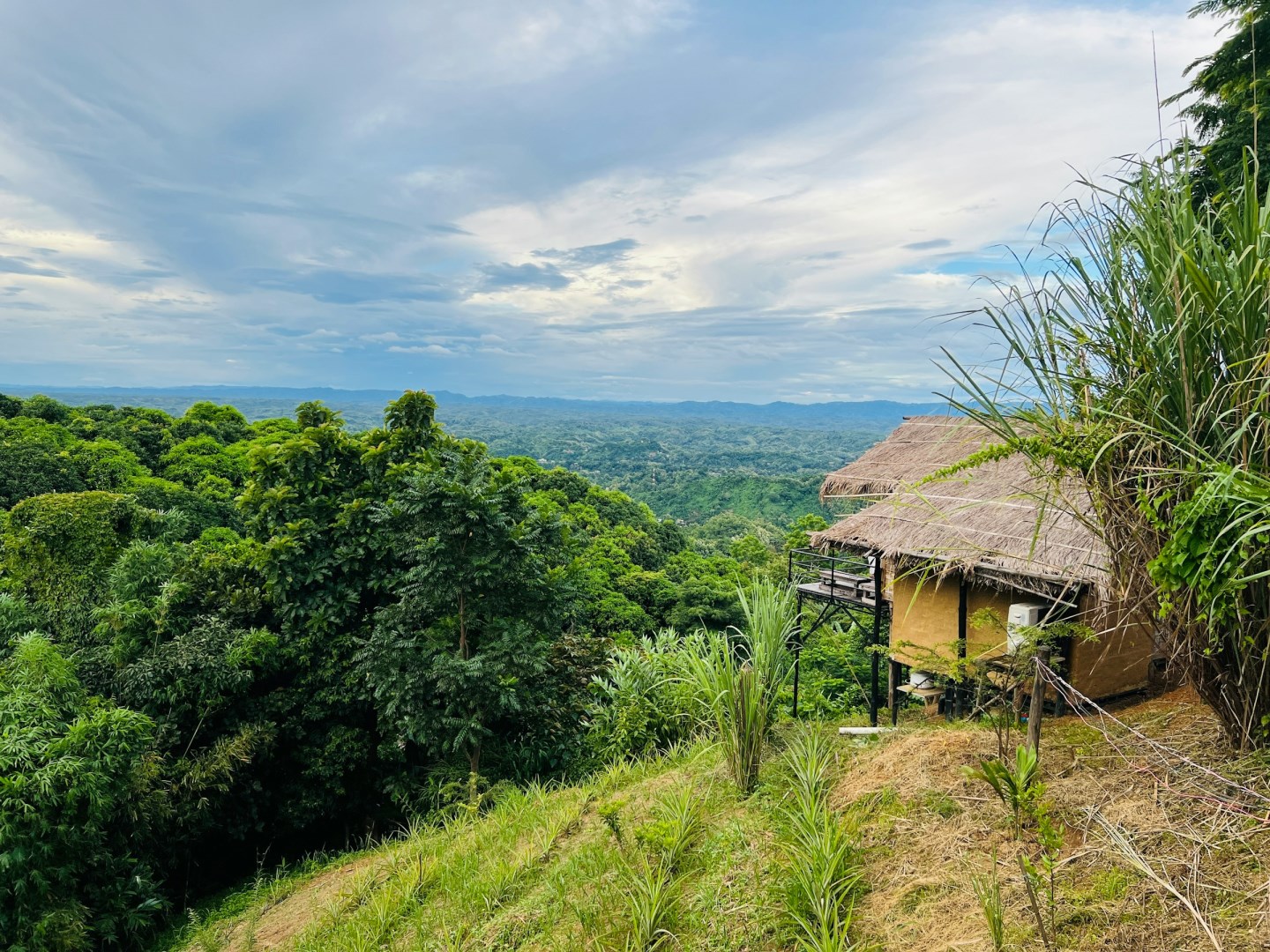
Bandarban is a hill district in southeastern Bangladesh, part of the Chittagong Hill Tracts and known for its forested mountains, winding rivers, and scattered Indigenous communities. Unlike the broad plains that cover much of Bangladesh, the area is dominated by steep hills and narrow valleys, creating a distinct landscape and way of life. Bandarban town sits along the Sangu River and serves as a base for exploring the surrounding hills. The region is particularly associated with trekking, view
Cederberg
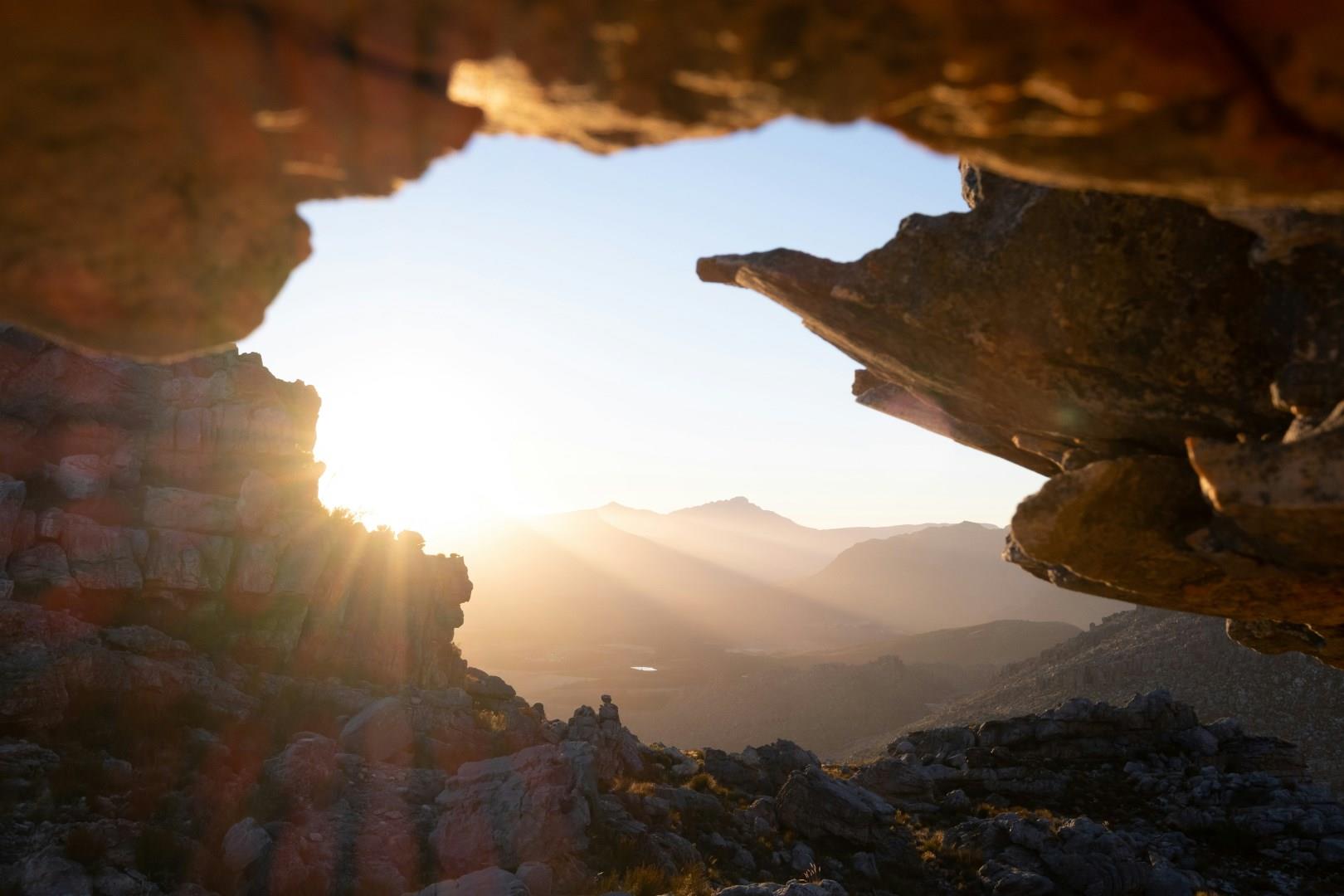
The Cederberg region in the Western Cape of South Africa is a striking land of rocky ridges, wide skies, and quiet valleys. Less than three hours’ drive from Cape Town, the jagged sandstone mountains rise in shapes that seem carved by giants, and shady kloofs hide wonders like ancient rock art that tell stories from thousands of years ago. Hikes to natural landmarks like Wolfberg Arch and the Maltese Cross take visitors deep into terrain shaped by time.
Uzbekistan
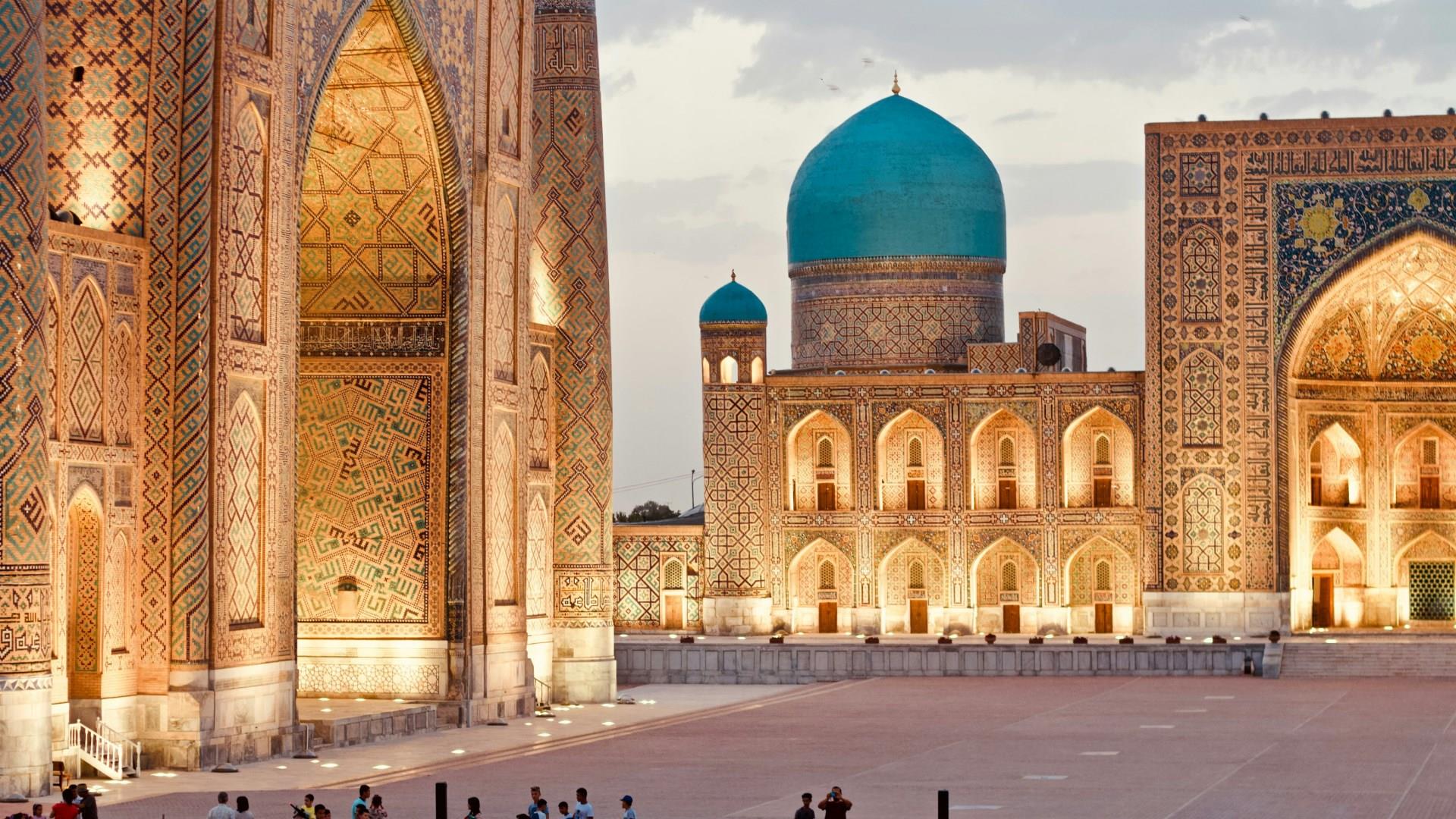
Uzbekistan lies at the heart of Central Asia and is renowned for its pivotal role along the ancient Silk Road. The country is home to some of the world’s most storied cities, where intricate Islamic architecture and centuries of trade have left a rich cultural legacy.
Gotland
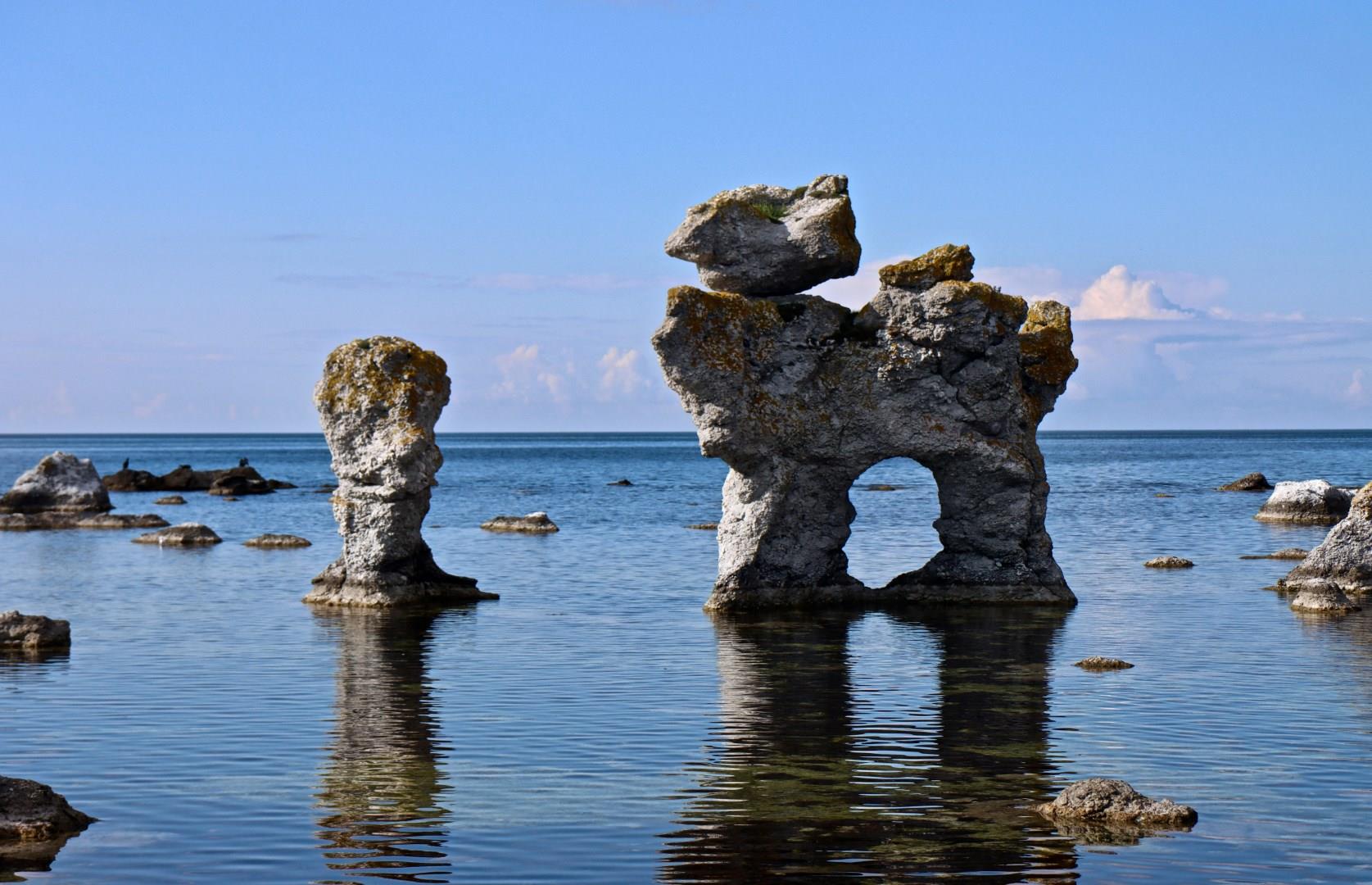
Gotland, Sweden’s largest island, sits in the Baltic Sea and feels like a world of its own. Its main town, Visby, is a UNESCO World Heritage site and one of the best-preserved medieval towns in Northern Europe. Surrounded by a 3.5-kilometer stone wall with original towers still intact, Visby once served as a key Hanseatic trading hub. Visitors can walk along cobbled streets lined with rose-covered cottages, explore Gothic church ruins, and climb up the city wall for views over the harbor.
