
Colca Canyon
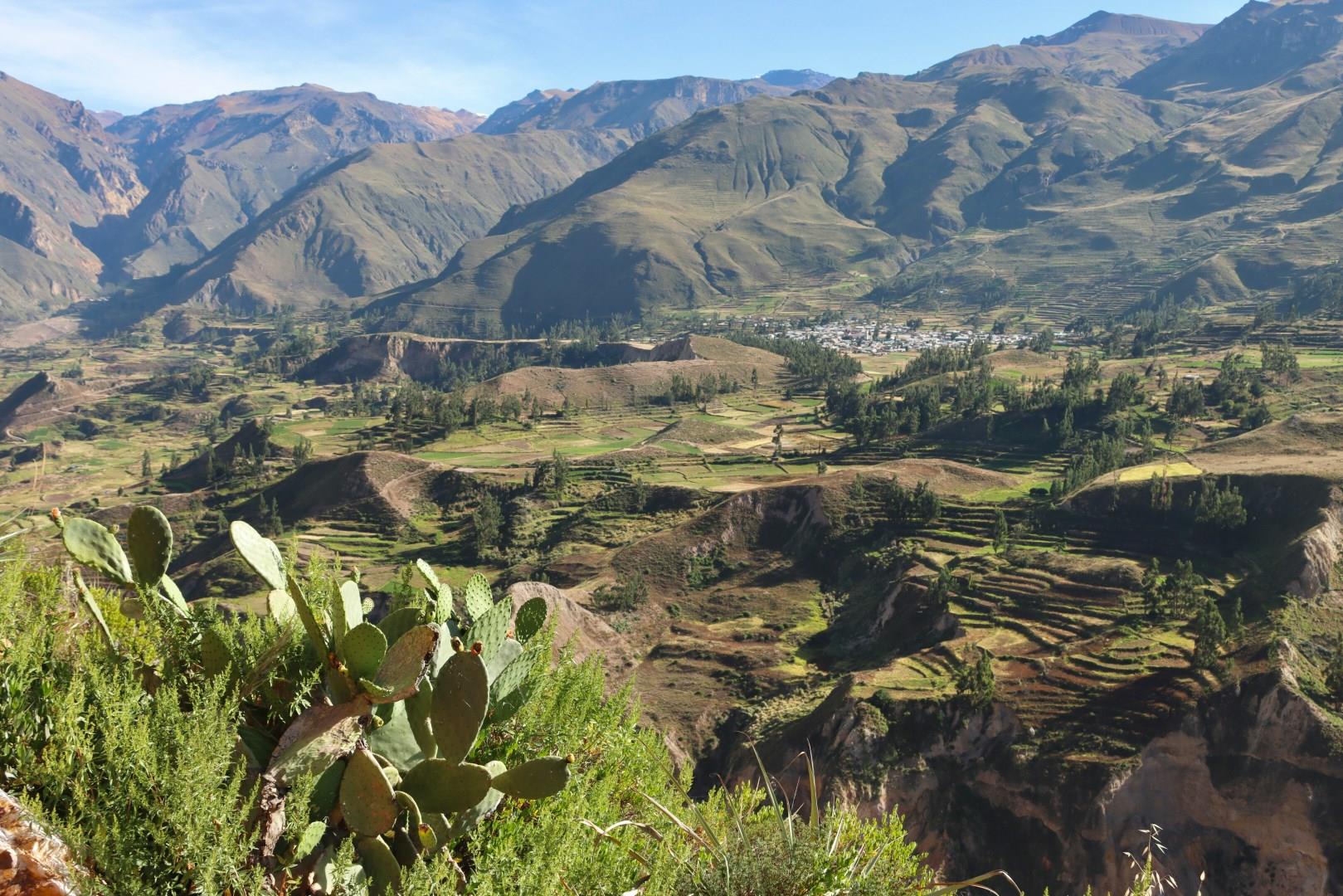
Colca Canyon, located in southern Peru’s Arequipa region, is one of the deepest canyons in the world, twice as deep as the Grand Canyon in some areas. What makes it stand out even more is how human settlements have coexisted with the landscape for centuries. Along its walls, pre-Inca agricultural terraces still hold crops like corn and quinoa. One of the main draws of the canyon is the opportunity to see Andean condors in flight.

Cobh
Cobh, a colorful harbor town in County Cork, holds a unique place in Irish history and maritime heritage. Once known as Queenstown, it was the final port of call for the Titanic in 1912. Today, the Titanic Experience Cobh offers visitors a chance to step into the footsteps of the 123 passengers who boarded that day. Located in the original White Star Line ticket office, the museum tells personal stories of those who left from this very spot, blending interactive exhibits with original artifacts.
Tofo Beach
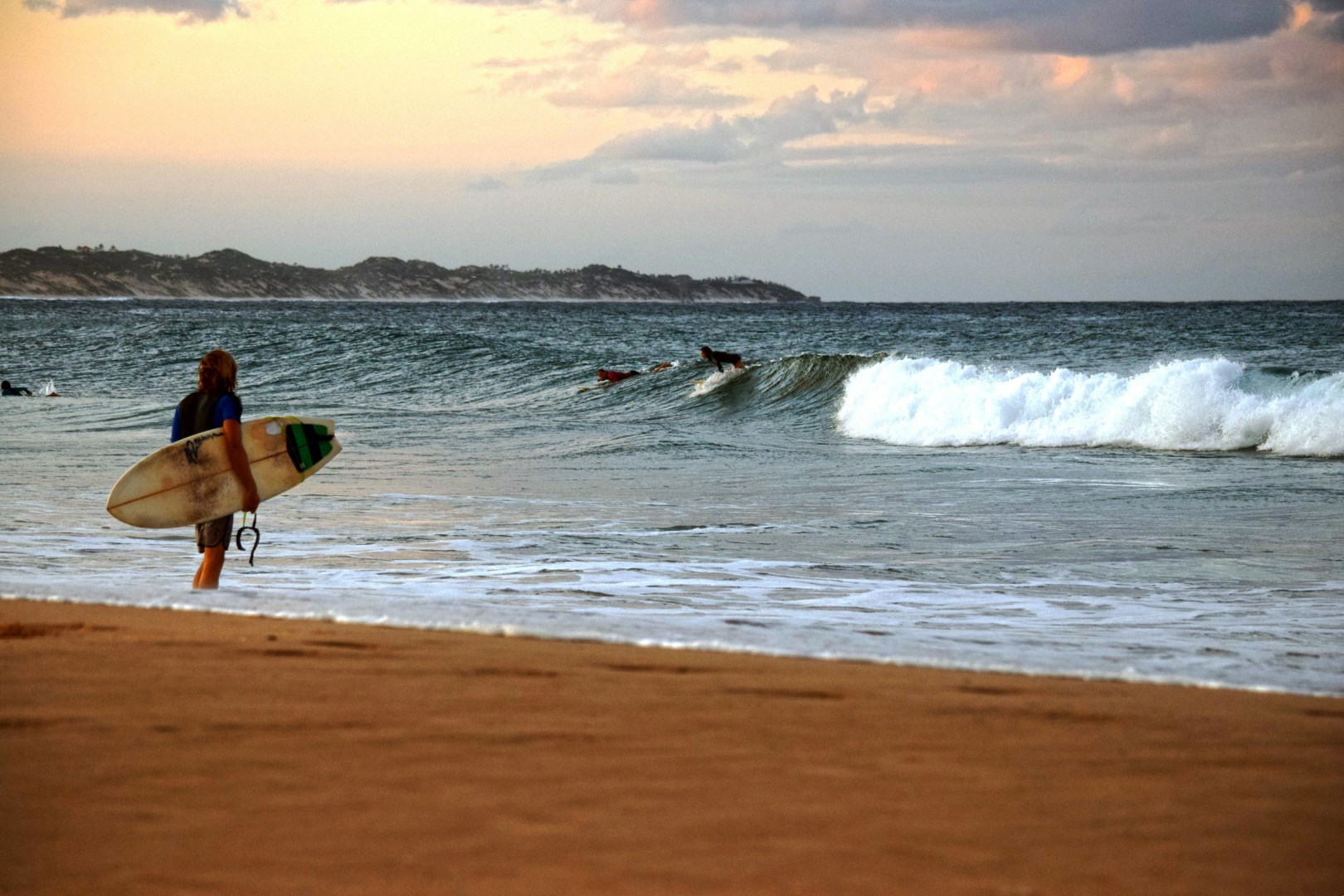
Tofo Beach is a coastal village and beach destination in Inhambane Province, southern Mozambique, overlooking the Indian Ocean. The settlement is known for its broad sandy beach, warm water, coastal dunes, and strong connection to marine activities. Tofo has a relaxed village setting with restaurants, guesthouses, small shops, and local markets close to the shore. Its location near Inhambane city makes it one of the province’s best-known coastal destinations.

Savannah
Savannah, Georgia, is a city that moves at its own pace, shaded by moss-draped oaks and shaped by centuries of stories. Founded in 1733, it was Georgia’s first city and still wears its history proudly. Visitors walking through the Historic District will find cobblestone streets, hidden gardens, and 22 public squares, each with its own character.
Genovesa Island
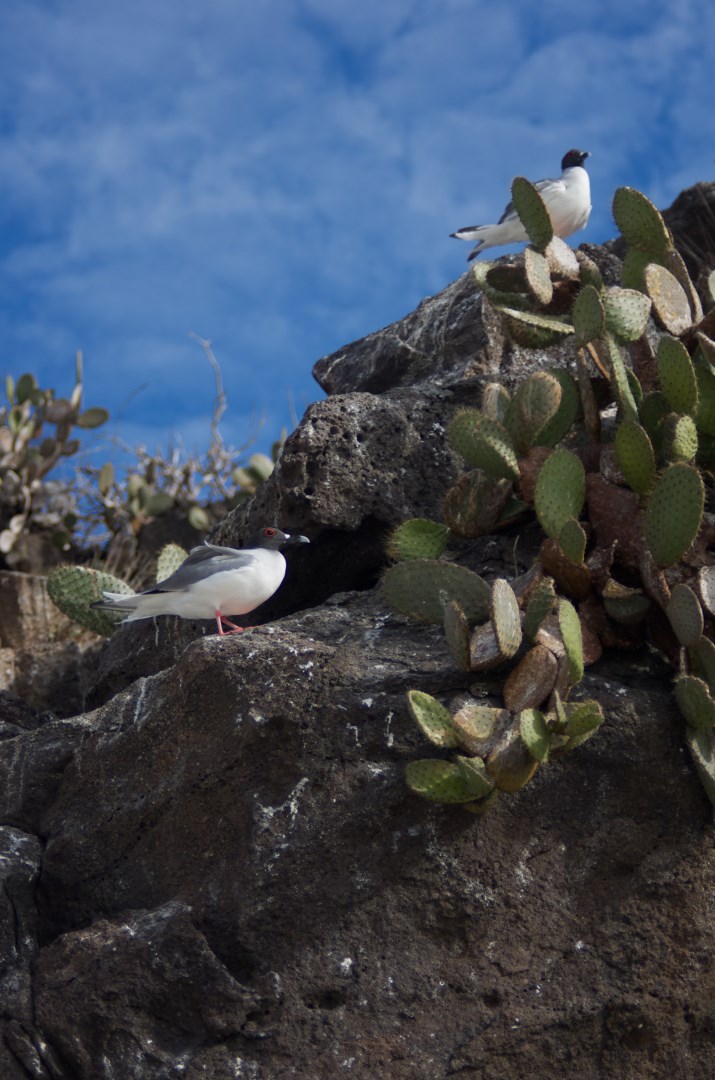
Named after the Italian city of Genoa, Genovesa Island is a dormant volcano in the Galápagos Islands. Its nickname, Bird Island, stems from the large and diverse bird population including storm petrels, red-footed boobies, swallow-tailed gulls and more.
