
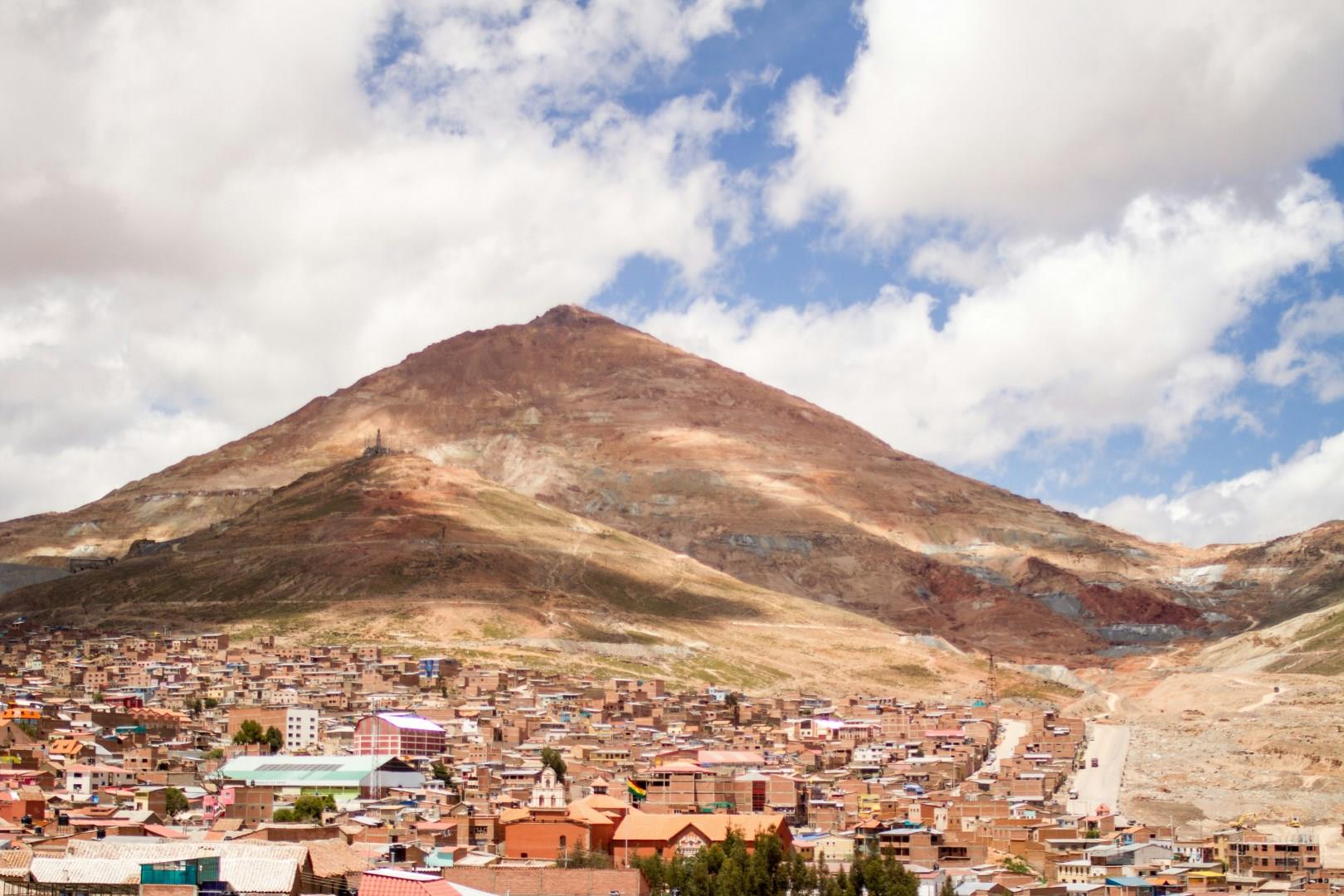
Potosi
Potosí rises on the Altiplano of southern Bolivia and for centuries it was one of the richest cities in the world because of what lies just beyond its streets. At the foot of Cerro Rico (“Rich Mountain”), silver was discovered in the mid-1500s, and within a few decades the city became a center of mining and wealth that shaped global trade and economies.
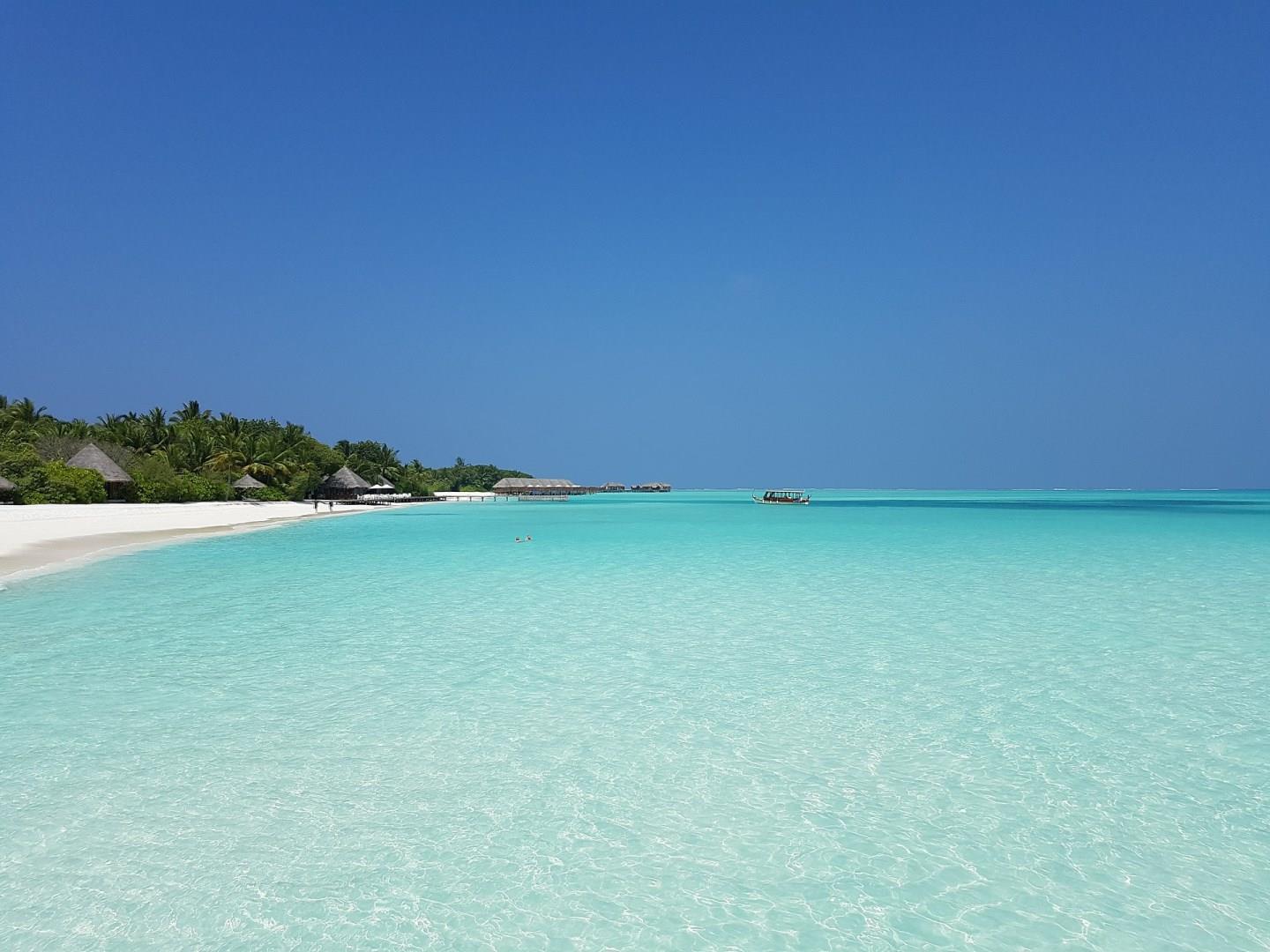
Maldives
The Maldives, a nation of islands scattered across the Indian Ocean, is known for its dazzling turquoise waters, white-sand beaches, and vibrant coral reefs. Stretching across 26 atolls, this tropical paradise is often described as one of the most beautiful places on Earth.

St. Ives
St. Ives, a picturesque seaside town on the north coast of Cornwall, England, is a charming blend of stunning natural beauty and rich cultural heritage. With its golden sandy beaches, crystal-clear waters, and quaint cobbled streets, St. Ives has long been a haven for artists, surfers, and sun-seekers alike. The town's vibrant atmosphere is palpable in its bustling harbor, where fishing boats sway with the tide and seaside cafés offer fresh, locally caught seafood.

Canberra
Canberra, the capital city of Australia, is a hidden gem that often surprises travelers with its rich blend of culture, history, and natural beauty. Designed by American architects Walter Burley Griffin and Marion Mahony Griffin, Canberra is a city thoughtfully crafted around Lake Burley Griffin, which offers picturesque views and serene walks. Unlike many cities, it is home to a vast population of kangaroos, which are often spotted hopping around suburban areas and parklands.

Normandy
Normandy is a province along the Northwestern coast of France. It was the site of the important World War II landings and battle and one of the most fascinating regions of France. This land is rich in legend and scenic splendor. Visit coastal villages, museums, fortresses and fragrant gardens.
