
Divundu
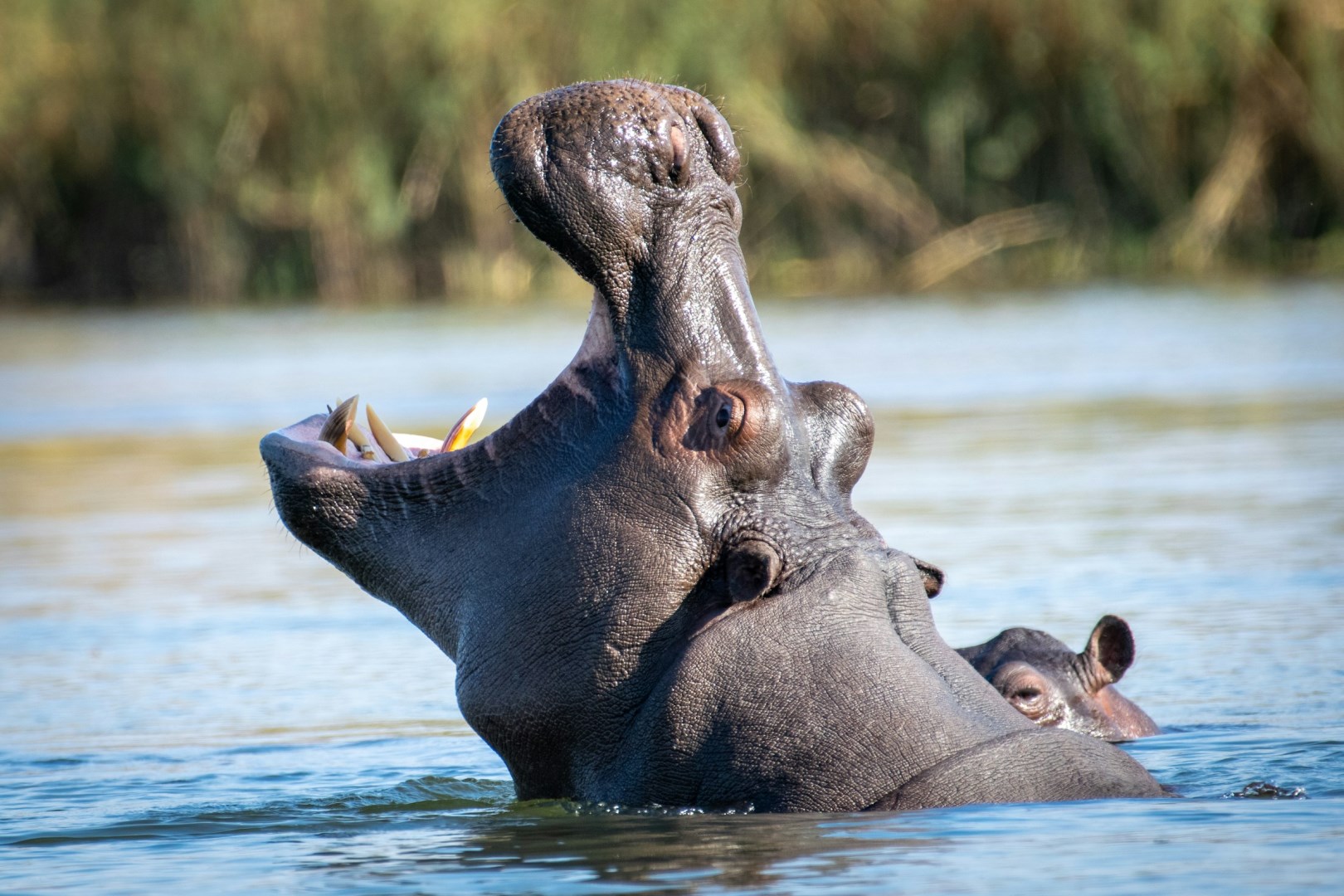
Divundu is a small settlement in northeastern Namibia, situated along the Kavango River near the western entrance to the Bwabwata National Park. The river creates a green corridor through a region otherwise dominated by dry woodland and sandy plains. Divundu is an important stopping point between Rundu and Katima Mulilo and serves as a gateway to several wildlife and cultural sites in the Kavango and Zambezi regions.
Evora
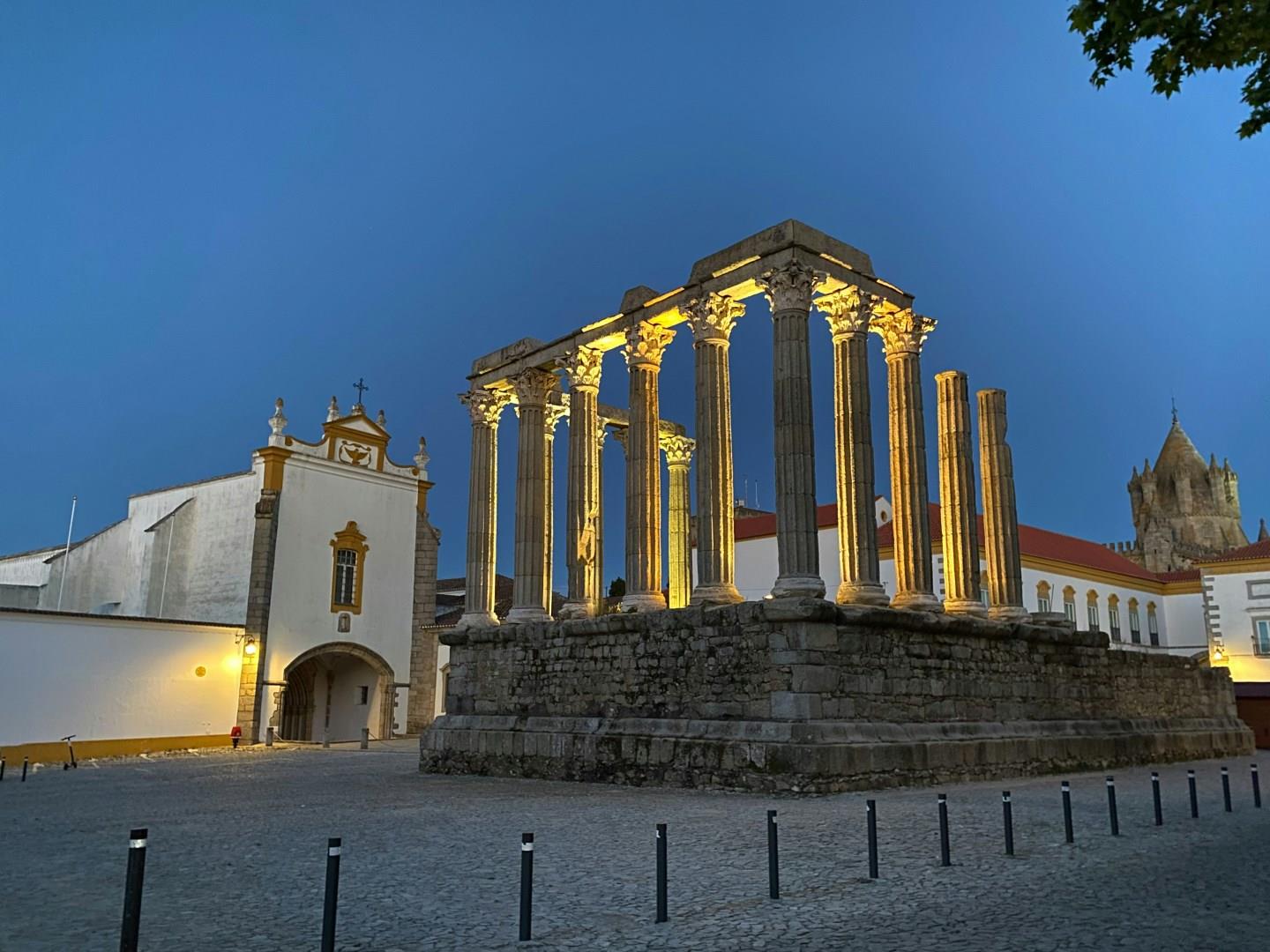
Évora, in Portugal’s Alentejo region, feels like stepping into a story that spans more than two thousand years. Its Historic Centre was named a UNESCO World Heritage Site for good reason with its ancient walls, homes with wrought-iron balconies, and narrow streets quietly preserve traces of Roman, Moorish, and medieval life. Beyond architecture and monuments, Évora reveals lesser-known treasures that reward exploration.
Chaguaramas
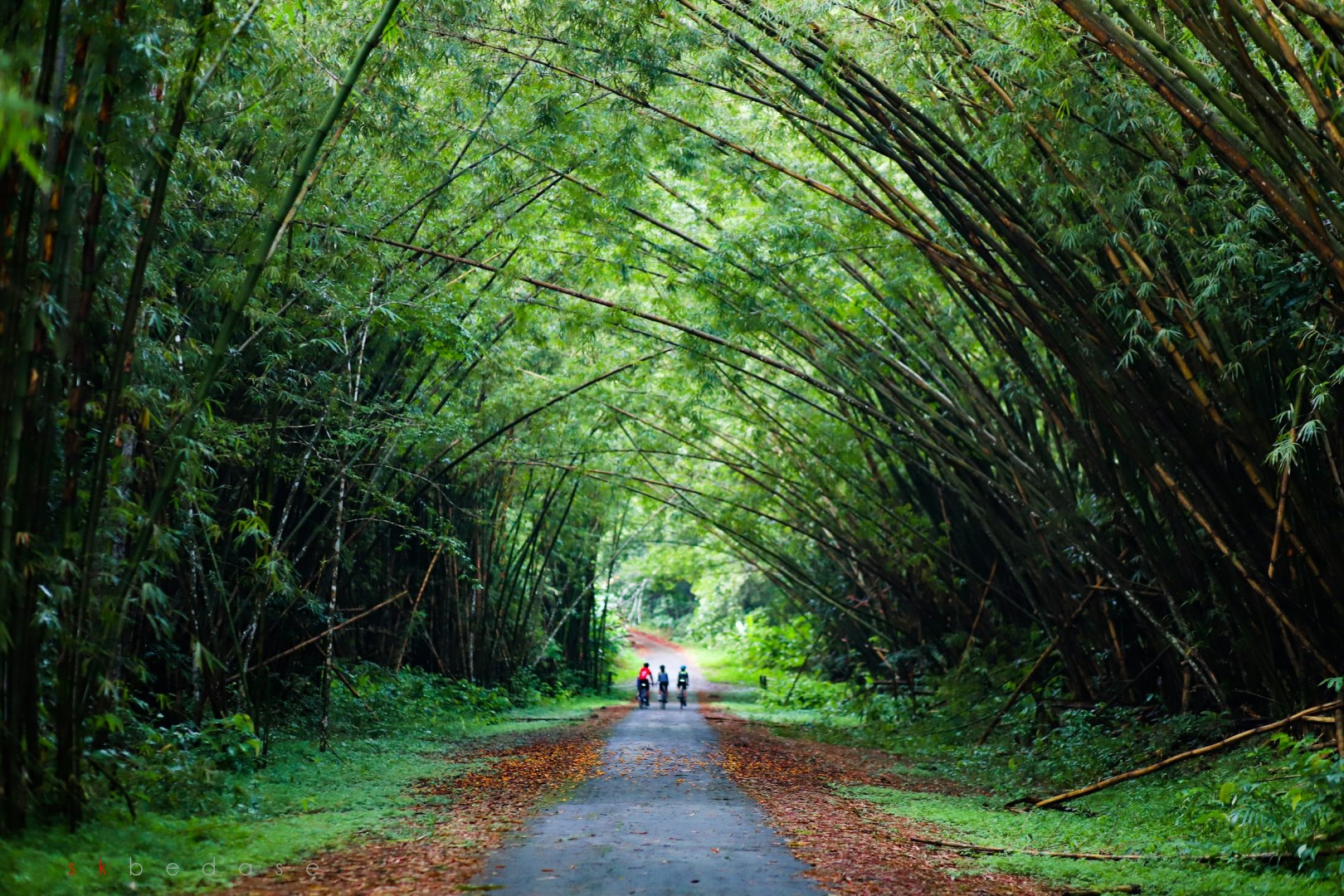
Chaguaramas is a coastal area on the northwestern peninsula of Trinidad, extending along the Gulf of Paria toward the Bocas del Dragon. The peninsula combines forested hills, sheltered bays, marinas, beaches, and offshore islands, creating a landscape that differs from the more urban areas around Port of Spain.
Baracoa
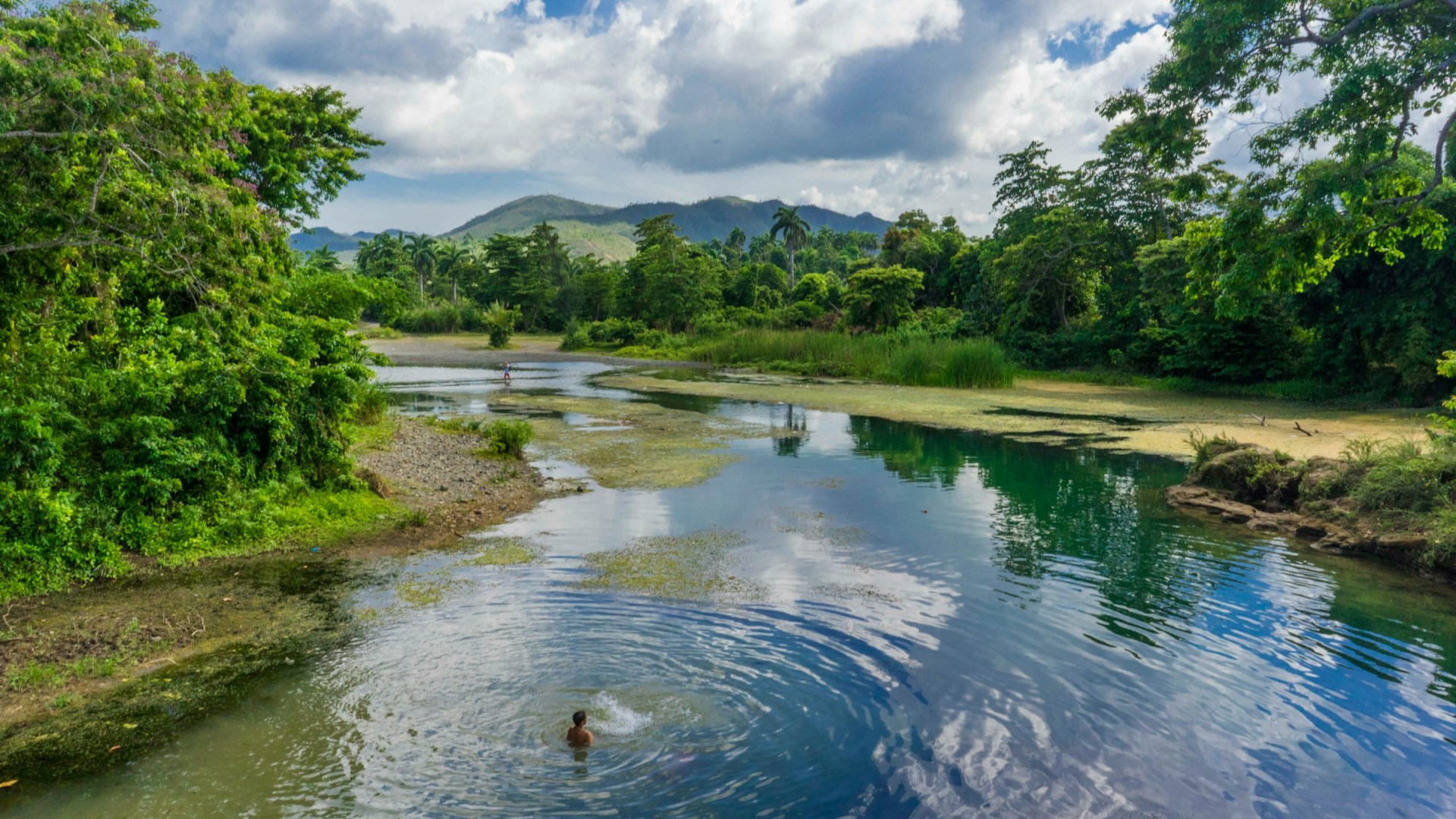
Baracoa is a historic coastal city in eastern Cuba, set between the Caribbean Sea and the forested mountains of the Cuchillas del Toa region. Often described as Cuba’s first Spanish-founded villa, it occupies a sheltered bay beneath the distinctive flat-topped El Yunque mountain, which has become a symbol of the city.
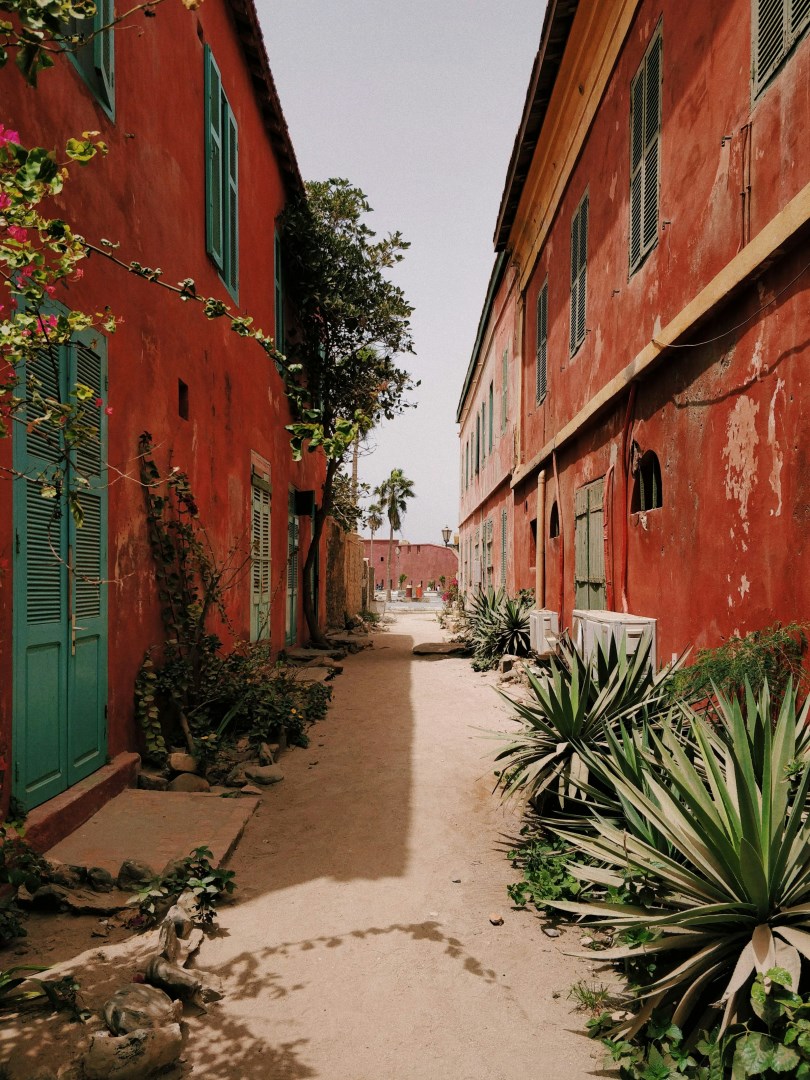
Gorée
Gorée is a small island off the coast of Dakar, known for its preserved architecture and its central place in Senegal’s history of the Atlantic slave trade. Its narrow streets, pastel-colored buildings, courtyards, and waterfront create a compact historic landscape that contrasts with the modern capital across the water. The island is part of a UNESCO World Heritage Site and is regarded as an important place of memory for the African diaspora.
