
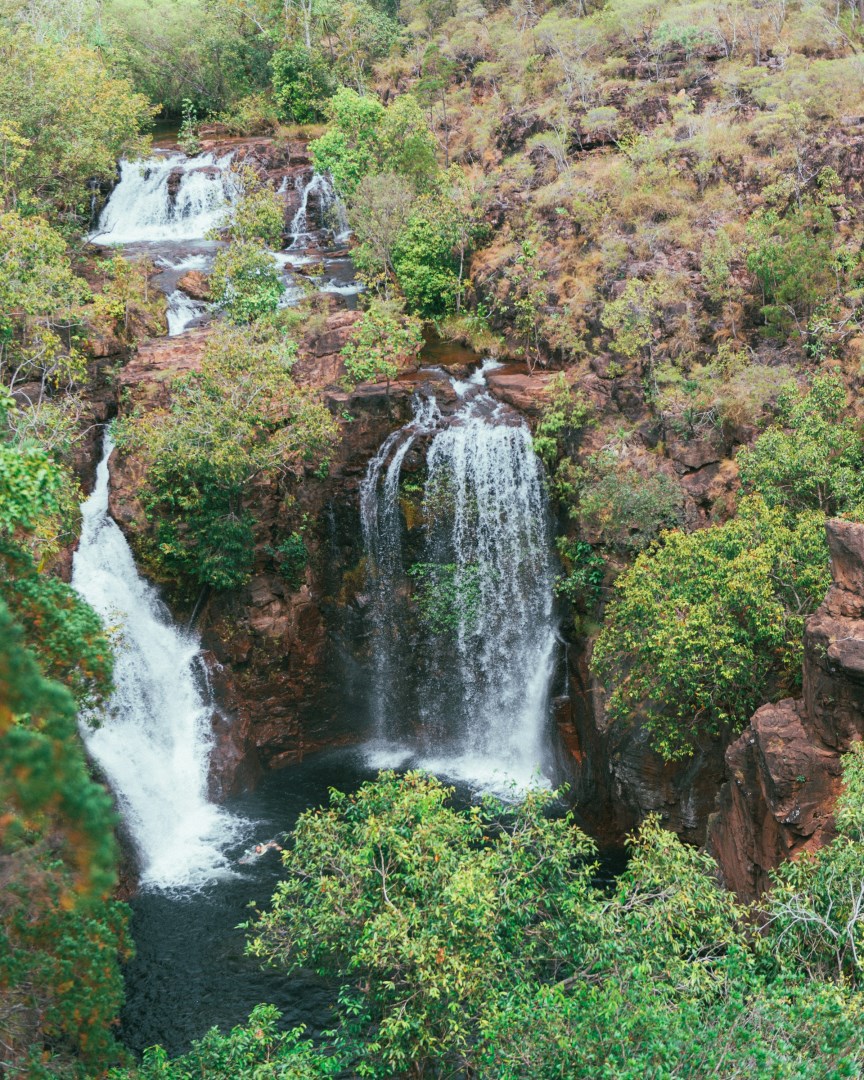
Karijini National Park
Wander through red gorges, swim in clear rock pools, and stand beneath spectacular waterfalls. It is an awe-inspiring journey into the rugged heart of the outback.
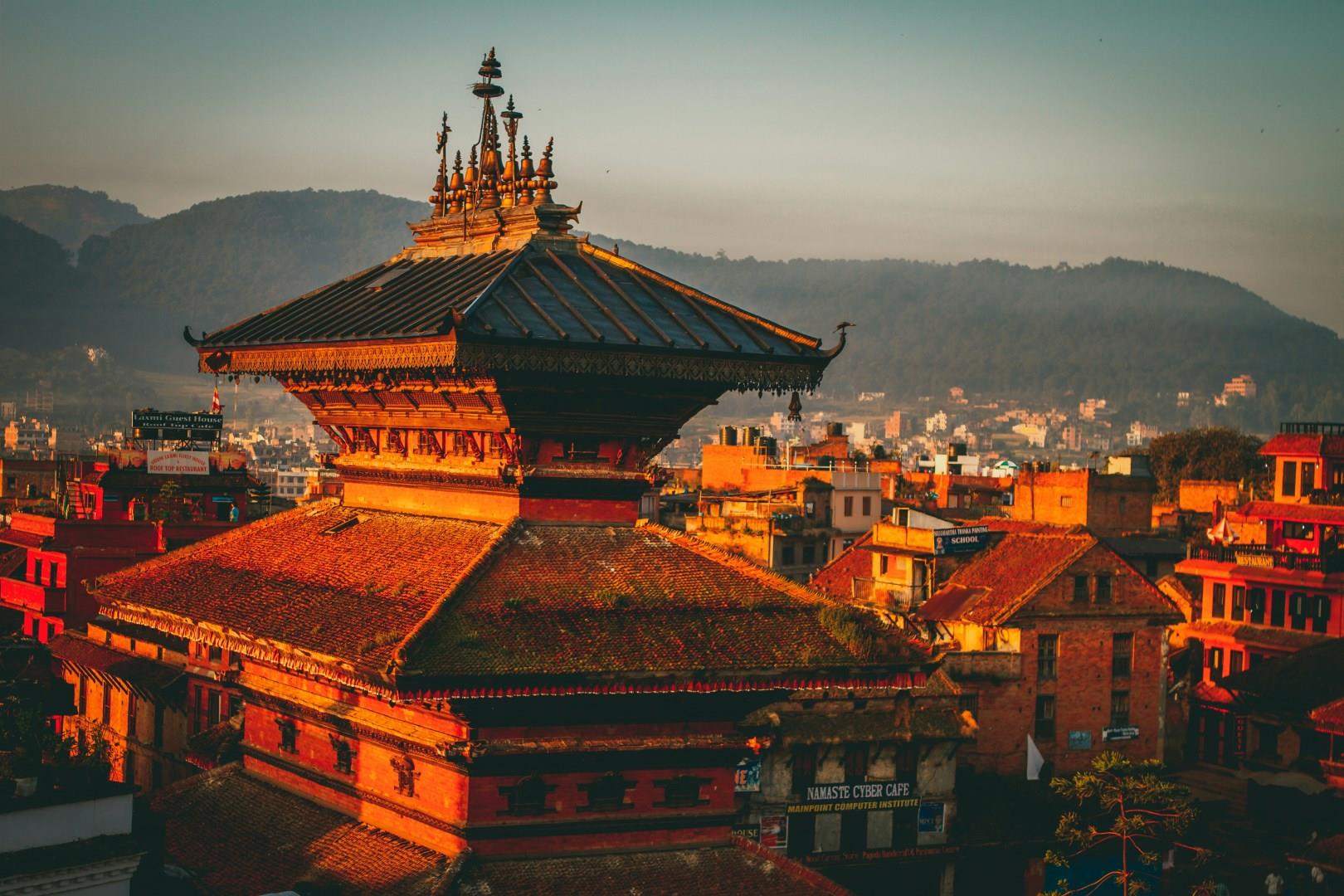
Bhaktapur
Bhaktapur, located just east of Kathmandu in Nepal, is a city where time seems to slow. Famous for its well-preserved medieval architecture, it is often called a “living museum” due to its abundance of temples, palaces, and courtyards.
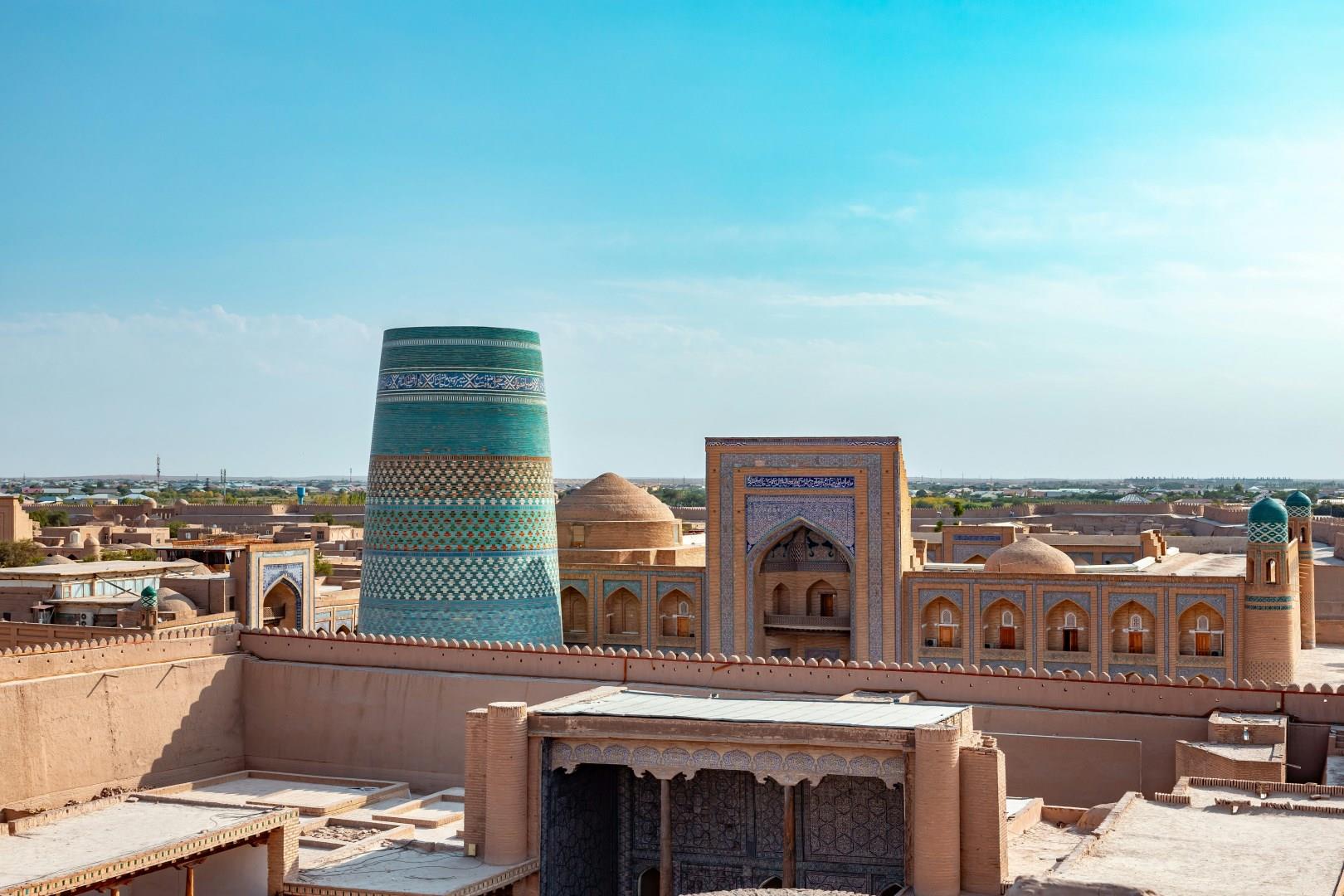
Khiva
Khiva, located in western Uzbekistan’s Khorezm region, is one of Central Asia’s most evocative Silk Road cities. Its walled inner city, known as the Itchan Kala, has preserved a remarkable collection of mud-brick architecture, minarets, mosques, and madrasahs that reflect centuries of Islamic culture and trade. Khiva served as a thriving trading hub and political center, linking merchants and scholars across the desert routes of the region.
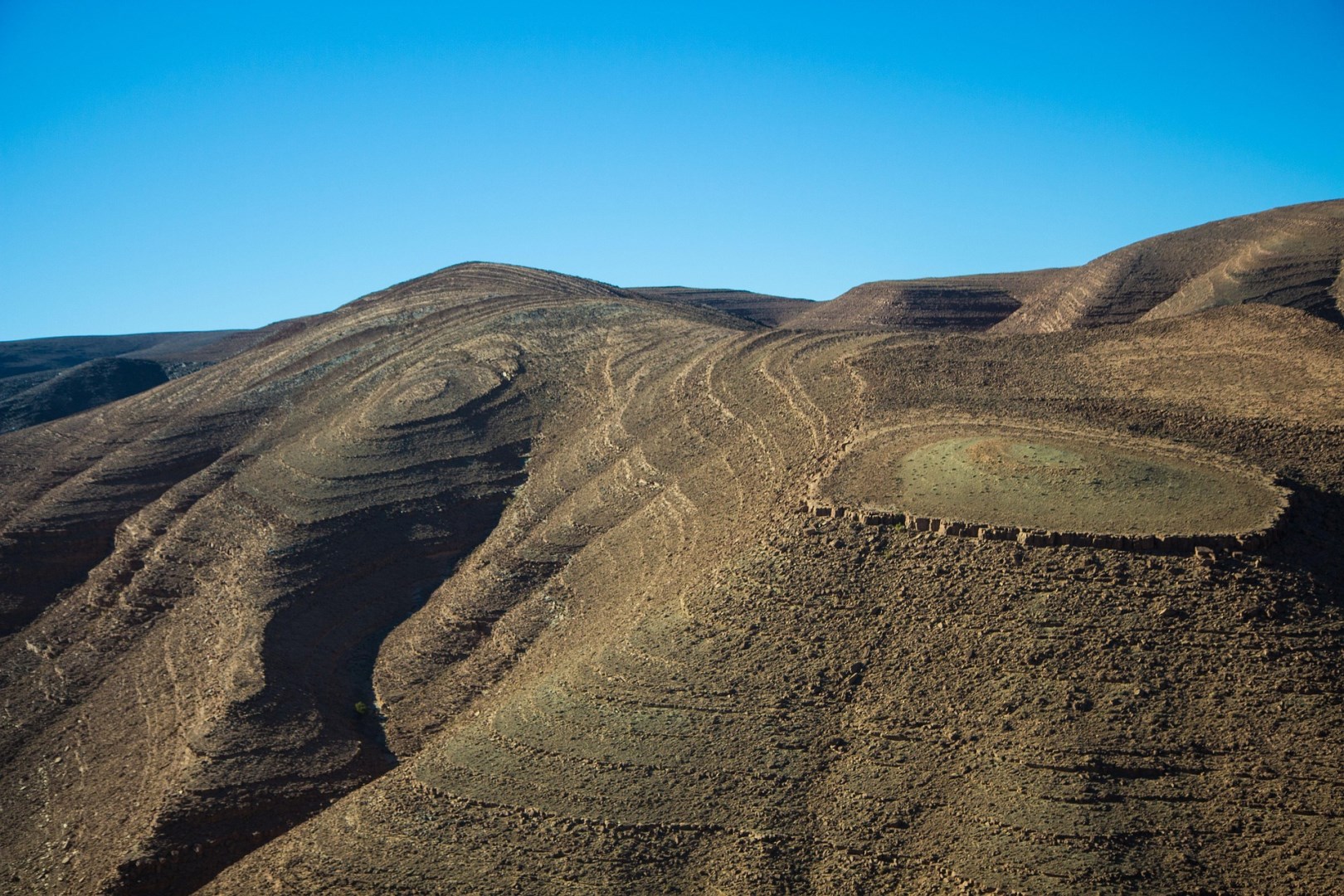
Atlas Mountains
The Atlas Mountains extend across Morocco, Algeria and Tunisia, forming a vast system of ranges between the Mediterranean and Atlantic coasts and the Sahara.
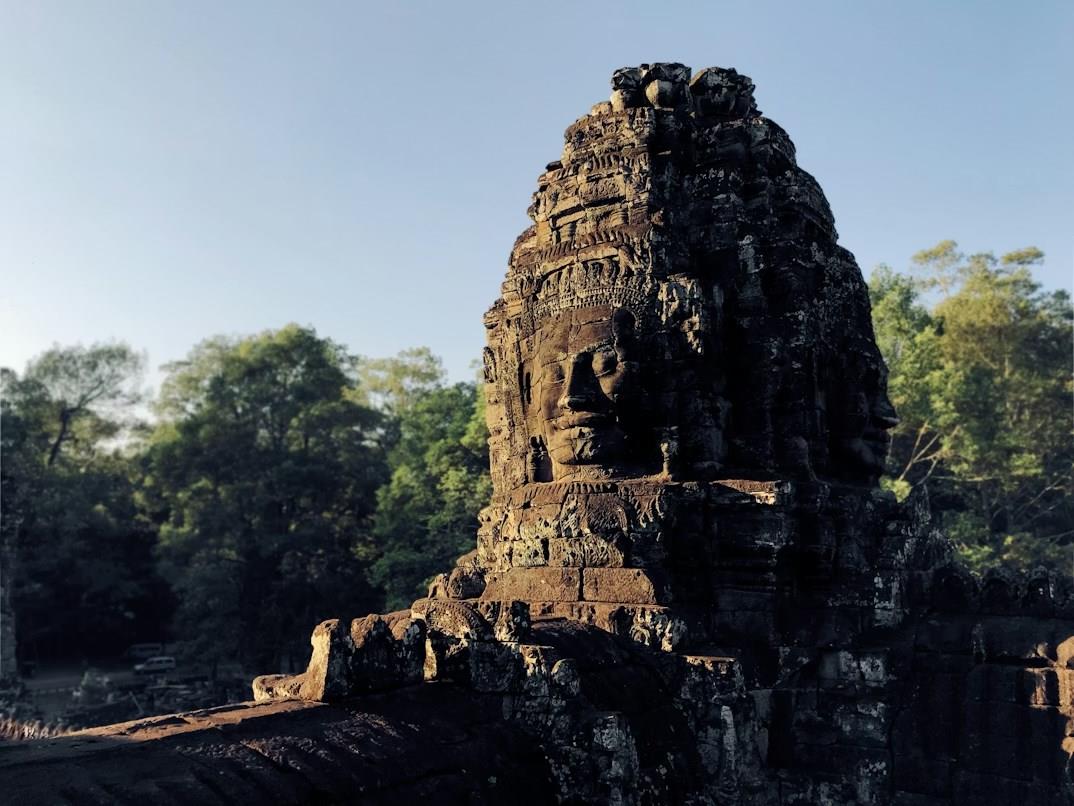
Angkor Thom
Angkor Thom was the last great capital of the Khmer Empire, established in the late 12th century under King Jayavarman VII in what is now northwestern Cambodia. Enclosed by massive stone walls and a wide moat, the city was designed as both a political center and a sacred landscape, symbolizing the cosmic order of the Khmer worldview.
