

Norwegian Sea
The Norwegian Sea, situated between Norway and the Arctic Ocean, offers a breathtaking adventure in one of Europe’s most rugged and enchanting regions. This body of water is bordered by Norway's western coastline, the Faroe Islands, and the northern reaches of Iceland, each contributing to its unique allure.
Frutillar
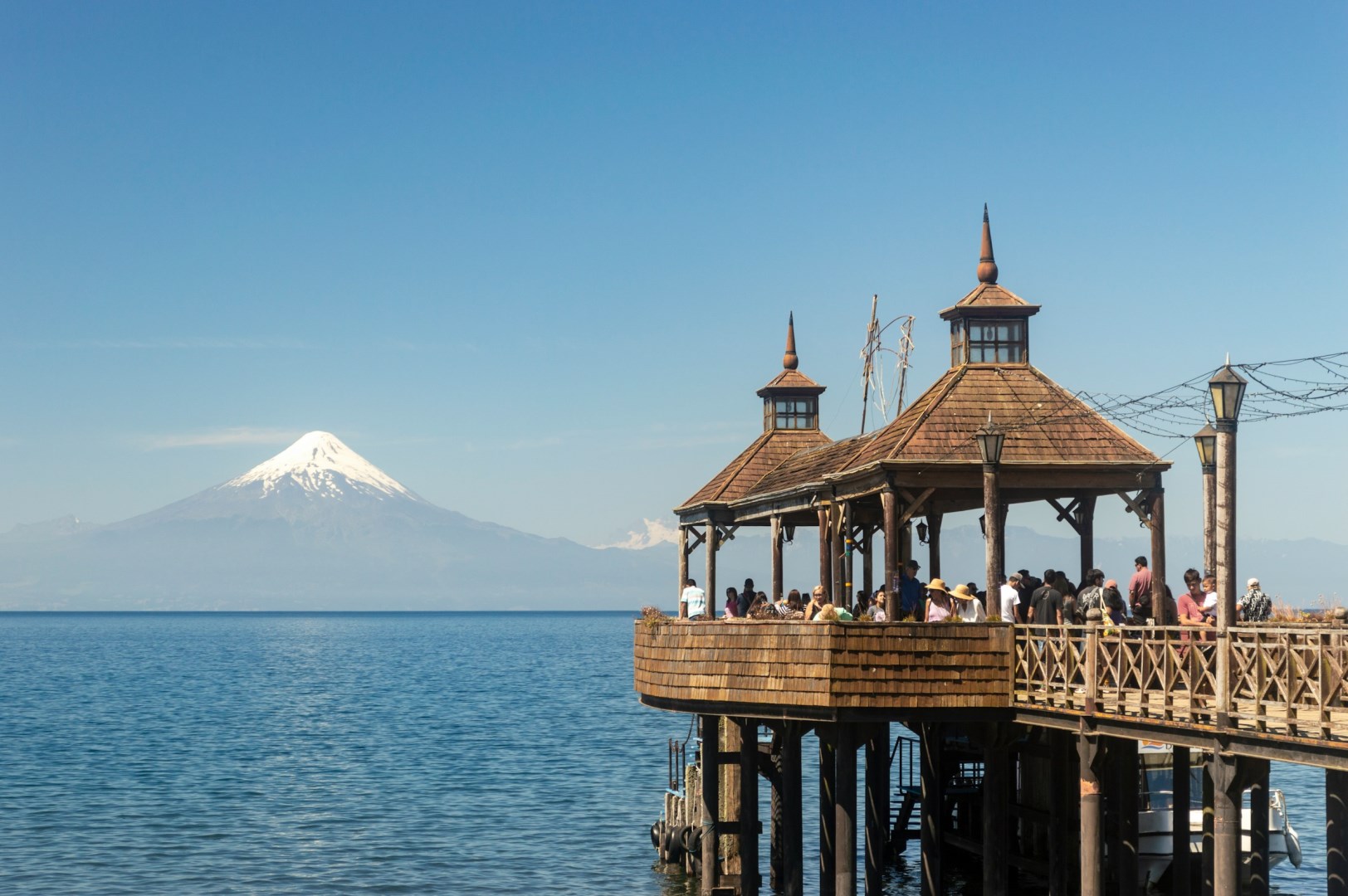
Frutillar is a small city on the western shore of Lake Llanquihue in southern Chile, with views across the water toward the snow-covered Osorno, Puntiagudo, Tronador, and Calbuco volcanoes. Its waterfront is defined by a long promenade, gardens, and dark volcanic-stone beaches, while wooden houses and carefully maintained public spaces give the town a distinctive appearance.
Gjirokastër
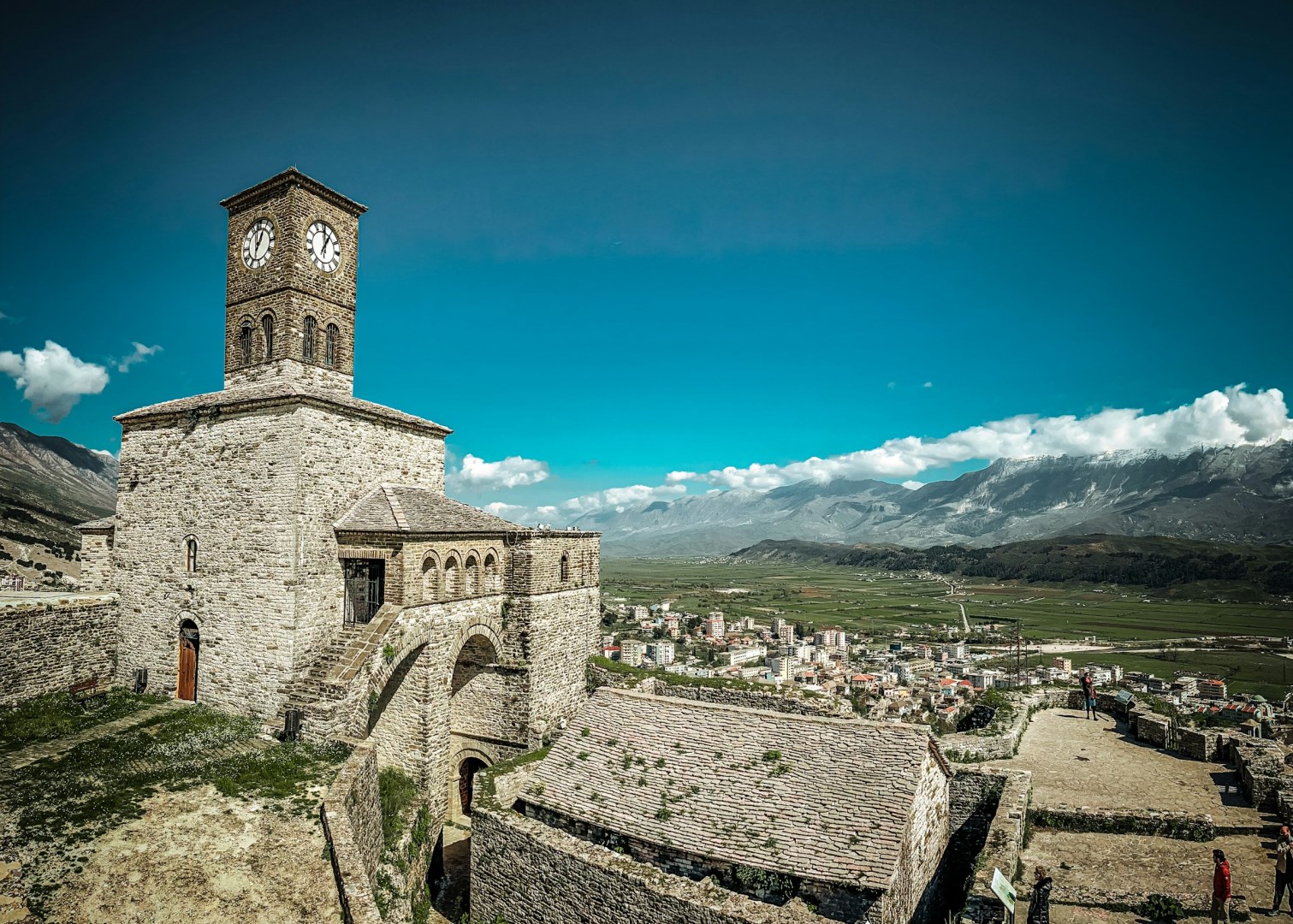
Gjirokaster is Albania's second museum city, where you can see the Fortress with its Armory Museum and the Teque Mosque and Bazaar. A city of stone, the peculiarities of its construction have led many to call it the "The Silver City". Gjirokaster is the birthplace of Enver Hoxja who was, until recently, Albania's infamous dictator.

Lake Louise
Nestled within the stunning Banff National Park in Alberta, Canada, Lake Louise is a paradise for nature lovers and adventure seekers alike. This world-renowned destination is famous for its striking turquoise lake, surrounded by the majestic Rocky Mountains. The lake, often described as one of the most beautiful in the world, is fed by the melting glaciers, creating its characteristic vibrant blue hue.
Trier
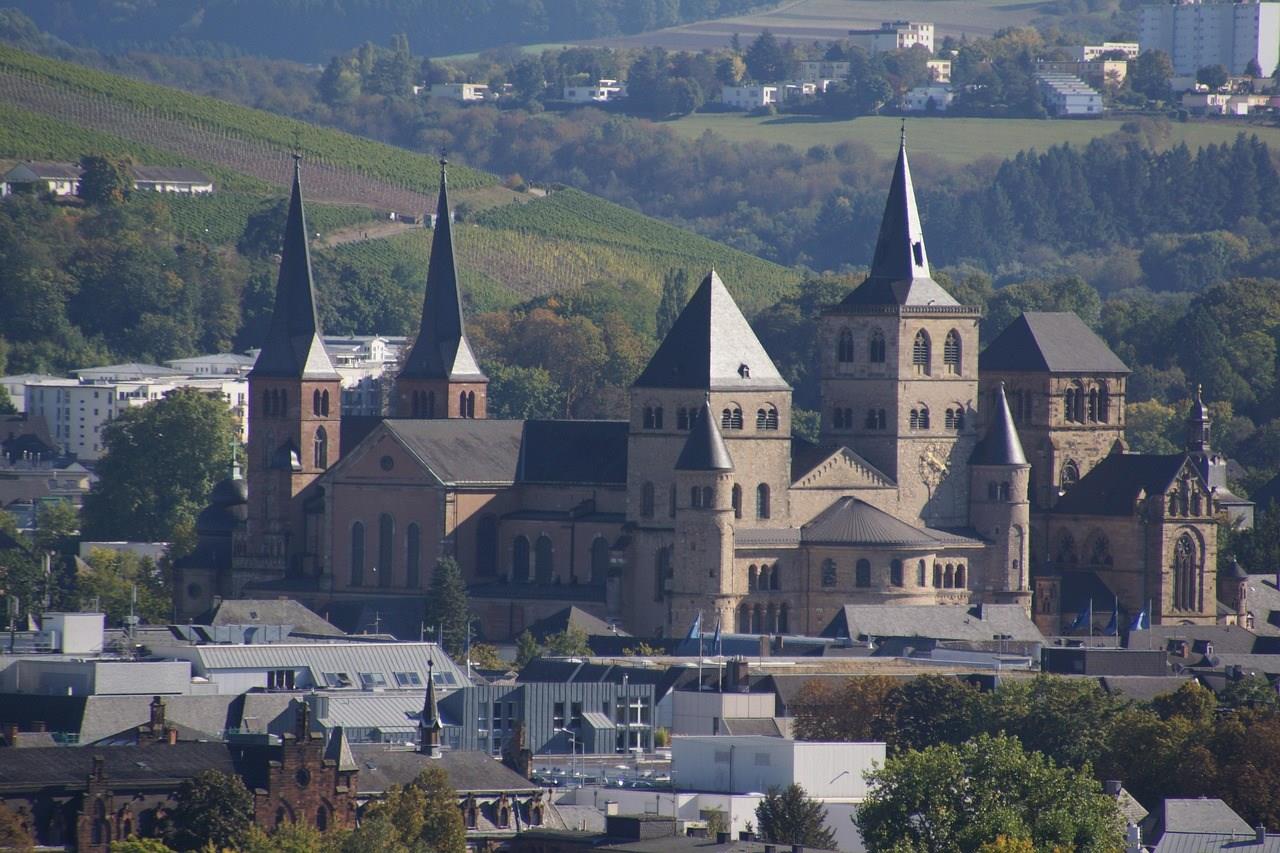
Trier, Germany’s oldest city, is a living museum nestled in the Moselle Valley, where Roman ruins rise beside medieval churches and bustling market squares. Founded by the Romans in 16 BCE, Trier was once known as “Roma Secunda,” the second Rome, and still boasts the largest collection of Roman architecture north of the Alps. The Trier Cathedral (Dom St. Peter), which is a UNESCO World Heritage Site, is the oldest church in Germany and houses a relic said to be the Holy Robe of Christ.
