
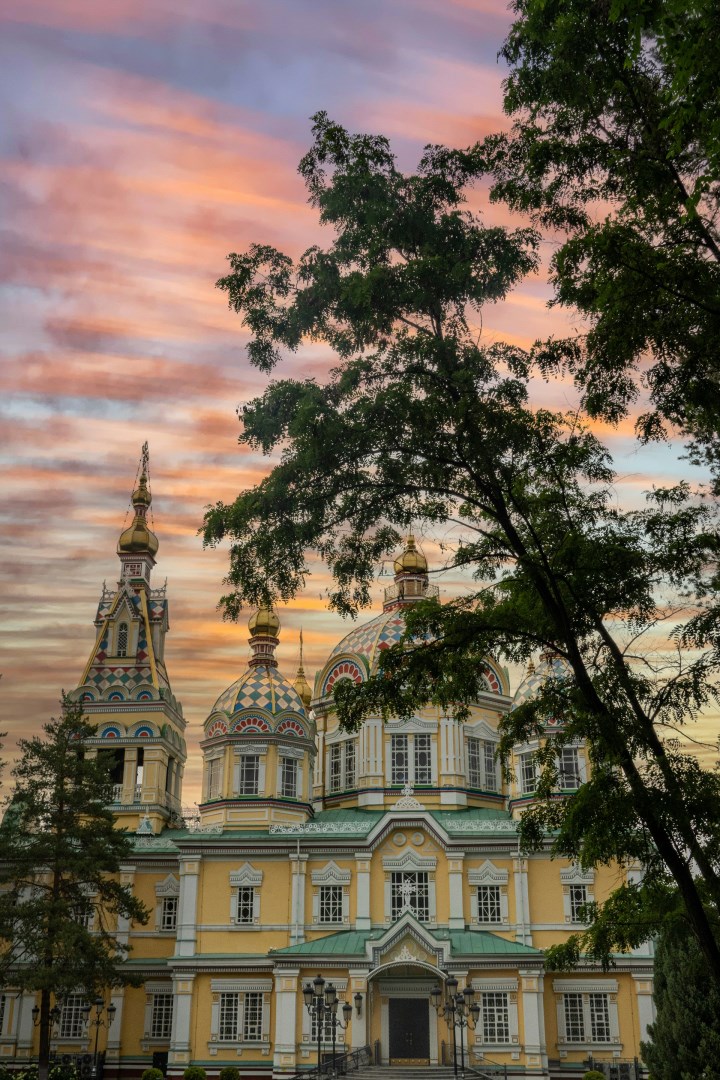
Almaty
Almaty is Kazakhstan's largest city and a major cultural and economic center in the southeast of the country. It lies at the foot of the Trans-Ili Alatau, where the broad urban area gives way to forested mountain slopes and alpine terrain. Tree-lined streets, parks, historic neighborhoods, modern buildings, and mountain views define much of the cityscape. Almaty is also known for its orchards and agricultural surroundings, reflected in the city's name, which is associated with apples.
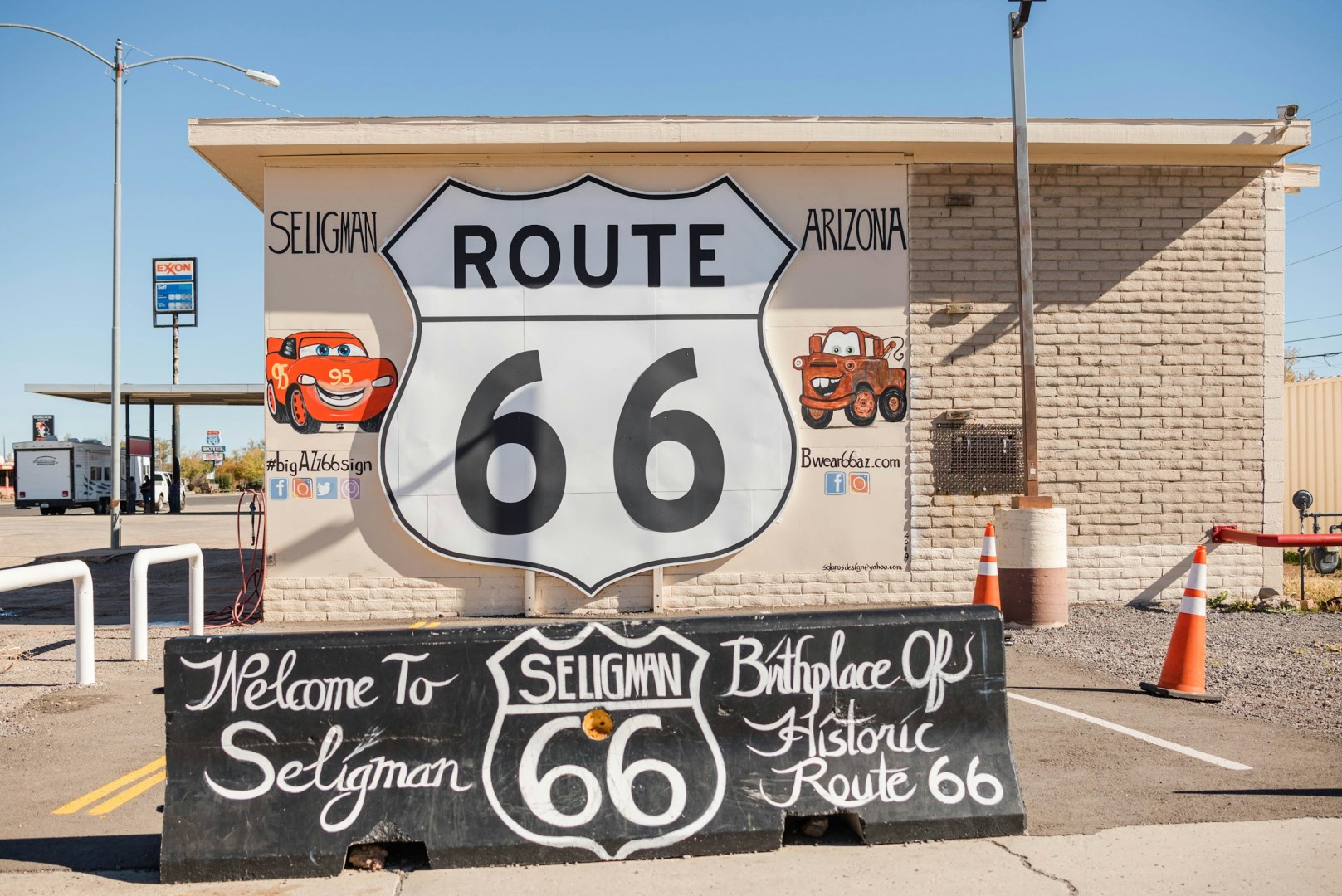
Seligman
Seligman is a small community in northwestern Arizona, located along the historic route of U.S. Route 66 in Yavapai County. The town sits on a high plateau surrounded by open grassland, juniper, and pinyon pine, with the rugged terrain of northern Arizona extending in every direction. Seligman is closely associated with Route 66 and is recognized as one of the places that helped preserve the character and traditions of the old highway.
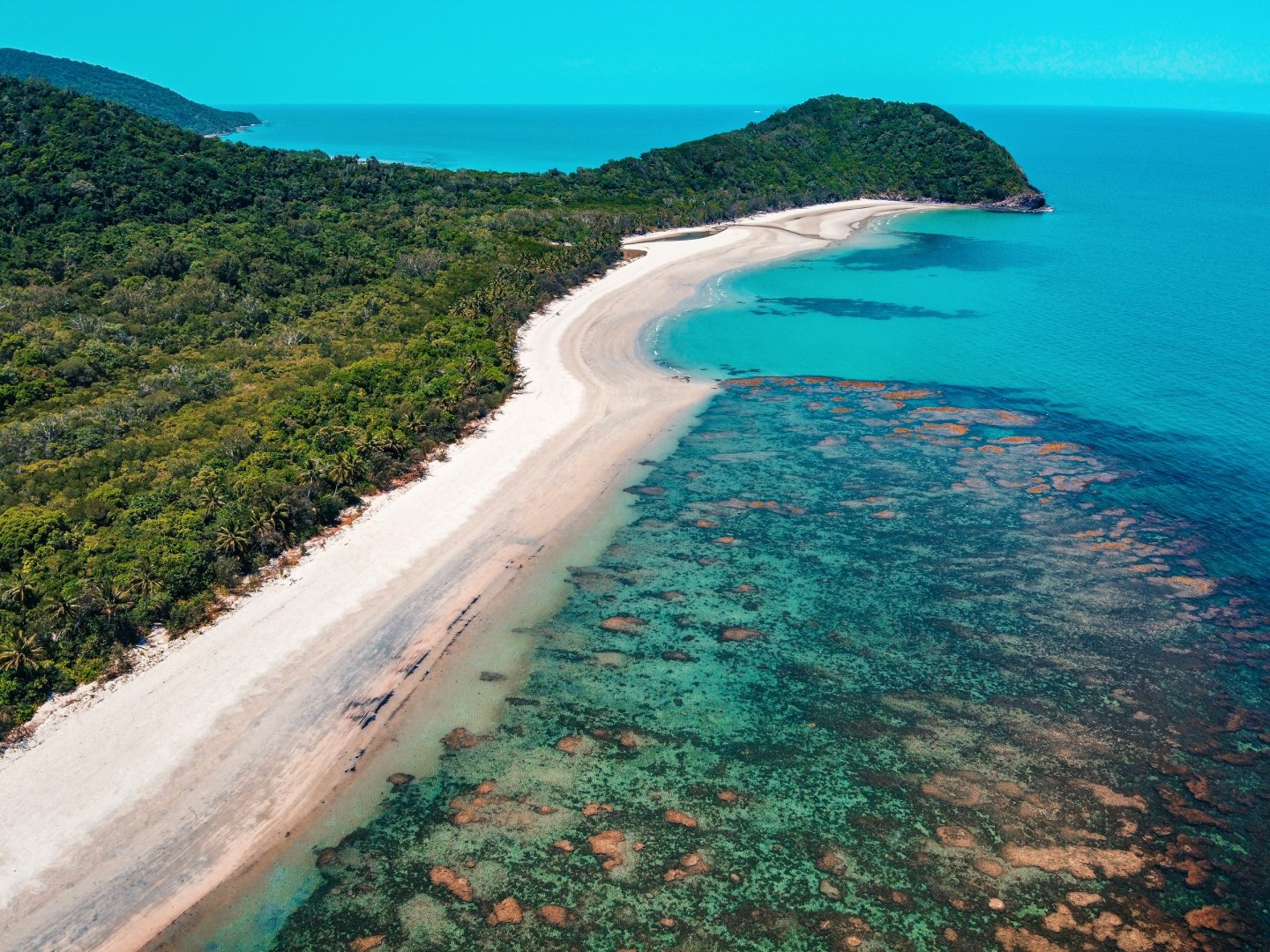
Cape Tribulation
The largest virgin tract of rainforest in Australia (and the second largest in the world), this lush, tropical World Heritage area is a living testimonial to the ancient rainforests which once covered the earth's surface. Cool forest streams, primitive rainforests, stunning mountain scenery and abundant wildlife - a naturalists and bird watchers paradise.

Kingston
Kingston is Jamaica’s capital and largest city, occupying a broad coastal plain beneath the Blue Mountains and beside one of the Caribbean’s largest natural harbours. It is the country’s main center for government, business, education, music, art, and food, with neighborhoods ranging from historic downtown streets to the commercial districts of New Kingston and the hillside communities above the city.
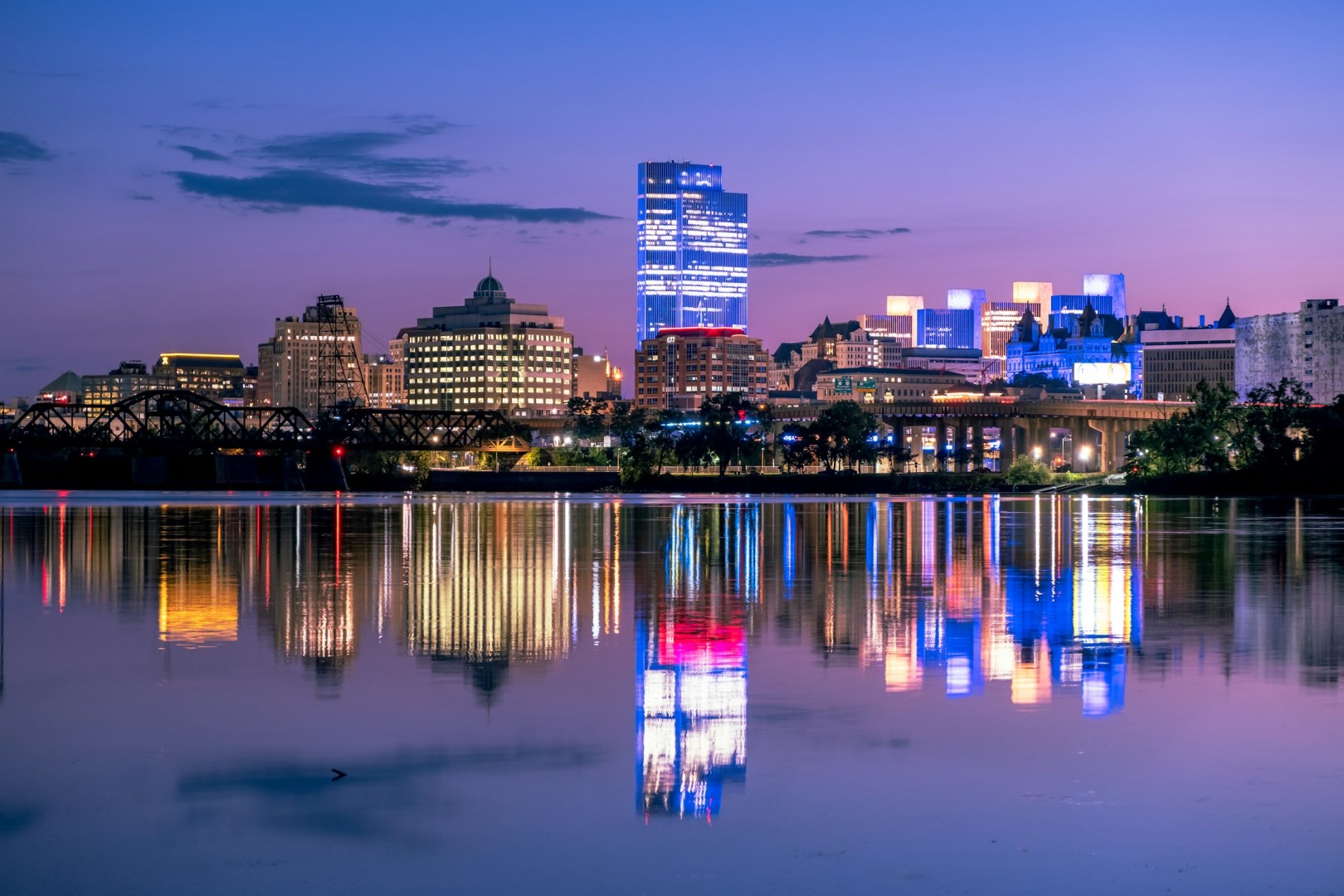
Albany
Albany is the capital of the state of New York. Albany is noted for the Empire State Plaza, which houses government buildings and the New York State Museum.
