
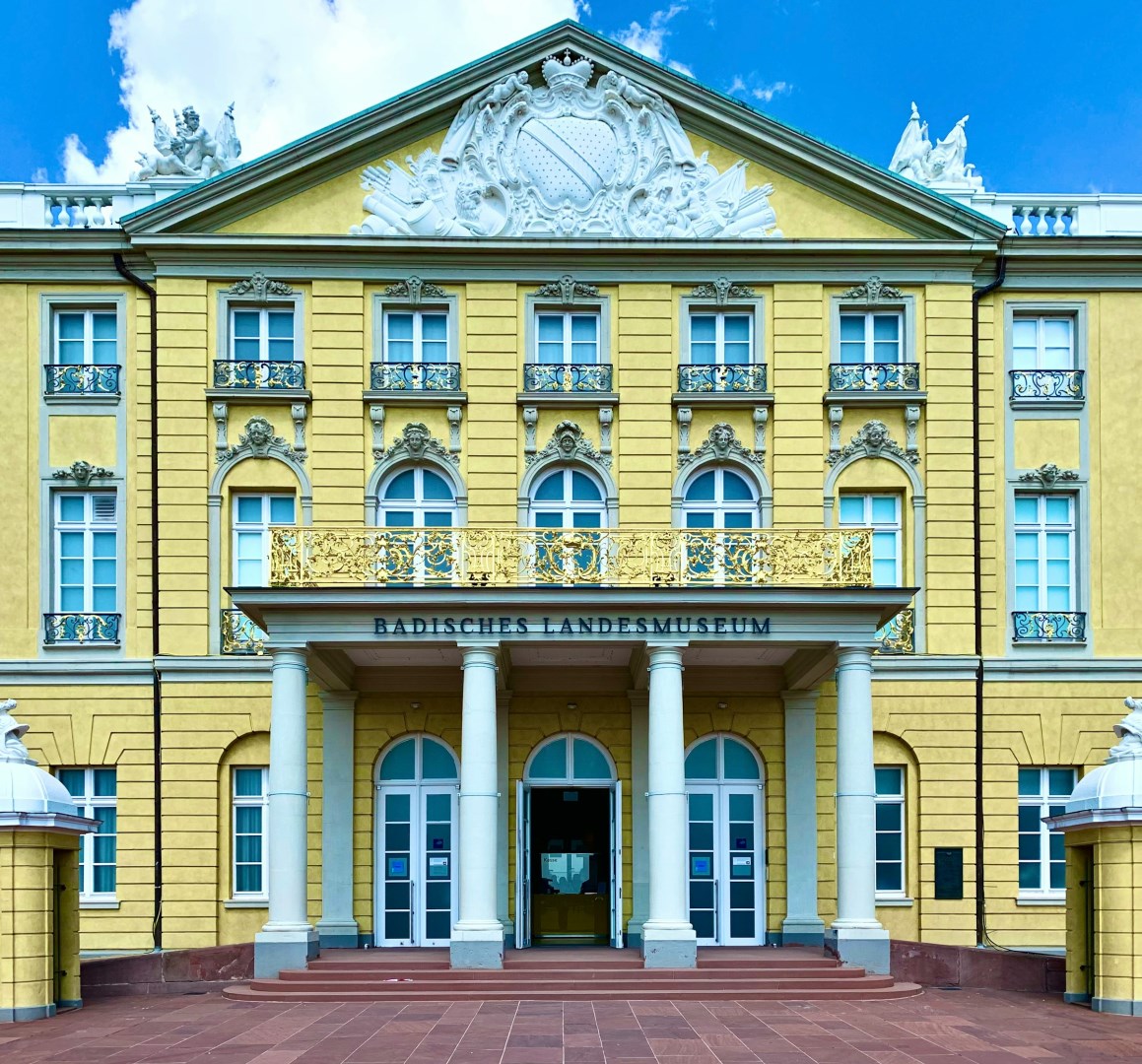
Karlsruhe
Karlsruhe, located in southwestern Germany near the French border, is a city known for its unique radial layout, rich cultural life, and role as a hub for law and technology. Founded in 1715, the city was planned around the iconic Karlsruhe Palace, with streets radiating outward like the spokes of a wheel.

Canary Islands
The Canary Islands, a Spanish archipelago off the northwest coast of Africa, offer far more than just sunshine and beaches. Made up of eight main islands, each with its own personality, the Canaries are a place where lunar landscapes, cloud forests, volcanic peaks, and historic towns coexist within short travel distances. On Tenerife, Mount Teide looms over a landscape of solidified lava and craters that look like a science fiction set.
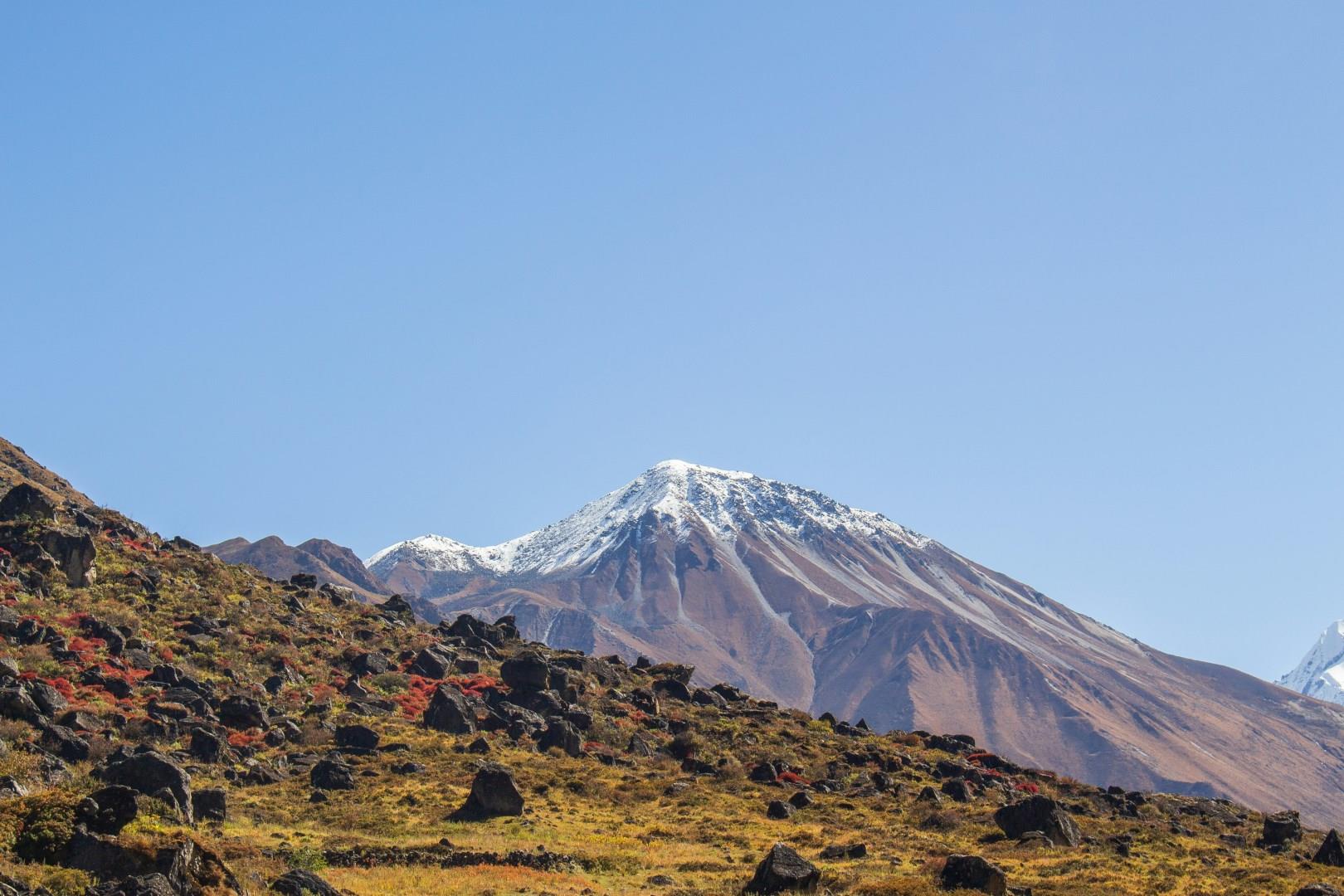
Langtang National Park
Langtang National Park lies just north of Kathmandu, yet it feels far removed from the city’s pace. As Nepal’s first Himalayan national park, it stretches from lush river valleys to high alpine ridges close to the Tibetan border. Snow-covered peaks such as Langtang Lirung rise above forests of oak, maple, and rhododendron, creating dramatic shifts in scenery over short distances.
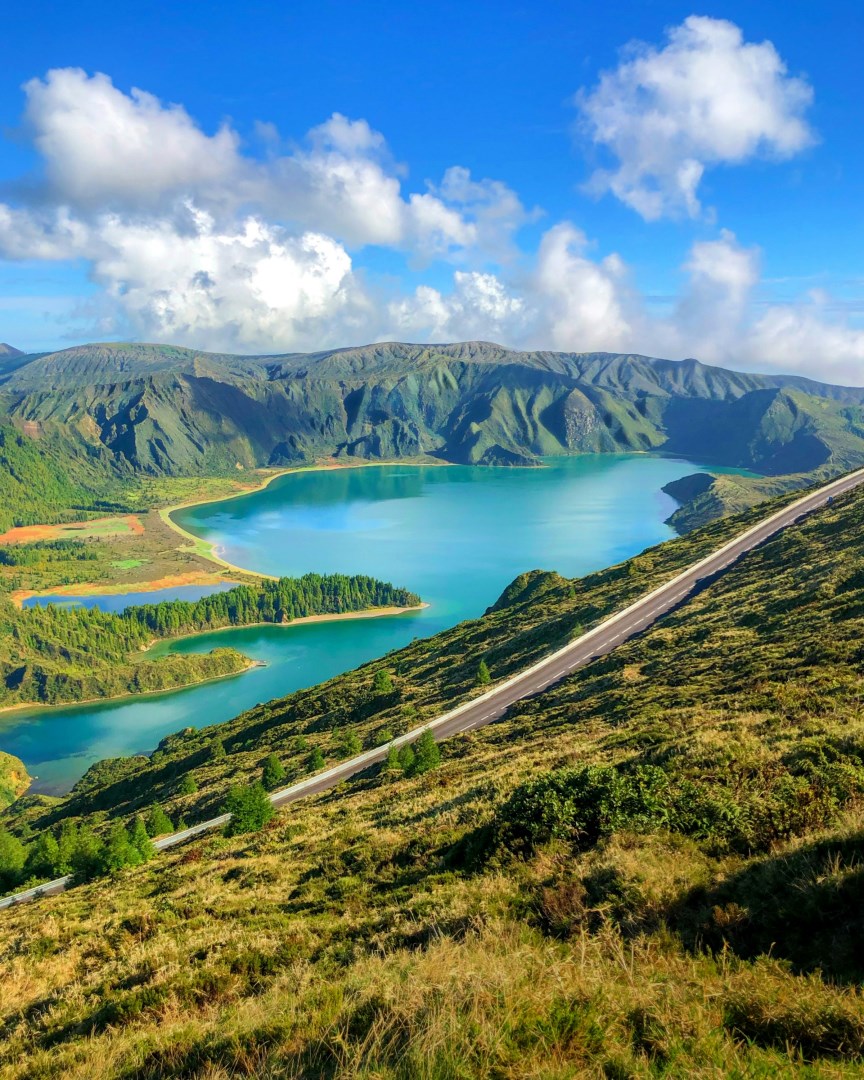
Lagoa do Fogo
Lagoa do Fogo is a volcanic crater lake on São Miguel Island in Portugal’s Azores archipelago. Set within a protected landscape in the island’s central highlands, the lake occupies a large caldera surrounded by steep slopes covered with native vegetation. Its remote setting and undeveloped shoreline distinguish it from the more settled areas of São Miguel.
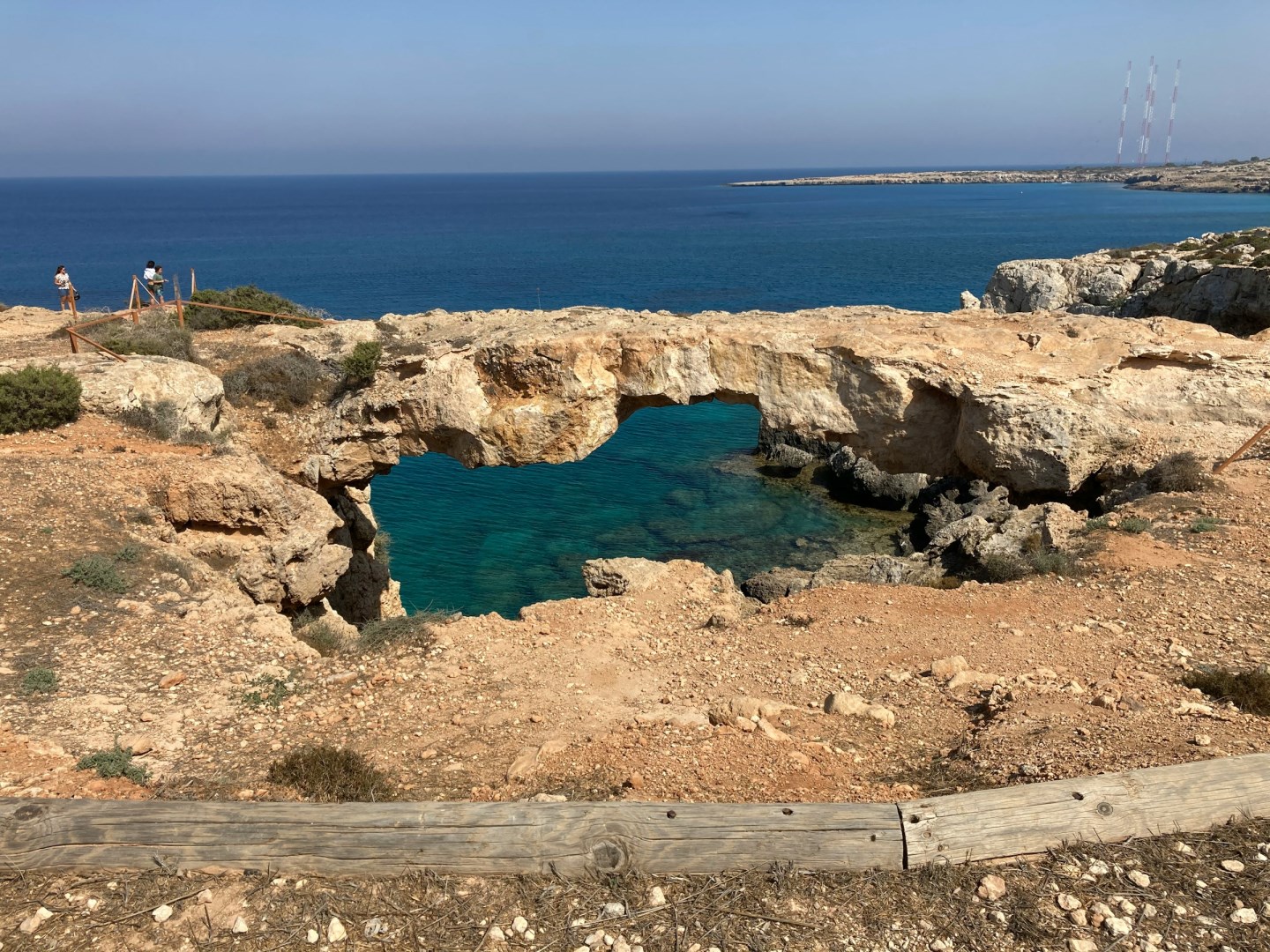
Protaras
Protaras is a coastal resort town in southeastern Cyprus, located in the Paralimni area along a section of coastline known for sandy beaches, shallow bays, and clear Mediterranean waters. The town stretches along the shore with hotels, apartments, restaurants, cafés, and a long coastal promenade.
