

Quebec
Quebec is a province where the old meets the new in the most exciting way, with each of its diverse cities offering a distinct experience for travelers. It is a melting pot of French and English heritage, and this duality can be seen in its art, music, and festivals.
Burundi
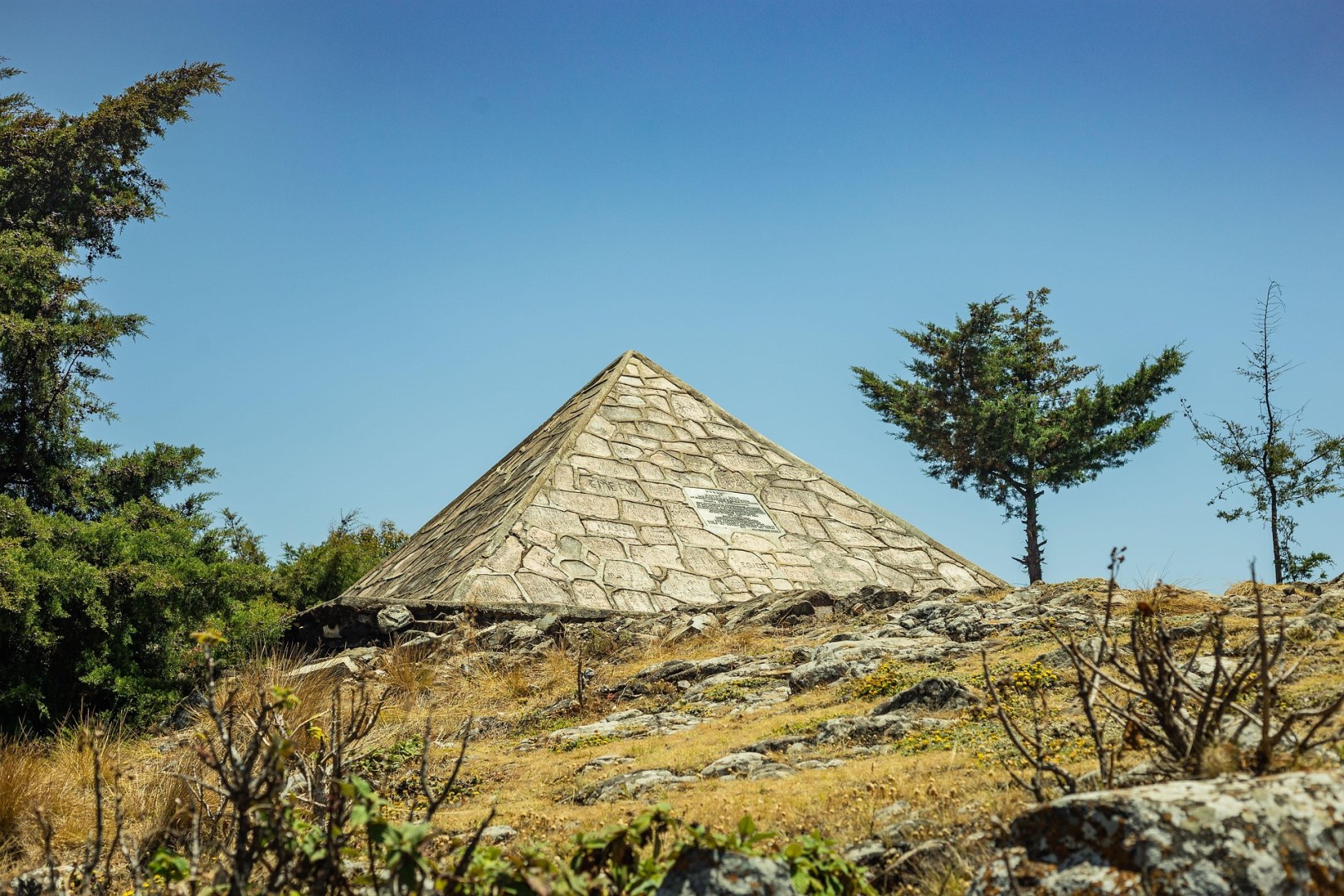
Burundi, a small country tucked along the shores of Lake Tanganyika, offers travelers a deeply authentic experience that few destinations can match. Known as the “Heart of Africa” due to its location, Burundi is home to dramatic landscapes, from rolling hills and volcanic mountains to wide plains and ancient forests. One of its most remarkable natural features is the southern tip of the Nile River, which begins near Rutovu.
Namche
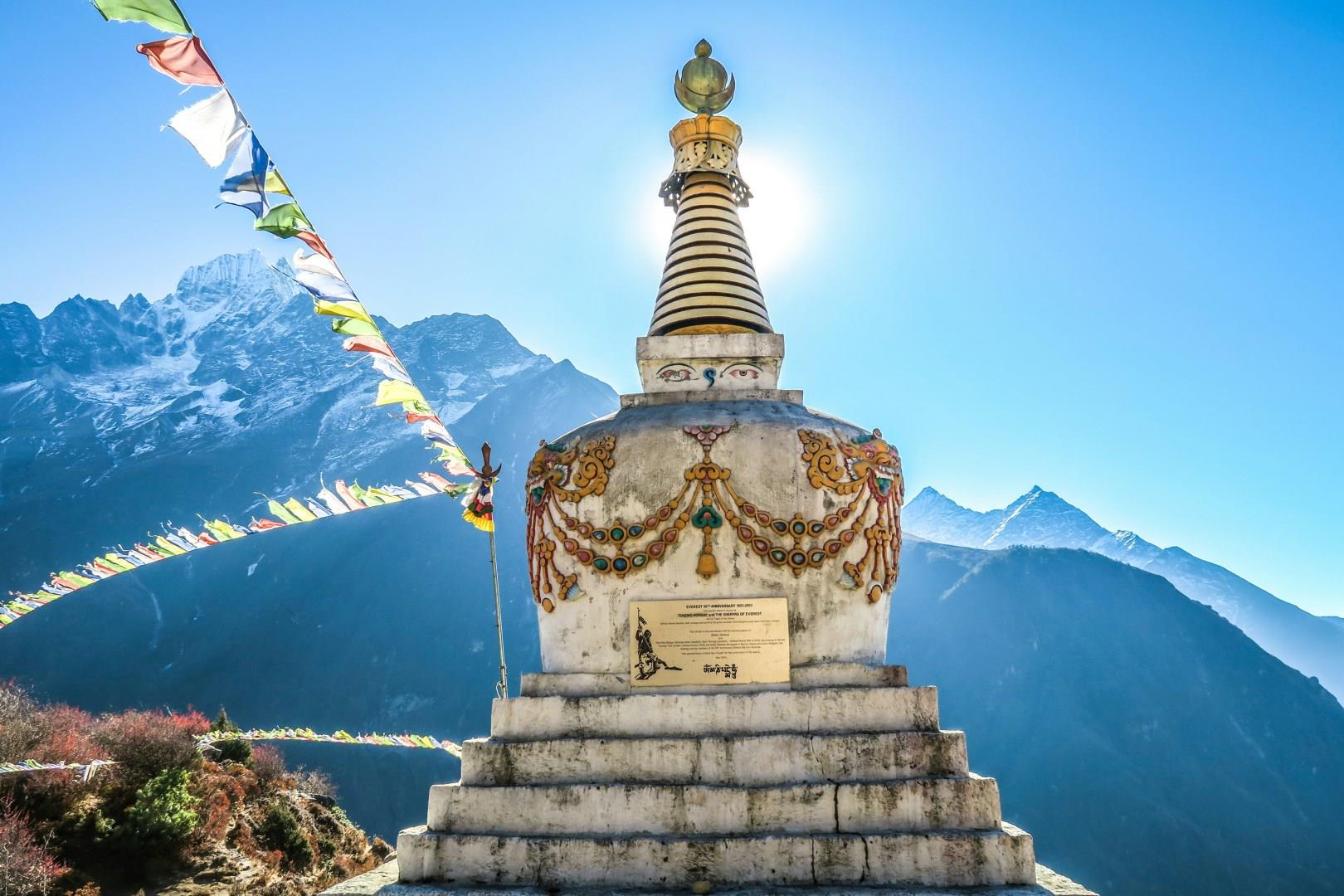
Namche Bazaar, perched at 3,440 meters in the Khumbu region of Nepal, is often called the gateway to Everest, but it’s far more than a rest stop on the way to Base Camp. Once a trading post between Tibetan and Nepali merchants, Namche has developed into a small mountain town where yak caravans and Wi-Fi cafes exist side by side. Despite its remote location, it has a Saturday market that continues to bring traders and trekkers together, just as it did centuries ago.
Robe
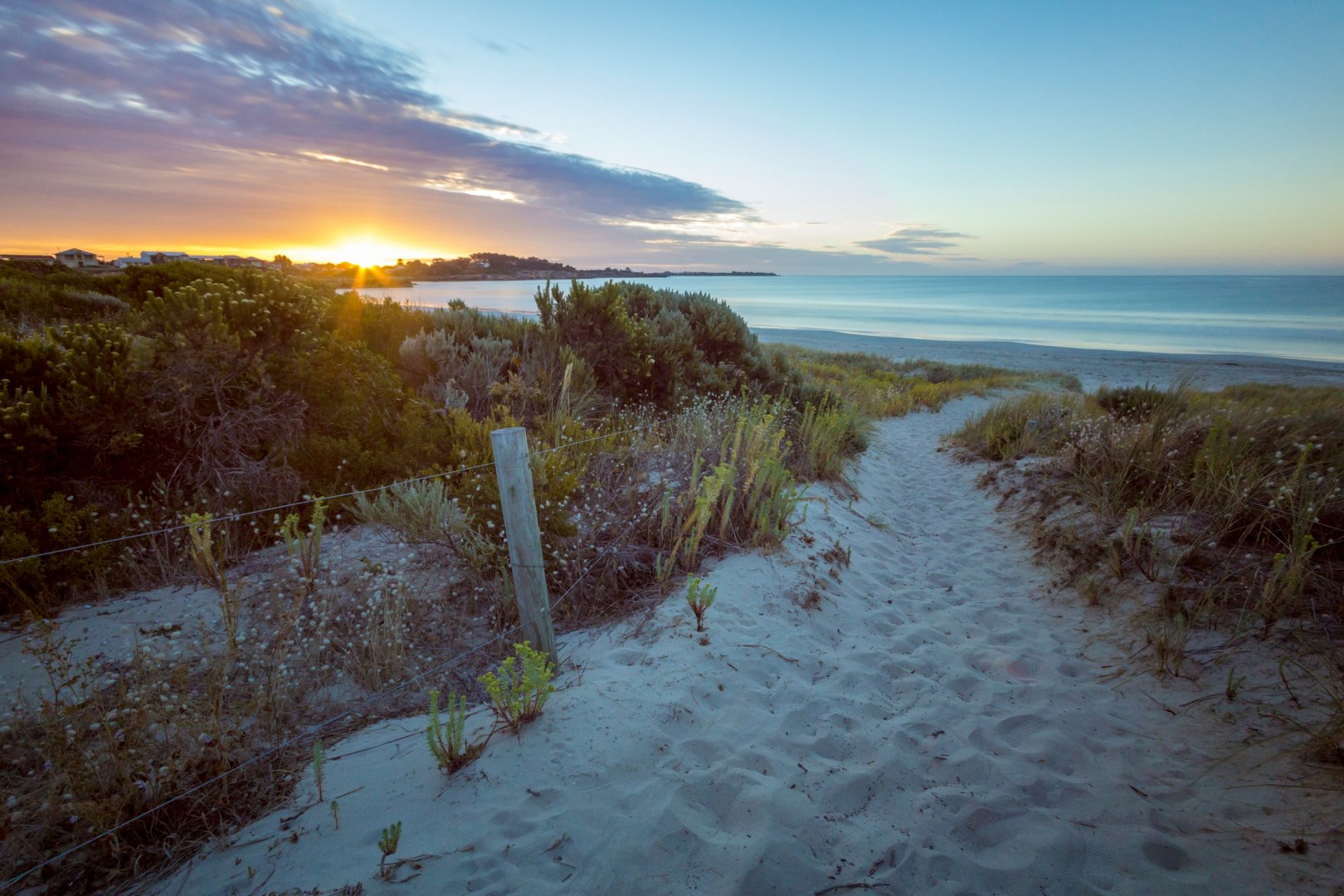
Robe is a small coastal town on South Australia’s Limestone Coast, overlooking Guichen Bay between long beaches, low dunes, lakes, and rocky headlands. Its setting combines a working fishing community with a historic town center containing numerous heritage-listed buildings. Robe developed as a port serving the pastoral districts of the southeast, and its maritime character remains visible around the harbor and waterfront.
Poʻipū
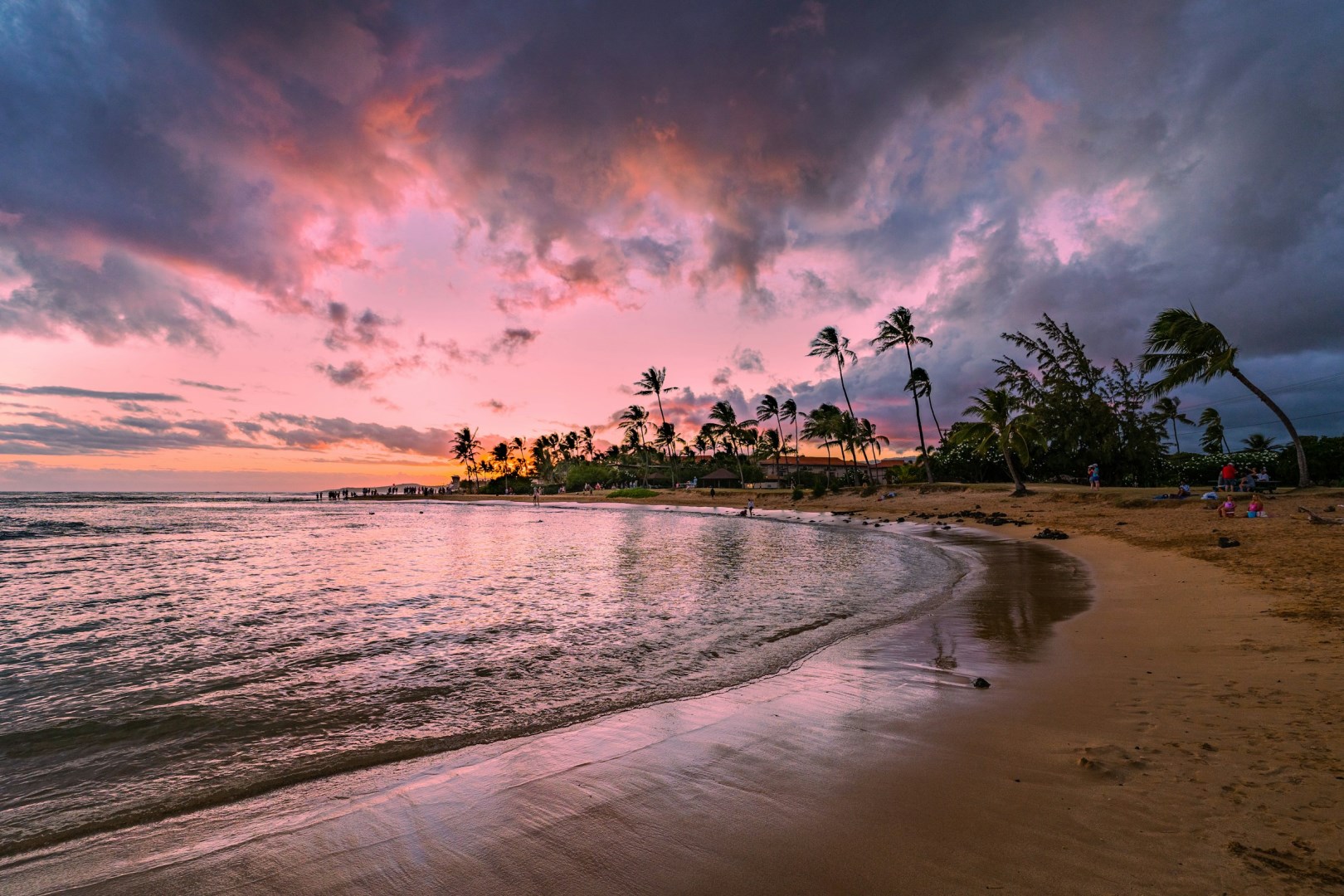
Poʻipū is a coastal community on the southern shore of Kauaʻi, known for sunny weather, sandy beaches, and access to the island’s sheltered southern coastline. Its landscape includes beaches, lava-rock formations, palm-lined resorts, residential neighborhoods, and open coastal areas. Poʻipū Beach Park is the main public gathering place, with several connected sandy areas and shallow water that can be suitable for swimming when ocean conditions allow.
