
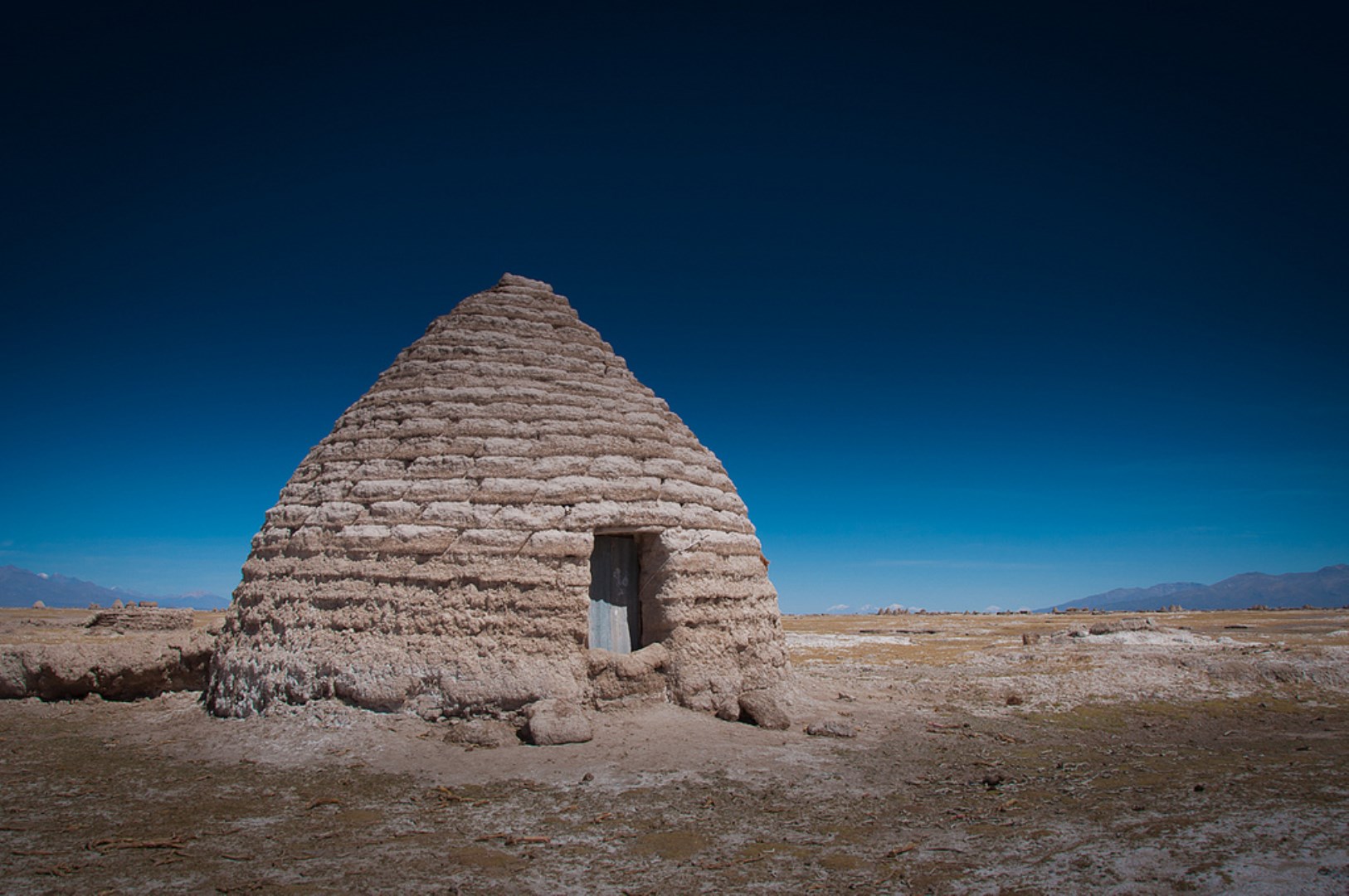
Oruro
Oruro, city in western Bolivia, capital of Oruro Department, located on a plateau about 3700 m (about 12,140 ft) above sea level. Oruro is a major railroad junction and an important commercial and processing center in a mineral, especially tin, mining area. Industries in the city include tin smelting and shoe and clothing manufacture. The Technical University of Oruro (1892) is here. Oruro was settled about 1595 by Spaniards interested in its silver deposits.

Melk
Nestled along the south bank of the Danube, this historical Austrian city bursts with charm. A favorite stop on European river cruises, the city's most famous attraction is Melk Abbey, which dates back to the 11th century. The original Benedictine structure was lost to fires and foreign invasion, then rebuilt during the 18th century in lavish Baroque style, including a library and inner church covered in magnificent frescoes and gilded fixtures.
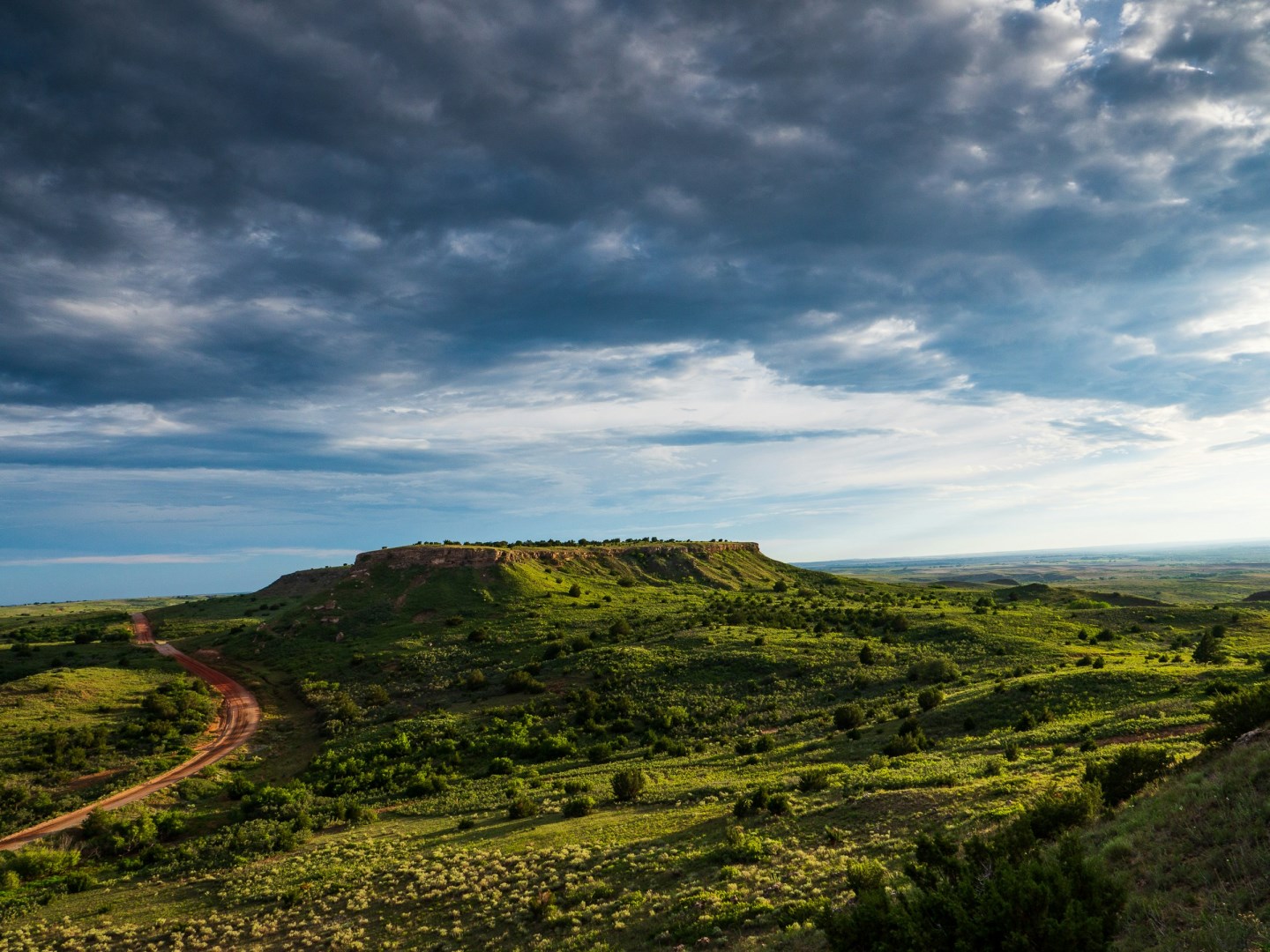
Oklahoma
Oklahoma offers a deep, unexpected travel experience shaped by wide-open skies, rich tribal history, and a music legacy that runs through jukeboxes and dance halls. In Oklahoma City, the National Cowboy & Western Heritage Museum showcases the art, artifacts, and grit of the American West. At Mount Scott, visitors can drive to the summit for panoramic views or spot bison grazing below. It’s a place where the sound of the wind and the crunch of gravel underfoot replace the noise of daily life.
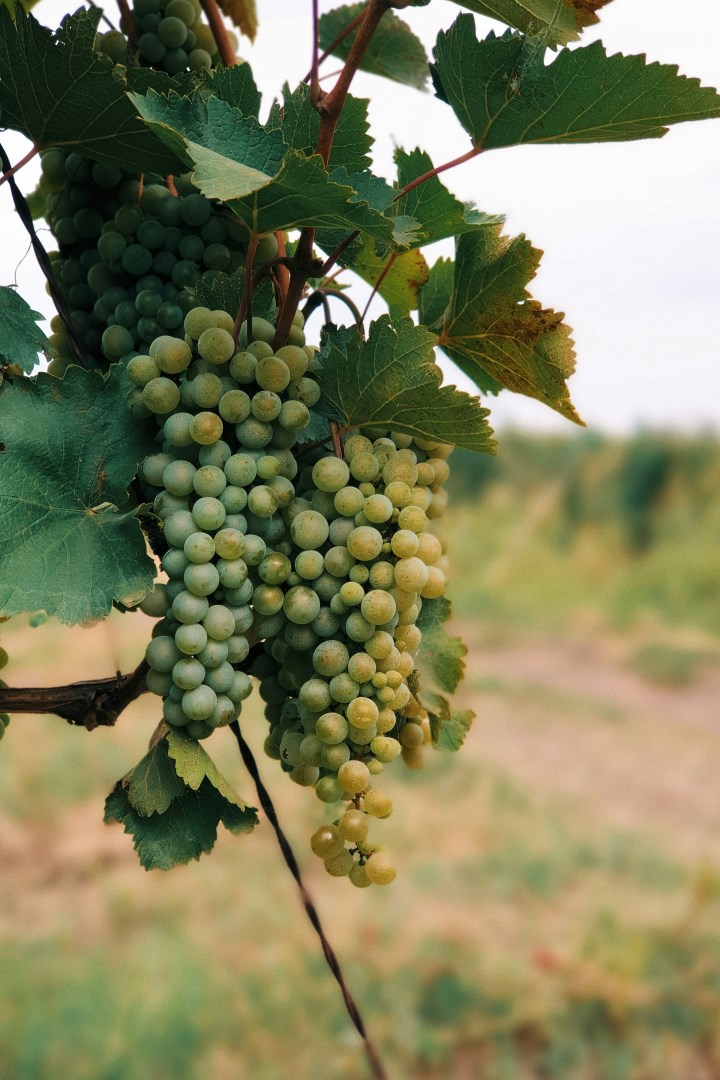
Kakheti
Kakheti is Georgia's easternmost major wine region, stretching across the Alazani and Iori valleys beneath the Greater Caucasus. The region is known for vineyards, fertile plains, dry hills, and mountain landscapes that change considerably between its eastern and western areas. Telavi serves as the main regional center, while towns and villages such as Sighnaghi, Kvareli, Gurjaani, and Tsinandali provide access to vineyards, monasteries, historic estates, and local markets.
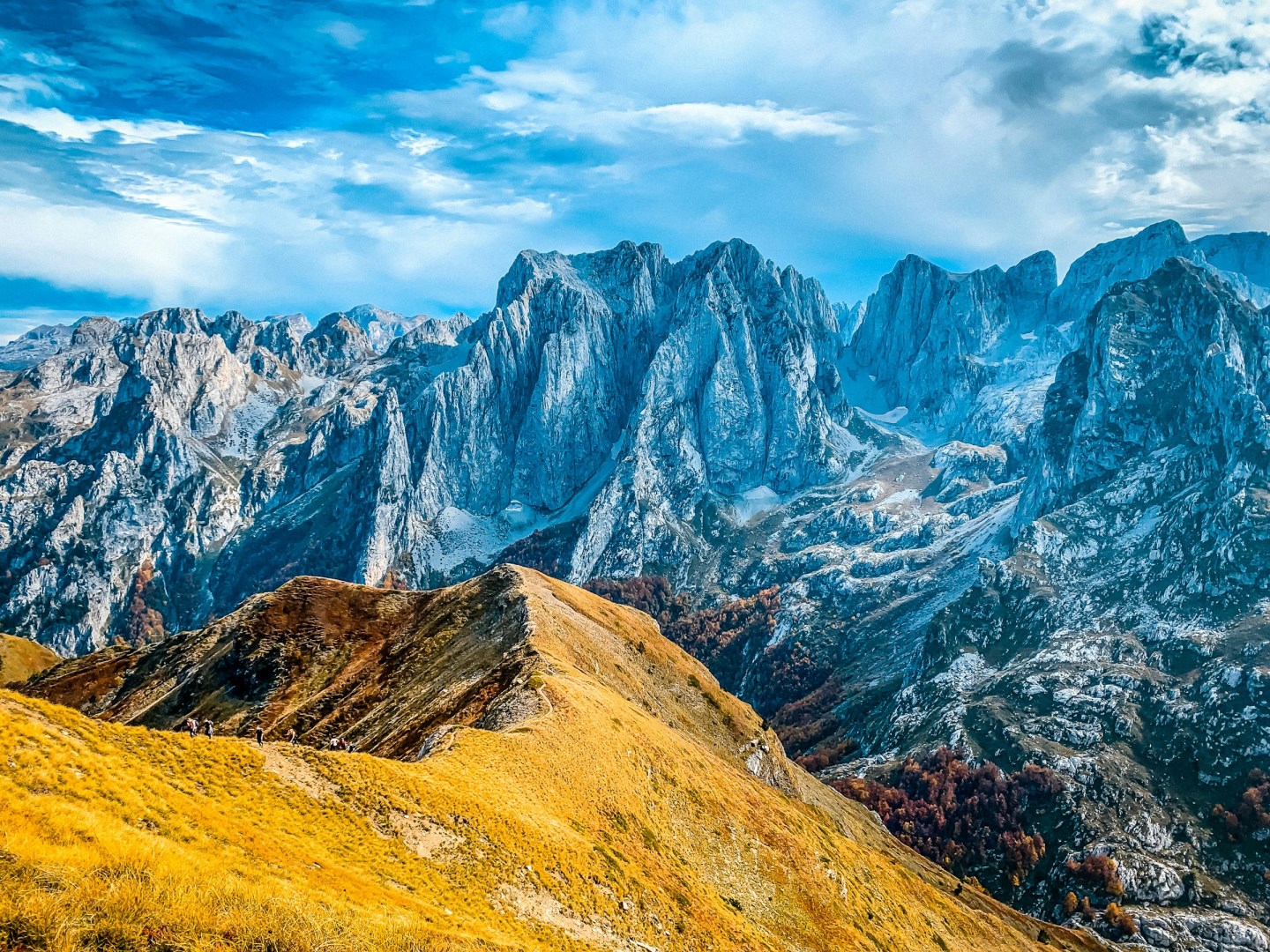
Grebaje
Grebaje is a mountain valley in northern Montenegro, within Prokletije National Park near the town of Gusinje. The valley is enclosed by the steep limestone peaks of the Karanfil massif, creating a narrow landscape of meadows, forests, cliffs, and high alpine ridges. Unlike the more developed mountain destinations of Montenegro, Grebaje has only a small number of facilities and retains a largely pastoral character.
