
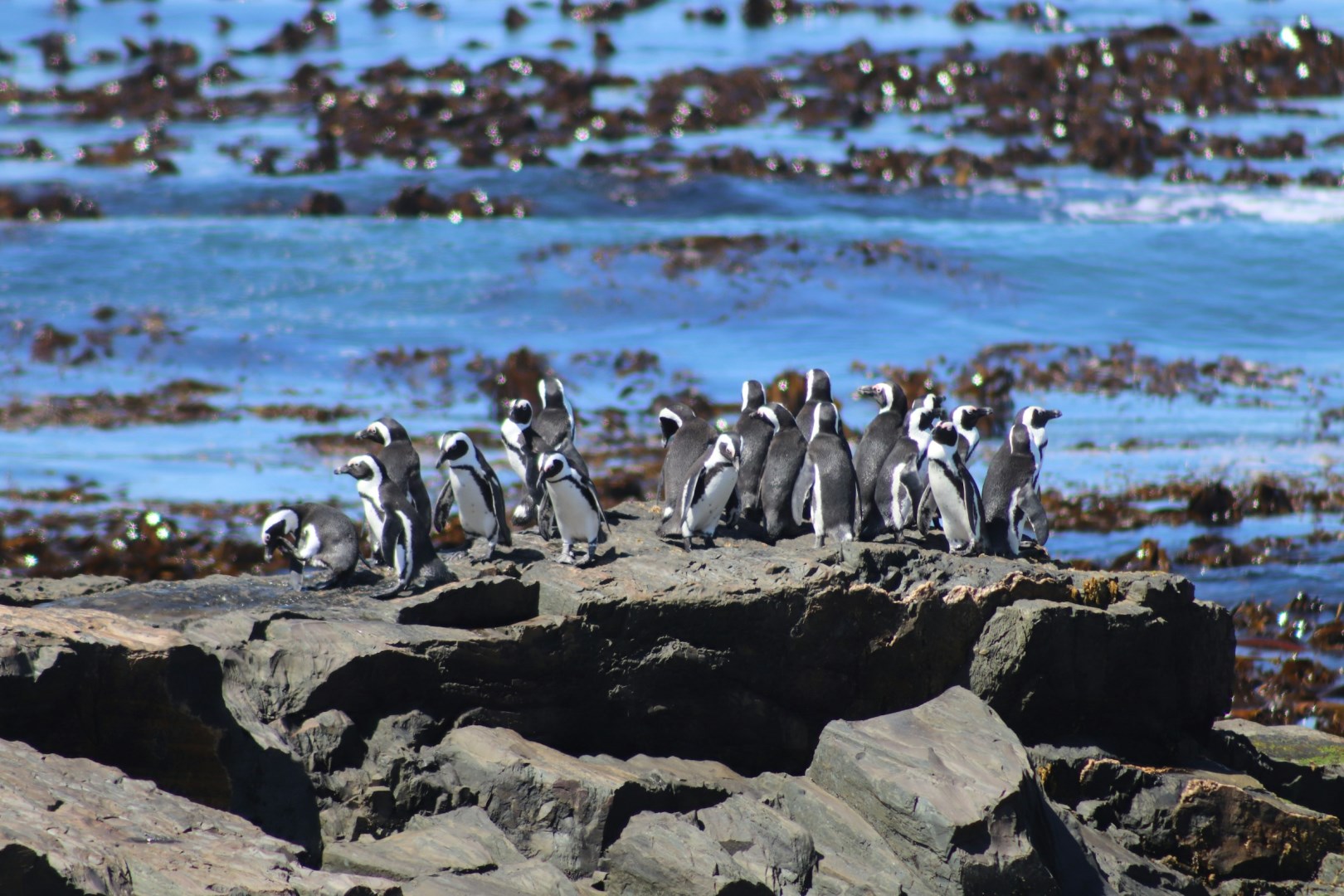
Robben Island
Robben Island lies in Table Bay off the coast of Cape Town and is one of South Africa’s most significant heritage sites. The island is best known for its former prison, where political prisoners opposed to apartheid were held, including Nelson Mandela. Its landscape also contains a lighthouse, historic buildings, military remains, quarries, and areas of natural vegetation.
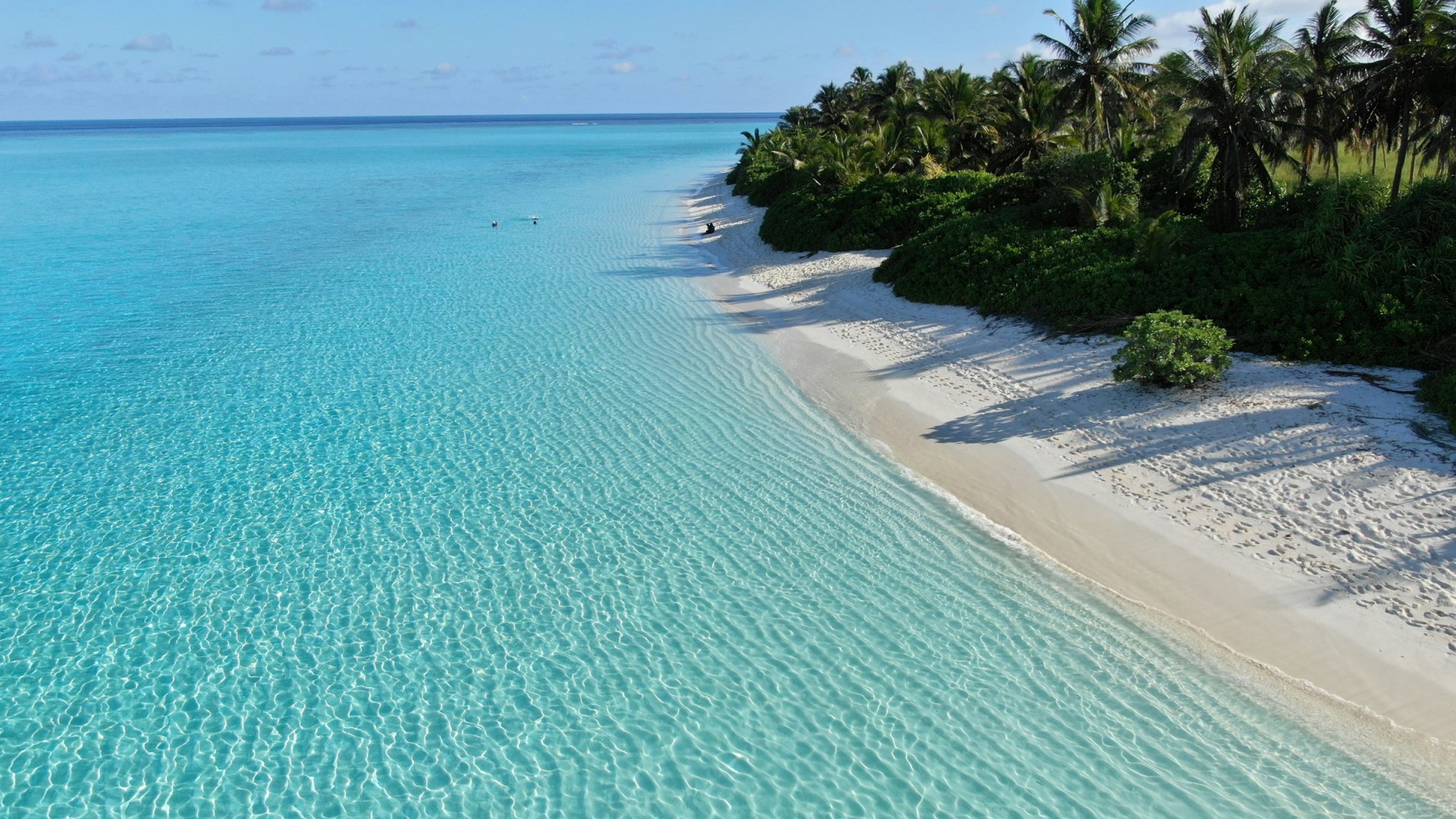
Thoddoo
Thoddoo is a local island in the North Ari Atoll of the Maldives, distinguished by its unusually strong agricultural tradition. While coral reefs, beaches, and lagoons surround the island, much of its interior is covered by productive farmland, with watermelon, papaya, eggplant, chili, drumstick, breadfruit, and other crops cultivated for local consumption and markets. The island’s broad green interior sets it apart from many smaller Maldivian islands where available land is more limited.

Walvis Bay
Walvis Bay, set along Namibia’s Atlantic coast, is a vibrant port town where desert and ocean converge in striking contrast. Once under German and later South African administration, the bay has long been valued for its deep natural harbor, which remains central to Namibia’s fishing and shipping industries today.
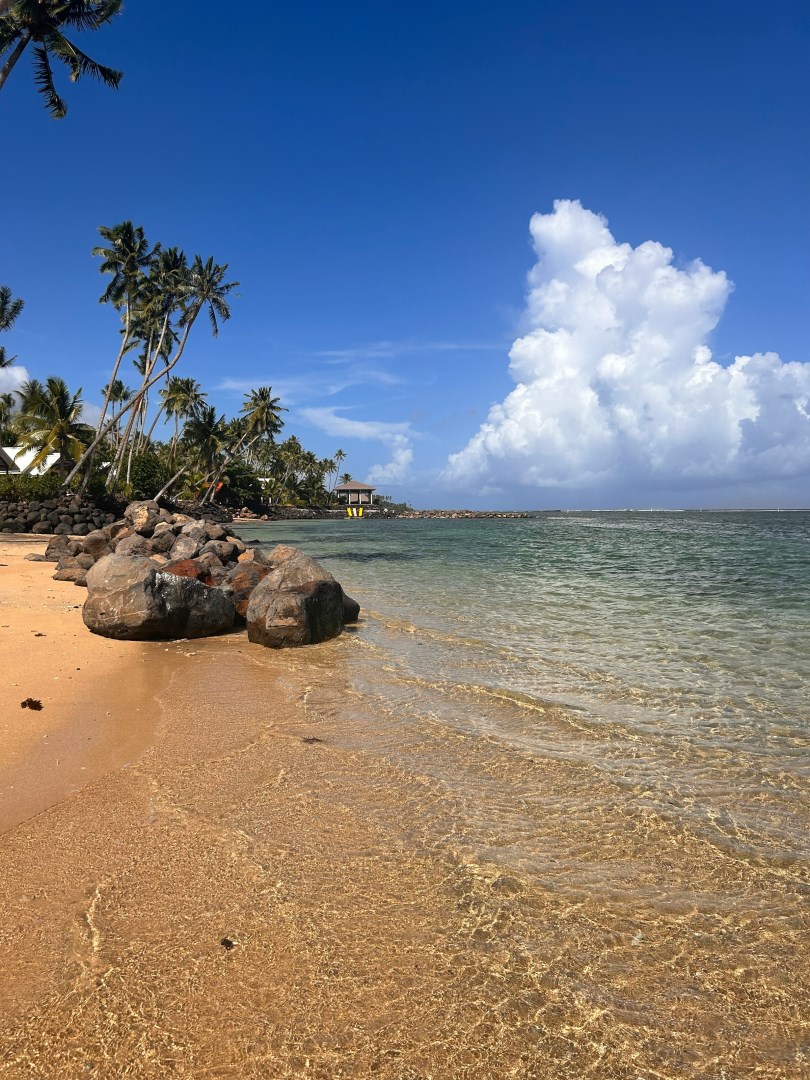
Upolu
Upolu is the more populated of Samoa’s two main islands and is home to Apia, the country’s capital and principal urban center. The island stretches from volcanic mountains in the interior to a deeply indented coastline of bays, beaches, and coral reefs. Lush vegetation covers much of the landscape, with villages, plantations, and gardens occupying the lower slopes and coastal areas.
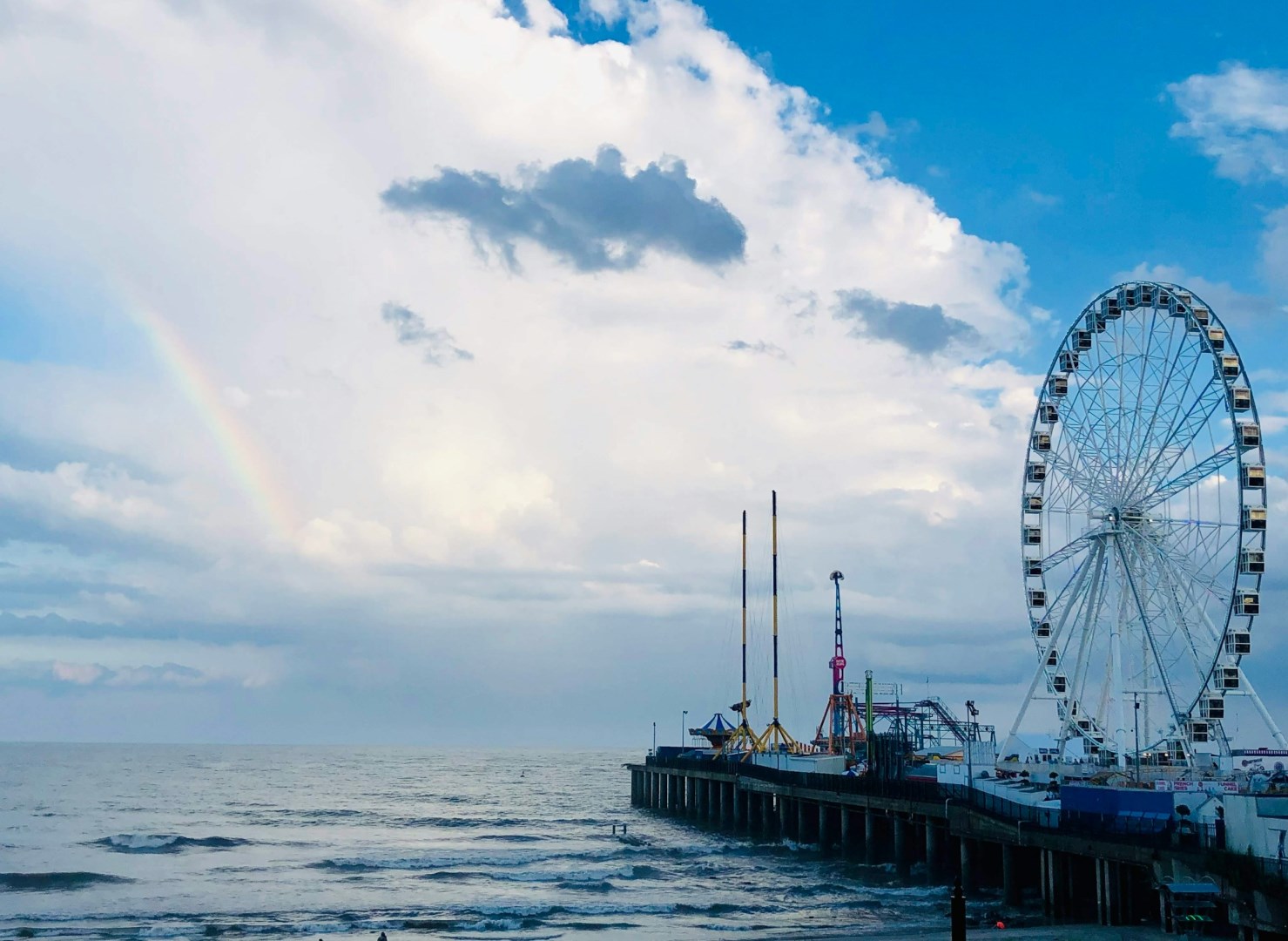
Atlantic City
Atlantic City, New Jersey is more than bright casinos and lively boardwalk, it’s a coastal city with stories stretching back over 150 years. Once a fashionable 19th-century resort town, Atlantic City introduced the first boardwalk in the United States in 1870. Today, it remains the city’s centerpiece, stretching over 5 miles along the beach, lined with shops, arcades, and a mix of vintage charm and modern attractions.
