
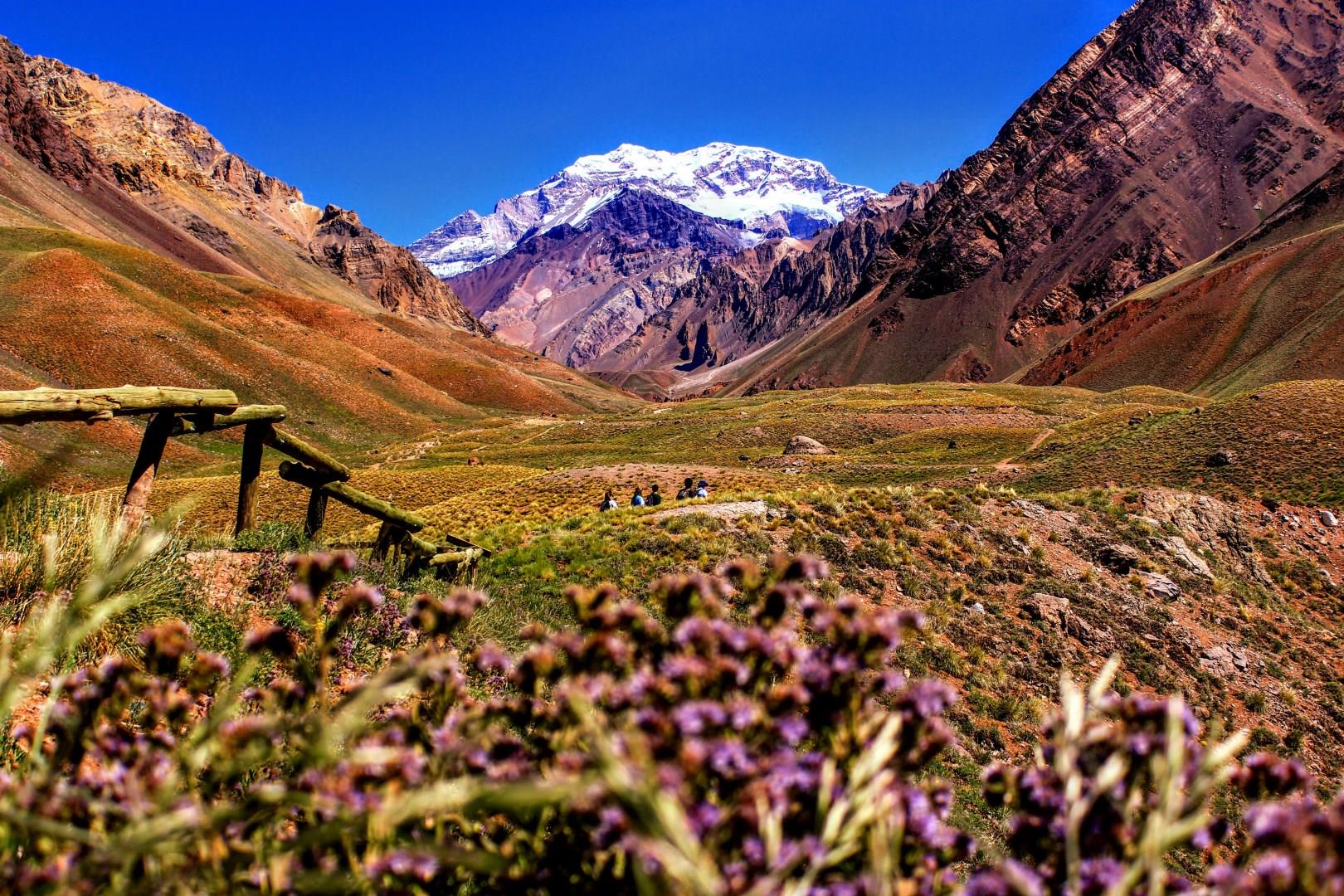
Mendoza
Mendoza sits at the base of the Andes in western Argentina, where sun-drenched plains meet snow-capped peaks.
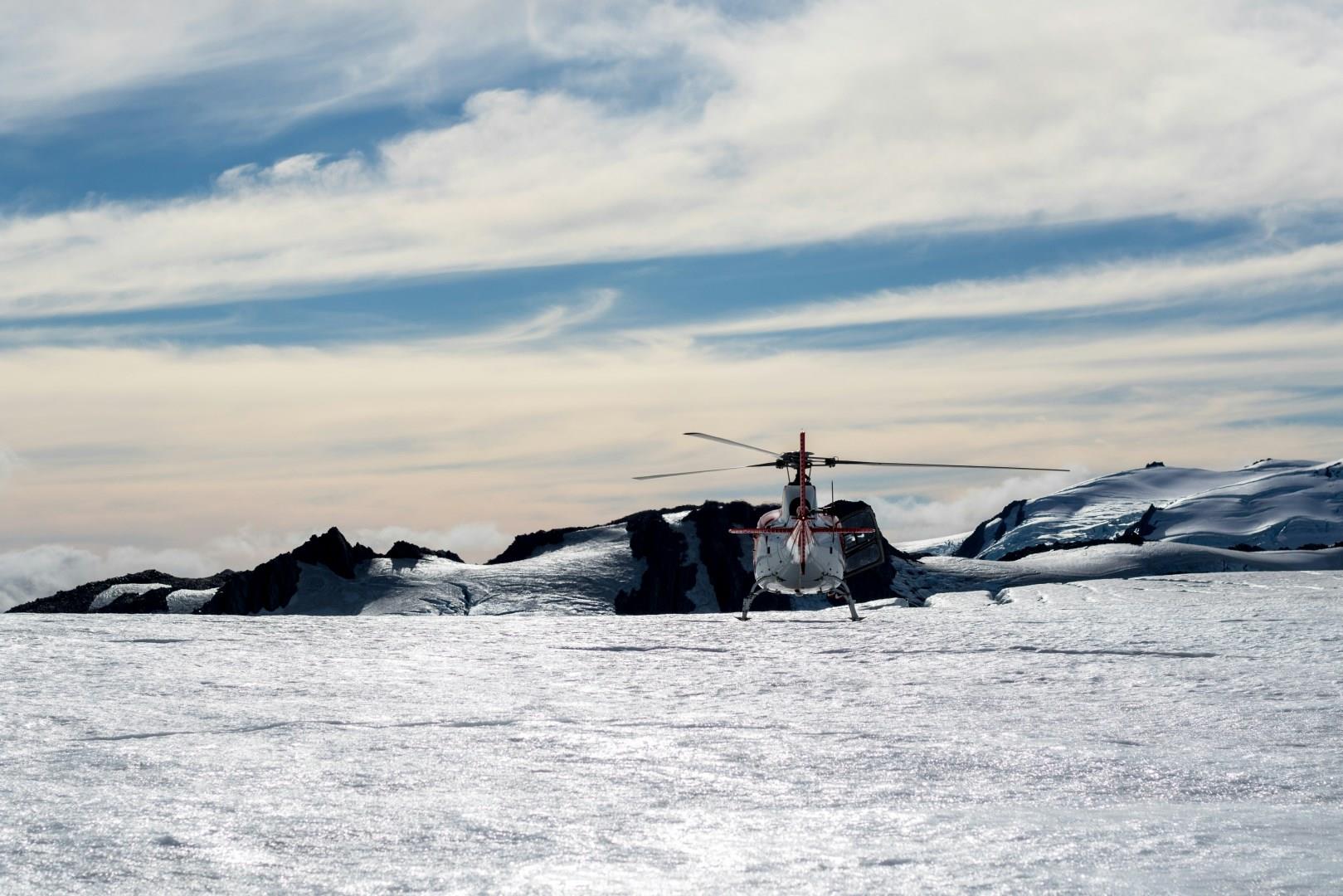
Fox Glacier
Fox Glacier, on New Zealand’s South Island, is one of the country’s most remarkable natural wonders, where icy landscapes meet lush rainforest. Named after Sir William Fox, a 19th-century Prime Minister of New Zealand, the glacier stretches from the high peaks of the Southern Alps down into temperate rainforest.
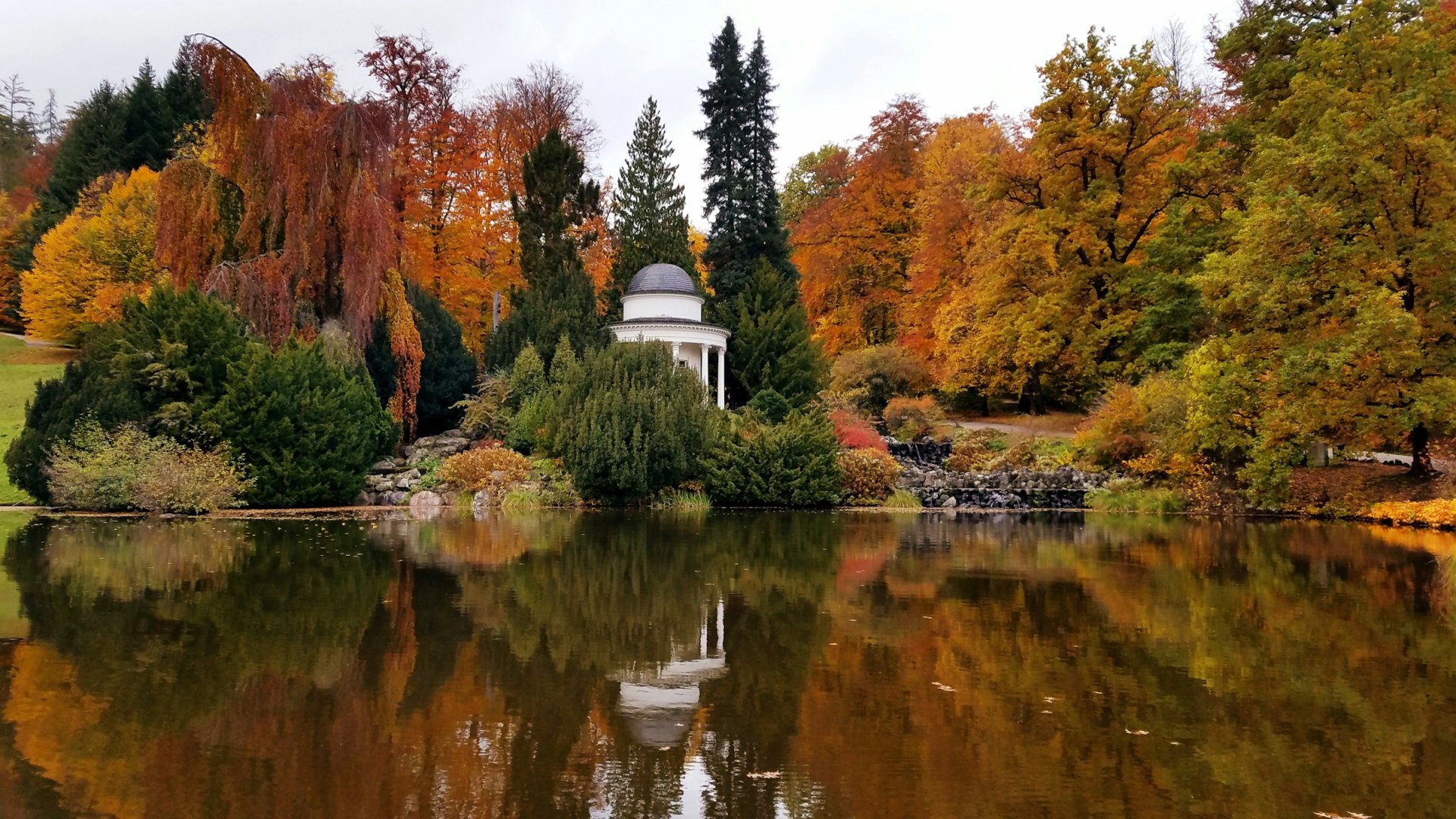
Kassel
Nearly 80% of the city was destroyed in WWII. It is now known for its many museums, including the Museum of Tapestry, the Brothers Grimm Museum and Fredericianum Museum.
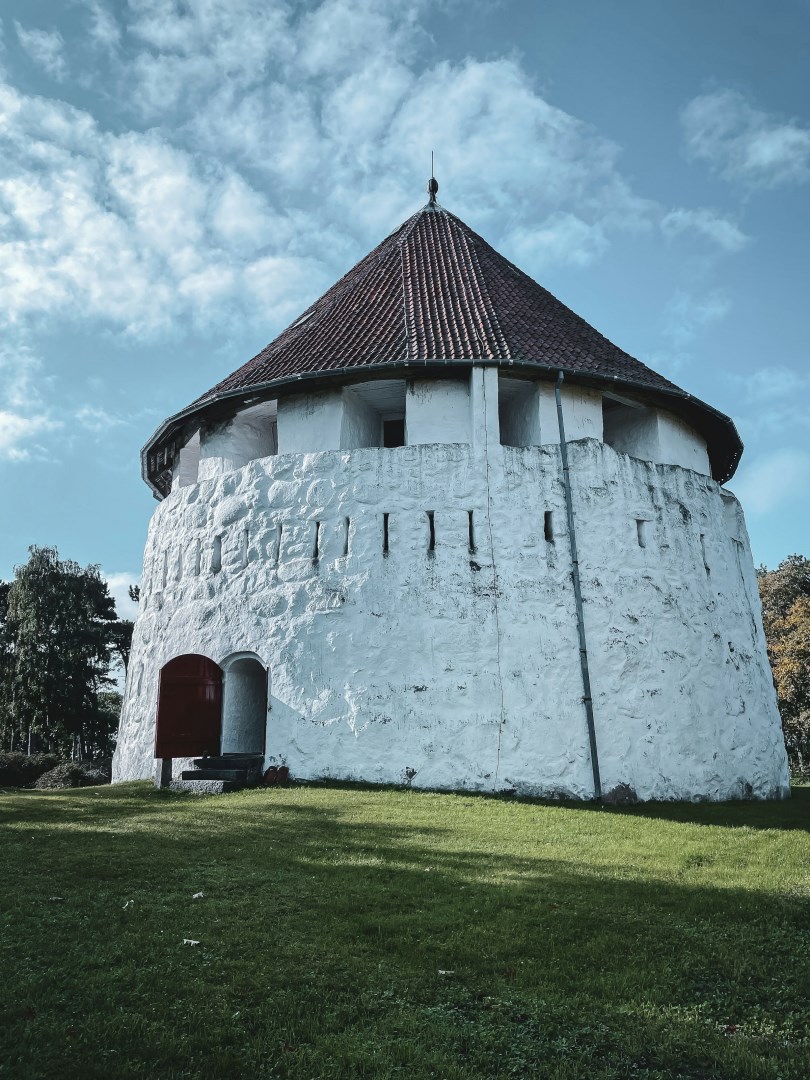
Rønne
Rønne is the largest town on the Danish island of Bornholm, located on the island’s western coast along the Baltic Sea. Its historic center combines narrow streets, low timber-framed houses, and small squares with a working harbor that remains important to local transport and fishing. The town is also a practical starting point for exploring Bornholm, with roads and cycle routes connecting it to the island’s forests, cliffs, beaches, and villages.
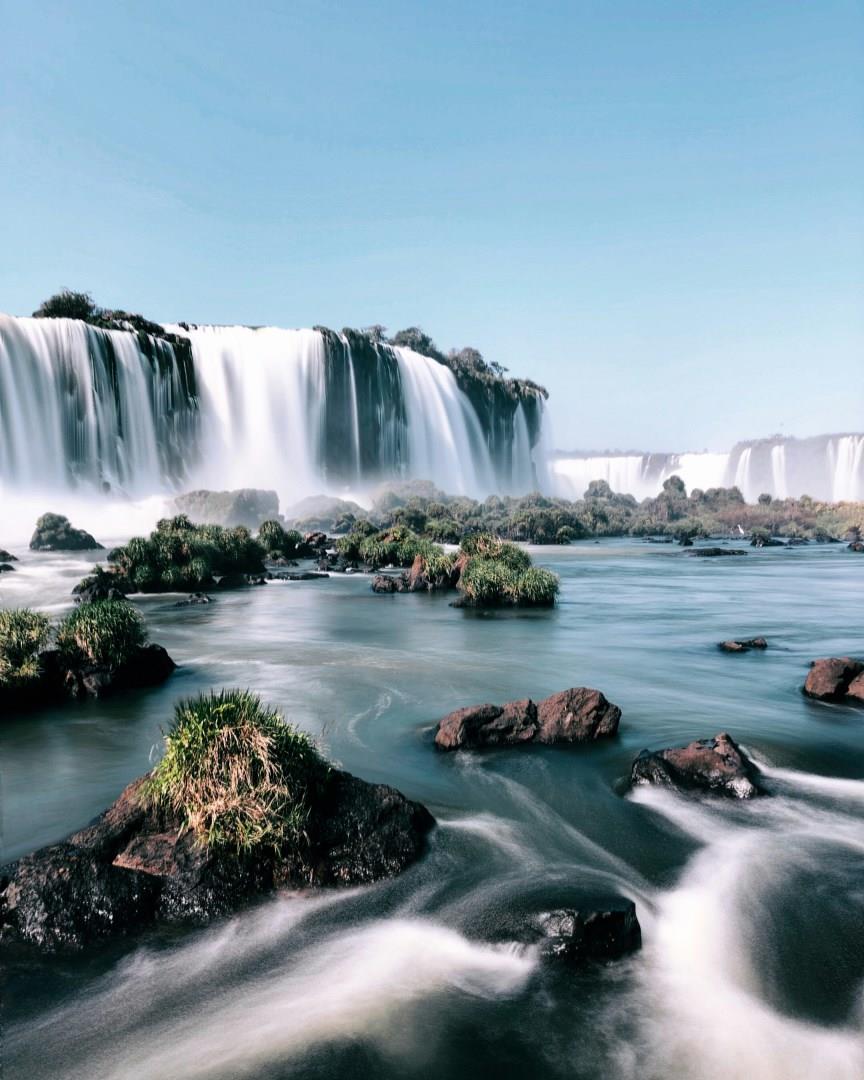
Foz do Iguaçu
Set at the meeting point of Brazil and Argentina, Foz do Iguaçu is defined by the sheer scale of the Iguaçu Falls. Nearly 275 individual waterfalls stretch across close to three kilometers, sending mist into the air and sound echoing through the surrounding forest. Visitors follow raised walkways that bring them face to face with this moving wall of water, culminating at the dramatic Devil’s Throat, a deep, curved drop where the river seems to vanish into the earth.
