
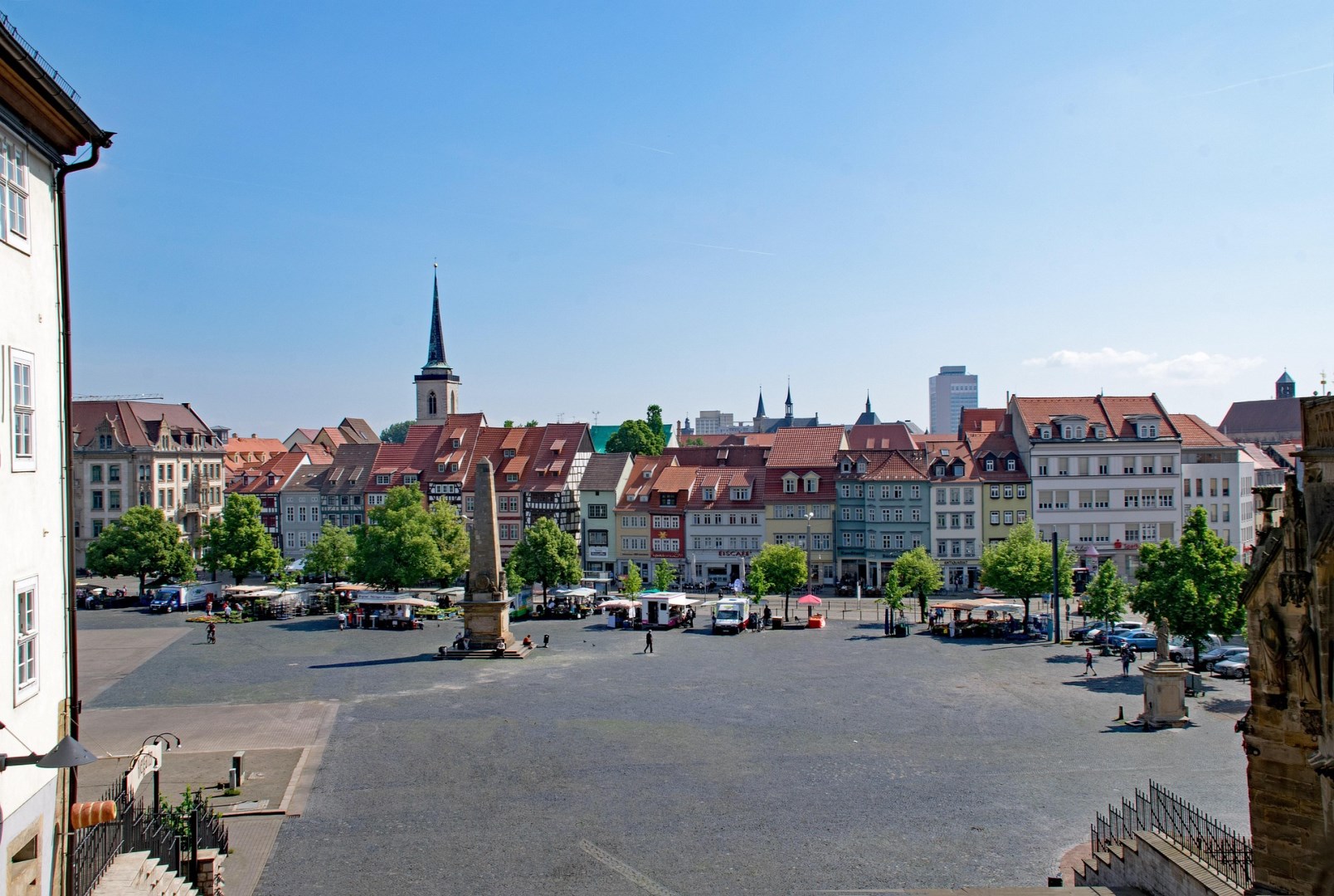
Erfurt
The skyline of Erfurt is shaped by dozens of churches, monasteries, and convents thrusting their pointed steeples upward to the sky. In the Middle Ages, Erfurt was known as "Thuringian Rome" because of its religious orders. The impressive twin churches on the Domberg (Cathedral Hill), the Roman Catholic St. Mary's Cathedral (14th century) and the Roman Catholic Parish church St. Severus with a flight of 70 outdoor steps leading from the Cathedral Square up the hill to the churches.
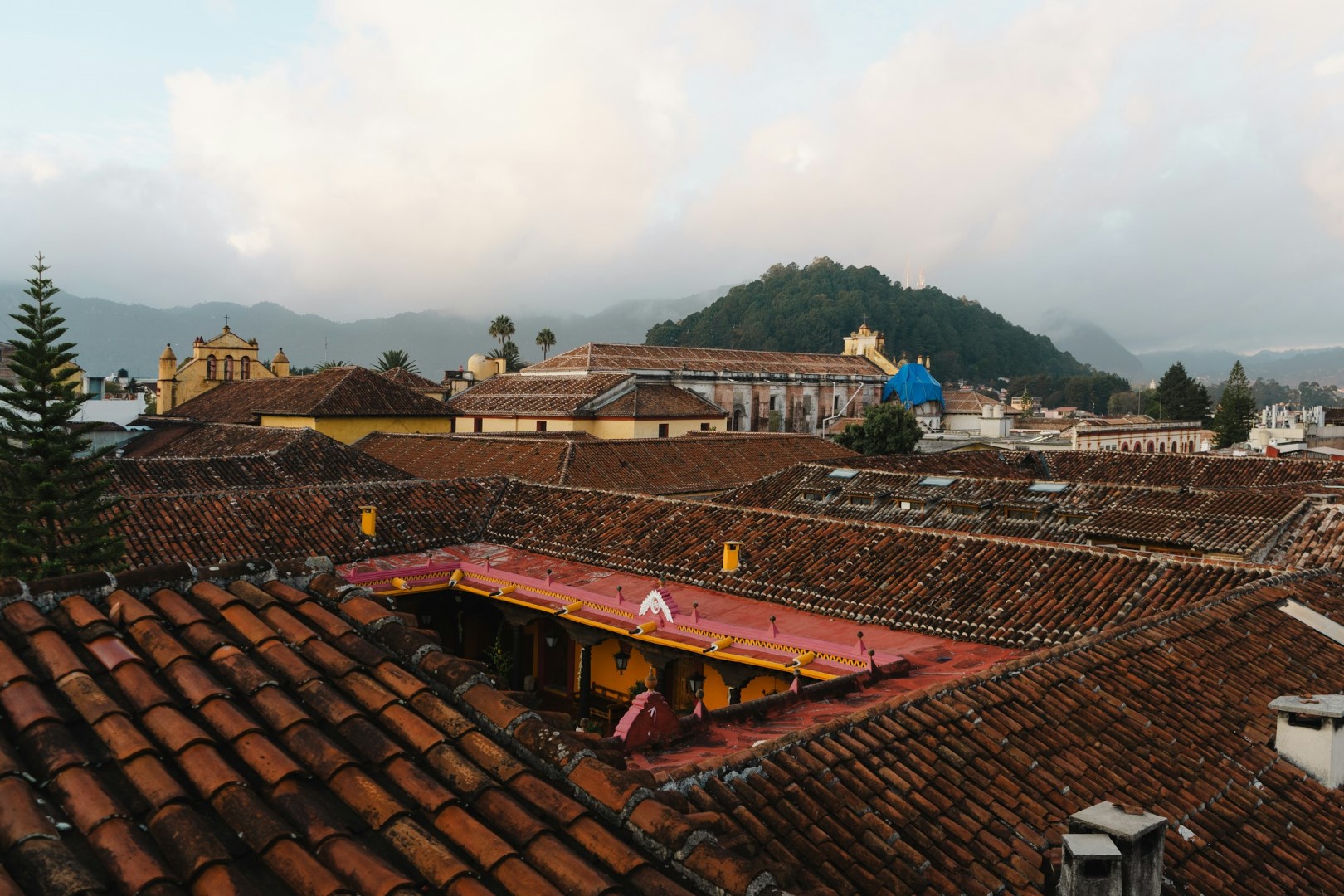
San Cristobal
With its blend of colonial elegance, vibrant indigenous traditions, and stunning natural landscapes, San Cristóbal de las Casas offers a truly immersive travel experience.
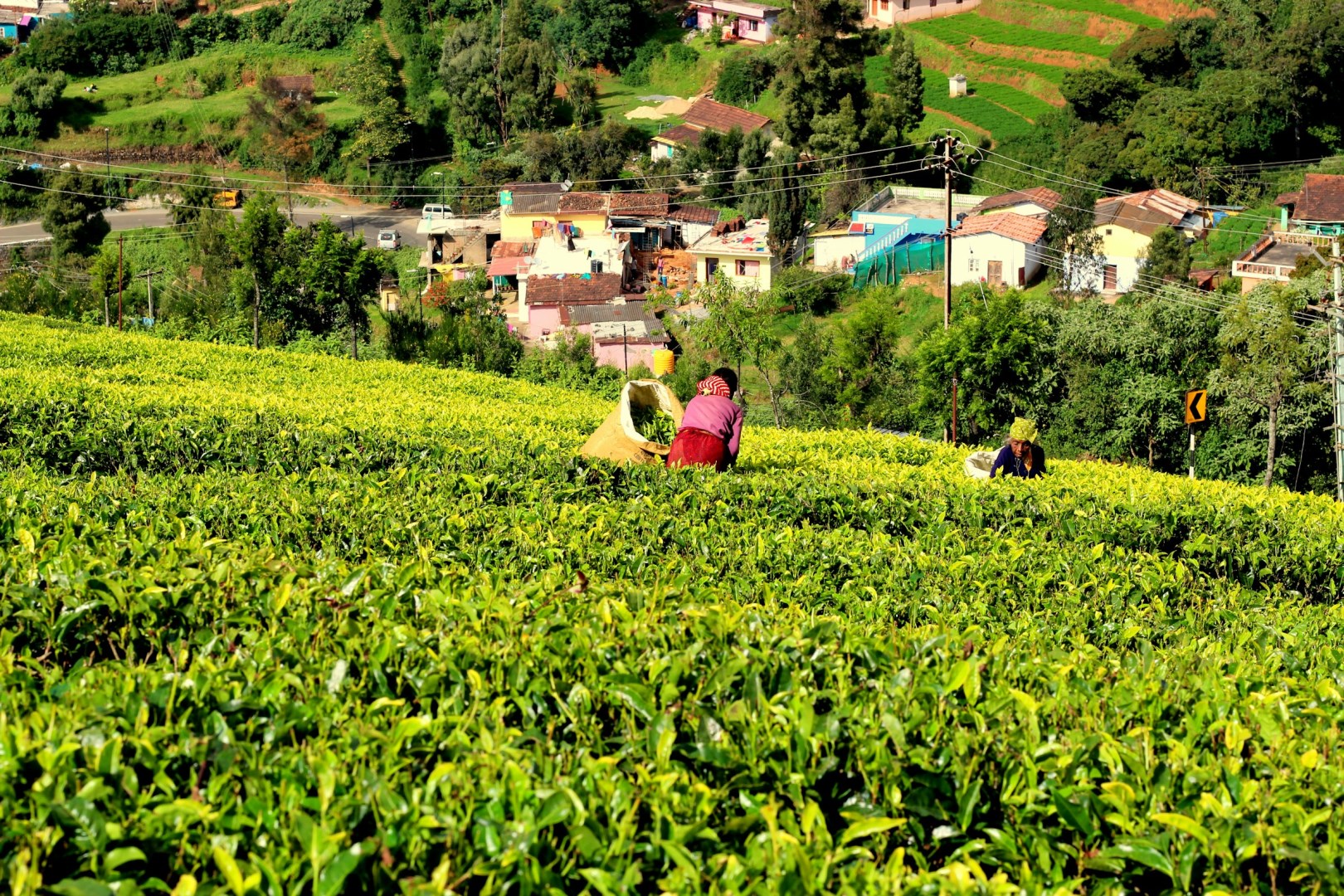
Ooty
Ooty, officially known as Udhagamandalam, is a hill town in Tamil Nadu’s Nilgiri Hills, surrounded by tea estates, eucalyptus-covered slopes, shola vegetation, and rolling mountain scenery. Sitting at more than 2,000 metres above sea level, it has a notably cooler climate than the plains of southern India. The town developed as an important hill settlement and remains the main urban centre of the Nilgiris.
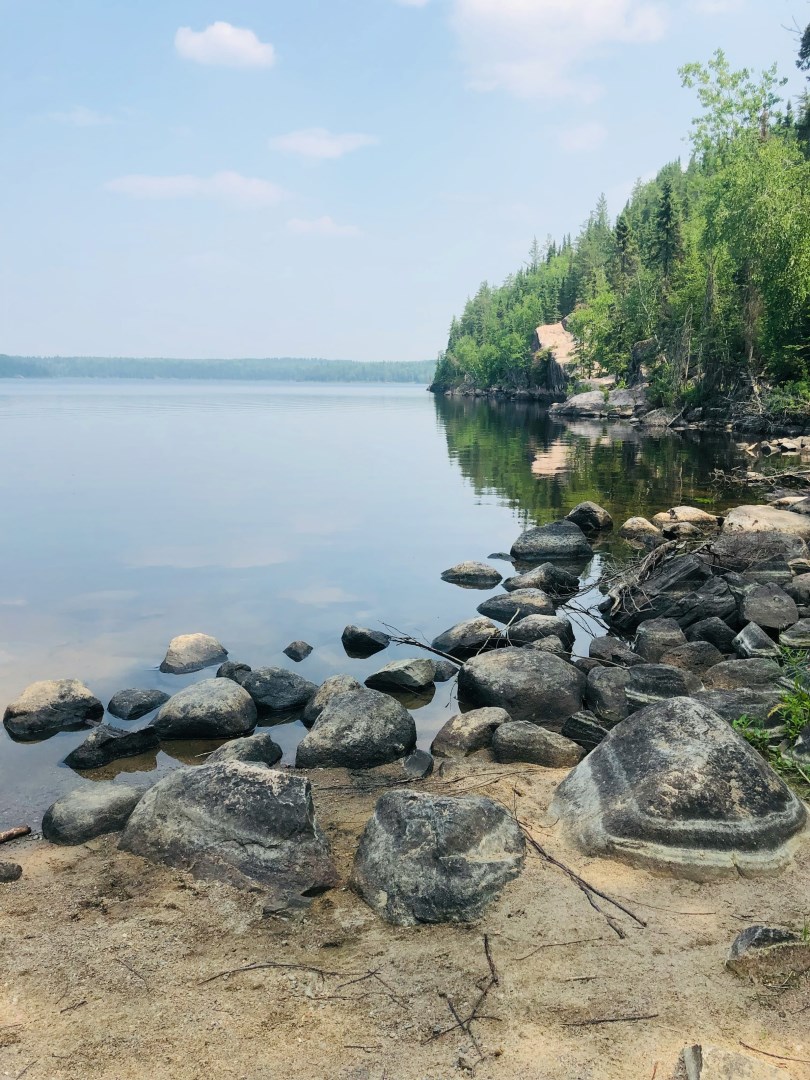
Manitoba
Winnipeg is Manitoba's capital, and its total area equals 250,999 sq. miles. The northern half of the province has dense forests, and mineral-rich soil, while the southern half produces wheat.
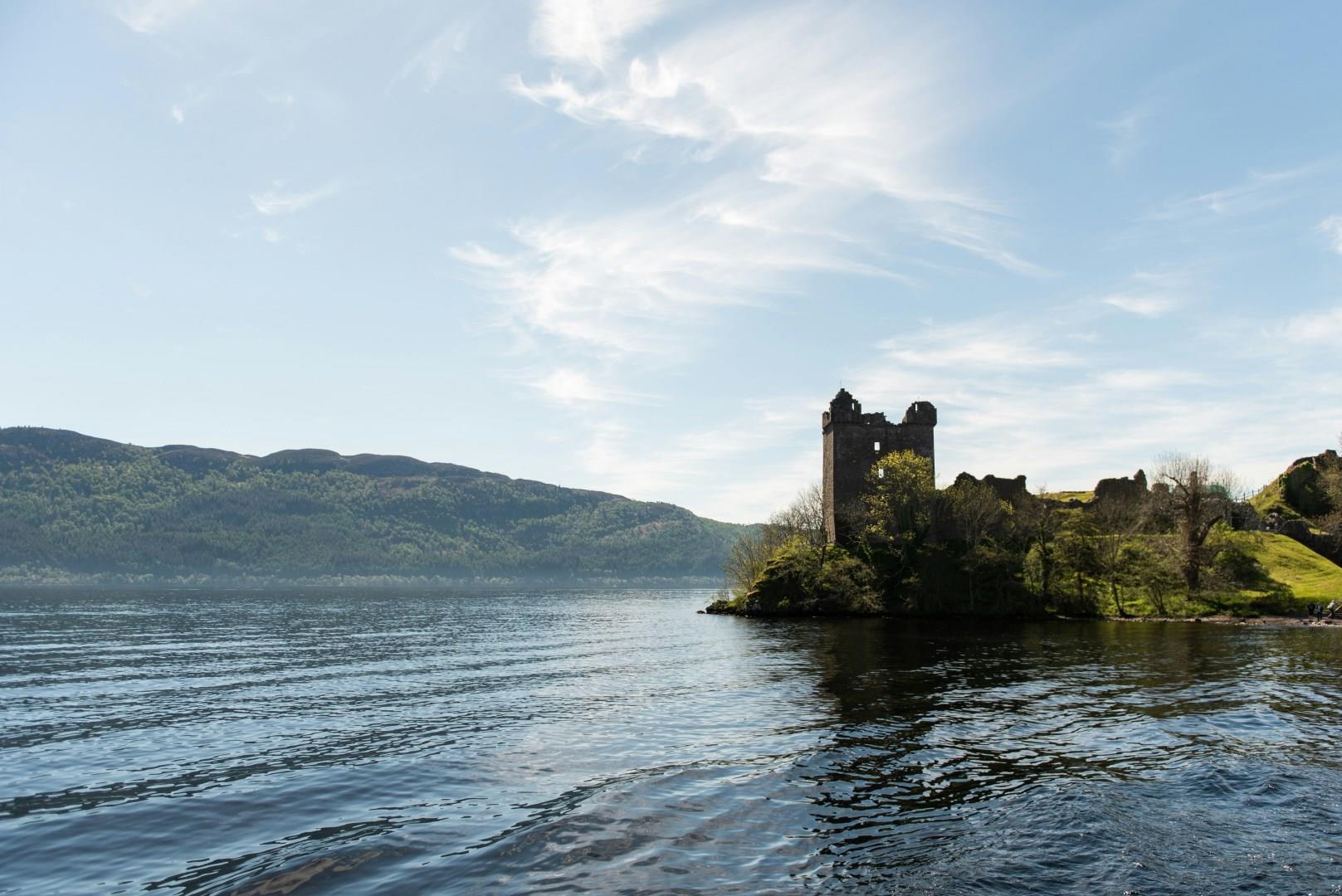
Loch Ness
Loch Ness stretches over 23 miles through the Scottish Highlands, holding more freshwater than all the lakes in England and Wales combined. Best known for its elusive resident, the so-called Loch Ness Monster, the loch has sparked international curiosity since the first modern "sighting" in 1933. While Nessie remains elusive, the surrounding landscape offers clear reasons to visit with steep hillsides, forested trails, and ancient ruins framing one of Scotland’s most iconic bodies of water.
