
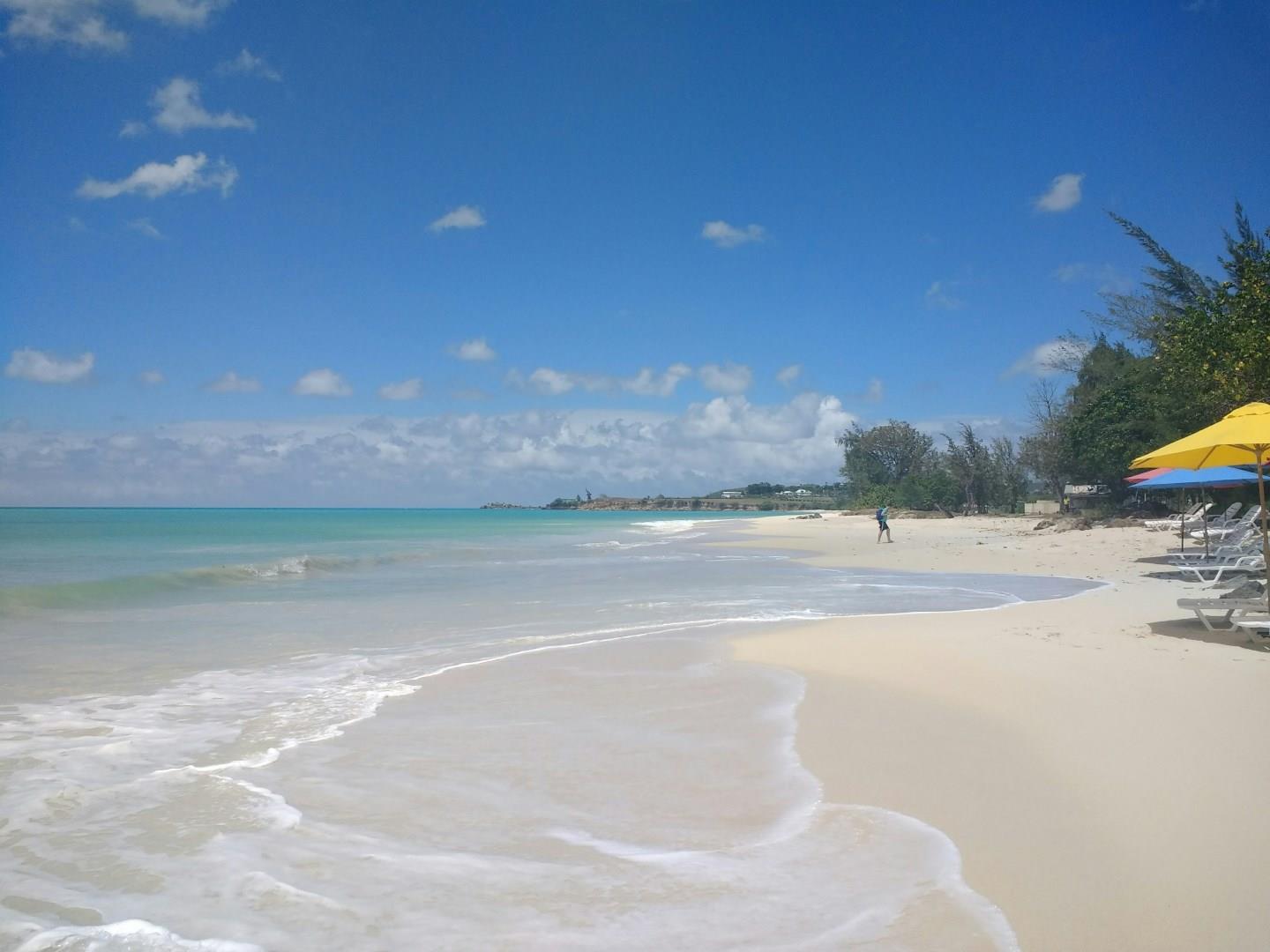
Fort James Beach
Fort James Beach, just outside St. John’s in Antigua, is a long stretch of soft white sand framed by calm, turquoise waters. The beach takes its name from nearby Fort James, a historic 18th-century British stronghold built to guard the harbor.
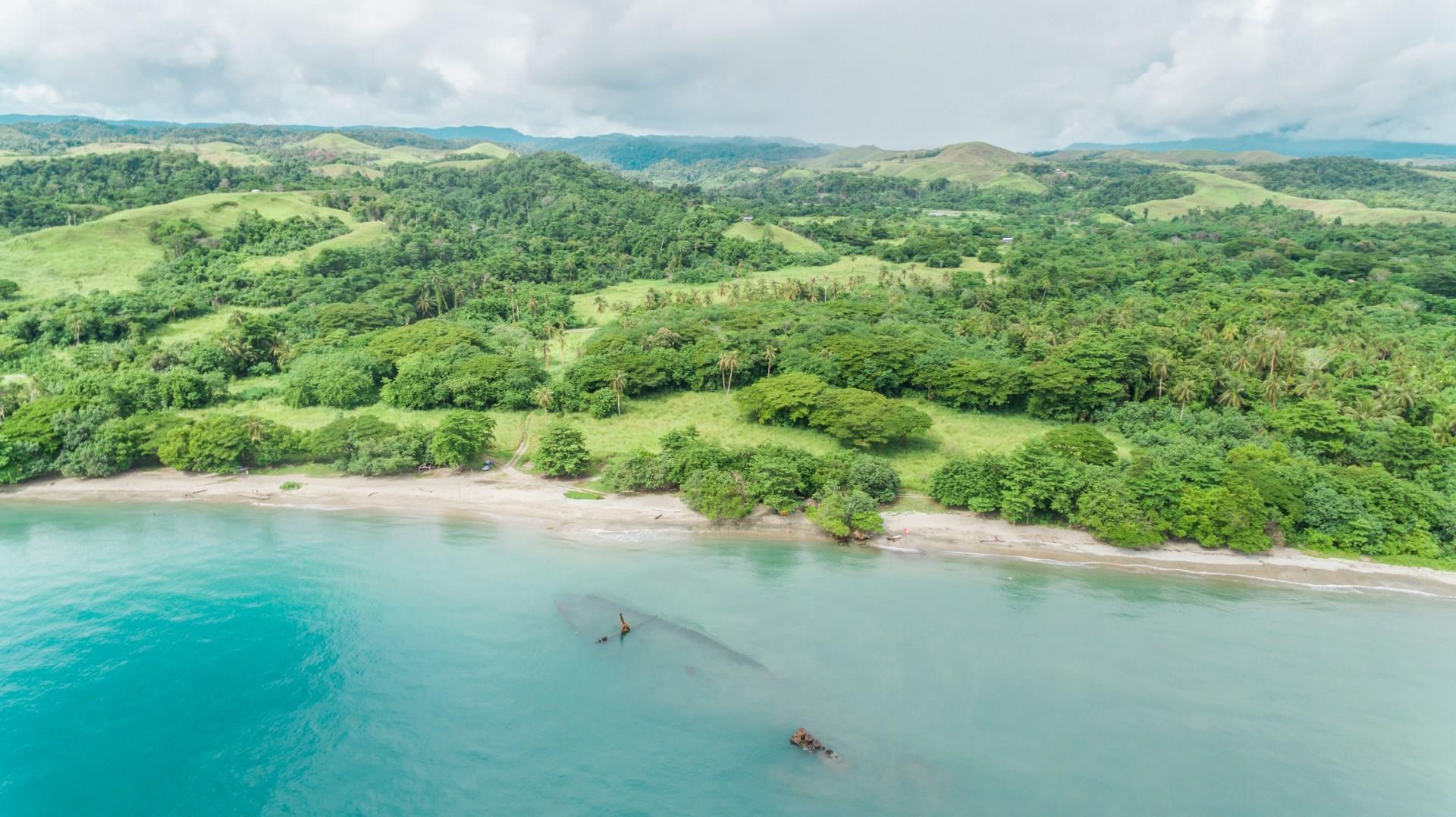
Guadalcanal Island
Guadalcanal, the largest island in the Solomon Islands, offers a captivating blend of history, natural beauty, and vibrant culture. This Pacific paradise is most famously known as the site of a pivotal World War II battle, where Allied forces fought fiercely against Japanese troops. Visitors can explore this rich history at the Vilu War Museum, which houses relics, artifacts, and memorials that bring the island's past to life.

Xi'an
Xi’an, located in central China’s Shaanxi Province, served as the starting point of the ancient Silk Road and was the capital of 13 imperial dynasties. Its long history is most famously represented by the Terracotta Army, an underground army of life-sized warriors discovered in 1974. Each figure has distinct facial features, hairstyles, and armor, designed to protect Emperor Qin Shi Huang in the afterlife.

Norway
Norway offers a landscape shaped by glaciers, framed by fjords, and steeped in Viking history. The country's coastline stretches for over 100,000 kilometers if you count every inlet and island, which makes it one of the longest in the world. Travelers can take a ferry through the Geirangerfjord or cruise along the Lofoten Islands, where steep mountain peaks rise dramatically from the sea. These routes aren’t just scenic; they’ve been lifelines for coastal communities for centuries.

Poland
Poland offers a layered and often surprising experience shaped by centuries of resilience and creativity. From the cobbled lanes of Kraków’s Old Town to the post-industrial art scenes in Łódź, the country moves comfortably between tradition and reinvention.
