
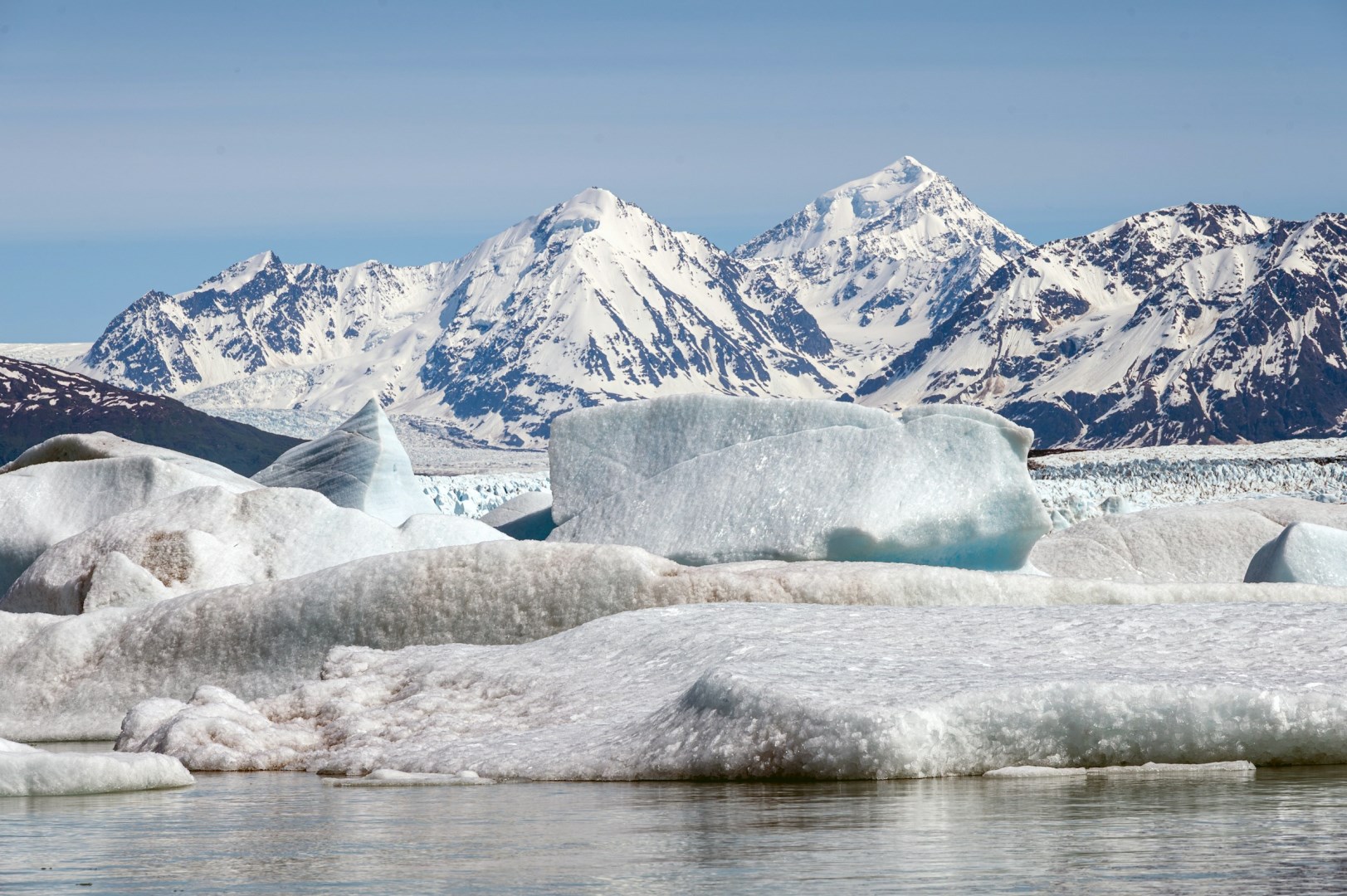
Chugach National Forest
Chugach National Forest covers a vast area of south-central Alaska, stretching from the Kenai Peninsula across Prince William Sound and into the Copper River region. It is one of the largest national forests in the United States and contains a varied landscape of mountains, glaciers, coastal fjords, rivers, wetlands, and dense spruce and hemlock forests.
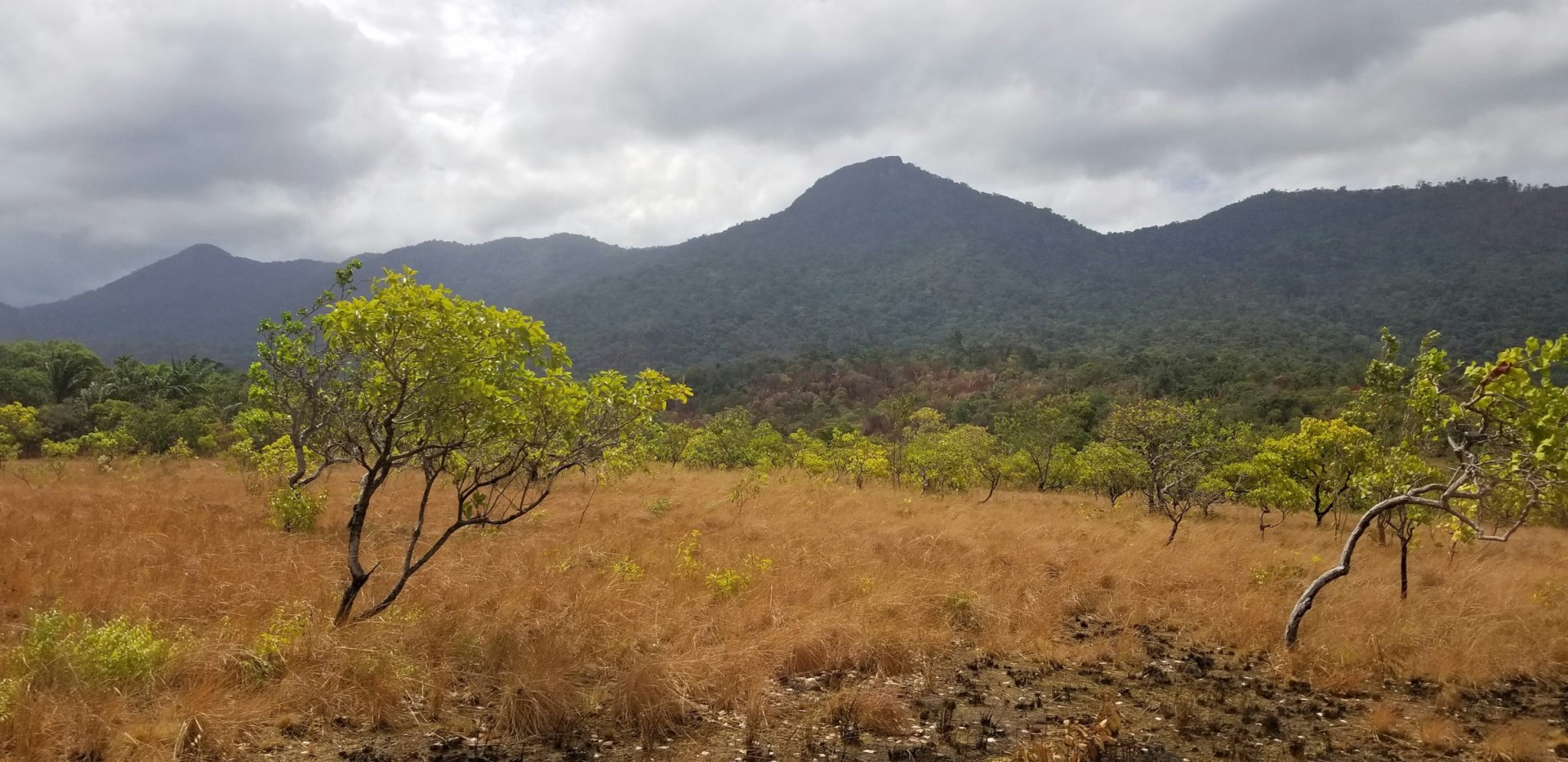
Guyana
Guyana, perched on South America’s northern coast, is often overlooked by mass tourism, but those who venture here quickly discover a country defined by its wild landscapes and strong cultural identity. As the only English-speaking country on the continent, it offers travelers a smoother entry into South America while maintaining a distinct Caribbean rhythm.
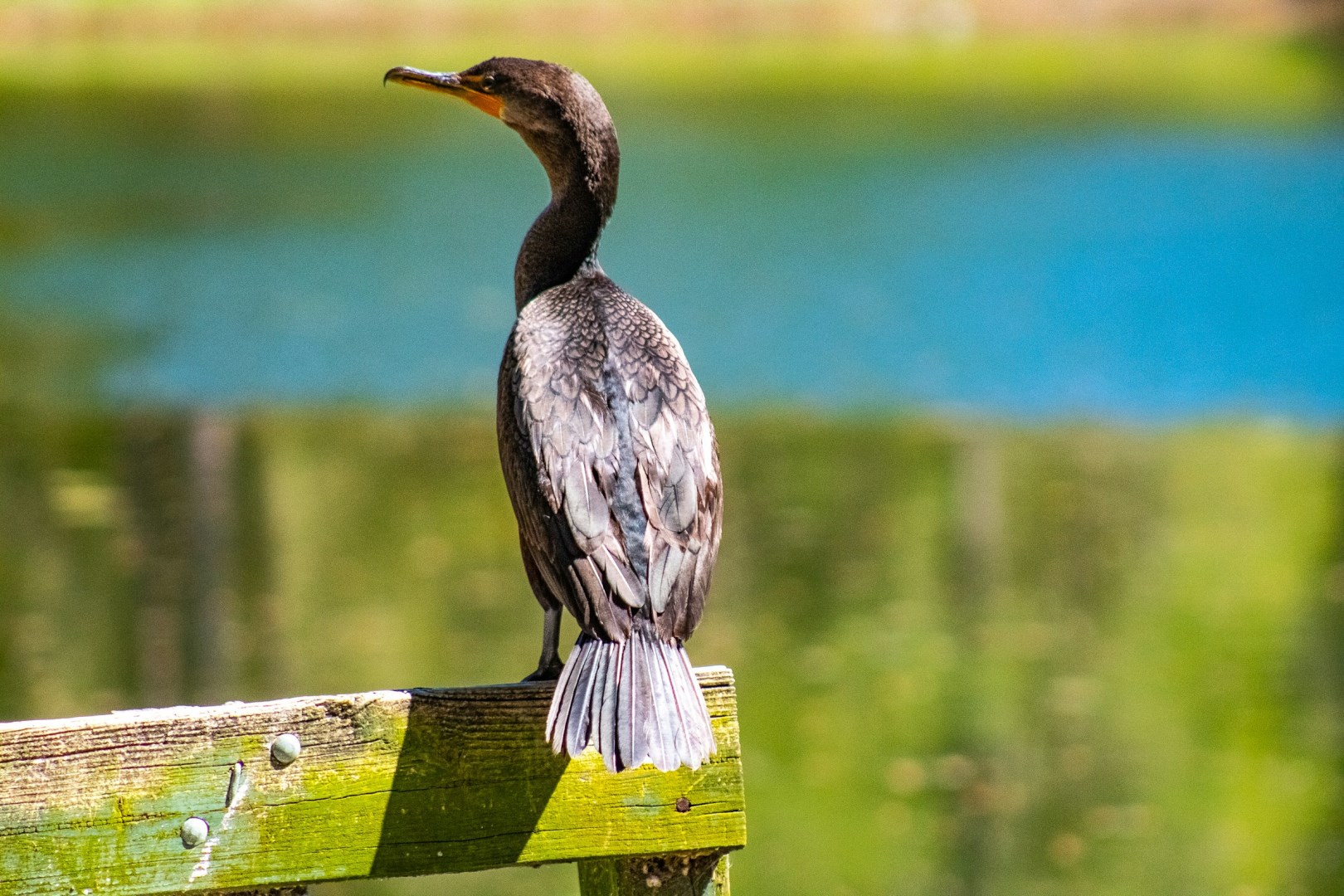
South Carolina
South Carolina draws travelers in with its layers of history, distinctive regional flavors, and landscapes that range from quiet marshes to mountain trails. In Charleston, cobblestone streets wind past antebellum homes and hidden courtyards. Beaufort, tucked along the Intracoastal Waterway, charms visitors with moss-draped oaks, shrimp boats, and preserved architecture that has earned it comparisons to a living movie set and was indeed, where several films, including *Forrest Gump*, were filmed.
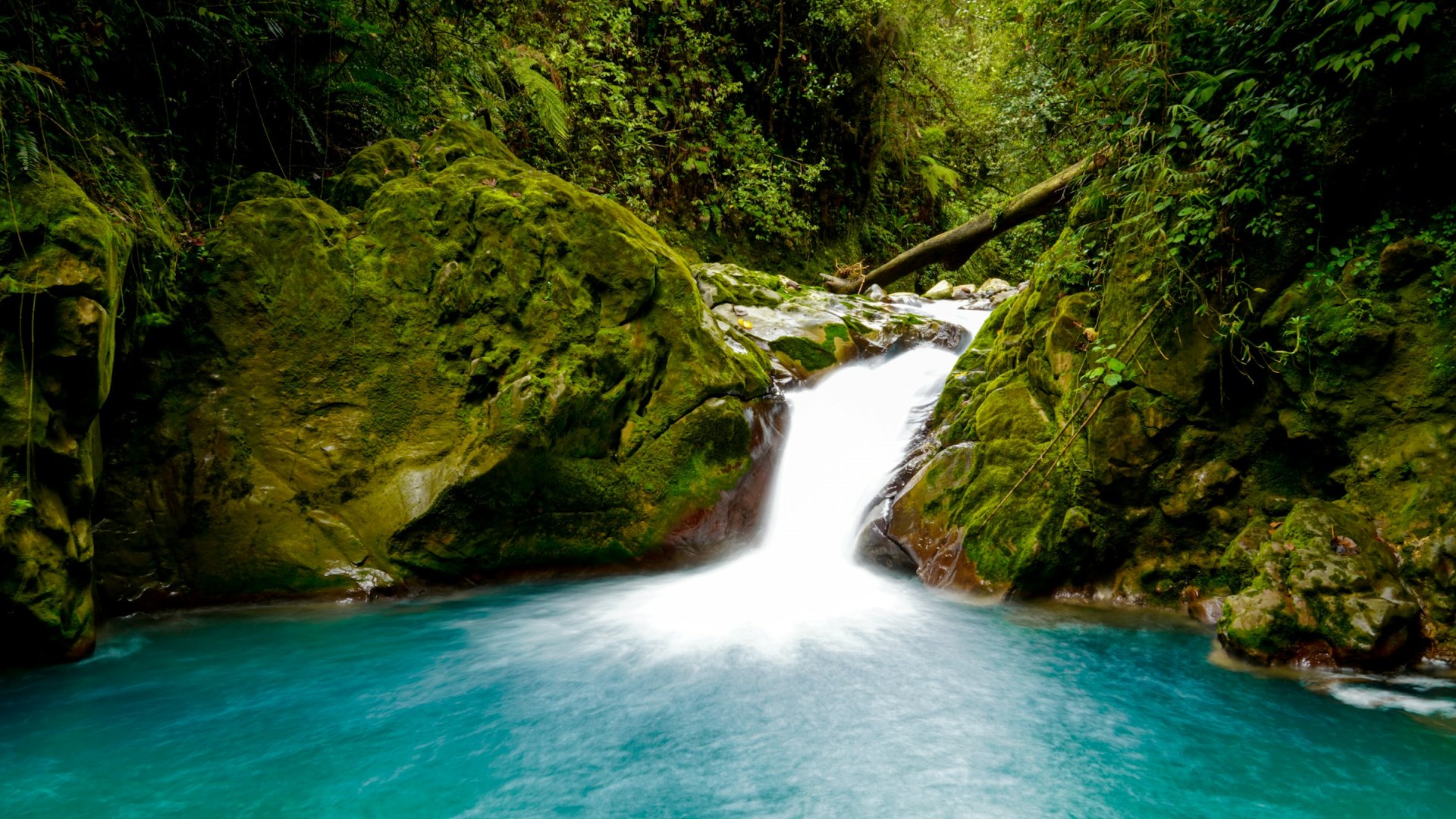
Bajos del Toro
Bajos del Toro is a small mountain community in Alajuela Province, set in a highland valley between Poás Volcano and the Juan Castro Blanco National Park area. The region is known for its cool climate, forested slopes, rivers, and concentration of waterfalls. Its rural landscape includes farms, pastures, wooded hills, and small settlements connected by winding roads.
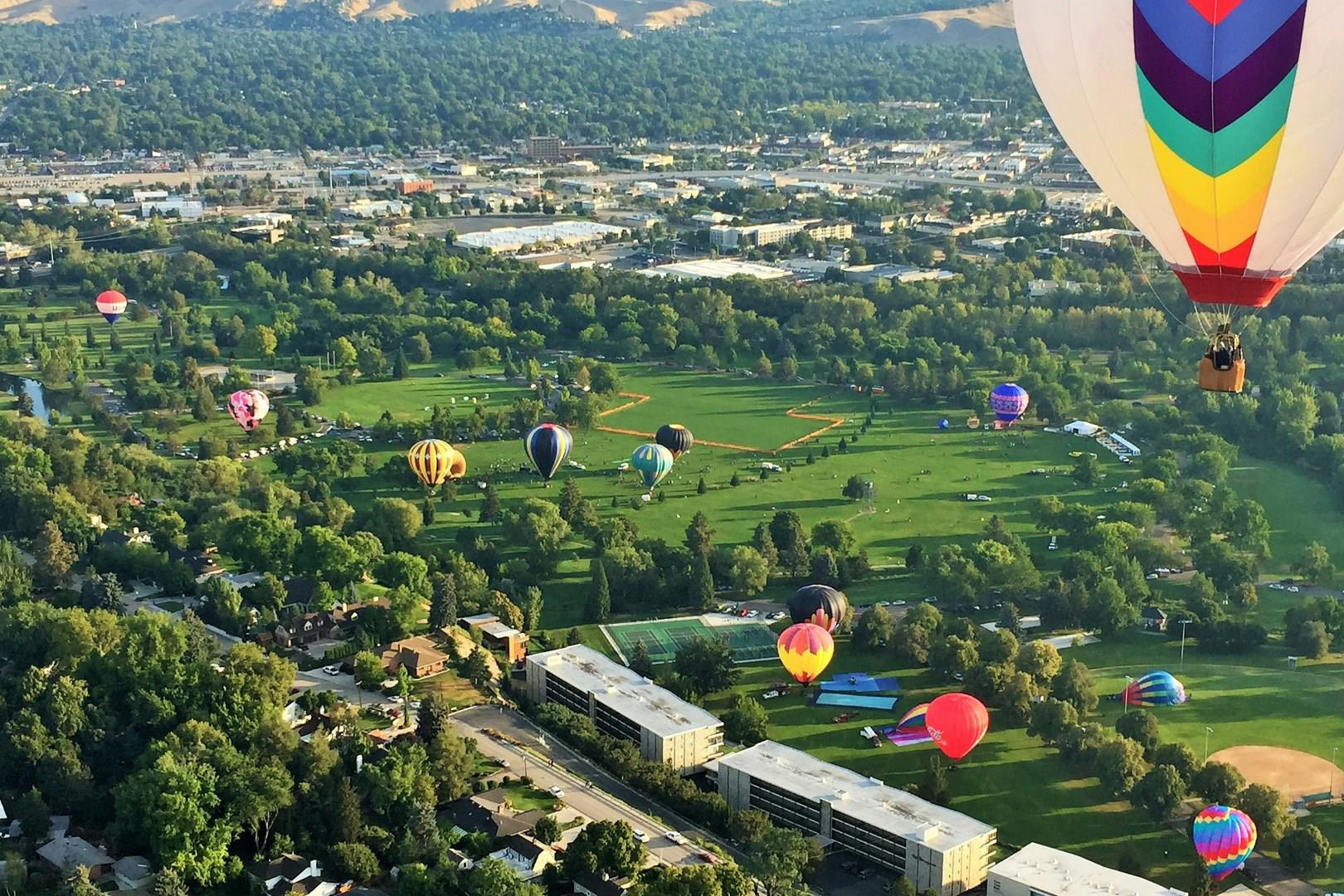
Boise
Boise, Idaho, often surprises first-time visitors with its dynamic mix of western history, creative culture, and easy access to outdoor experiences. Nestled at the base of the Boise Foothills, the city has grown from a 19th-century outpost into a capital city with a distinctly independent spirit. The downtown core is walkable and welcoming, where historic buildings now house coffee shops, craft breweries, and local boutiques.
