
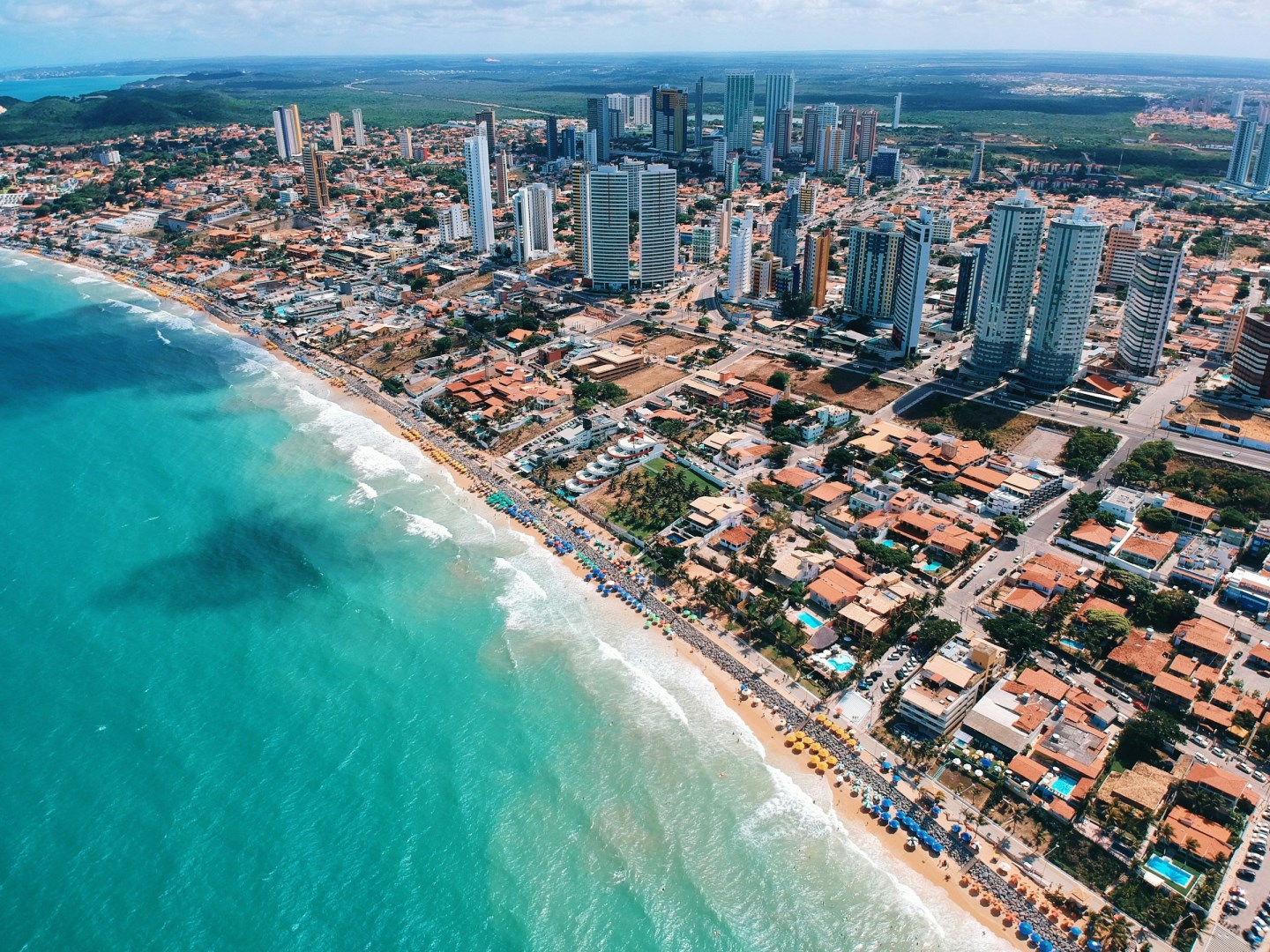
Natal
Thanks to the implementation of a coastal highway in the 1980s and the government's subsequent infrastructure investments, Natal is now the largest city in Brazil's Rio Grande do Norte. Visitors are drawn to its beautiful beaches, white sand dunes and a diverse cultural experience. The city also lays claim to having some of the cleanest air on the continent as well as the world's largest cashew tree, the Cajueiro de Pirangi, which produces roughly 70,000 nuts annually.
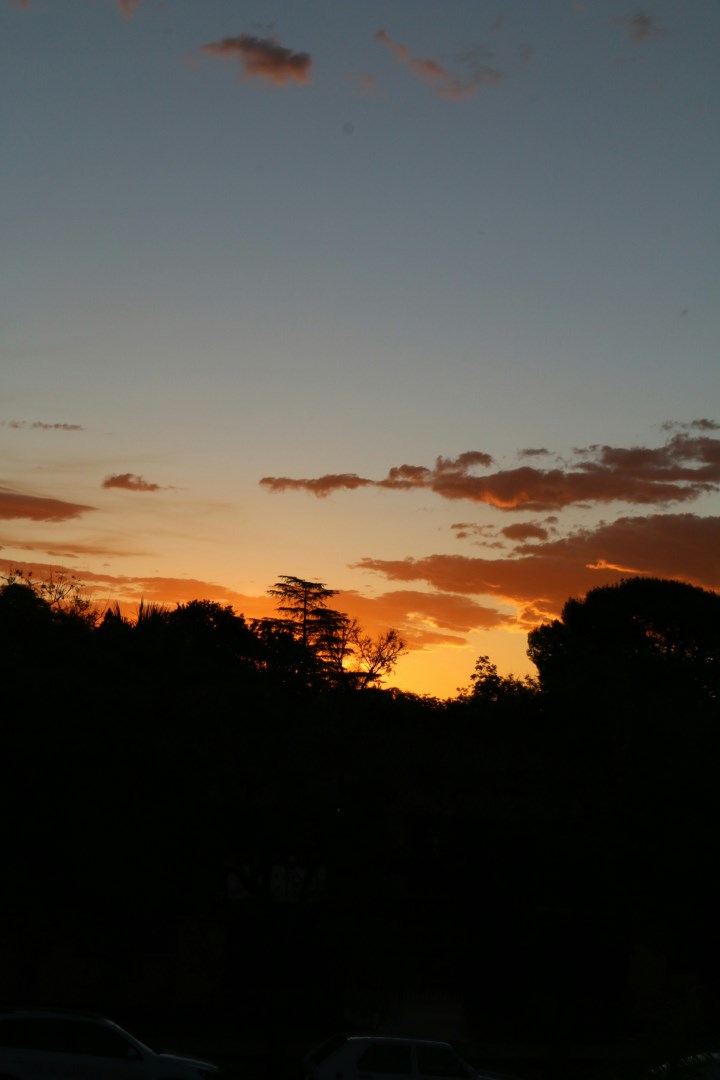
Kimberley
Kimberley is a city in South Africa’s Northern Cape province, known for its strong connection to diamond mining. It stands on a semi-arid plateau, where wide skies and dry landscapes shape daily life.

Spain
Spain offers a wide range of experiences shaped by centuries of layered history and regional diversity. From the Moorish palaces of Andalusia to the Roman aqueduct in Segovia and the Gaudí-designed landmarks of Barcelona, each city reflects a different chapter in Spain’s past. In Granada, the Alhambra still stands as a masterpiece of Islamic architecture, with detailed carvings, hidden courtyards, and panoramic views of the Sierra Nevada mountains.
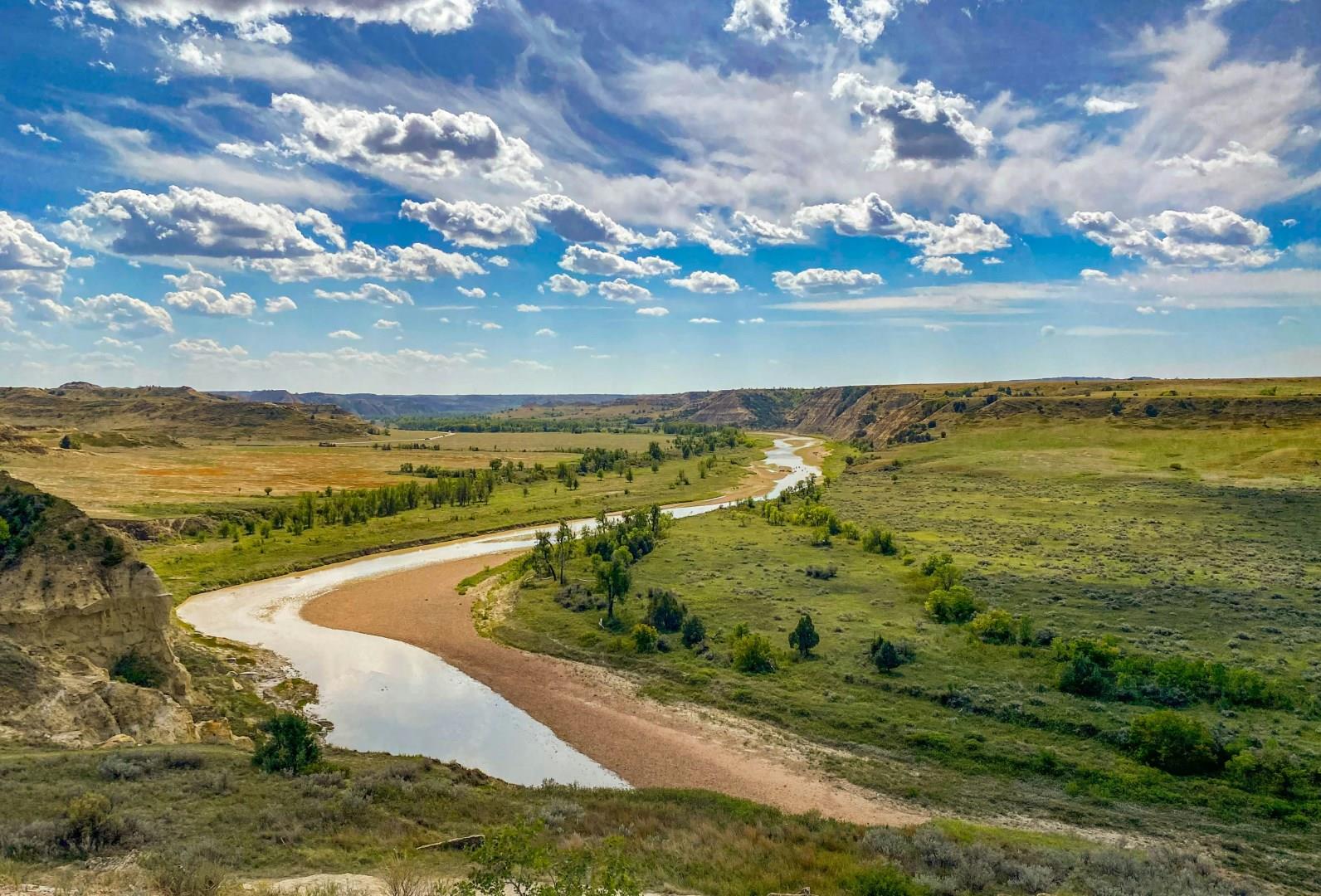
Theodore Roosevelt National Park
Theodore Roosevelt National Park, tucked into the rugged badlands of western North Dakota is where a young Theodore Roosevelt came to recover after the loss of his wife and mother in the same day. He bought a ranch, rode the open plains, and found the resolve that would later define his presidency. Today, the park named in his honor preserves that same wild spirit. Visitors can still see Roosevelt’s original Maltese Cross Cabin near the park's entrance and walk trails he once rode on horseback.
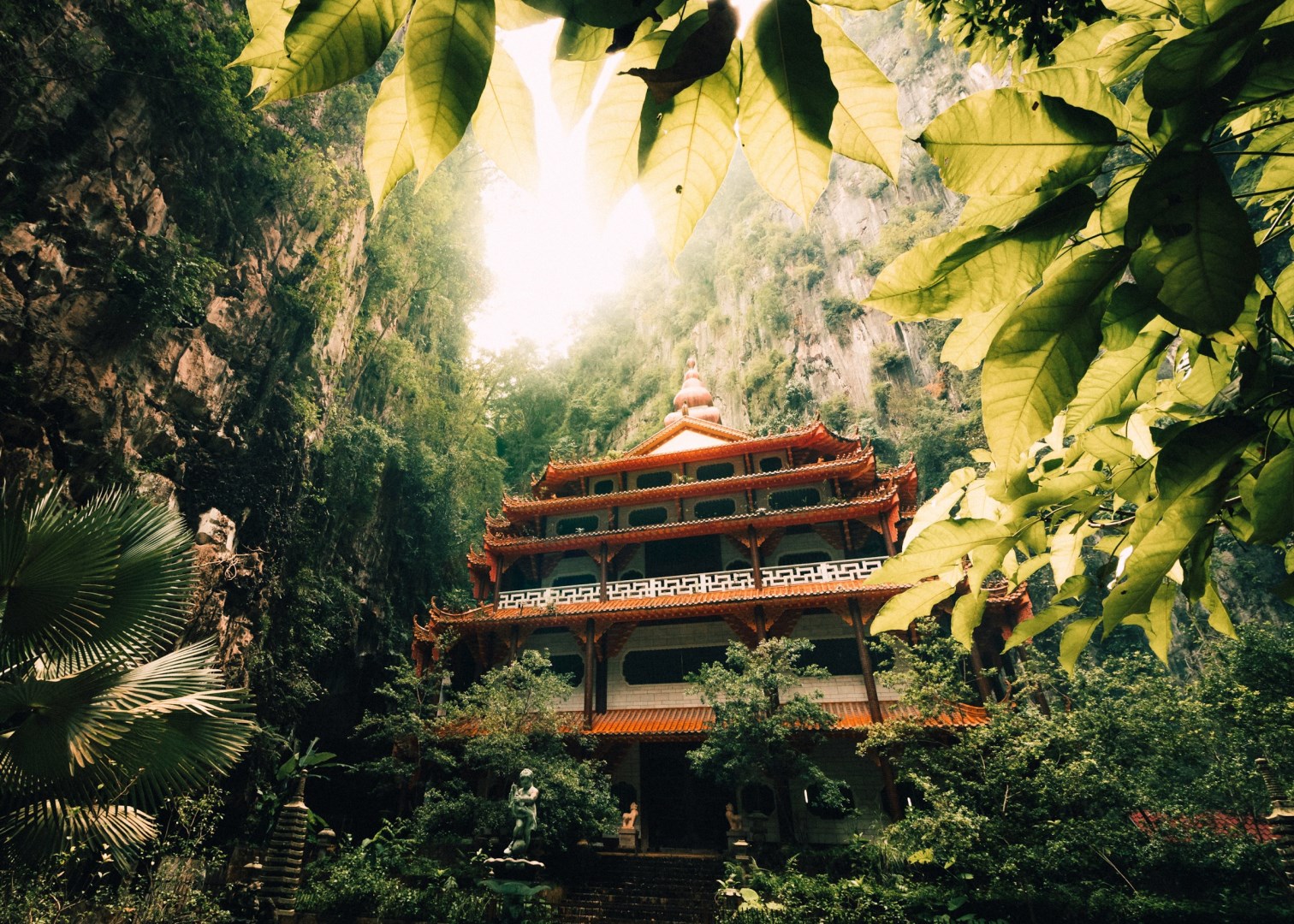
Ipoh
Ipoh is the capital of Perak in northwestern Peninsular Malaysia, surrounded by limestone hills and a landscape shaped by the Kinta Valley. The city developed as a major center for tin mining, and remnants of that period remain visible in its historic buildings, streets, and former mining areas.
