
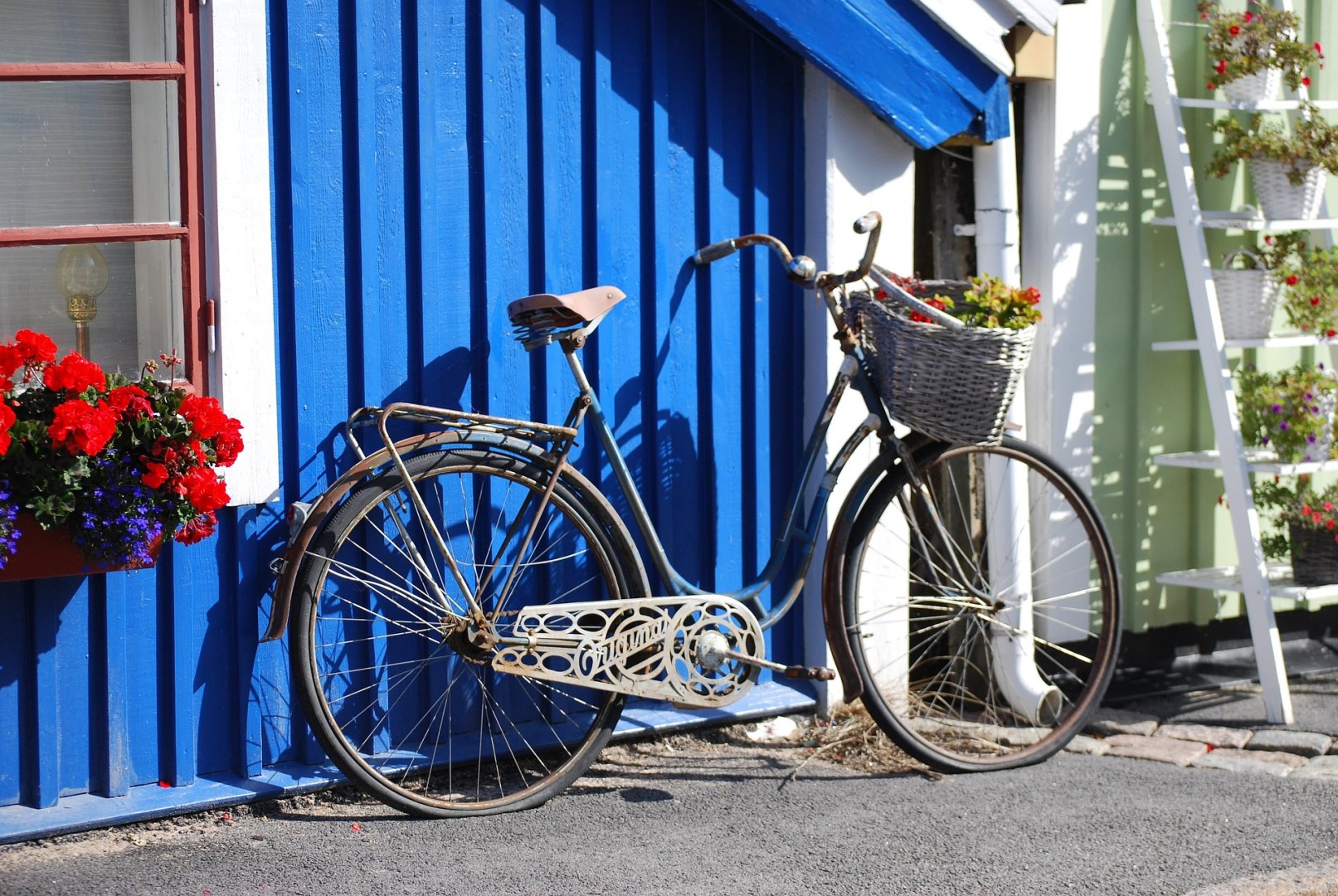
Karlskrona
Karlskrona is a coastal city in southeastern Sweden, spread across islands and peninsulas in the Blekinge archipelago. Founded as a naval base, it was carefully planned around the needs of Sweden’s fleet, and its historic naval environment remains central to the city’s identity. The central island of Trossö contains the main urban district, while nearby islands and waterfronts provide a close connection to the Baltic Sea.

La Digue
La Digue, the fourth-largest island in the Seychelles, offers a quintessential tropical paradise experience. Known for its idyllic beaches and charming laid-back atmosphere, La Digue is a haven for nature lovers and those seeking a serene escape. The island’s most iconic beach, Anse Source d'Argent, is renowned for its stunning granite boulders and crystal-clear waters, making it one of the most photographed beaches in the world.
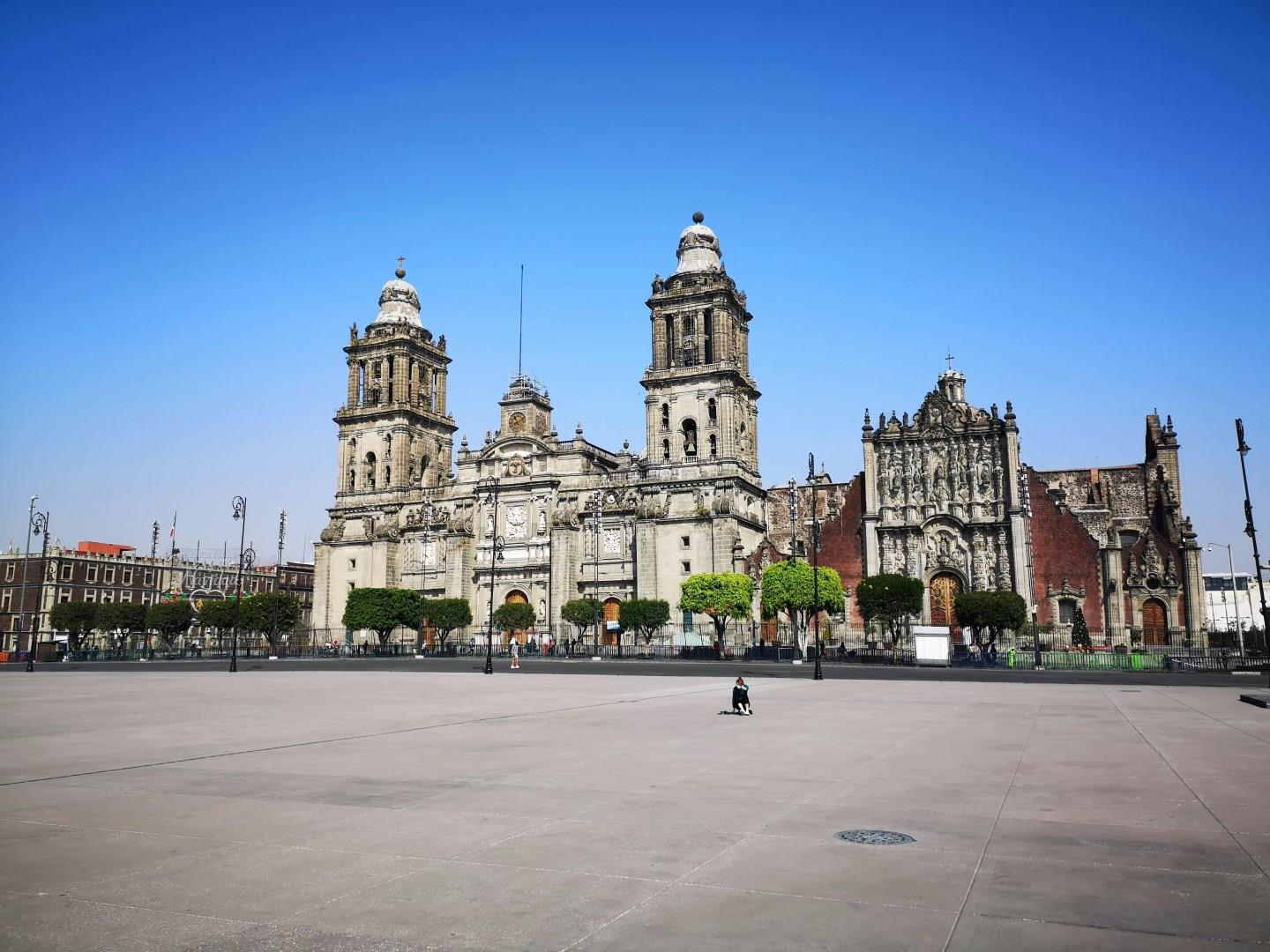
Mexico City
Mexico City sits on the high plateau of central Mexico, layered with more than seven centuries of history and culture. Built atop the ruins of the Aztec capital Tenochtitlán, the city reflects a continuous dialogue between Indigenous foundations, Spanish colonial influence, and modern urban life.
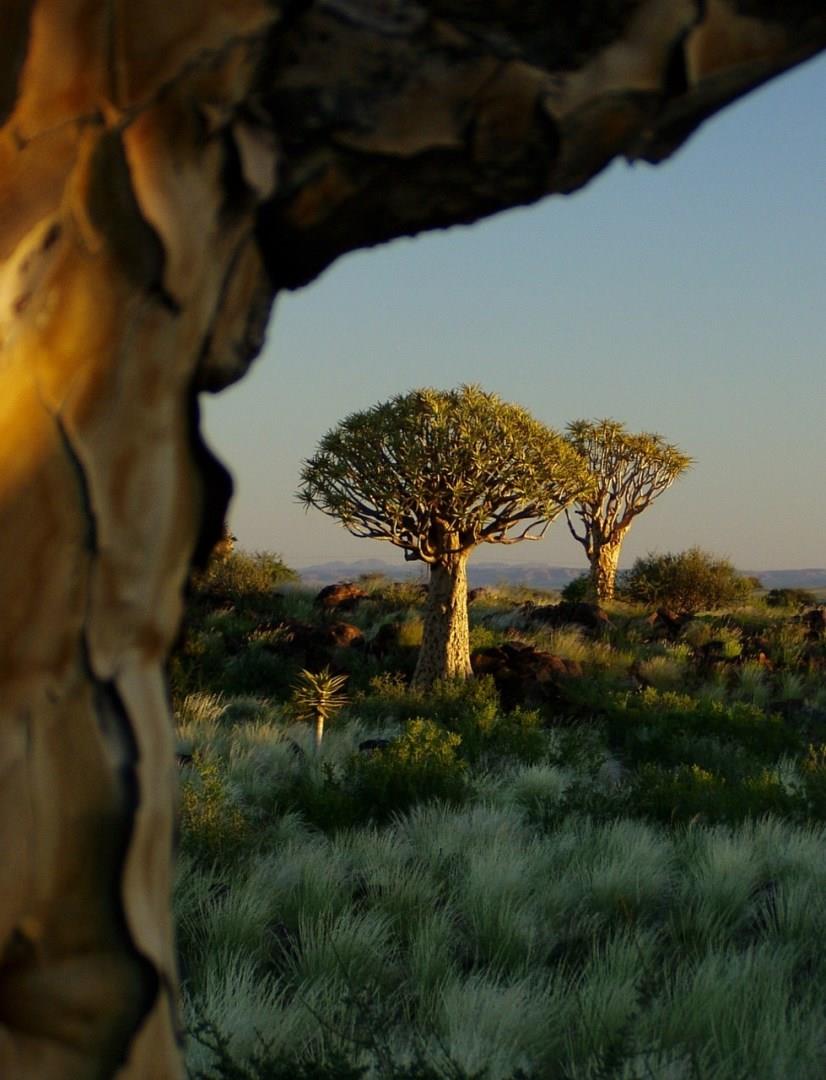
Kokerboomwoud
The Quiver Tree Forest, located just outside the town of Keetmanshoop in southern Namibia, is one of the country's most captivating natural wonders. This unique forest is home to hundreds of towering quiver trees (Aloe dichotoma), some of which are estimated to be over 200 years old. These trees, named after the San people who used their hollowed-out branches as quivers for arrows, are an iconic symbol of Namibia's arid landscape.

Sweden
Sweden is a country where medieval towns, coastal archipelagos, and expansive forests sit side by side with modern design and a strong cultural identity. Stockholm, the capital, is built across 14 islands connected by bridges and ferries. The historic district of Gamla Stan features narrow, cobbled streets and colorful buildings dating back to the 13th century.
