
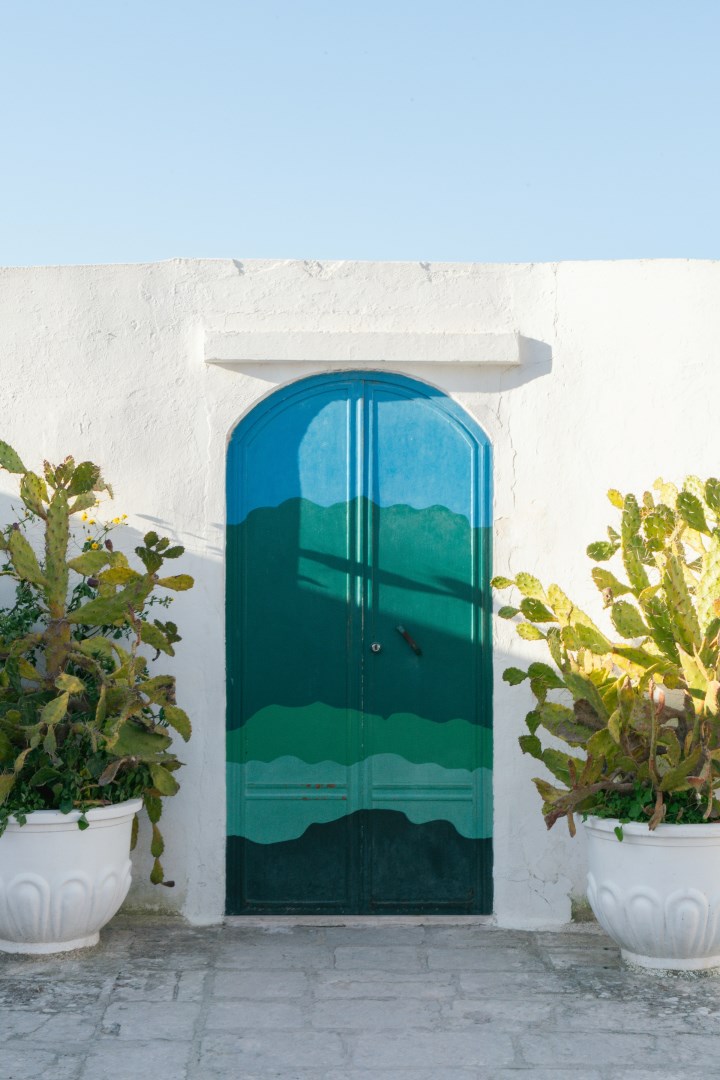
Ostuni
Ostuni is a hilltop town in Puglia, in southern Italy, known for the whitewashed buildings of its historic center and the olive groves that surround it. The town occupies the final slopes of the Murge plateau, with the old quarter, known as La Terra, rising above the surrounding countryside. Narrow lanes, stairways, arched passages, and small squares wind between lime-covered houses, while the higher streets provide views across the olive plain toward the Adriatic Sea.

Coffee Axis
Nestled in the heart of the Andean mountains, Colombia's Coffee Region, or “Eje Cafetero,” is a lush tapestry of rolling hills, fertile valleys, and towering wax palms. This UNESCO World Heritage-listed landscape is more than just the epicenter of Colombia's coffee production—it is an invitation to explore a culture steeped in tradition, warmth, and a deep appreciation for the natural world.
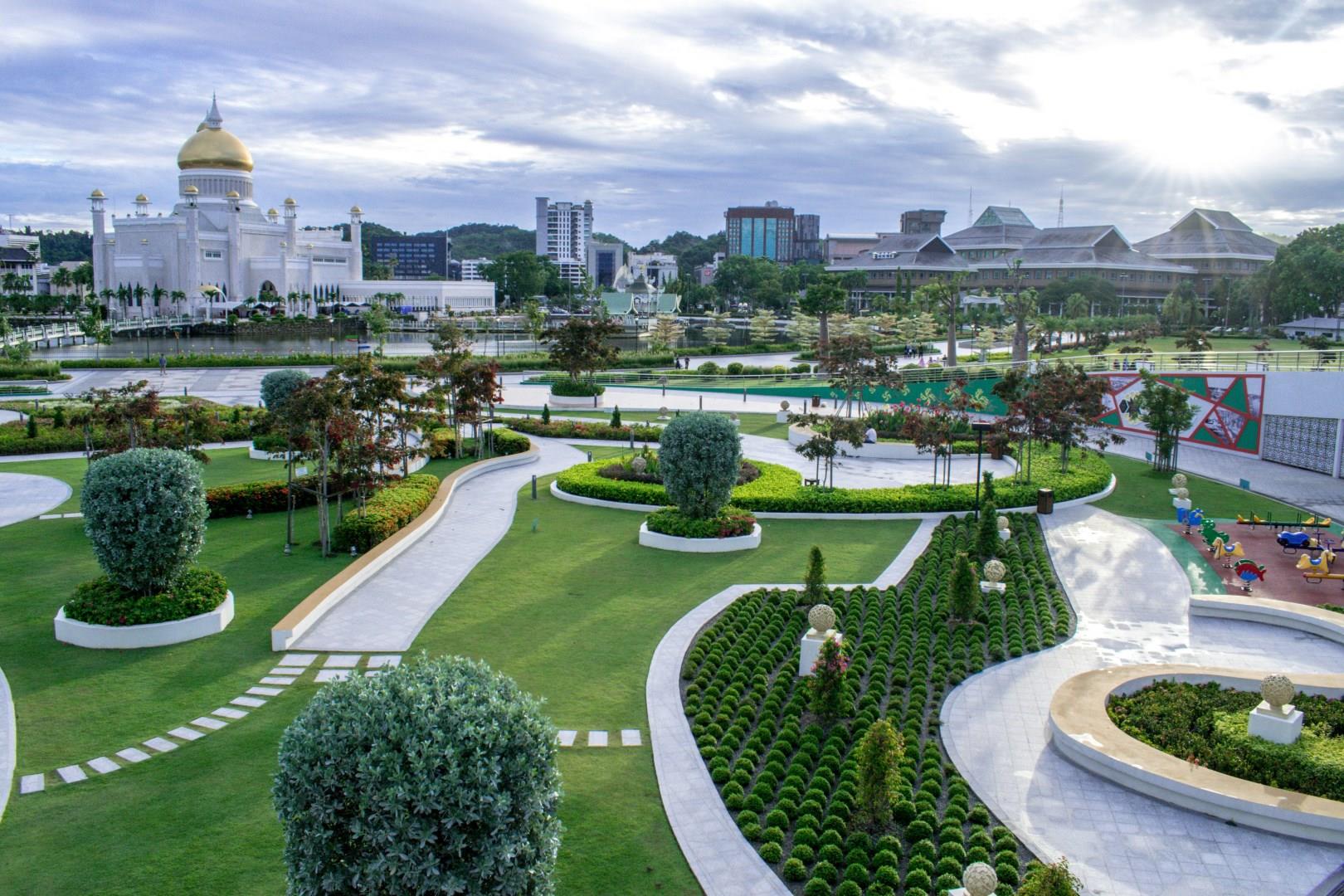
Brunei
Brunei is a small country on the island of Borneo known for its wealth, tropical rainforests, and rich cultural heritage. The country’s landscapes are a mix of dense jungles, rivers, and coastal mangroves, offering a peaceful environment where nature remains largely intact.
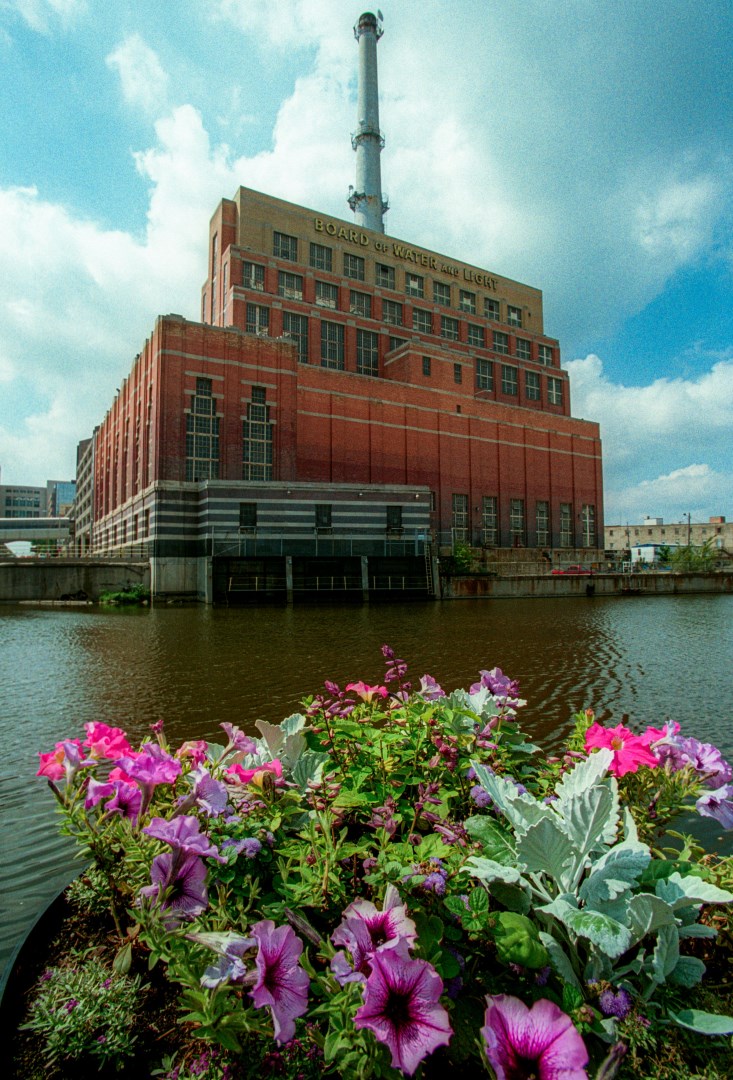
Lansing
Lansing is the capital of Michigan, located in the south-central part of the Lower Peninsula along the Grand River. The city serves as the center of Michigan state government and has a long connection to manufacturing, education, and transportation. Its urban landscape includes the Capitol complex, established neighborhoods, riverfront parks, and former industrial areas.
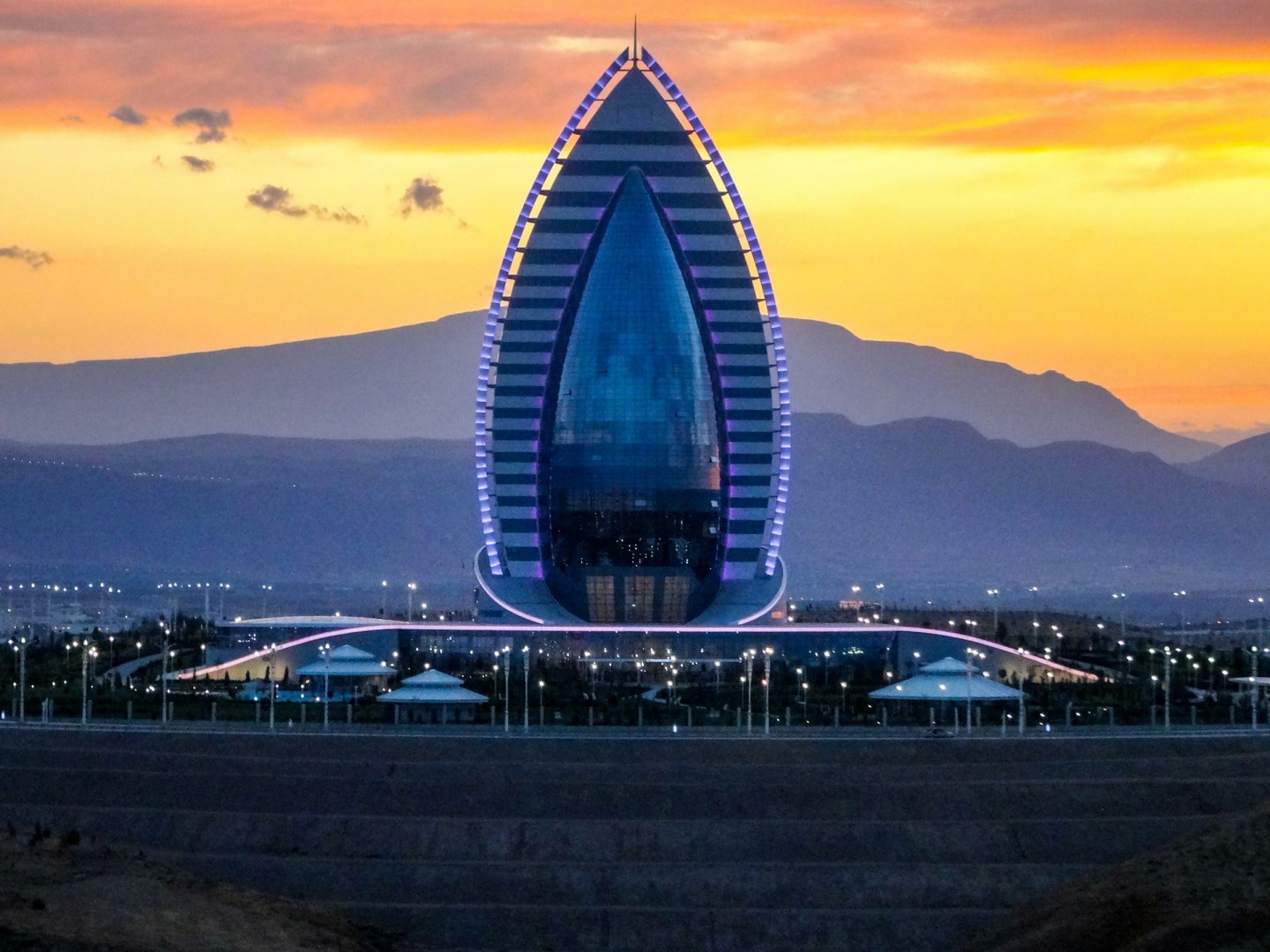
Ashgabat
Ashgabat (formerly Ashkhabad) is the capital and the largest city of Turkmenistan. In Persian, the name means "city of love." Notable attractions include the Karakum Canal, the Trans-Caspian railway, and numerous monuments and museums to explore.
