
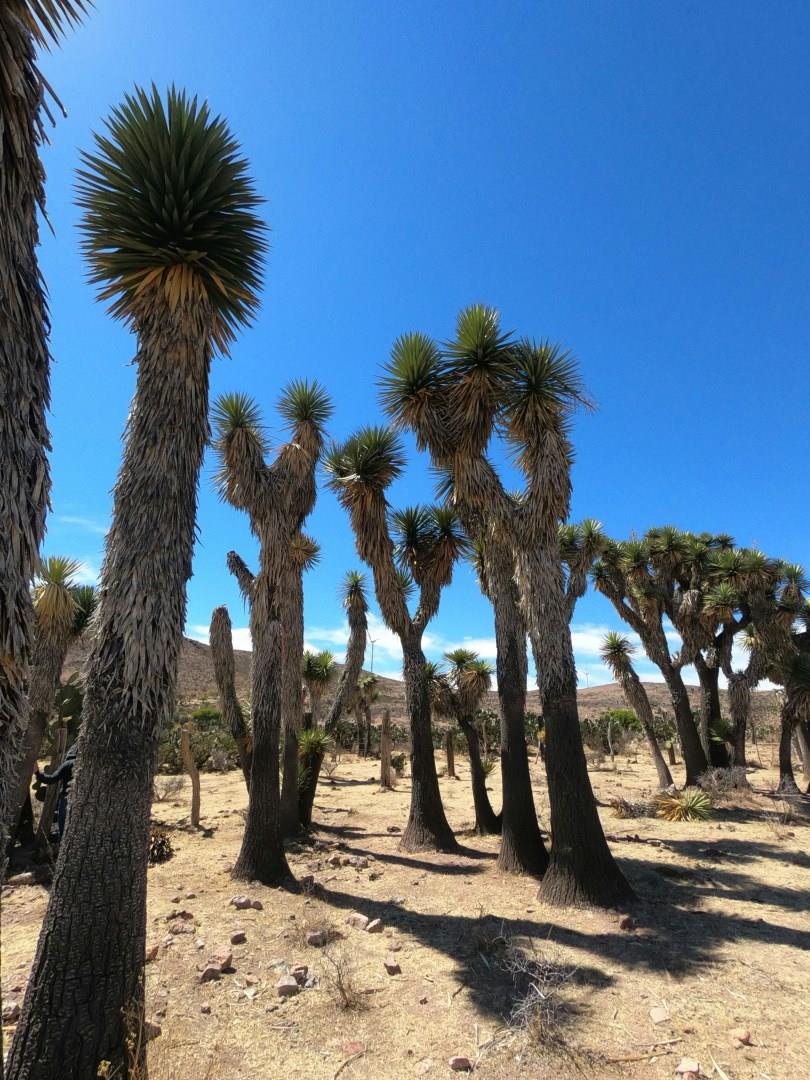
Zacatecas
Zacatecas, built into the slopes of a narrow ravine in north-central Mexico, is a city with a deep mining past and a striking skyline. The historic center, a UNESCO World Heritage Site, is known for its pink cantera stone buildings, narrow alleys, and impressive baroque facades. The Cathedral Basilica of Zacatecas, completed in 1752, stands as one of the most detailed examples of Mexican baroque architecture, with hundreds of carved figures covering its sandstone exterior.
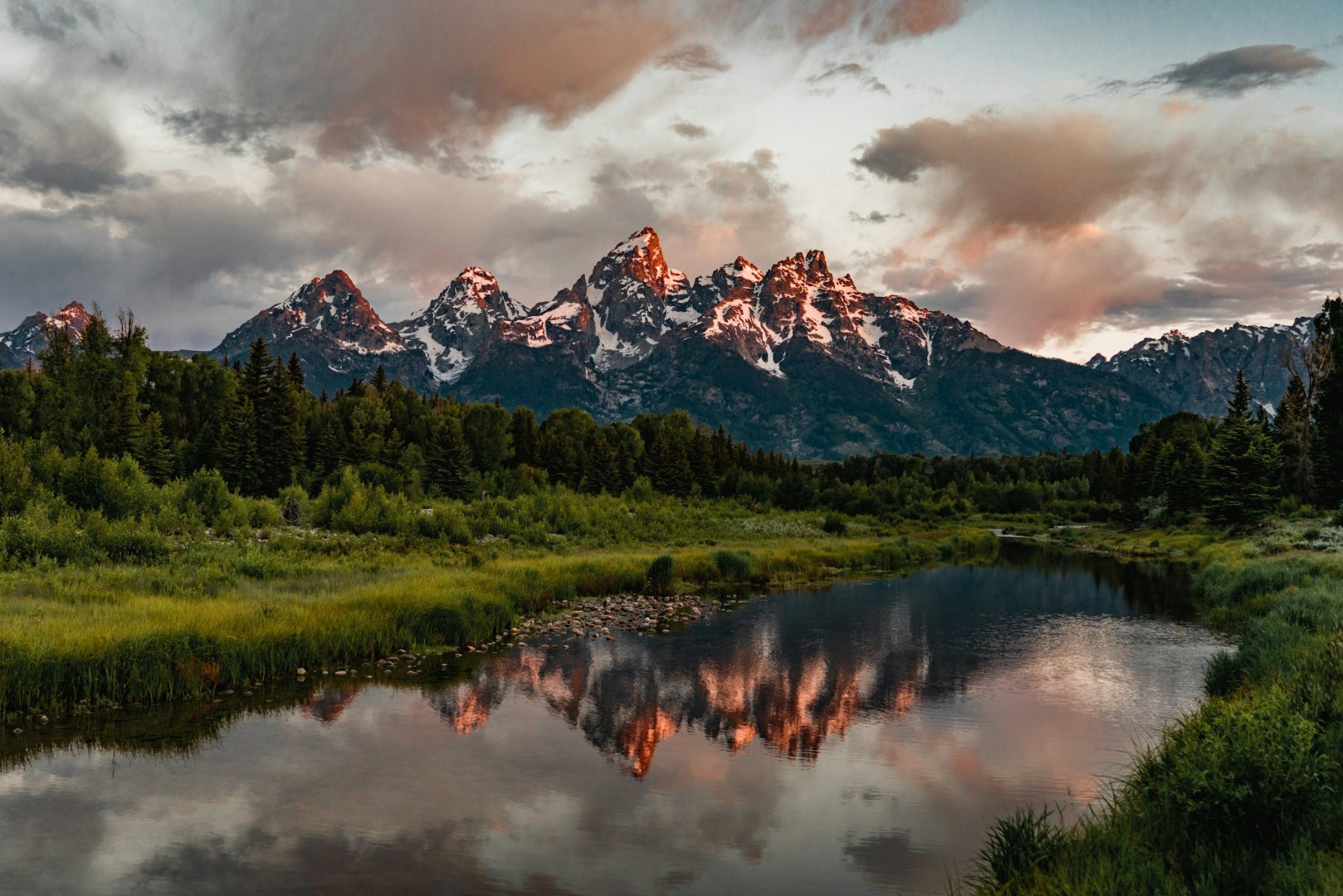
Grand Tetons
Grands Tetons offer many opportunities for hiking climbing, rafting and other outdoor sports. There are also many relaxing activities around the lake or indoors.
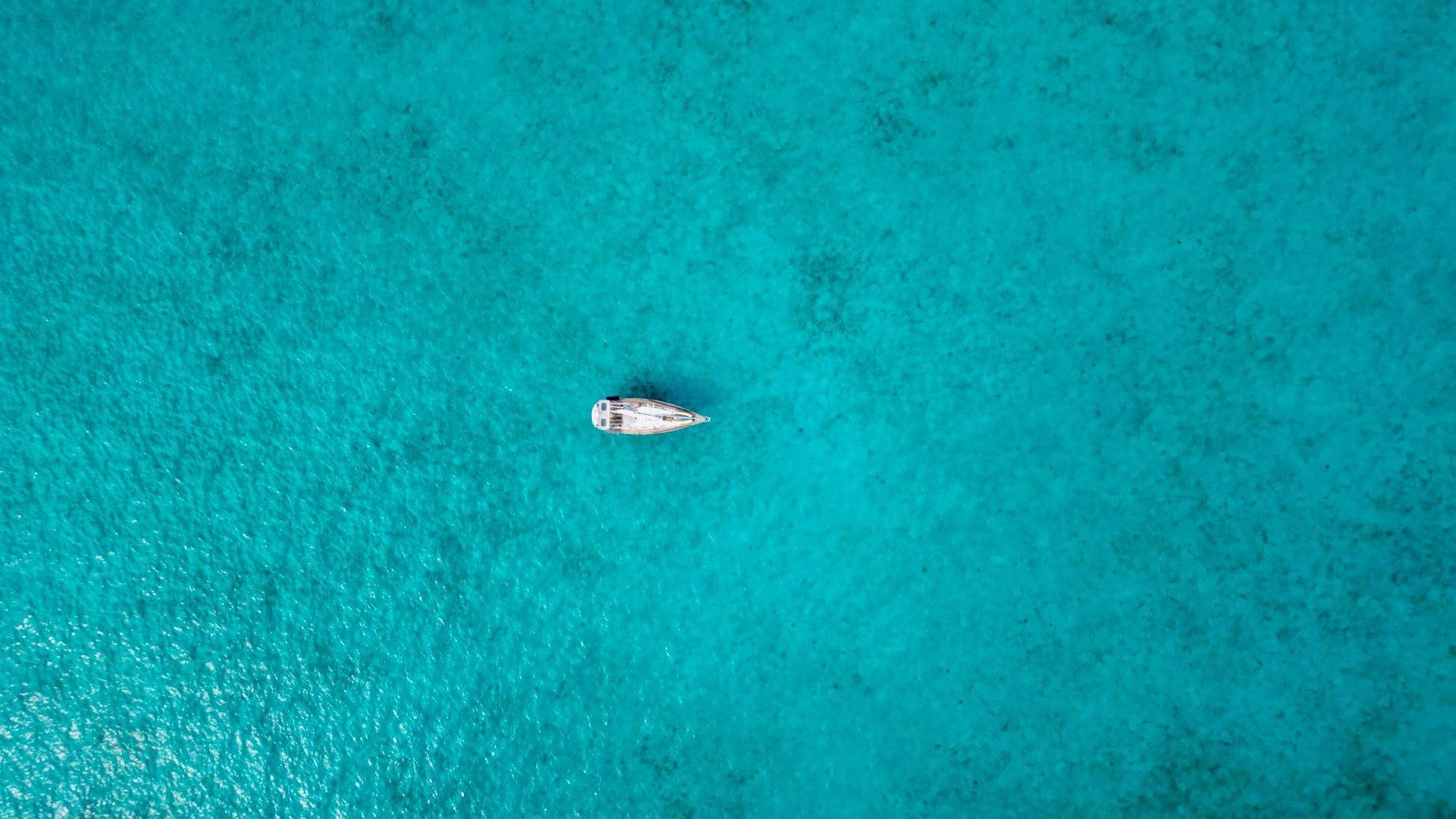
Long Island
One of the "Out Islands" of the Bahamas, Long Island lies at the eastern reaches of the more than 700 islands and cays that make up thisspectacular archipelago. Located on the Tropic of Cancer, approximately 160 miles southeast of Nassau (a one hour flight), it covers nearly 230 square miles and is 70 miles long by five miles at its widest point.
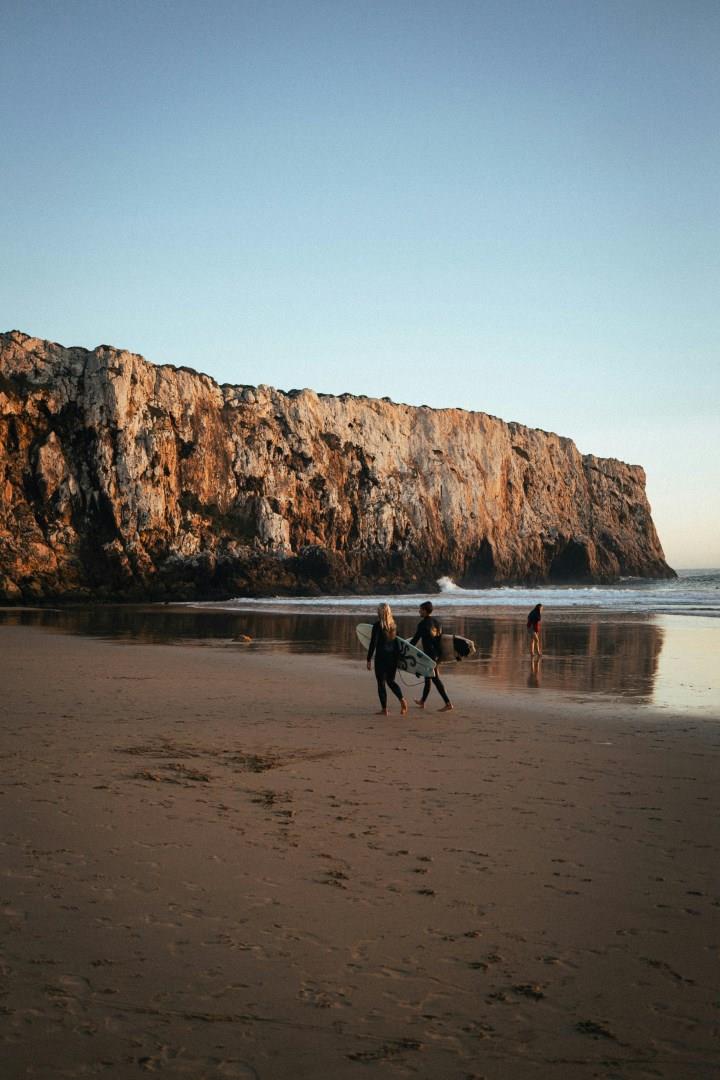
Sagres
Sagres sits at the southwestern edge of continental Europe in Portugal’s Algarve region, where the Atlantic’s wide horizon meets rugged cliffs and open skies. For centuries this point was linked to maritime adventure and visitors can still feel that sense of discovery in the air. Here, people like Prince Henry the Navigator gathered cartographers, shipbuilders and astronomers in the 1400s to push beyond maps of the known world and shape the early Age of Discovery from Sagres’ dramatic headlands.
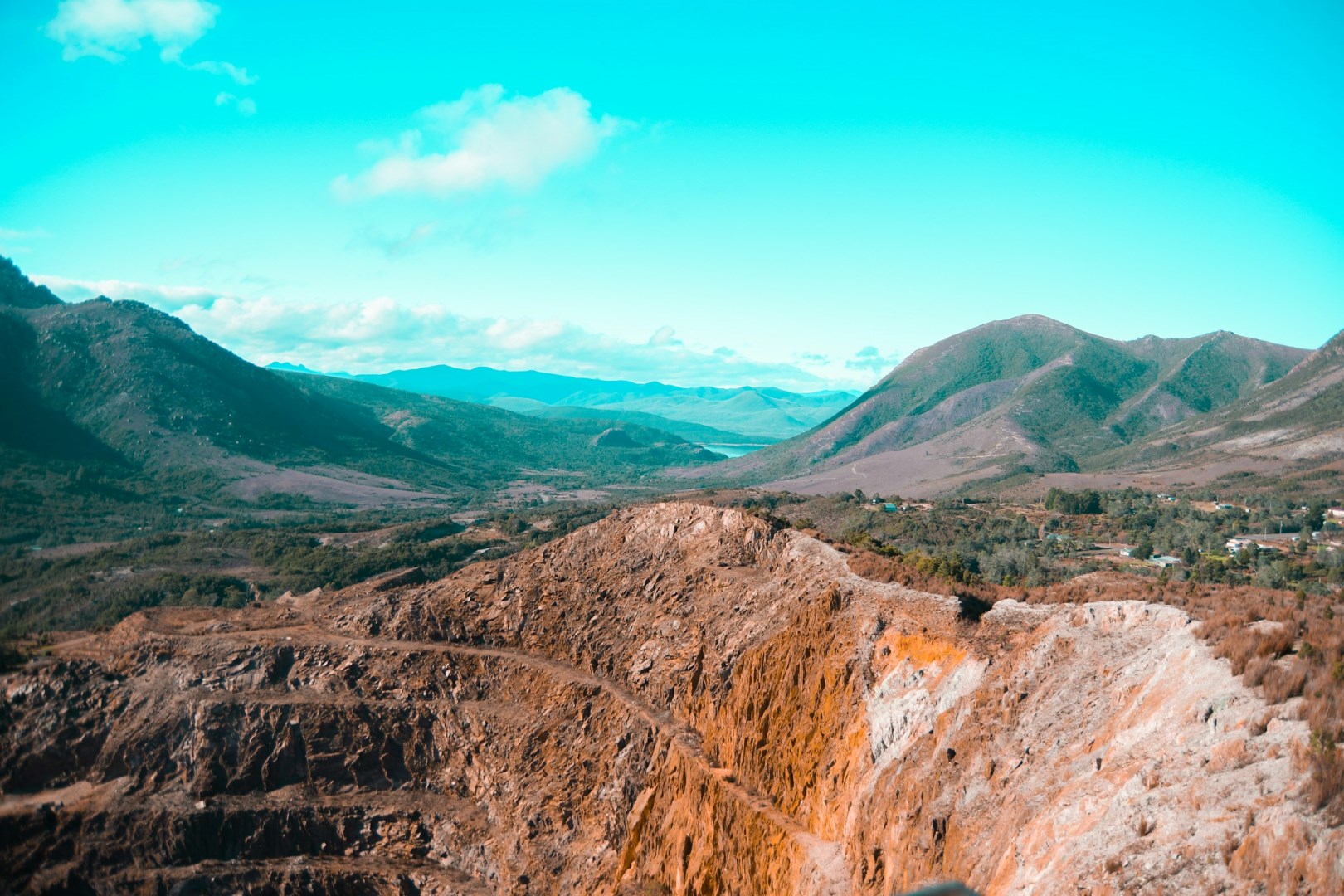
Queenstown Tasmania
Queenstown started off as a major gold mining area, based around the Queen River Valley. This then developed into a profitable copper mining area, which was still running until 1969. There are a variety of things to do in Queenstown, and it is a good base from which to explore western Tasmania.
