

Saudi Arabia
Saudi Arabia is revealing chapters long unseen by tourists. Al-Ula is home to Hegra, the first UNESCO World Heritage Site in the kingdom and hosts to ancient Nabatean tombs carved in sandstone cliffs. Nearby, the mirrored Maraya Concert Hall reflects the desert sky, its design both unexpected and elegant amid the sands. Visitors can wander through narrow canyons, step inside rock-hewn facades, and feel the weight of ancient civilizations still echoing across the dunes.
Jebel Akhdar
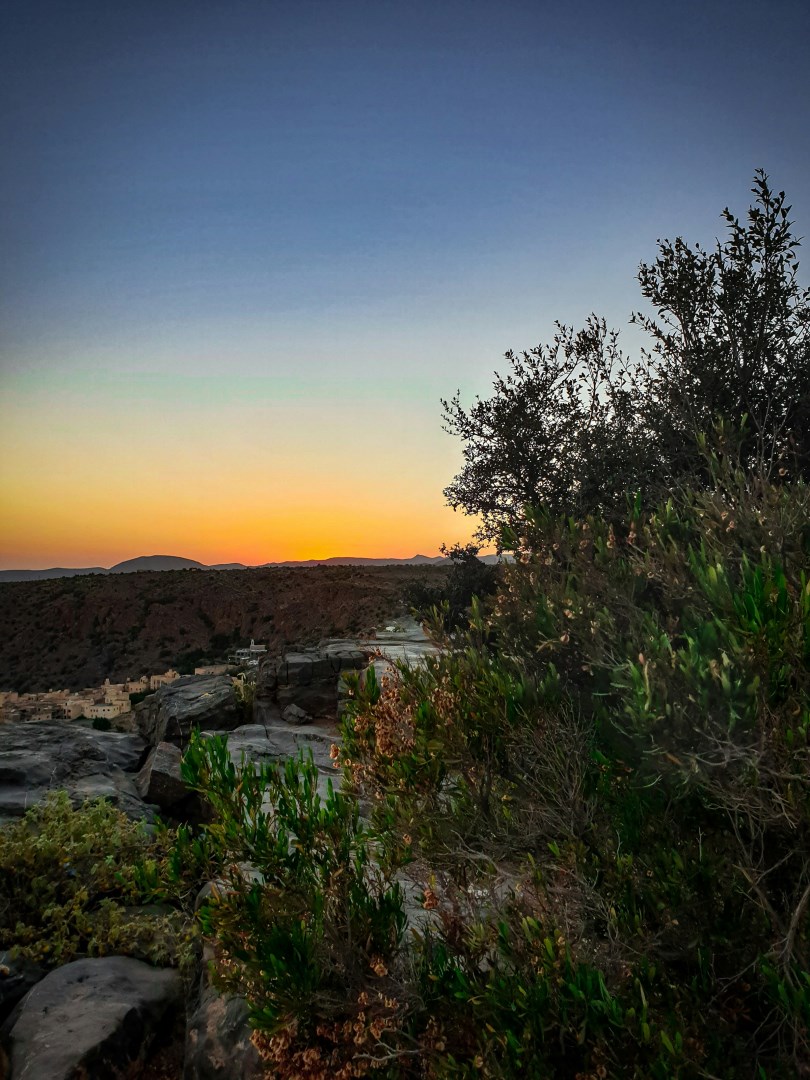
Jebel Akhdar, meaning “Green Mountain,” is a highland area within Oman's Al Hajar Mountains in Ad Dakhiliyah Governorate. The mountain rises to about 2,980 meters, with the Saiq Plateau located around 2,000 meters above sea level. Its cooler mountain climate supports terraced orchards, villages, and vegetation that differs from the dry lowlands below.

Ravello
Nestled high on the cliffs of Italy’s Amalfi Coast, Ravello is a gem of medieval charm and stunning vistas. This picturesque town is renowned for its breathtaking views of the Tyrrhenian Sea and its lush gardens, such as the famed Villa Cimbrone.

Belém
Belém do Pará sits at the edge of the Amazon, where river and bay meet in a landscape with activity and color. The Ver-o-Peso Market spreads along Guajará Bay, welcoming early morning boats laden with fresh fish, herbs, fruits, and Amazonian goods. Recognized by UNESCO as a Creative City of Gastronomy, the local cuisine marries Indigenous, Portuguese, and African traditions to create dishes found nowhere else.
Bayeux
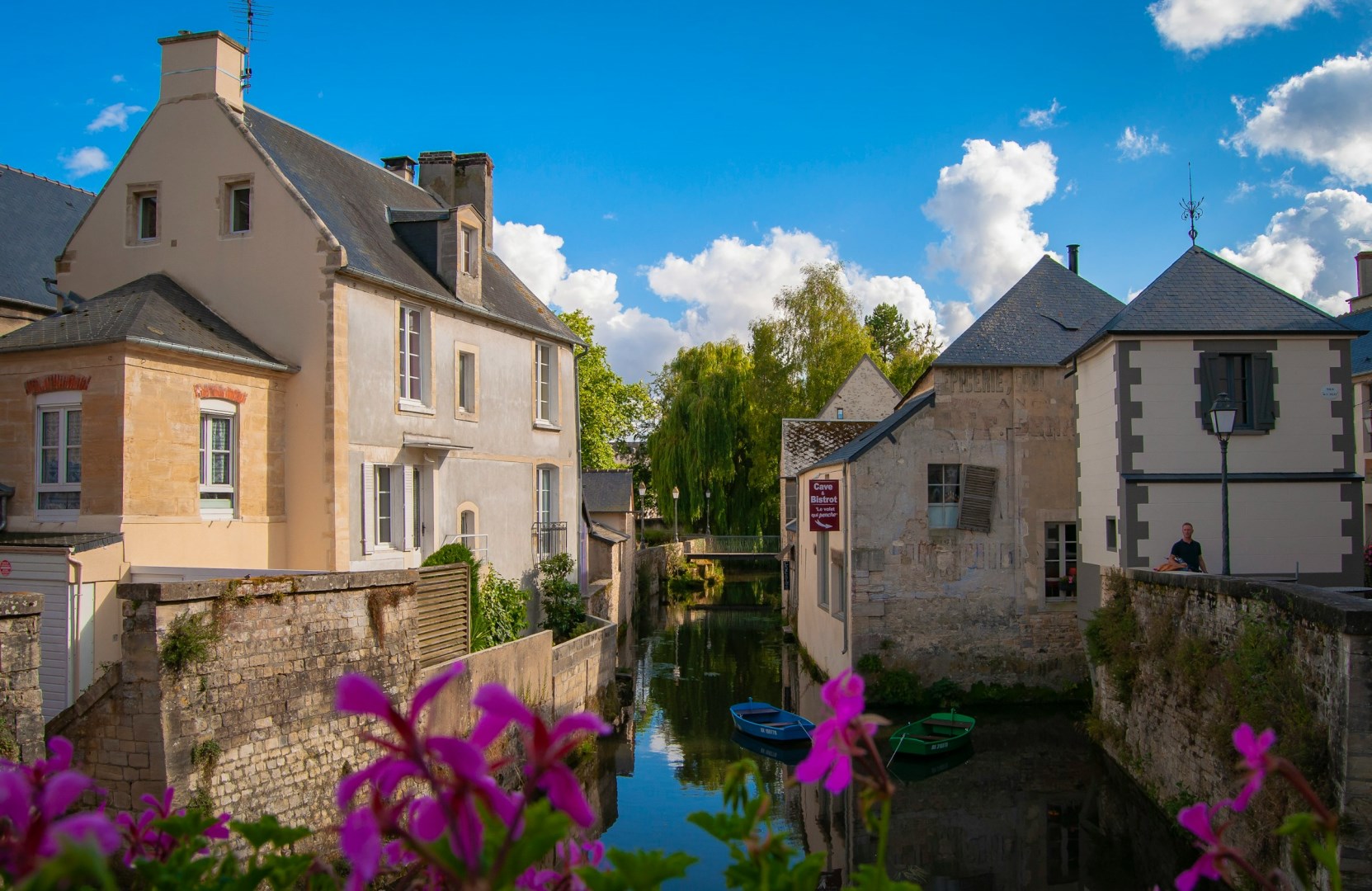
Bayeux is a historic town in Normandy, northern France, set near the Aure River and within easy reach of the Normandy coast. Its compact centre contains medieval streets, timber-framed houses, stone buildings, and gardens surrounding the imposing Bayeux Cathedral. The town is especially known for the Bayeux Tapestry, an extraordinary embroidered work that depicts the Norman Conquest of England and is displayed at the Musée de la Tapisserie de Bayeux.
