
Sífnos
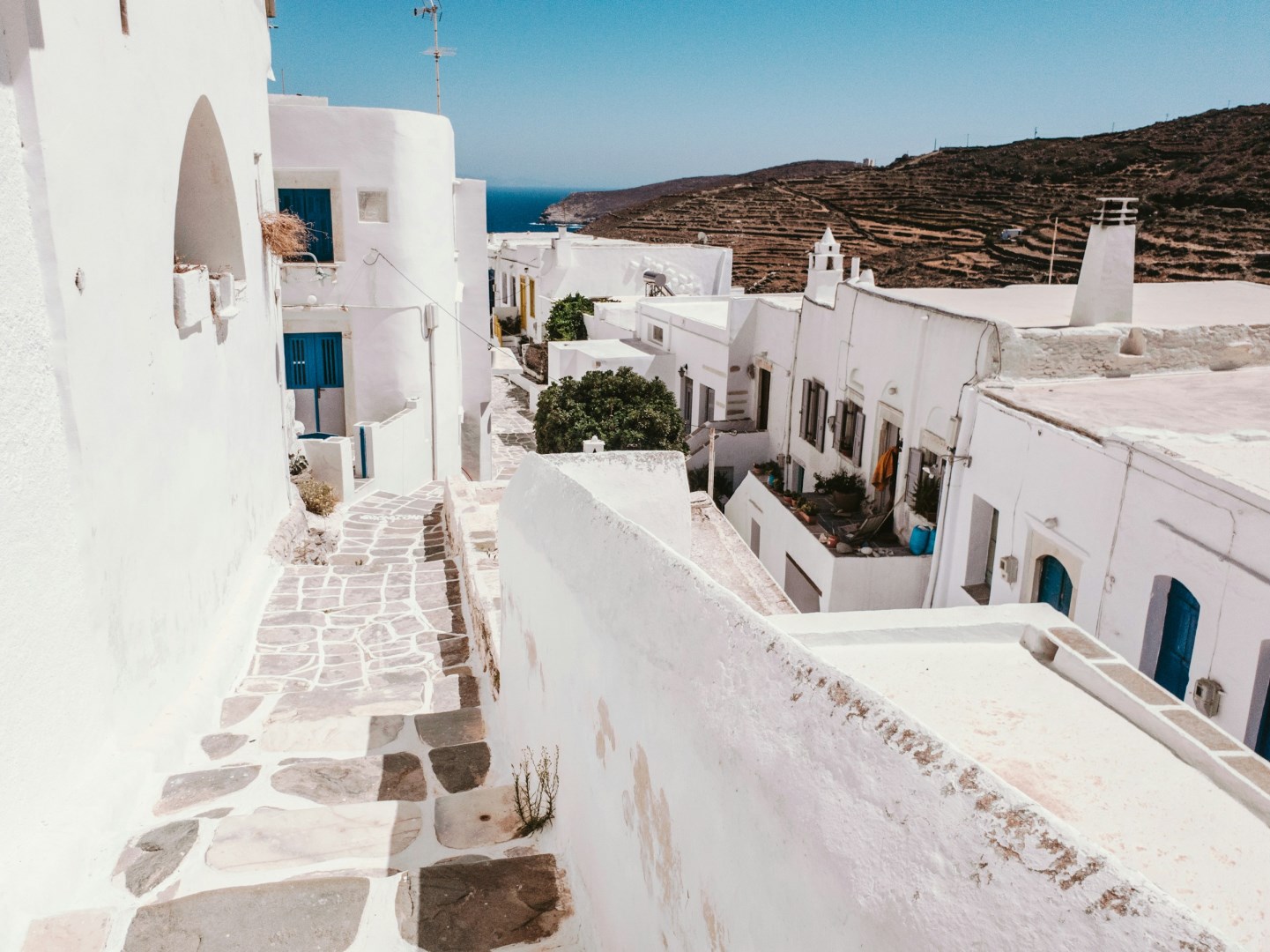
Sífnos is a Cycladic island in the southwestern Aegean, known for its whitewashed villages, stone-paved lanes, terraced hillsides, pottery workshops, and well-marked walking trails. Apollonia, the island’s main settlement, spreads across several hills at the center and serves as its cultural and social hub. Smaller villages such as Artemonas, Kastro, and Exambela retain traditional houses, churches, courtyards, and narrow alleys.
Capestang
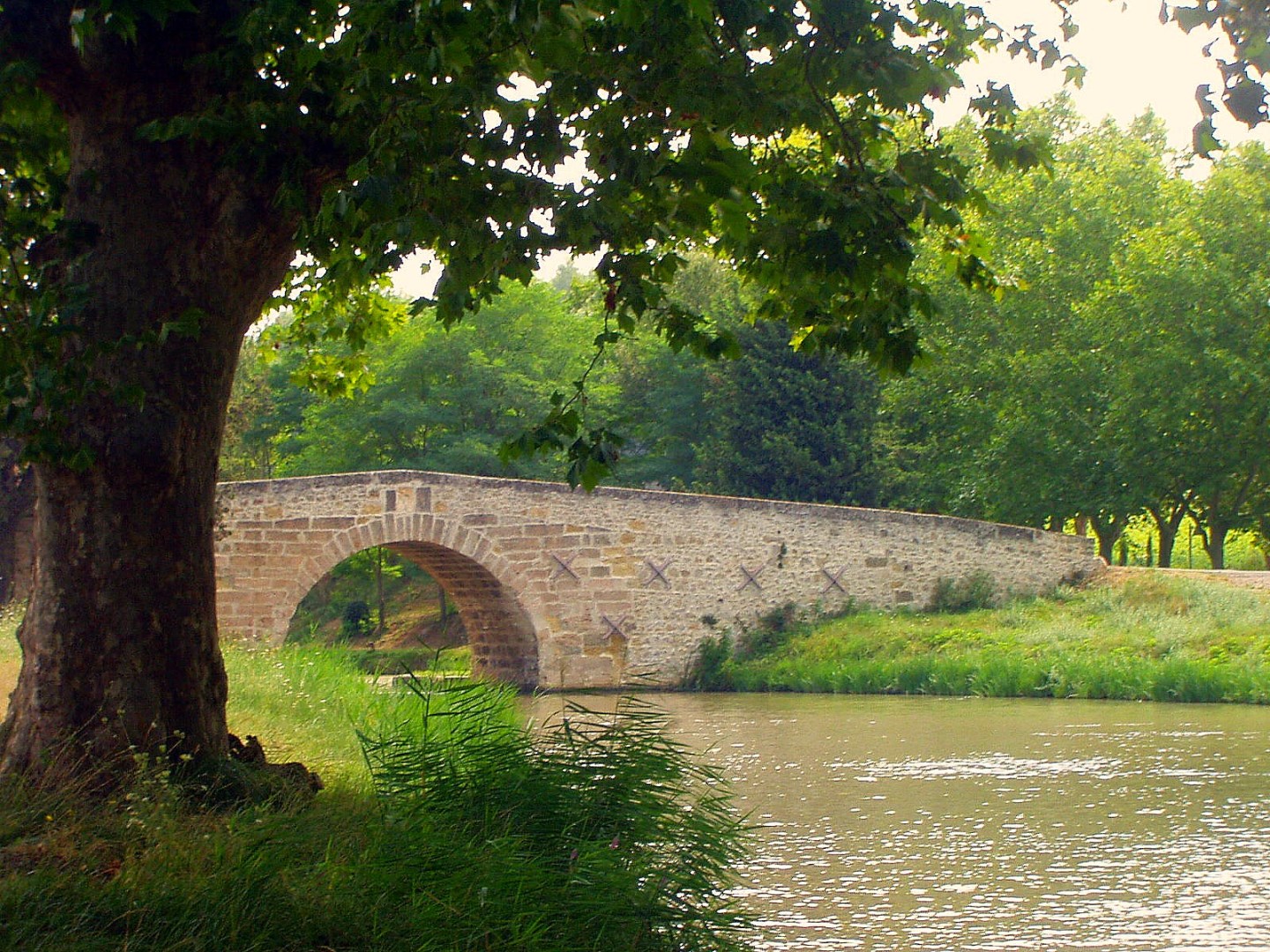
Capestang sits beside the Canal du Midi, surrounded by vineyards and marked by the soaring Collégiale Saint-Étienne. Its medieval heritage, canal port and nearby Étang de Capestang give the village a strong identity rooted in water, wine and local history.

Pécs
Pécs, Hungary, is a city that seamlessly blends history, culture, and a vibrant modern atmosphere. Nestled at the foot of the Mecsek Mountains in southern Hungary, Pécs boasts a rich heritage that dates back over 2,000 years. Visitors are often captivated by the city’s unique blend of Roman, Ottoman, and Hungarian influences.
Batu Caves
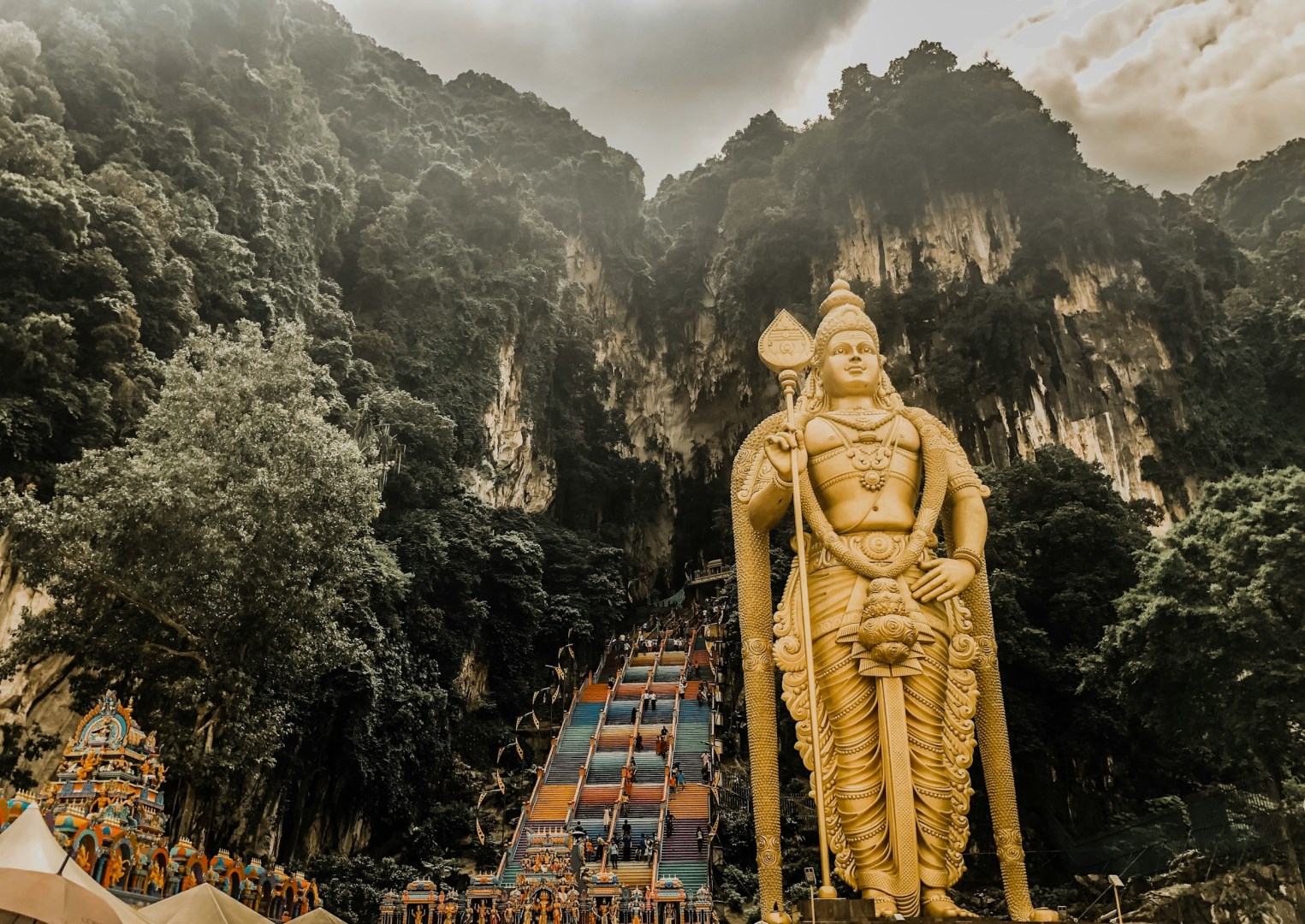
Batu Caves is a limestone hill and Hindu religious complex in Gombak, Selangor, just north of Kuala Lumpur. The site consists of several caves and caverns formed within a limestone outcrop, with the main Temple Cave reached by a staircase of 272 steps.

South Luangwa National Park
South Luangwa National Park in eastern Zambia is one of Africa’s most treasured wildlife areas, lying along the lush bends of the Luangwa River. Designated as a protected area in the 1970s, it stands out for its consistently high wildlife densities and landscapes that shift with the seasons. Dry grasslands, shaded woodlands, and green floodplains all unfold beneath wide skies, shaping the canvas for memorable animal sightings.
