
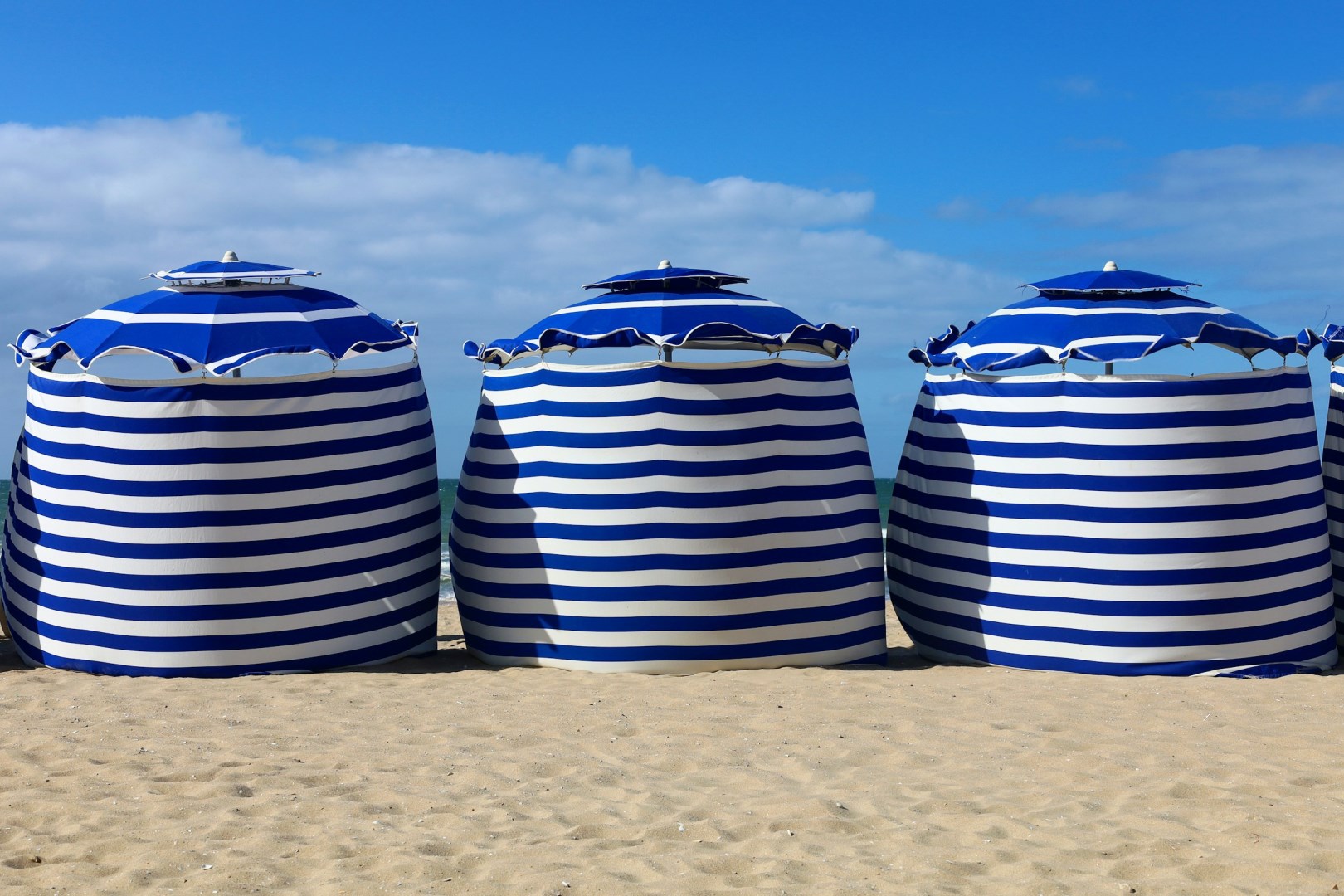
Cabourg
Cabourg is a seaside resort on the Côte Fleurie in Normandy, set where the River Dives reaches the English Channel. Its long sandy beach, broad promenade, and orderly streets give the town a distinctive coastal character, while Belle Époque villas and landscaped gardens reflect its development as a fashionable resort. The central Grand Hôtel stands beside the beach and casino, forming one of Cabourg's most recognisable landmarks.
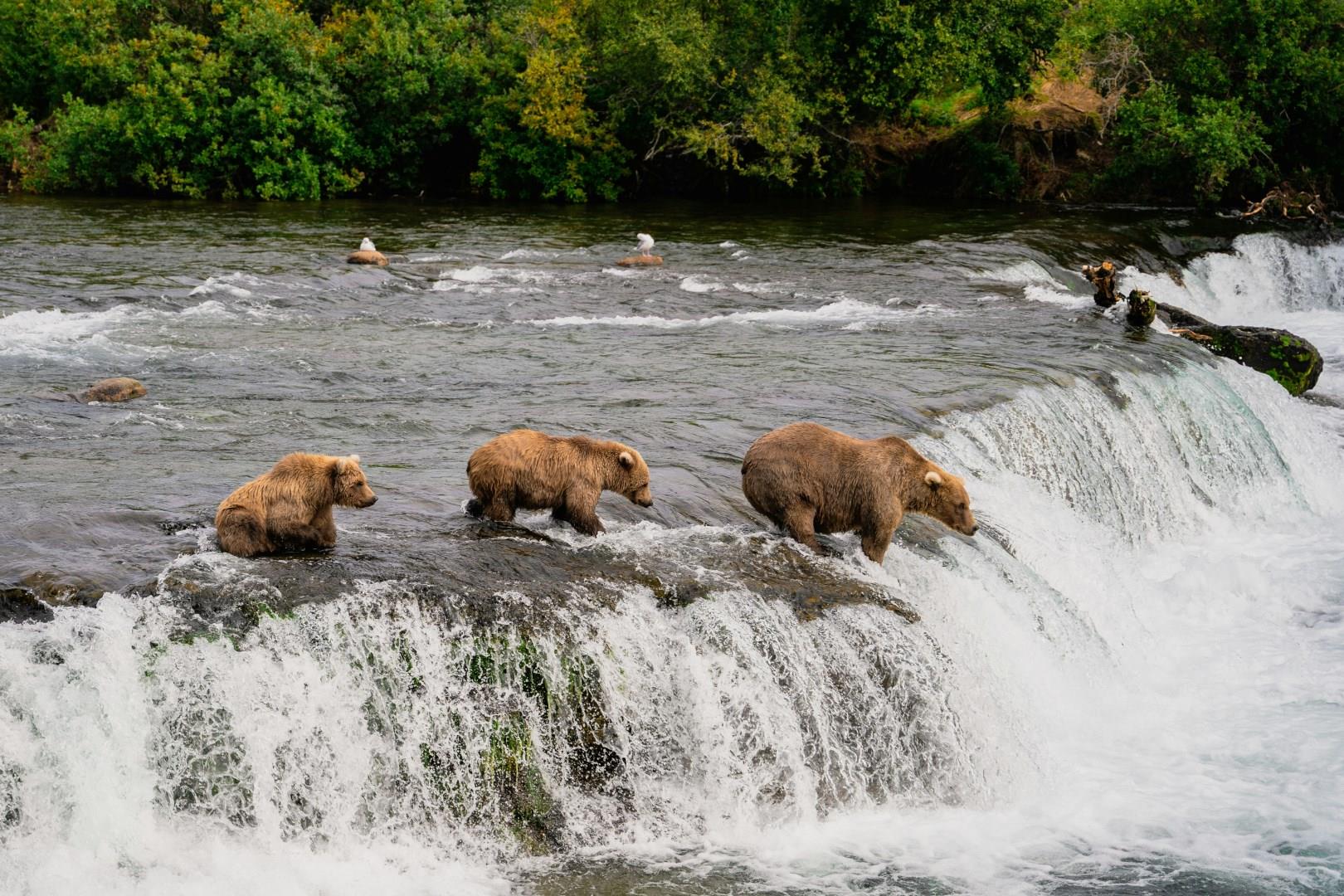
Katmai National Park
Katmai National Park and Preserve lies along Alaska’s remote Pacific coast, shaped by volcanism, glaciers, and deep time. The area gained prominence after the 1912 Novarupta eruption, one of the largest volcanic events of the 20th century, which transformed the landscape and led to the creation of the Valley of Ten Thousand Smokes.

Gibraltar
Perched at the southern tip of the Iberian Peninsula, Gibraltar is a captivating destination where British and Mediterranean influences seamlessly blend. Dominated by the iconic Rock of Gibraltar, this British Overseas Territory is a haven for travelers seeking both adventure and history. The Rock itself is a limestone monolith that stands 426 meters high and offers breathtaking views over the Strait of Gibraltar, where the Mediterranean Sea meets the Atlantic Ocean.

Des Moines
Des Moines, Iowa’s capital city, offers a refreshing take on Midwest travel with a blend of creativity, history, and community pride. Its downtown skyline is anchored by the gold-domed Iowa State Capitol, which offers free guided tours and a striking view from its hilltop perch. Just across the river, the East Village mixes old brick storefronts with indie shops, coffee houses, and vibrant murals. It's where old meets new, a theme that runs throughout the city’s evolving identity.
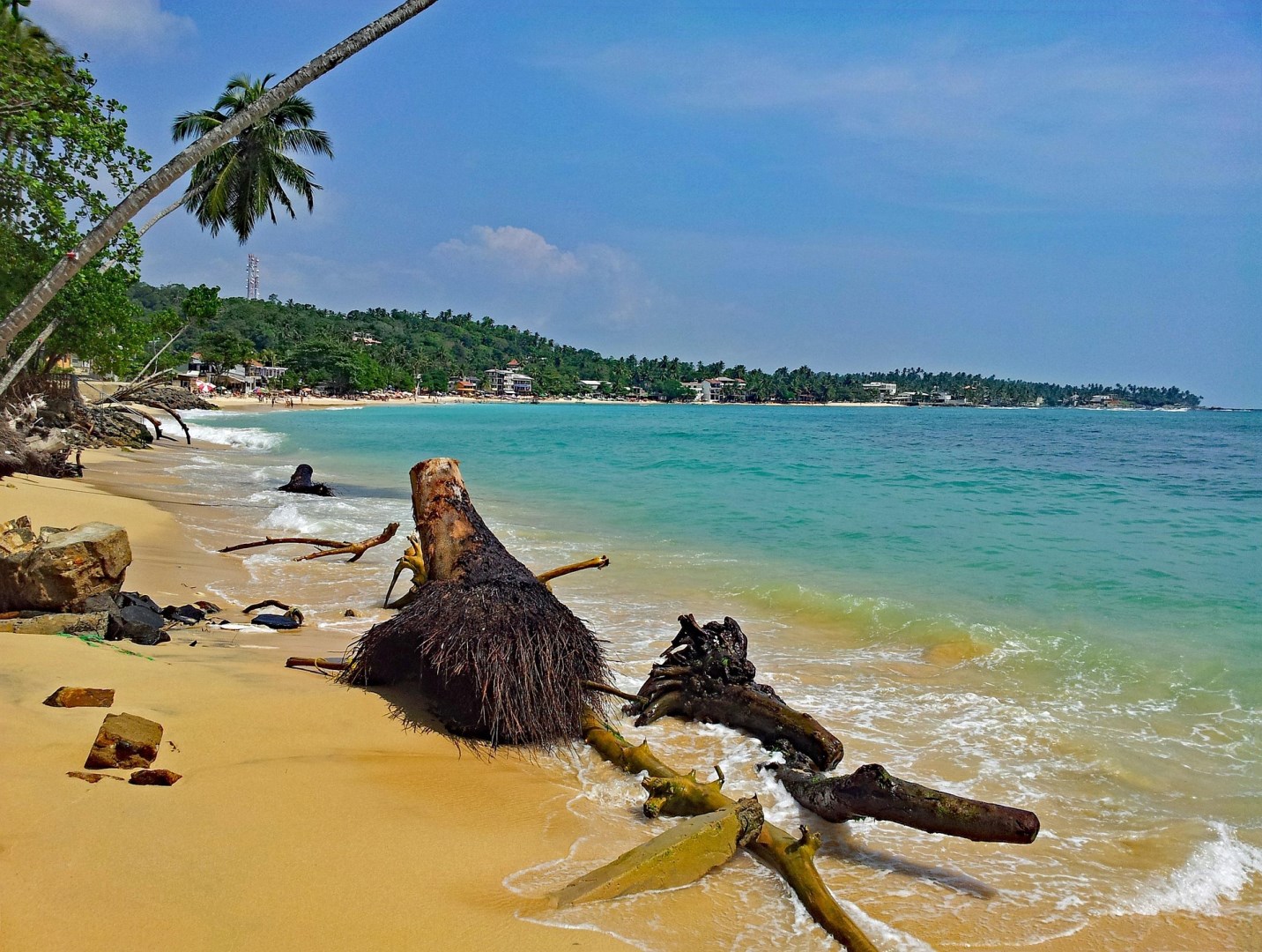
Unawatuna
Unawatuna lies along Sri Lanka’s southern coast, shaped by maritime trade, colonial encounters, and a long relationship with the sea. Once a small fishing village, it developed near historic Galle and reflects layers of Portuguese, Dutch, and British influence that passed through the region.
