
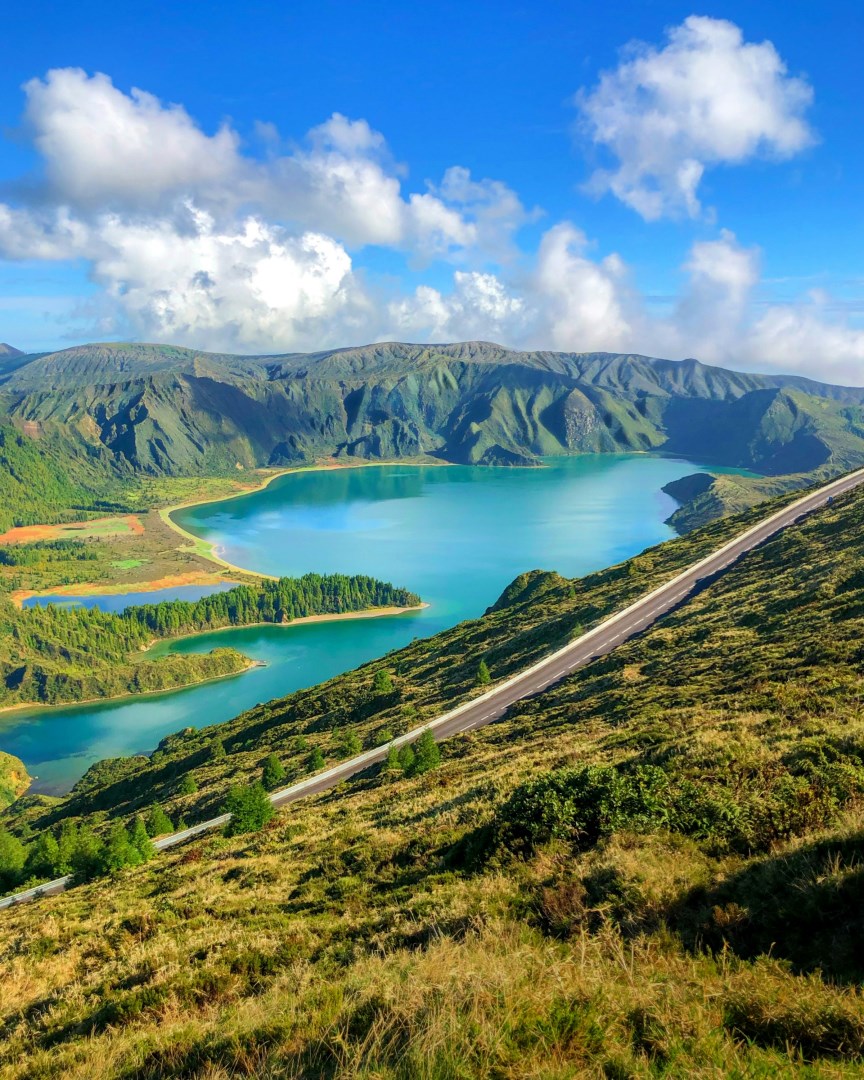
Lagoa do Fogo
Lagoa do Fogo is a volcanic crater lake on São Miguel Island in Portugal’s Azores archipelago. Set within a protected landscape in the island’s central highlands, the lake occupies a large caldera surrounded by steep slopes covered with native vegetation. Its remote setting and undeveloped shoreline distinguish it from the more settled areas of São Miguel.

Gibraltar
Gibraltar is located in southern tip of Spain, on a tiny peninsula. It is governed by the British and named after the Rock of Gibraltar, which is located on its east side. The territory is mainly used as a shipping port, and a port-of-call for cruise ships.

Dominica
Dominica, known as the “Nature Island of the Caribbean,” is a haven for eco-tourists and adventure seekers. Nestled between the French islands of Guadeloupe and Martinique, this lush island boasts a remarkable landscape of volcanic mountains, dense rainforests, and stunning waterfalls. Dominica’s most iconic natural wonder is the Boiling Lake, the second-largest hot spring in the world.

Cape Cod
Cape Cod, Massachusetts, is a captivating destination known for its scenic beauty and charming coastal villages. Stretching out into the Atlantic Ocean, Cape Cod offers a quintessential New England experience with its pristine beaches, historic lighthouses, and quaint towns. A visit to the Cape Cod National Seashore is a must, where visitors can explore miles of sandy shores, salt marshes, and tidal flats.
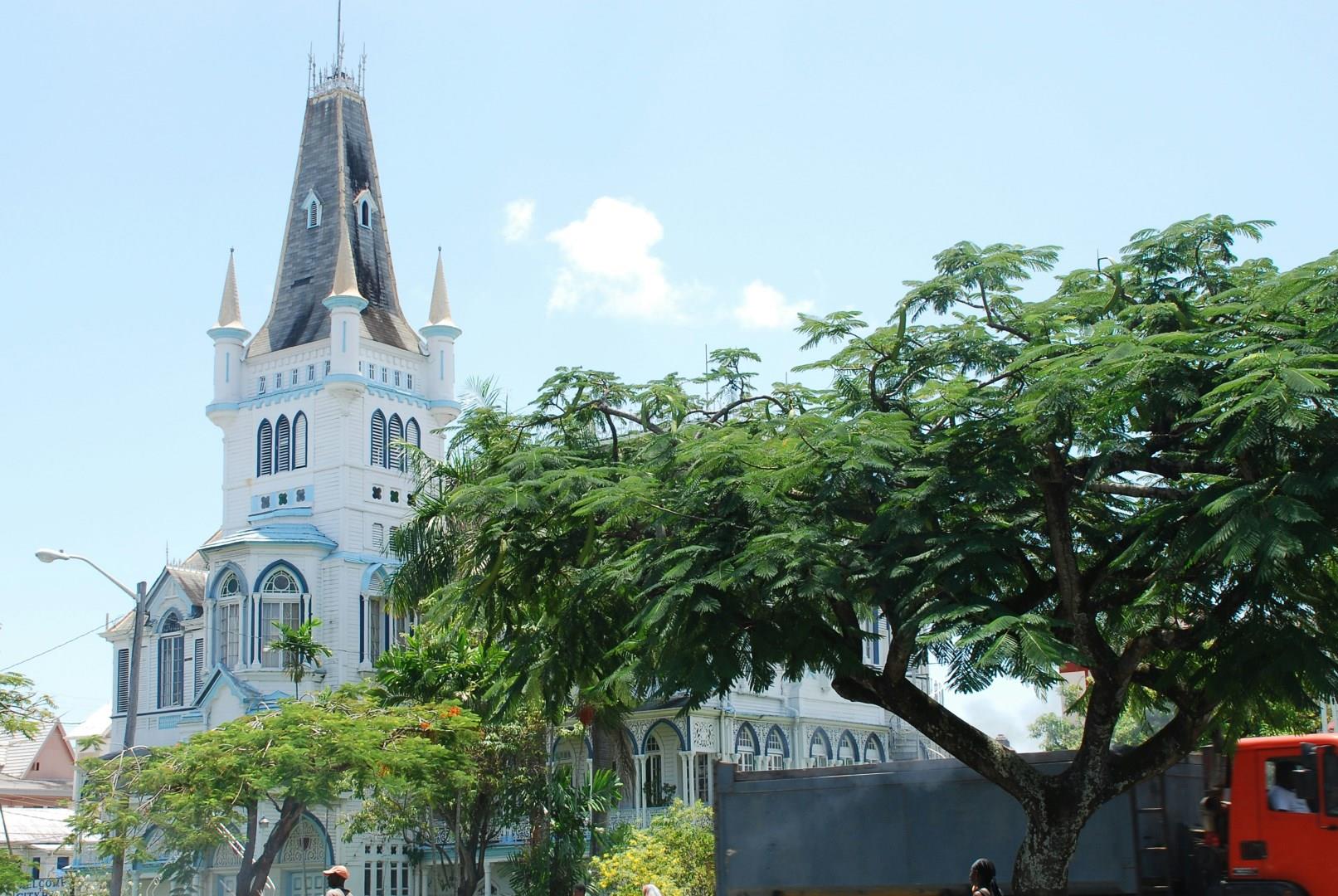
Georgetown
Georgetown, Guyana’s capital, is a city of wooden cathedrals, tree-lined canals, and street corners alive with music, food, and political discussion. Located at the mouth of the Demerara River, the streets still follow the Dutch grid system, and the city’s architectural signature, with its elegant wooden buildings with louvered shutters and fretwork, make it one of the most visually distinct capitals in South America.
