
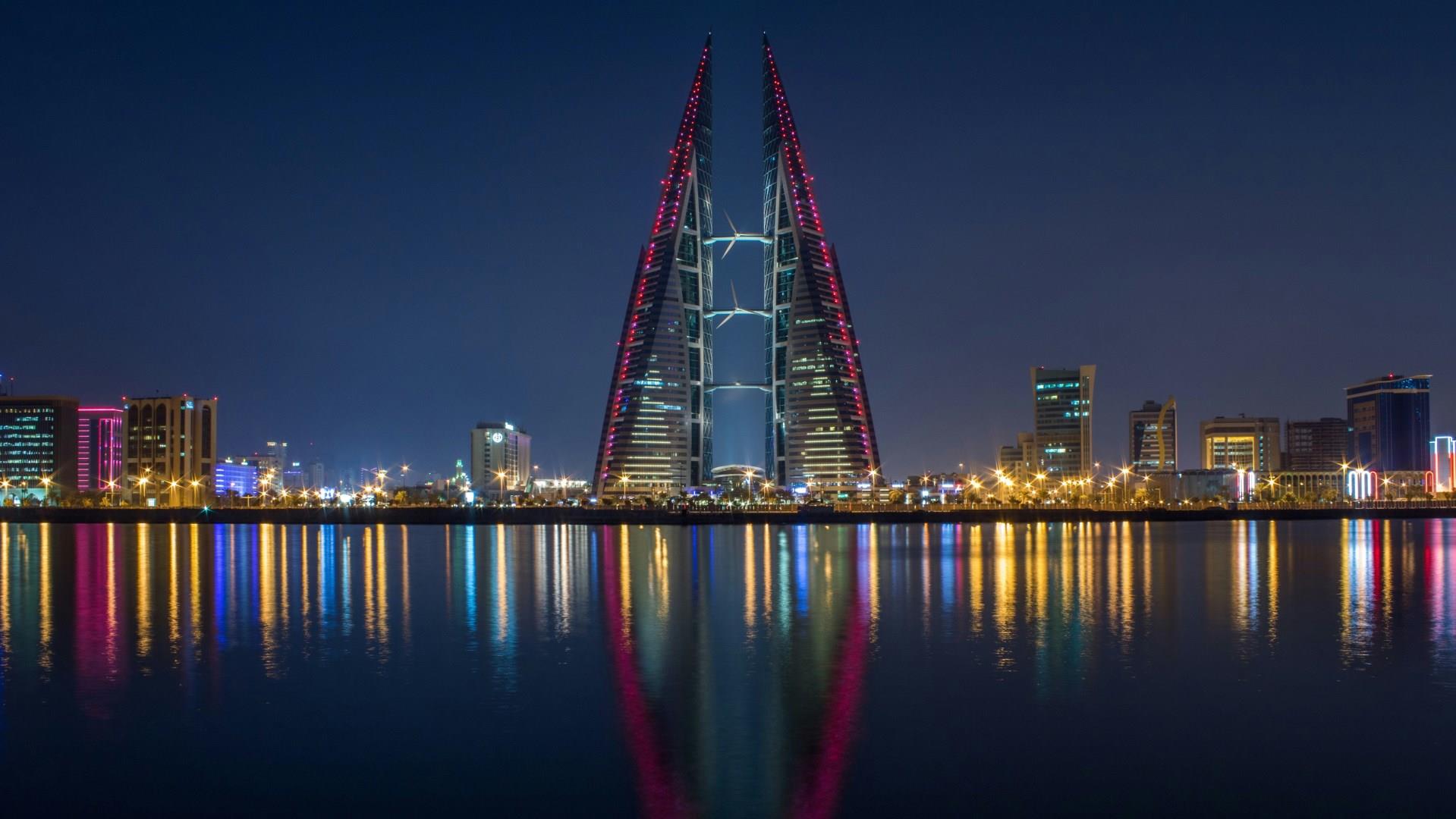
Manama
Manama pulses with stories from long ago and today. Just beyond the modern skyline lies Qal’at al‑Bahrain, a layered mound once the capital of Dilmun, used by societies from the Kassites to the Portuguese. Visitors can climb its crumbling stairways and imagine life across centuries there. Nearby, the Bahrain National Museum, opened in 1988 in a stately waterside building, displays archaeological finds from ancient Dilmun to modern-day artifacts and is one of the Gulf's first modern museums.
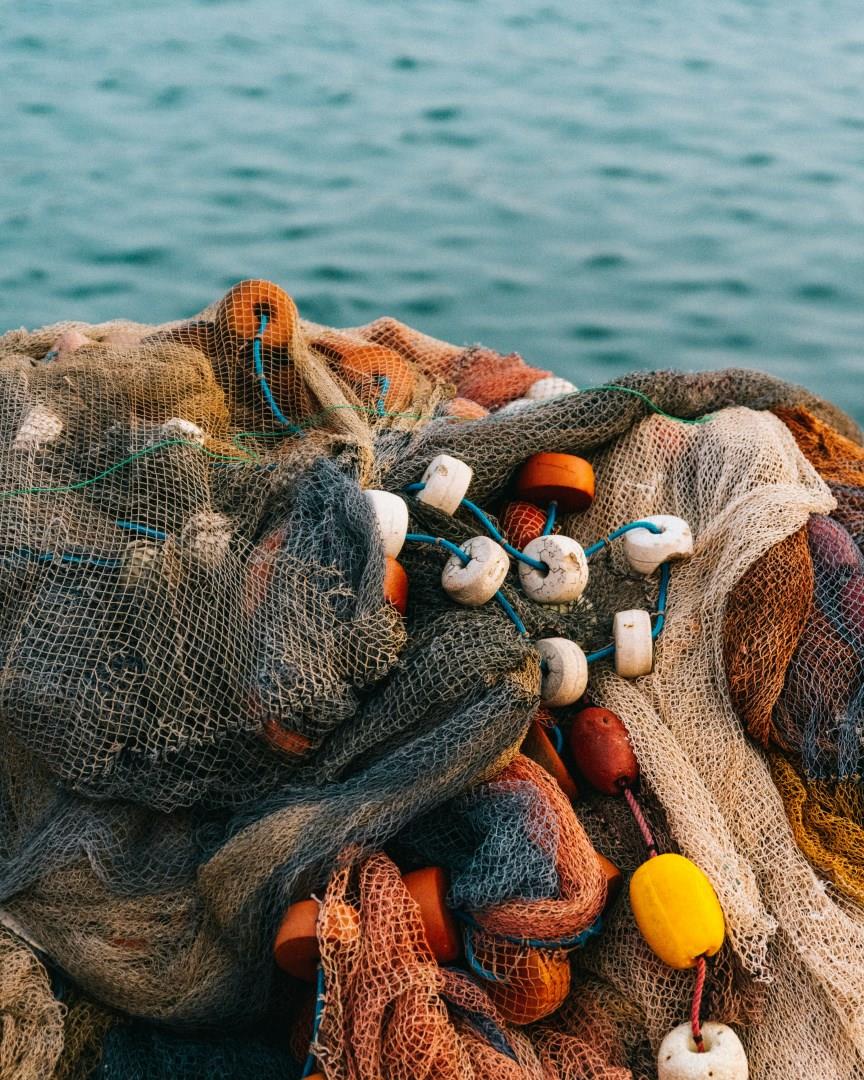
Palmeira
On the north-western coast of Sal Island in Cape Verde sits Palmeira, an authentic fishing settlement where day-to-day life still revolves around the sea. The village’s seaside restaurants serve grilled tuna, octopus, and flying fish fresh from the day’s catch. Just a short trip from the centre lies Buracona, a natural lava rock pool famous for the “Blue Eye,” a glowing underwater cave that shines when the sunlight hits at just the right angle.
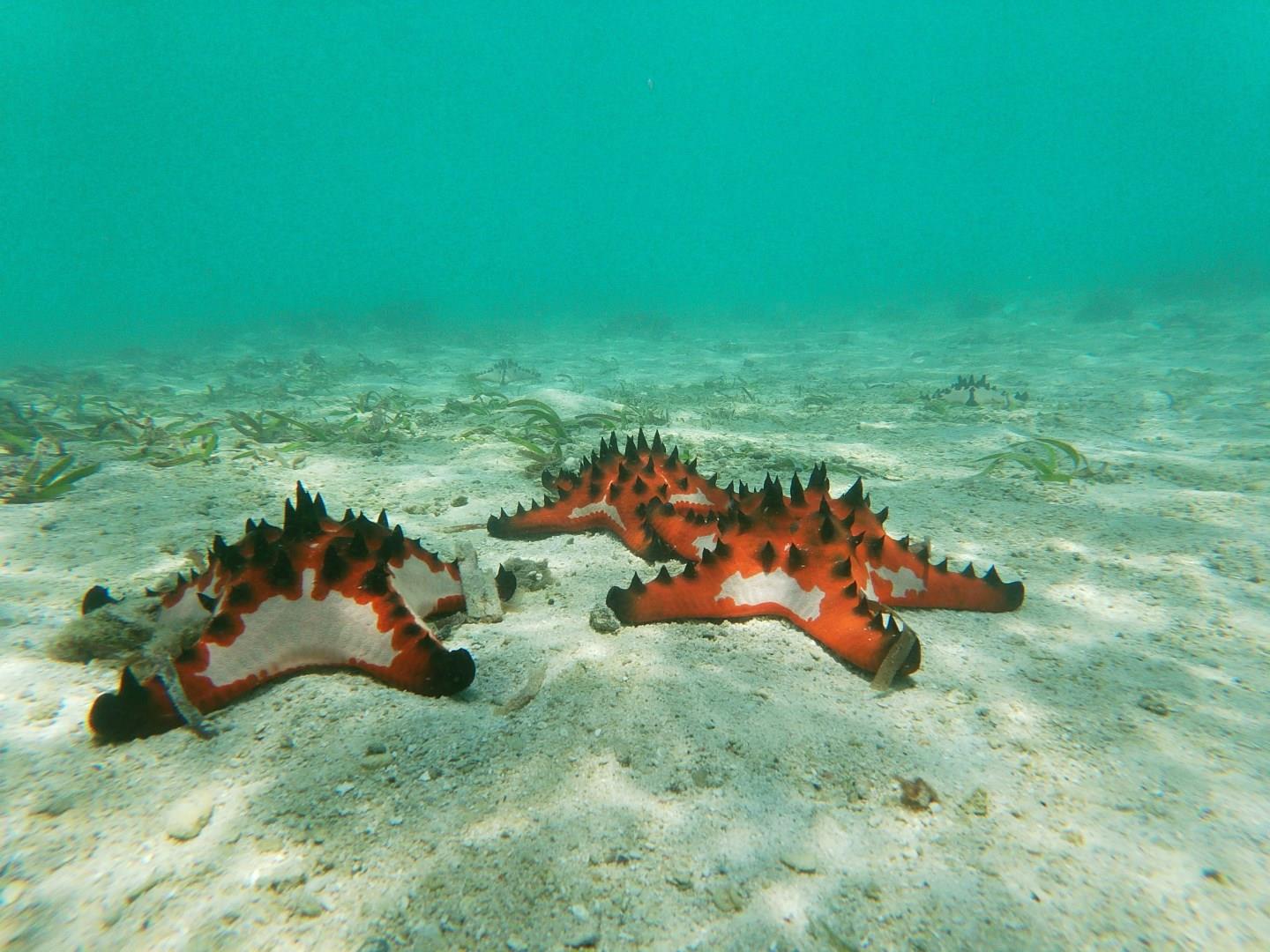
Port Vila
Port Vila, the vibrant capital of Vanuatu, offers a captivating blend of natural beauty, rich culture, and relaxed island charm. Nestled on the southern coast of Efate Island, Port Vila is renowned for its picturesque harbor, lush landscapes, and bustling market scene. Visitors can immerse themselves in the local culture at the Port Vila Market, where colorful stalls brim with fresh produce, handcrafted souvenirs, and traditional island fare.
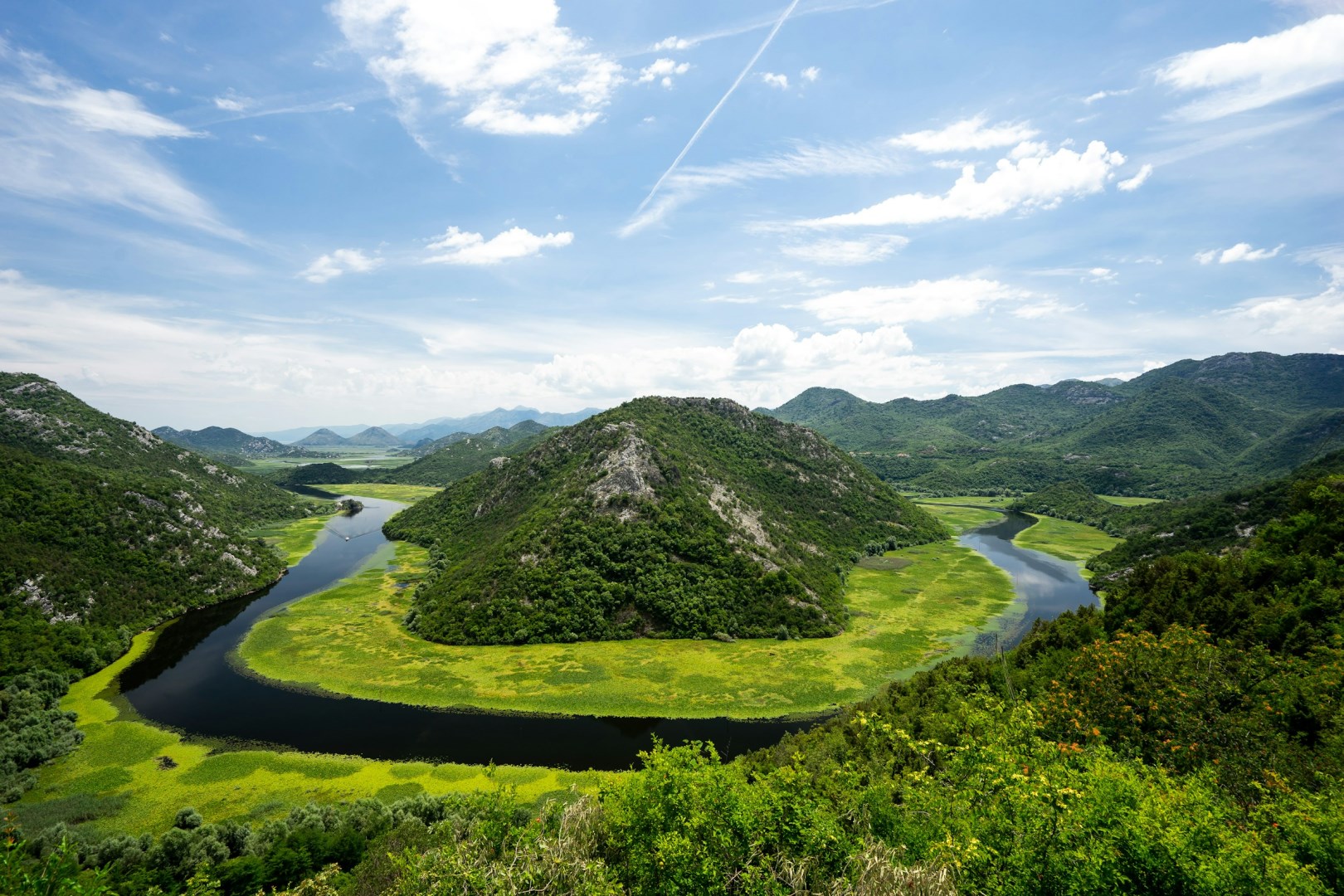
Skadar Lake National Park
Skadar Lake National Park protects the Montenegrin side of Lake Skadar, the largest lake in the Balkans, near the country's southern border with Albania. The lake expands and contracts with seasonal water levels, creating a landscape of marshes, reed beds, open water, rocky shores, and low hills. The park is especially important for wetland wildlife and contains a rich variety of fish, plants, and birds.
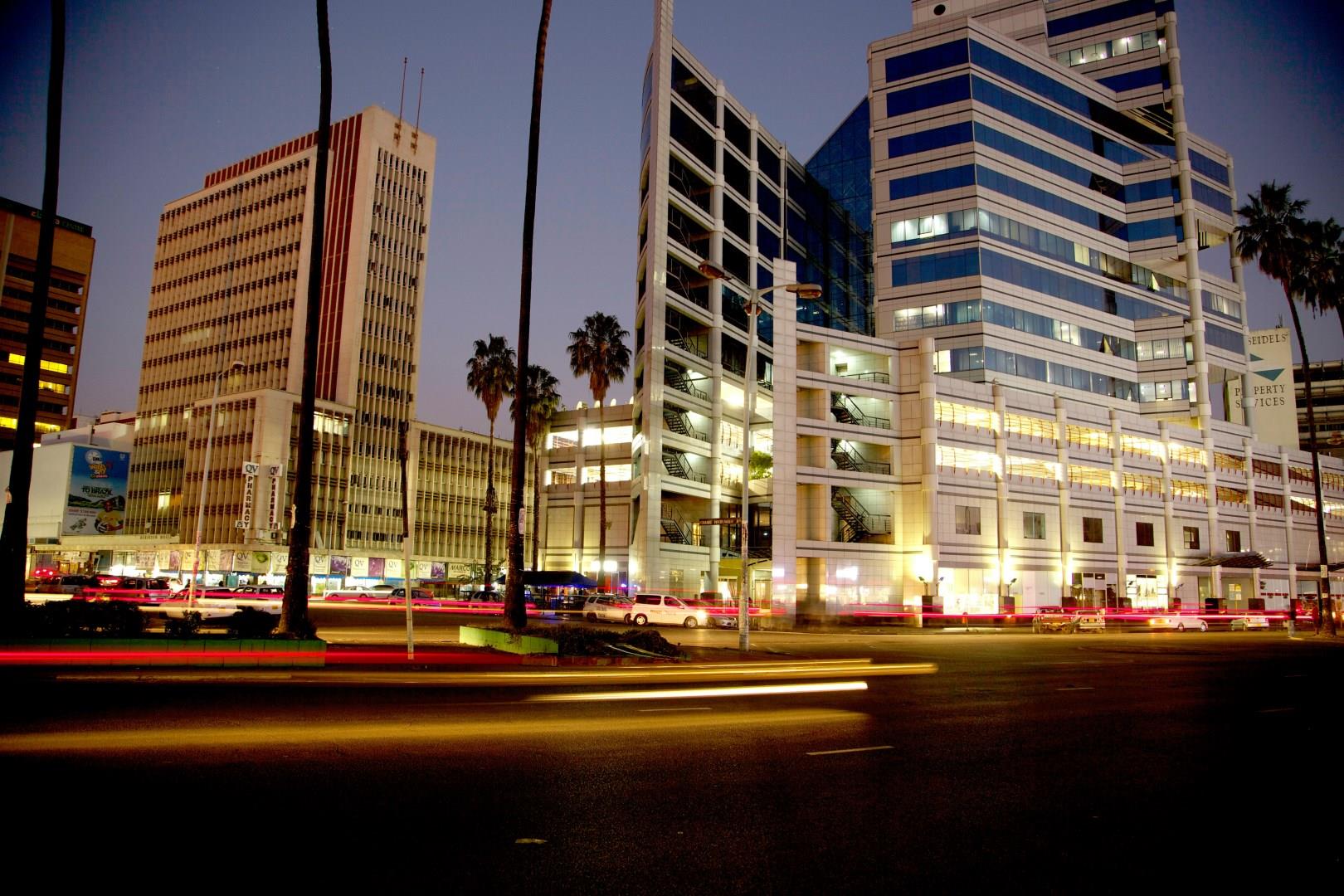
Harare
Harare, the vibrant capital of Zimbabwe, is a city that blends modern life with cultural depth. Set on a high plateau, it enjoys a pleasant climate year-round, with tree-lined avenues and blooming jacarandas that give it a distinctive character.
