

Cienfuegos
Cienfuegos, located on Cuba’s south coast along a sheltered bay, stands apart from many other Cuban cities due to its distinct European origins. Founded in 1819 by French settlers, the city developed with a carefully planned layout, wide avenues, and neoclassical architecture that earned it the nickname “La Perla del Sur.”
Sidemen
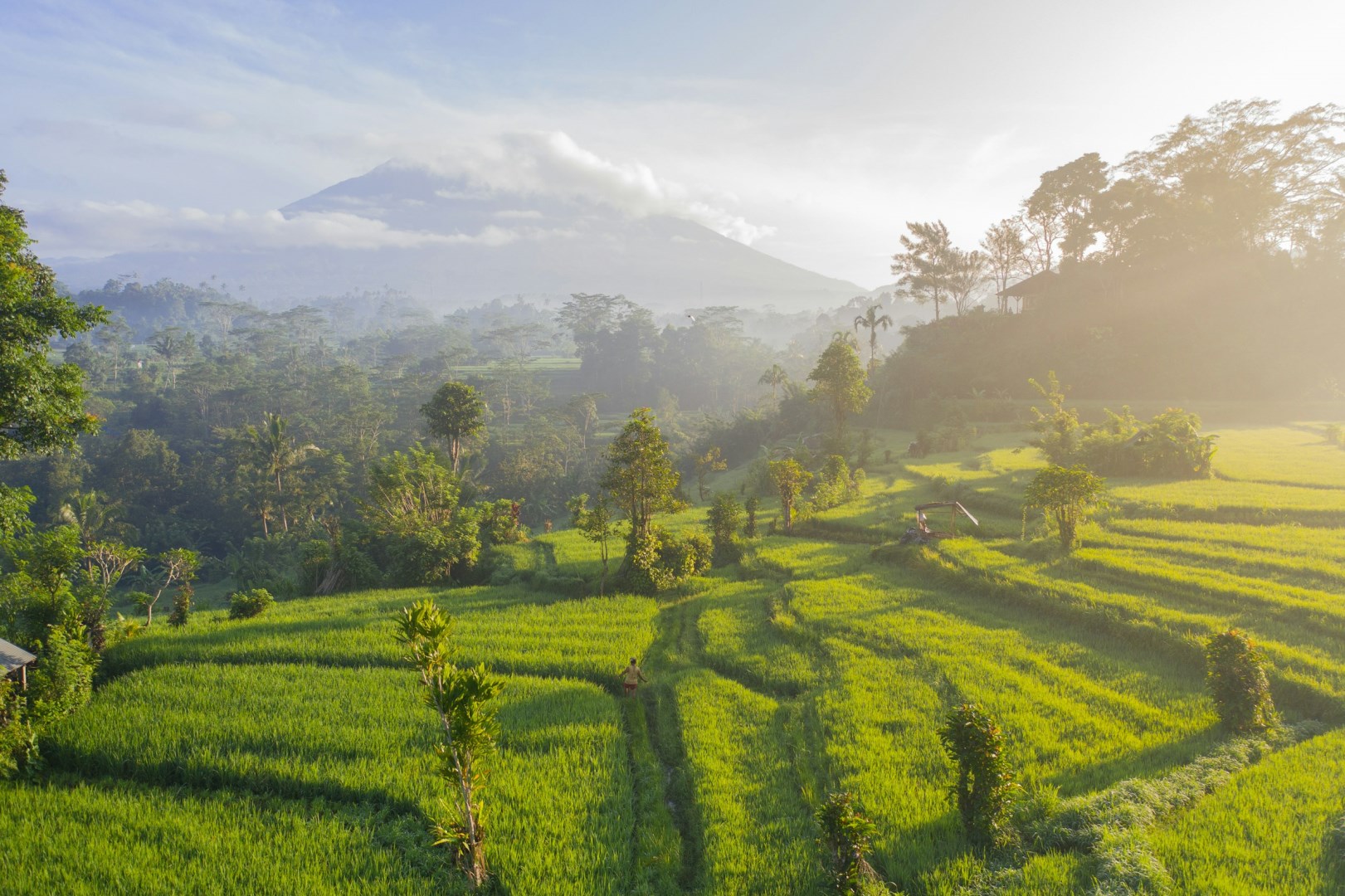
Sidemen is a rural valley in eastern Bali, surrounded by rice fields, wooded hills, small villages, and views toward Mount Agung. Located in Karangasem Regency, the area is known for its agricultural landscape and traditional village setting rather than a large urban center. Narrow roads and walking paths pass through cultivated fields, irrigation channels, gardens, and settlements, providing a close view of everyday life in Bali's countryside.

Wurzburg
Raise a glass and toast Würzburg, an enchanting, Franconian wine-producing area on the Main River, and one of Germany's oldest cities. Wine bars and cellars abound here, but there's also plenty of wonderful history and striking Baroque and rococo architecture to behold.
Sceilg Mhichíl
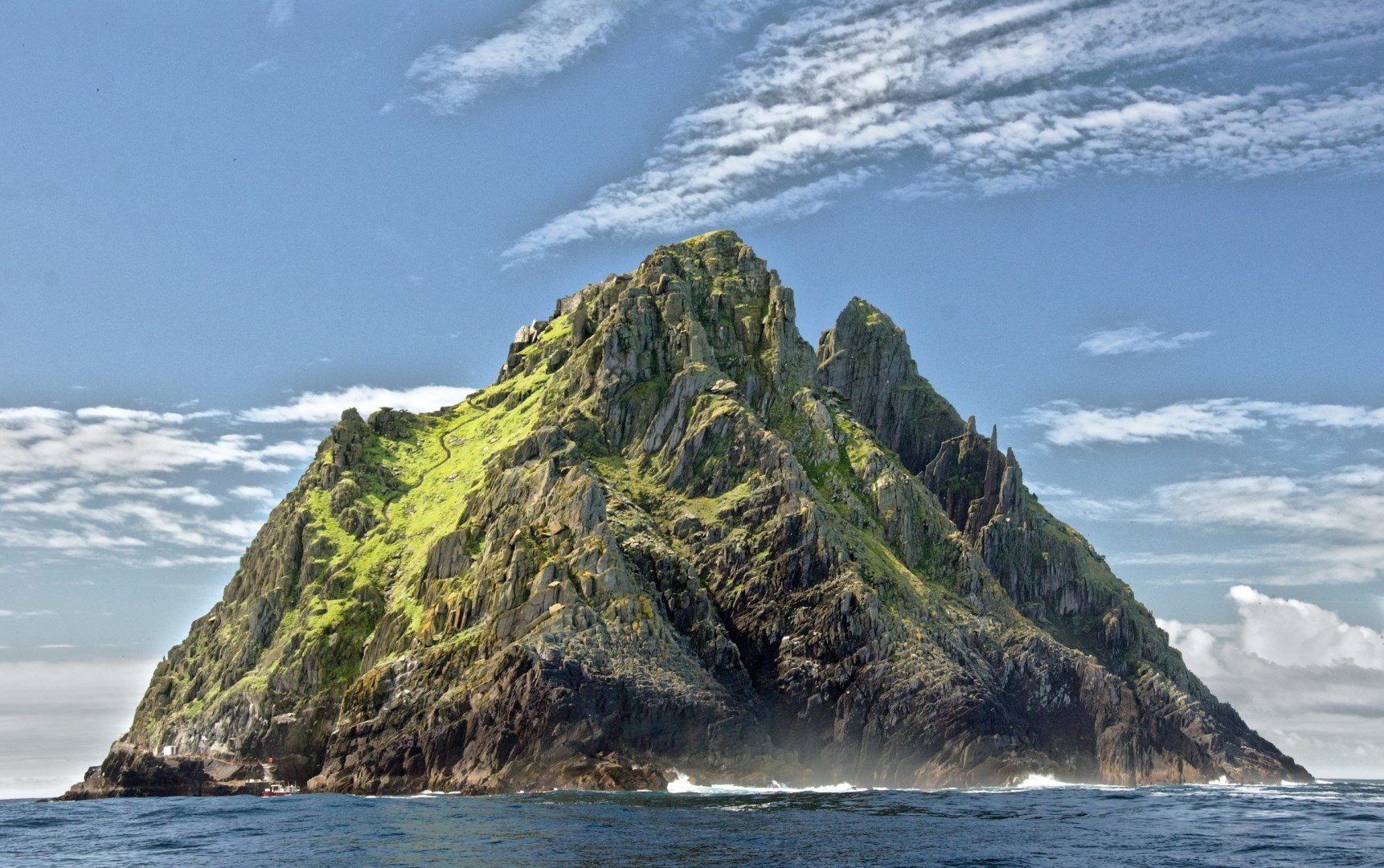
Sceilg Mhichíl, also known as Skellig Michael, is a steep rocky island in the Atlantic Ocean off the Iveragh Peninsula in County Kerry. Rising sharply from the sea, the island is dominated by rugged peaks, exposed cliffs, and narrow terraces. Its remote position helped preserve an early Christian monastic settlement that occupies a high ridge above the landing points.
Inveraray
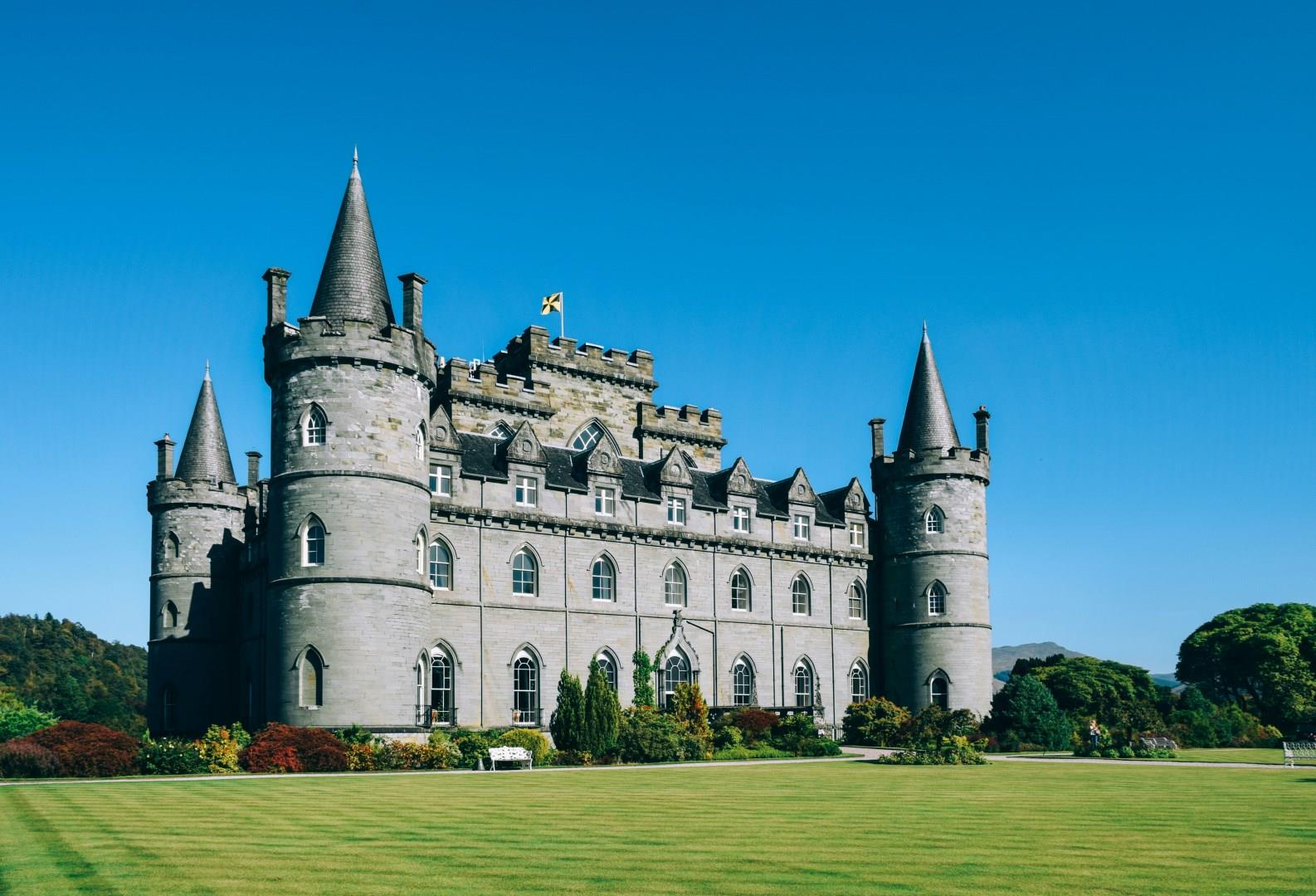
Inveraray, a small town on the western shore of Loch Fyne in Argyll and Bute, Scotland, offers visitors a glimpse into 18th-century planning and Highland heritage. Built largely in the mid-1700s under the direction of the 3rd Duke of Argyll, the town features Georgian architecture, wide streets, and an unusual level of symmetry for a rural Scottish settlement. The main street, lined with whitewashed buildings, leads down to the loch’s edge, where fishing boats and leisure vessels come and go.
