

Georgetown
Georgetown, the vibrant capital of the Cayman Islands, offers an alluring blend of Caribbean charm and modern sophistication. As the bustling heart of the Grand Caymans, it is renowned for its picturesque harbor, duty-free shopping, and a rich tapestry of cultural experiences.
Chitre
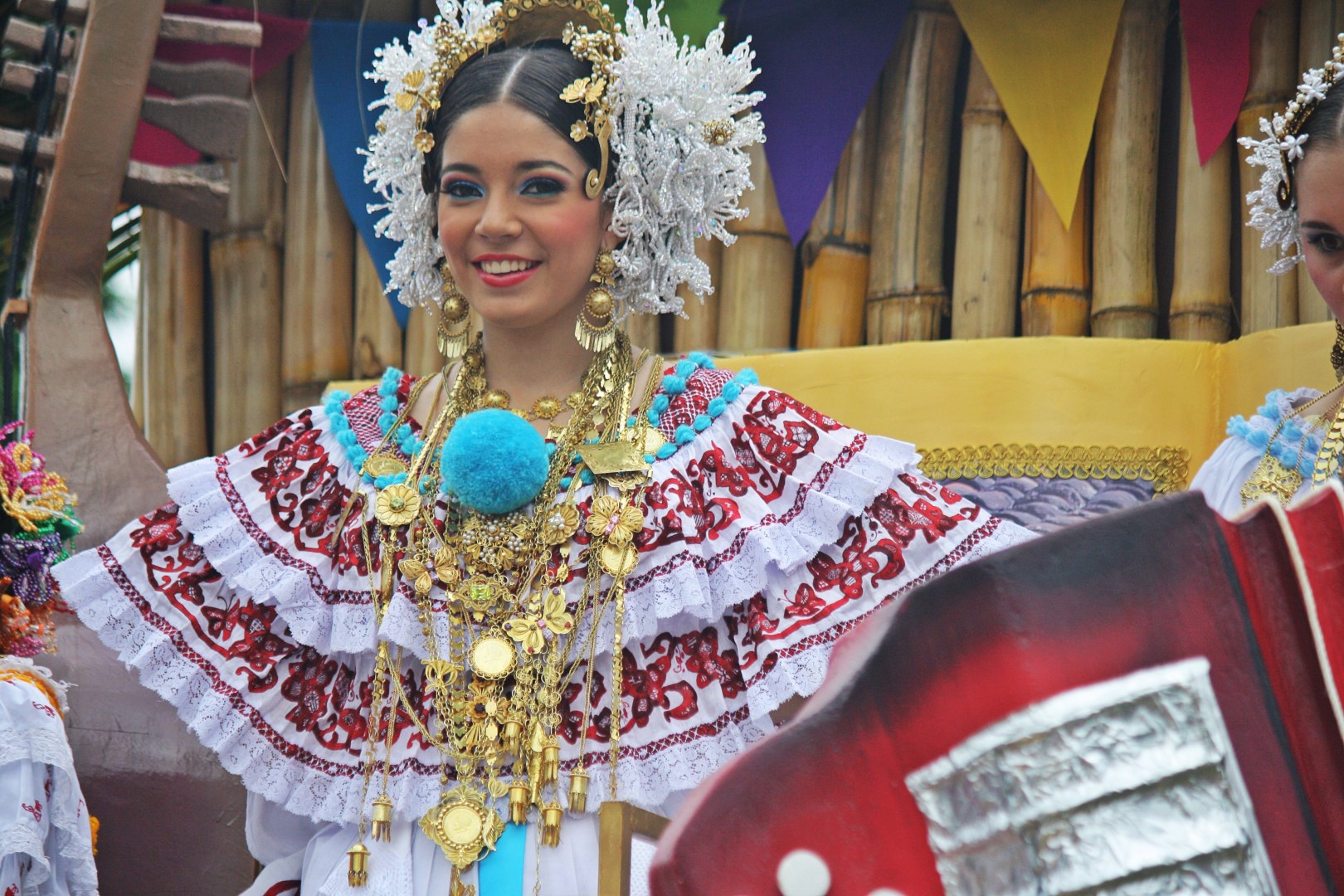
Chitré is a city in central Panama, located on the Azuero Peninsula and serving as the capital of Herrera Province. The cultural identity of Chitré is closely tied to folkloric traditions that remain visible in clothing, music, and public celebrations.
Tonga
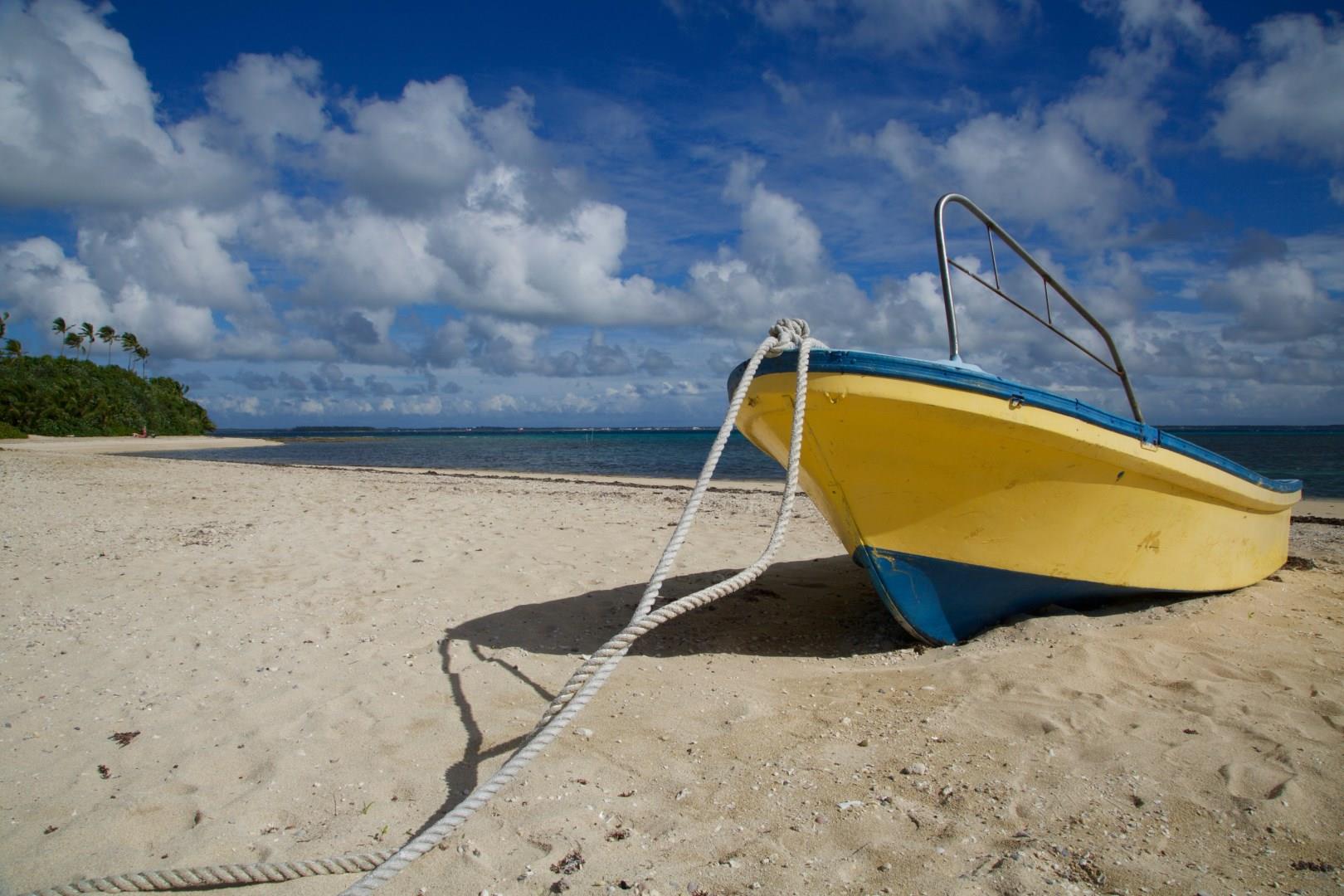
Tonga is distinctly different to its neighboring island nations. This Polynesian kingdom, made up of 170 islands, carries a proud history that dates back over 3,000 years. On the main island of Tongatapu, travelers can explore ancient stone structures like the Haʻamonga ʻa Maui Trilithon—sometimes called the Stonehenge of the Pacific. Royal tombs in Lapaha offer a glimpse into the lineage of Tonga’s kings, while village life remains guided by customs that have changed little over centuries.
Hluhluwe-iMfolozi Park
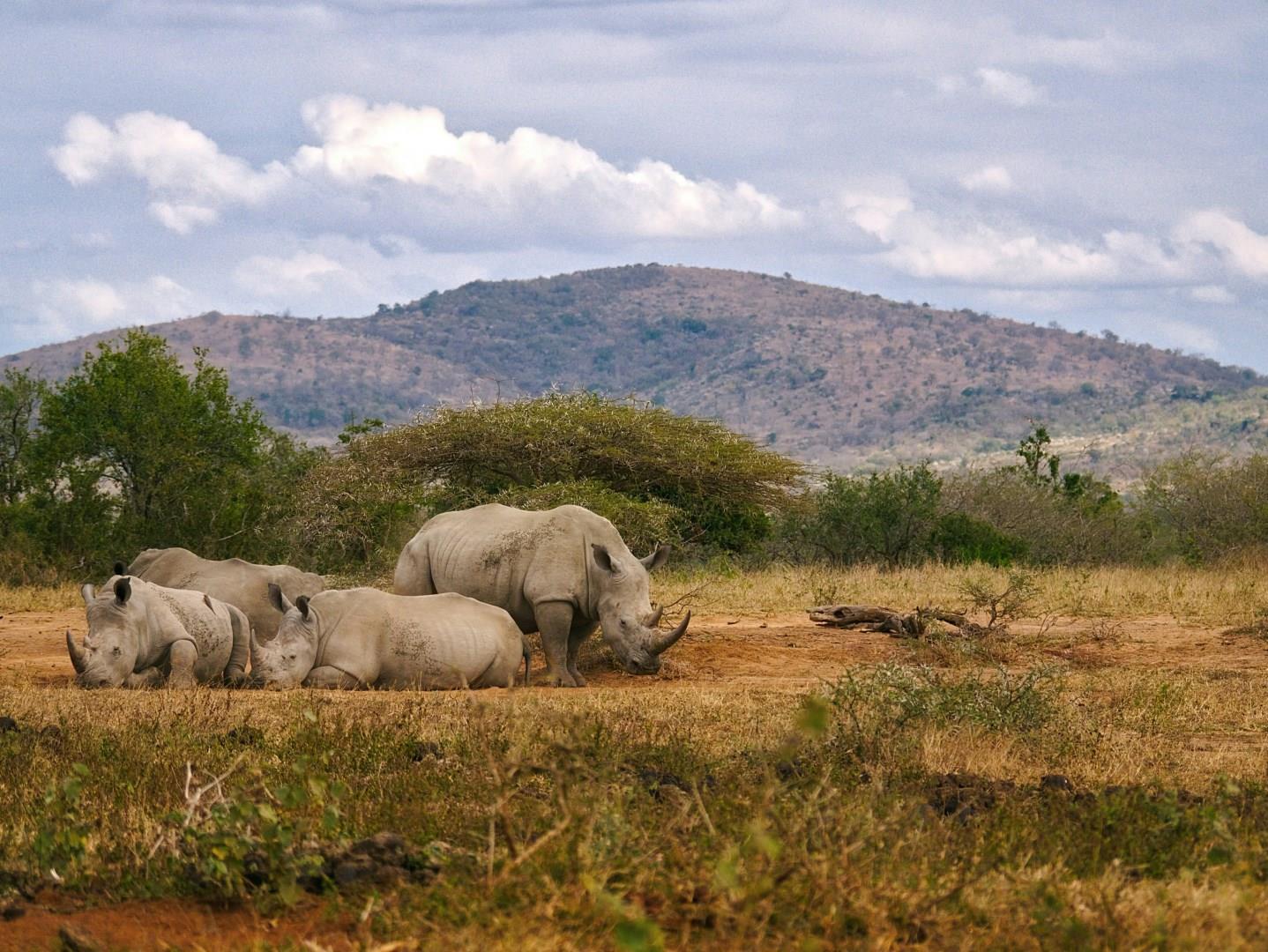
Hluhluwe–iMfolozi Park, in South Africa’s KwaZulu-Natal province, is one of the country’s oldest protected areas and holds deep historical importance in conservation.

Puno
Situated on the shore of Lake Titicaca, Puno is referred to as the folkloric capital of Peru due to its artistic and cultural expressions, particularly dance. Notable landmarks include the Andean baroque-style Puno Cathedral and the Yavari, a 19th-century steamship. Products created from alpaca, llama, or sheep wool are a signature of the area, as well as musical instruments like the siku.
