
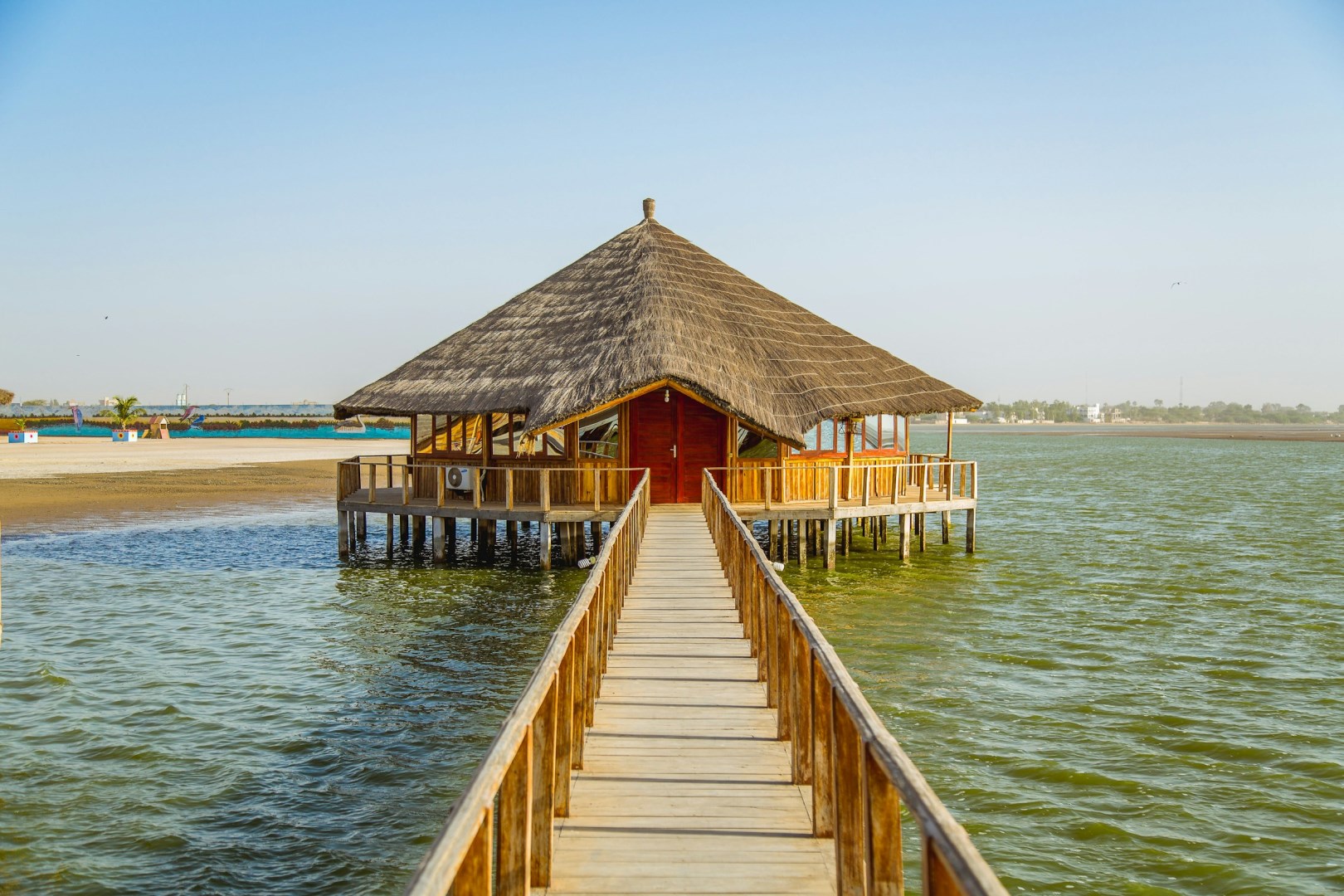
Kaolack
Kaolack is a major city in central Senegal, located along the Saloum River and serving as an important commercial center for the surrounding agricultural region. Its position near the river and at the crossroads of routes linking Dakar with southeastern Senegal has helped make it a significant trading and transport hub.
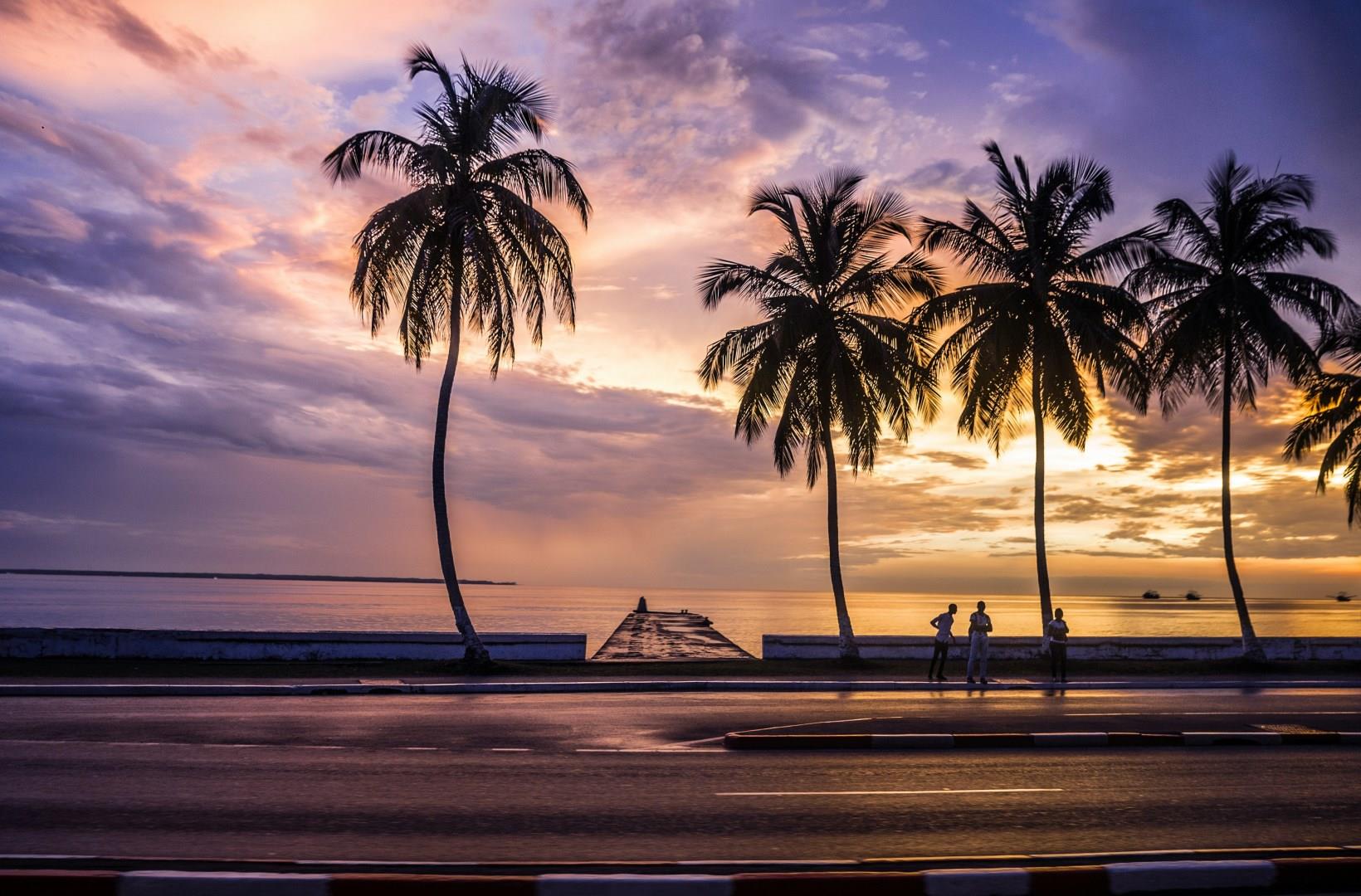
Libreville
Libreville, the capital of Gabon, stretches along the Atlantic coast with a mix of modern streets, colonial-era buildings, and bustling markets.
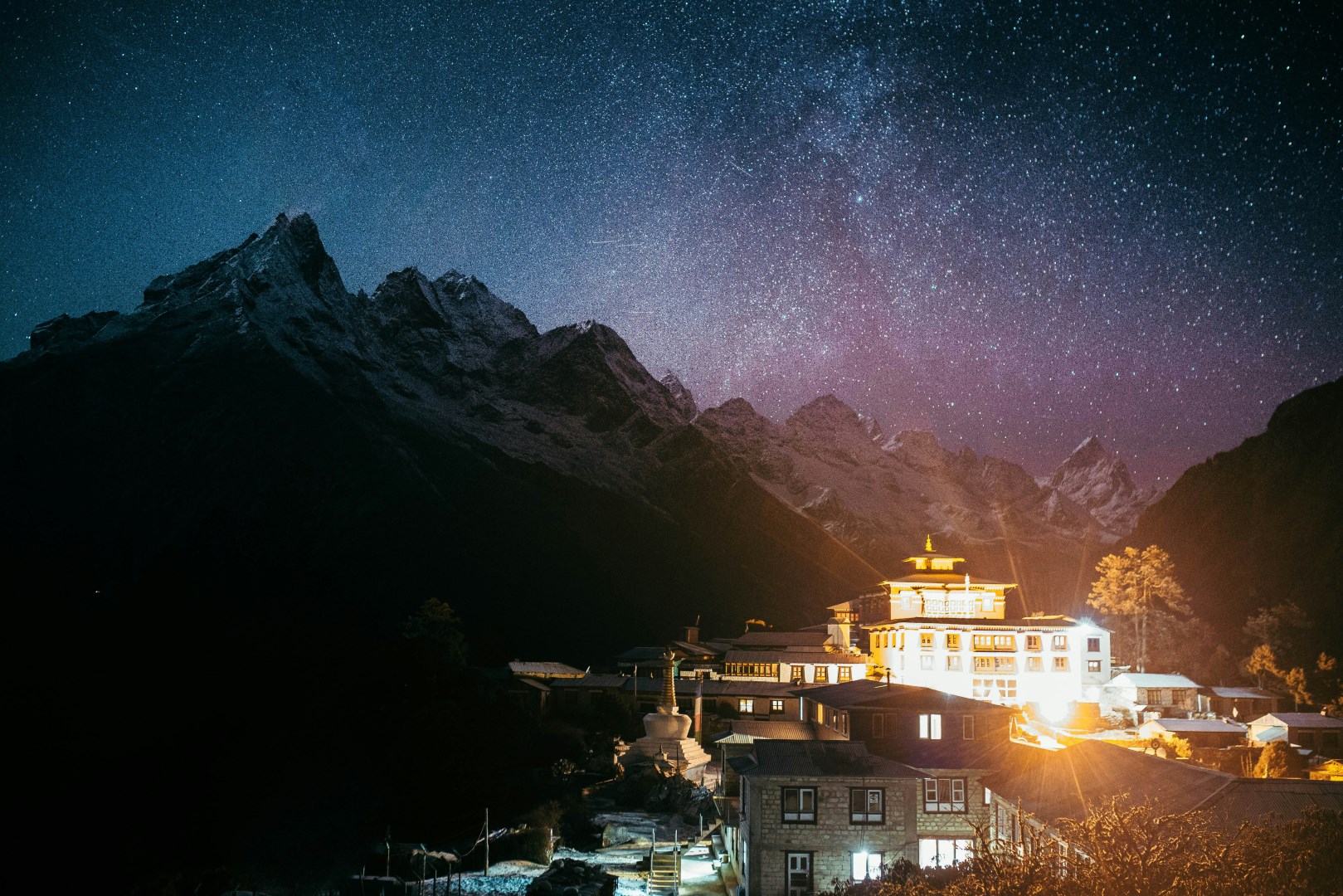
Tengboche
Perched on a ridge overlooking the Dudh Koshi River valley, Tengboche is home to one of the most iconic monasteries in the Himalayas. The Tengboche Monastery dominates the skyline, its whitewashed walls and golden roof visible from miles around. Surrounded by towering peaks such as Ama Dablam, Kangtega, and Thamserku, the village offers visitors sweeping panoramas and a sense of quiet reflection high in the mountains.

Bay of Islands
Three hours north of Auckland, a chain of verdant islands meet glittering turquoise waters in the Bay of Islands. This subtropical paradise will astound you with its abundance of natural beauty and marine life. Sail to the Bay of Islands, and you'll find plenty to see and explore. Hike to stunning Rainbow Falls, kayak along the shores of New Zealand's lush coastline, and keep an eye out for whales, dolphins, penguins, and a variety of colorful parrots.

Belfast
Belfast, the vibrant capital of Northern Ireland, is a city steeped in rich history and brimming with cultural charm. Known for its role in the Industrial Revolution, it was once a major shipbuilding hub, most famously the birthplace of the RMS Titanic. Today, visitors can explore the Titanic Quarter, where the Titanic Belfast museum stands as a modern architectural marvel, offering a fascinating and interactive journey through the ship's history.
