
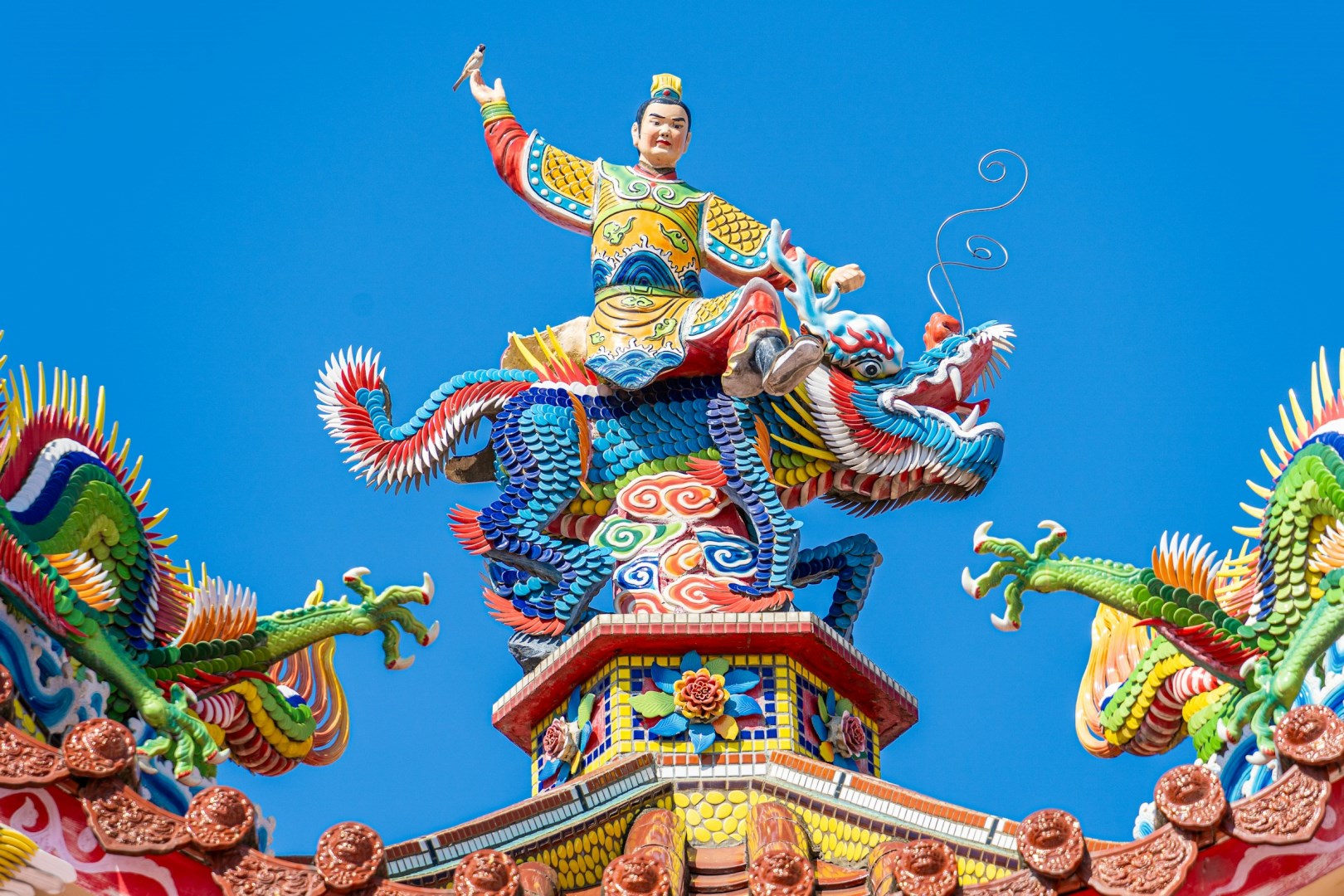
Taichung
Founded in 1721 by mainland Chinese, it is the third largest city in Taiwan. Occupied by Japanese from 1895-1945, it totally leveled and rebuilt. With many museums, gardens and universities, it is considered the cultural center of Taiwan.
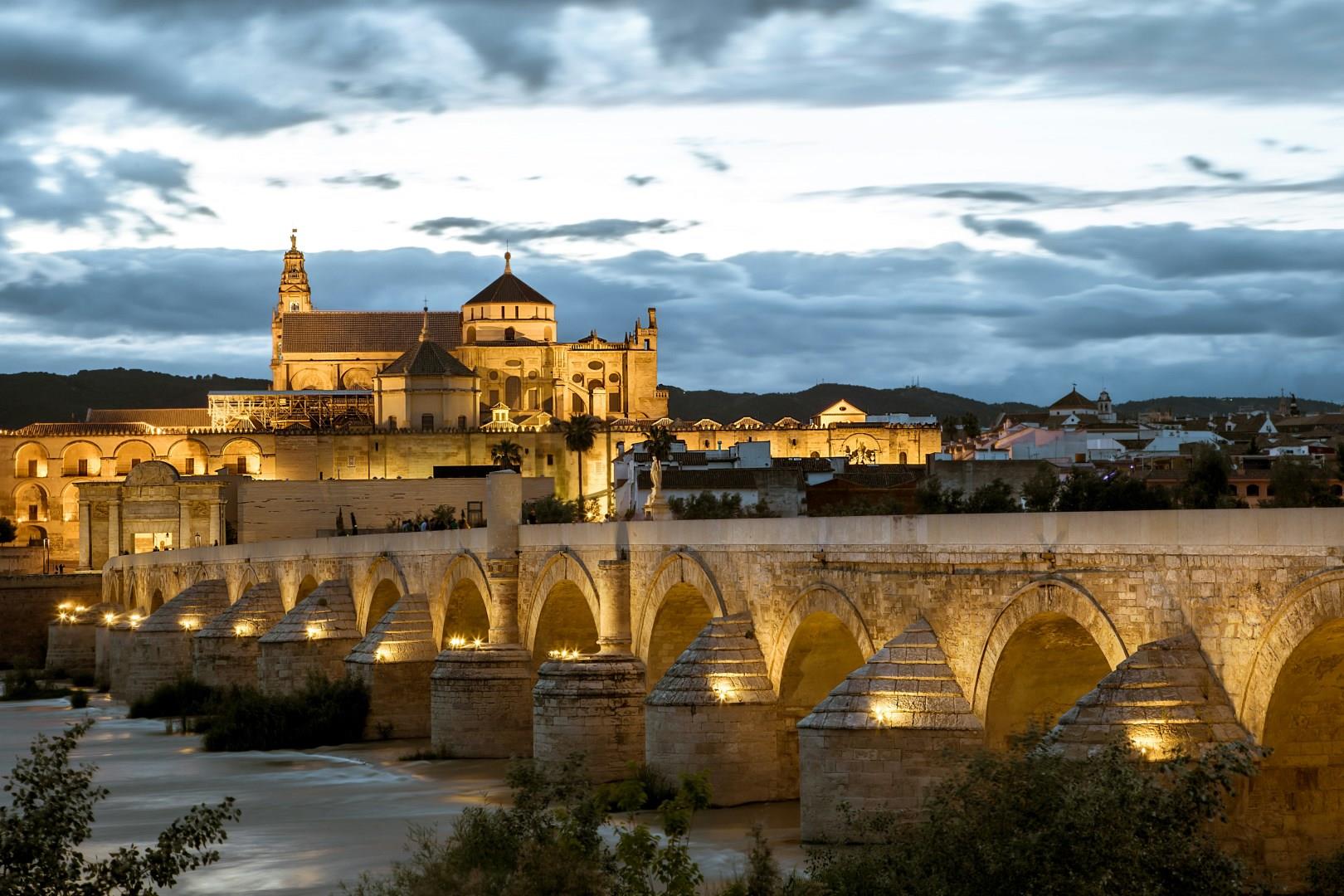
Córdoba
Córdoba, located in the heart of Andalusia, was once the most advanced city in Western Europe. During the 10th century, it served as the capital of Al-Andalus and was a center for learning, science, and art. Today, visitors walk the same streets that philosophers, poets, and physicians once crossed. The city’s most famous landmark, the Mezquita-Catedral, reflects its layered past. The red and white horseshoe arches inside are one of the most photographed interiors in Spain.
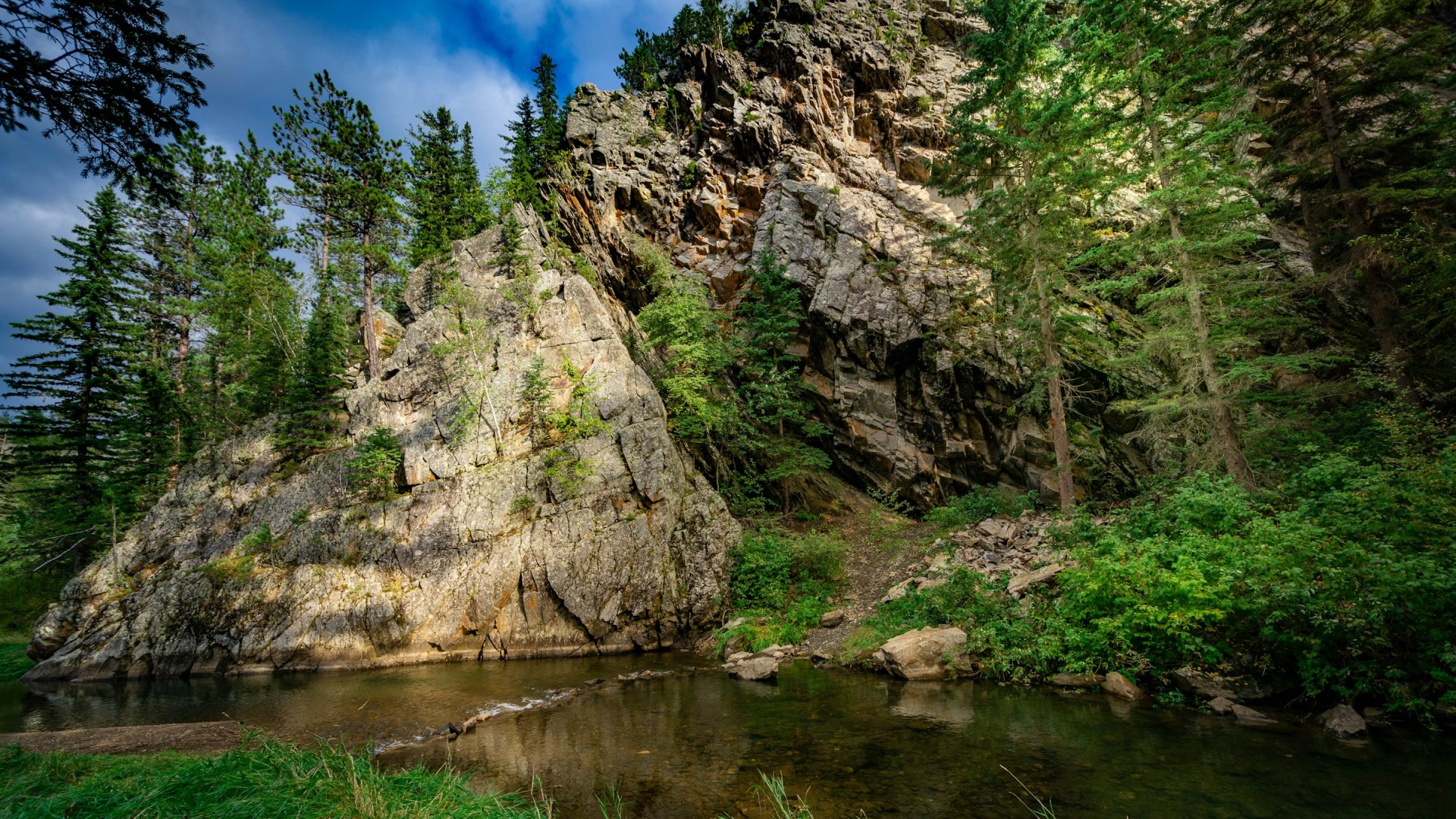
Black Hills National Forest
Black Hills National Forest covers a mountainous island of forests in western South Dakota, surrounded by the open plains of the Great Plains. The landscape includes granite peaks, narrow canyons, ponderosa pine forests, lakes, streams, and rolling grasslands. The forest stretches across a large portion of the Black Hills and contains some of the highest elevations in the region.
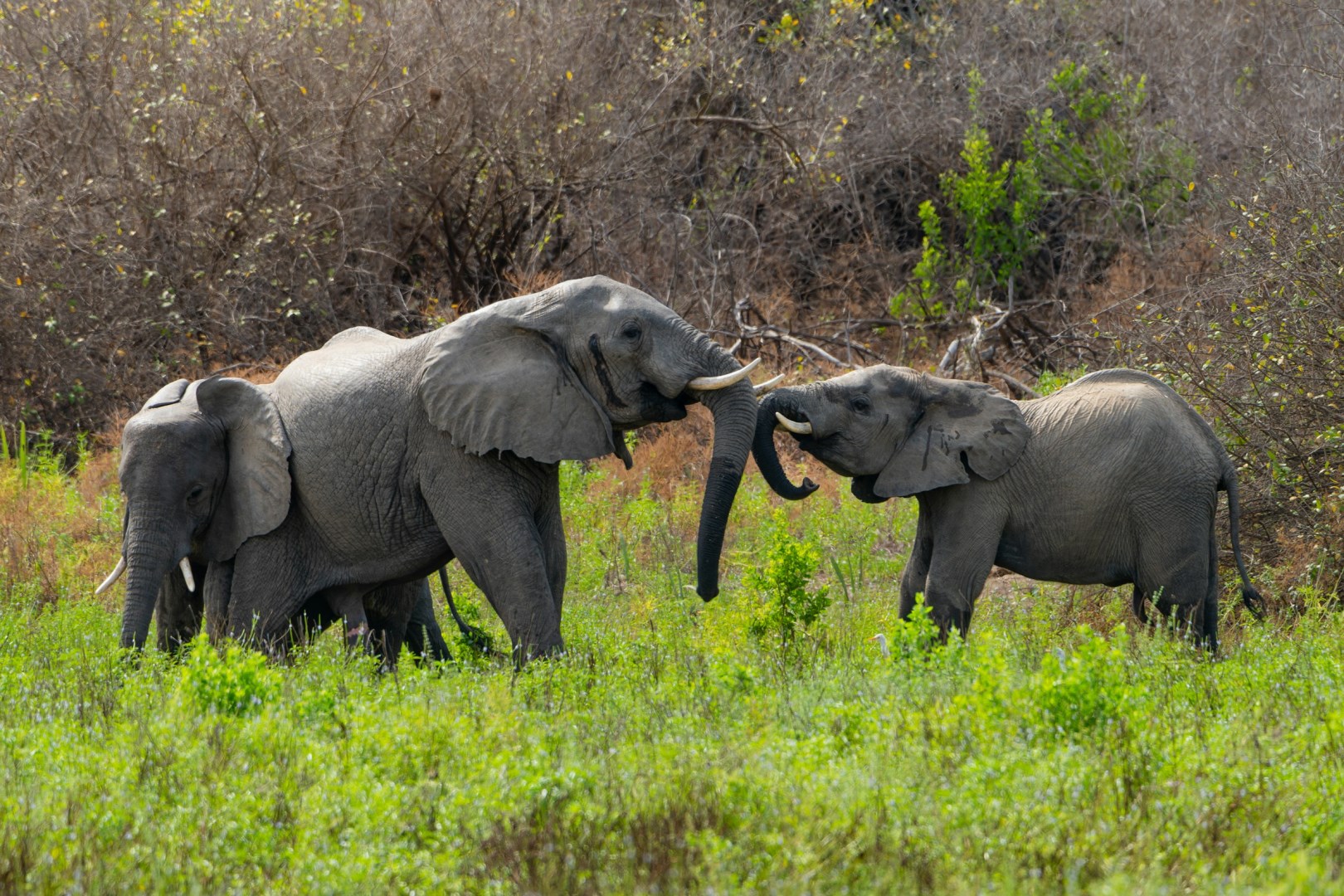
Nyerere National Park
Nyerere National Park is a vast protected area in southern Tanzania, centered on the Rufiji River and the surrounding miombo woodlands, floodplains, grasslands, and wetlands. It forms part of the wider Selous ecosystem and is one of Tanzania’s largest national parks, covering more than 30,000 square kilometres.
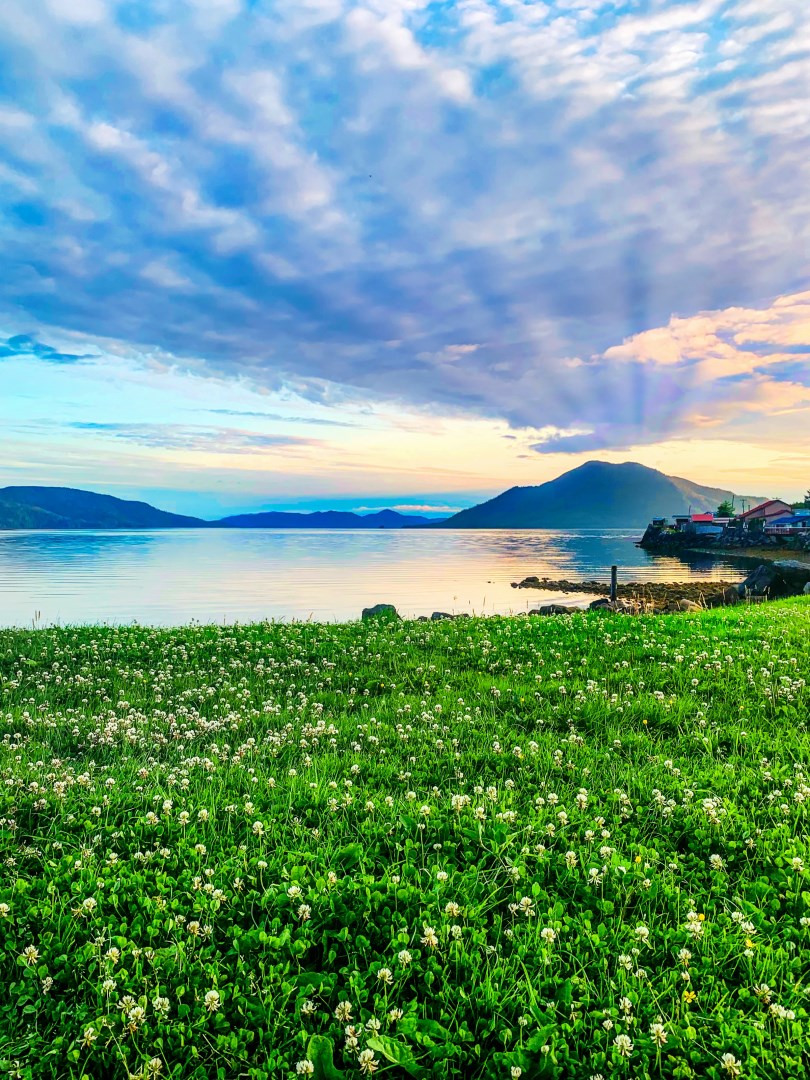
Prince of Wales Island
The island is dominated by a cool and moist maritime climate. During the summers, the average temperatures vary from 45 degrees to 75 degrees F. Yearly precipitation averages from 60" to 200" based on the exact locale.
