

Punakha
Punakha sits in one of Bhutan’s most fertile valleys, cradled where the Mo Chhu and Pho Chhu rivers meet. For centuries it served as the kingdom’s capital and remains a place rich with stories woven through its fields, temples, and riverbanks. The city’s low elevation brings warmer weather than much of Bhutan’s highland regions, and rice paddies fill the landscape with vivid green during planting and golden hues at harvest.
Kokand
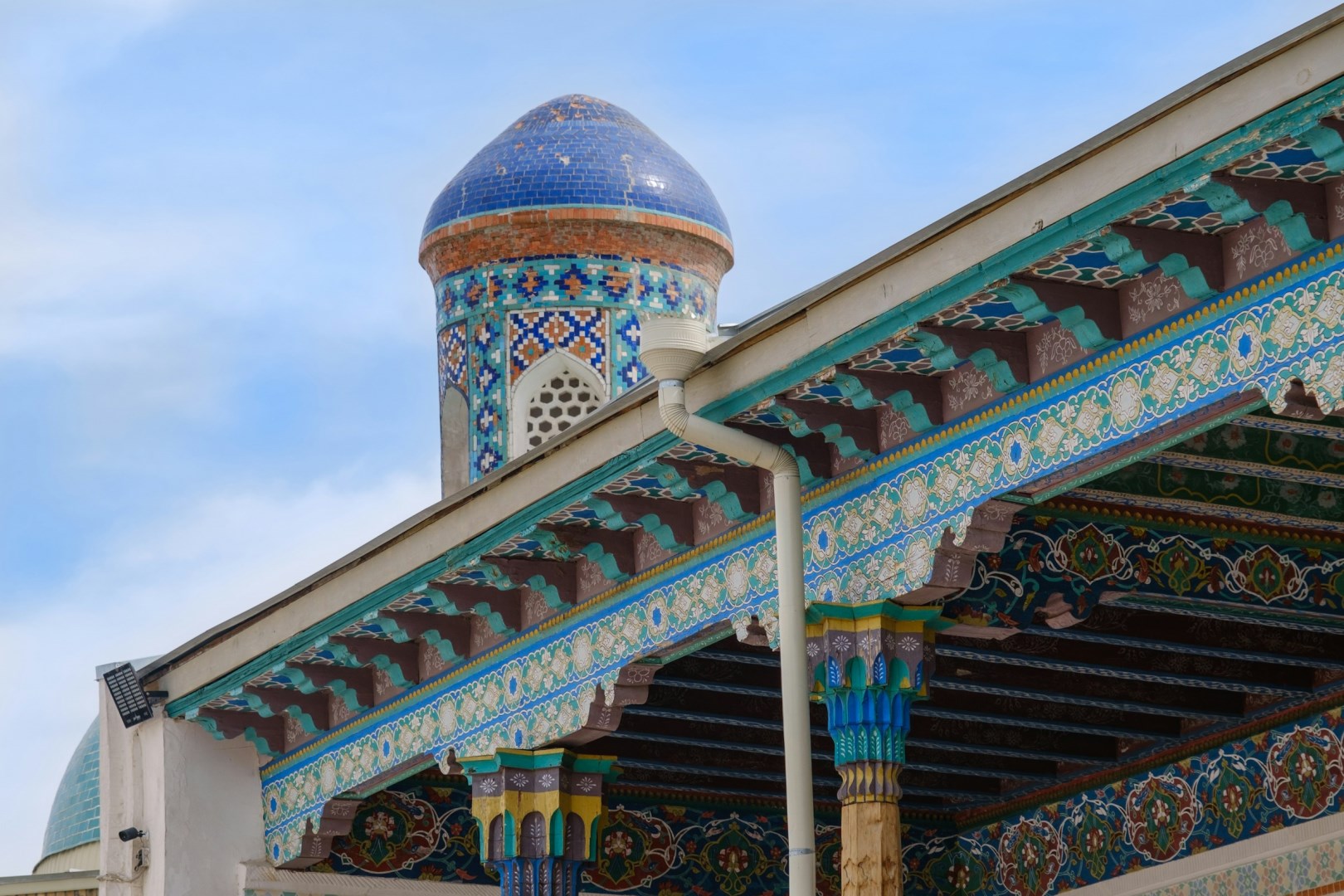
Kokand is a historic city in the eastern part of Uzbekistan’s Fergana Valley, known for its connection with the former Kokand Khanate and its long tradition of trade, scholarship, and craftsmanship. The city developed as an important center along regional routes linking the Fergana Valley with other parts of Central Asia. Today, Kokand combines broad streets and modern neighborhoods with mosques, madrasas, mausoleums, and palace architecture.
Kiawah Island
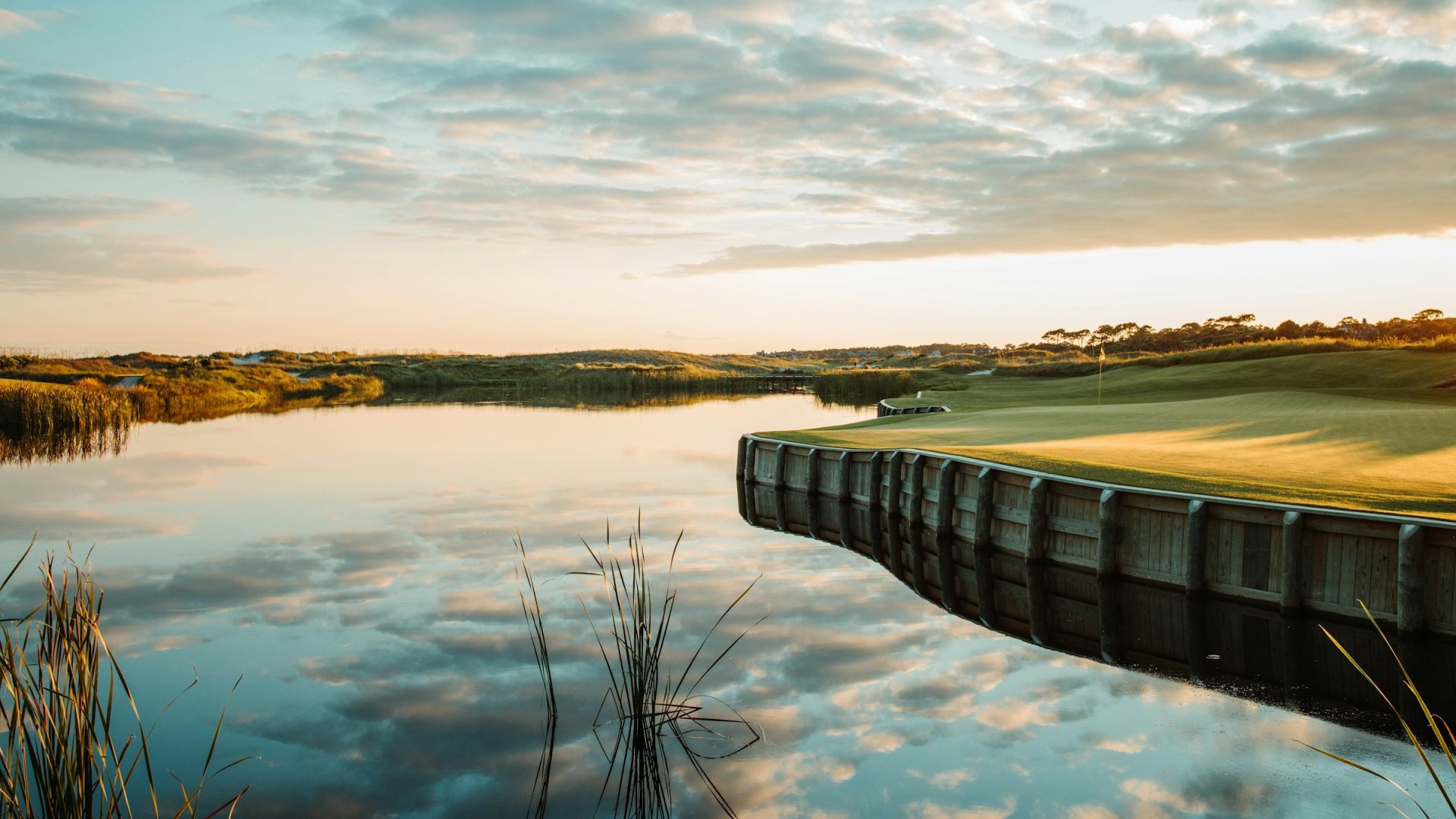
Kiawah Island boasts over 10 miles of wide, immaculate, ocean beach. Soothing by day, romantic by night, the beach is complimented by river, meandering lagoons, and pristine marshlands.
Cape Le Grand National Park
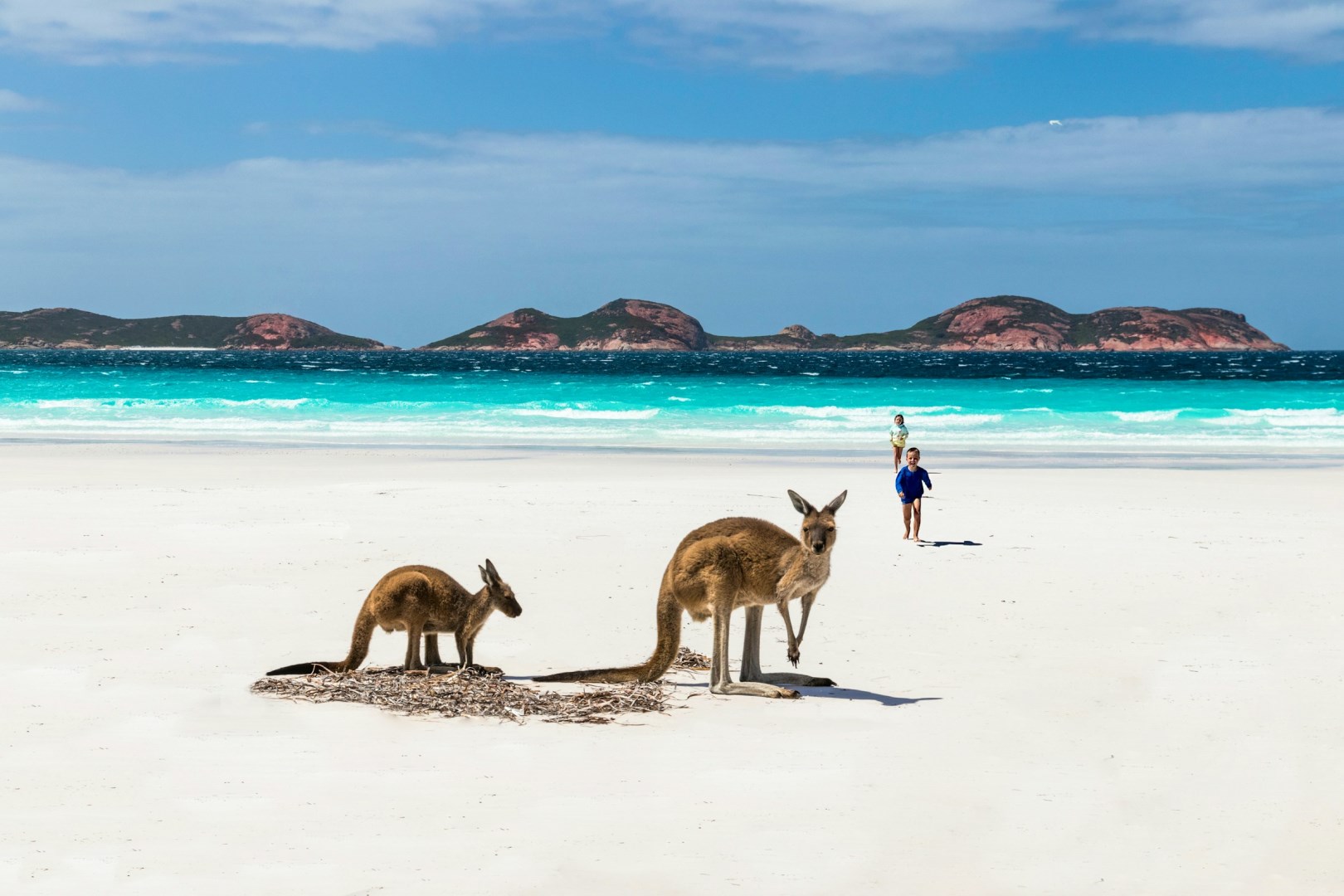
Cape Le Grand National Park lies on the south coast of Western Australia, east of Esperance, where granite peaks, coastal heath, freshwater pools, and white sandy beaches meet the Recherche Archipelago. The park is best known for Lucky Bay, where exceptionally white sand curves around clear turquoise water and kangaroos are often seen resting near the shoreline. Its remote coastal setting also supports a range of outdoor activities, including swimming, fishing, camping, kayaking, and bushwalking
Chilean Patagonia
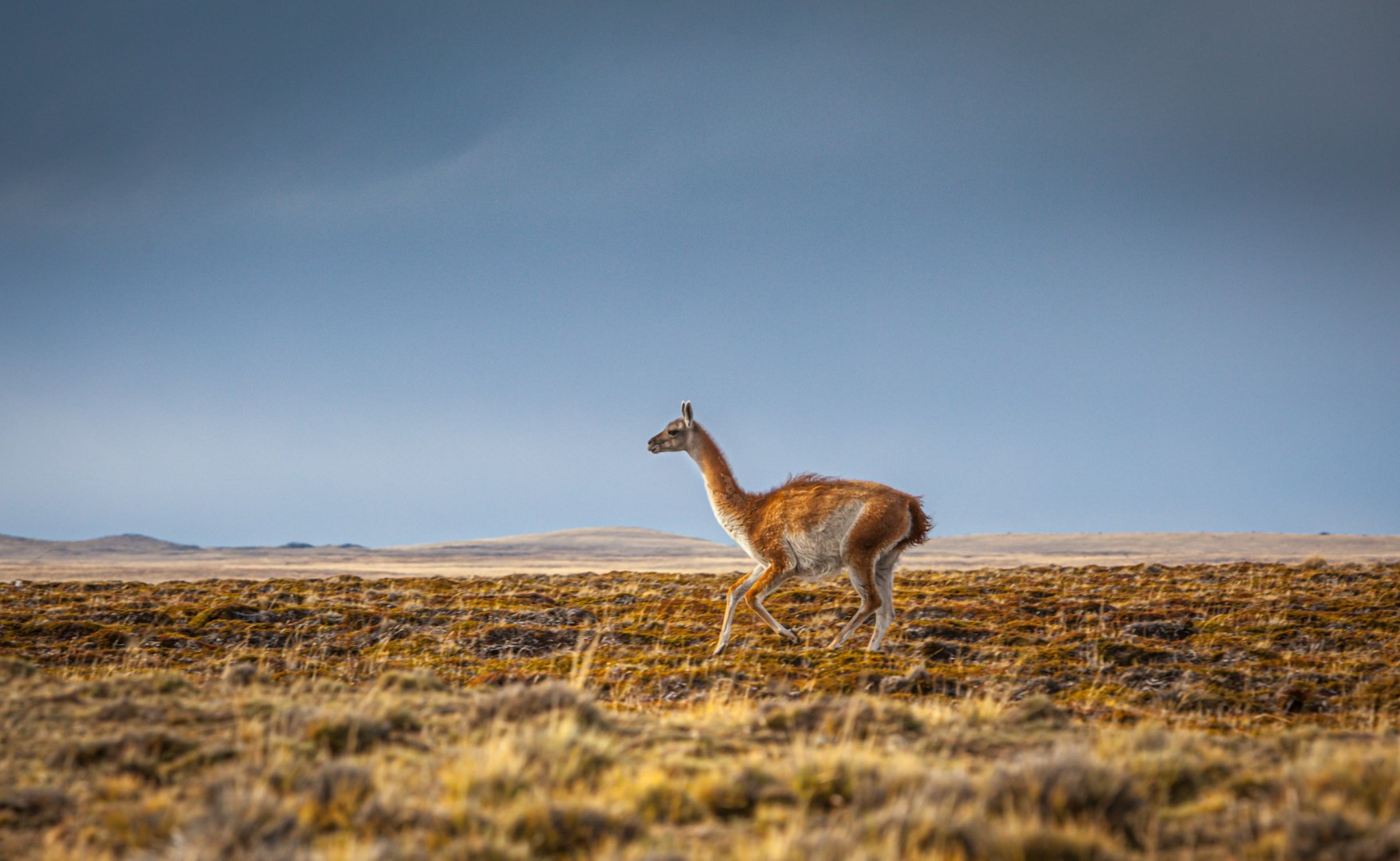
Chilean Patagonia is a vast southern region extending from the fjords and forests of Aysén to the mountains, steppes, and channels of Magallanes. Rather than a single destination, it encompasses remote towns, national parks, glaciers, islands, and long stretches of sparsely settled landscape. The Carretera Austral provides one of its main overland routes, linking places such as Coyhaique, Puerto Río Tranquilo, and Villa O’Higgins through forests, rivers, mountains, and fjords.
