

El Tunco
El Tunco is a small coastal village in the department of La Libertad, on El Salvador's central Pacific coast. It is named for the distinctive rock formation that sits offshore and is often described as resembling a pig, giving the beach its local name. The shoreline consists of dark volcanic sand, rocky outcrops, and strong Pacific surf, while low hills and tropical vegetation surround the village.
Butre
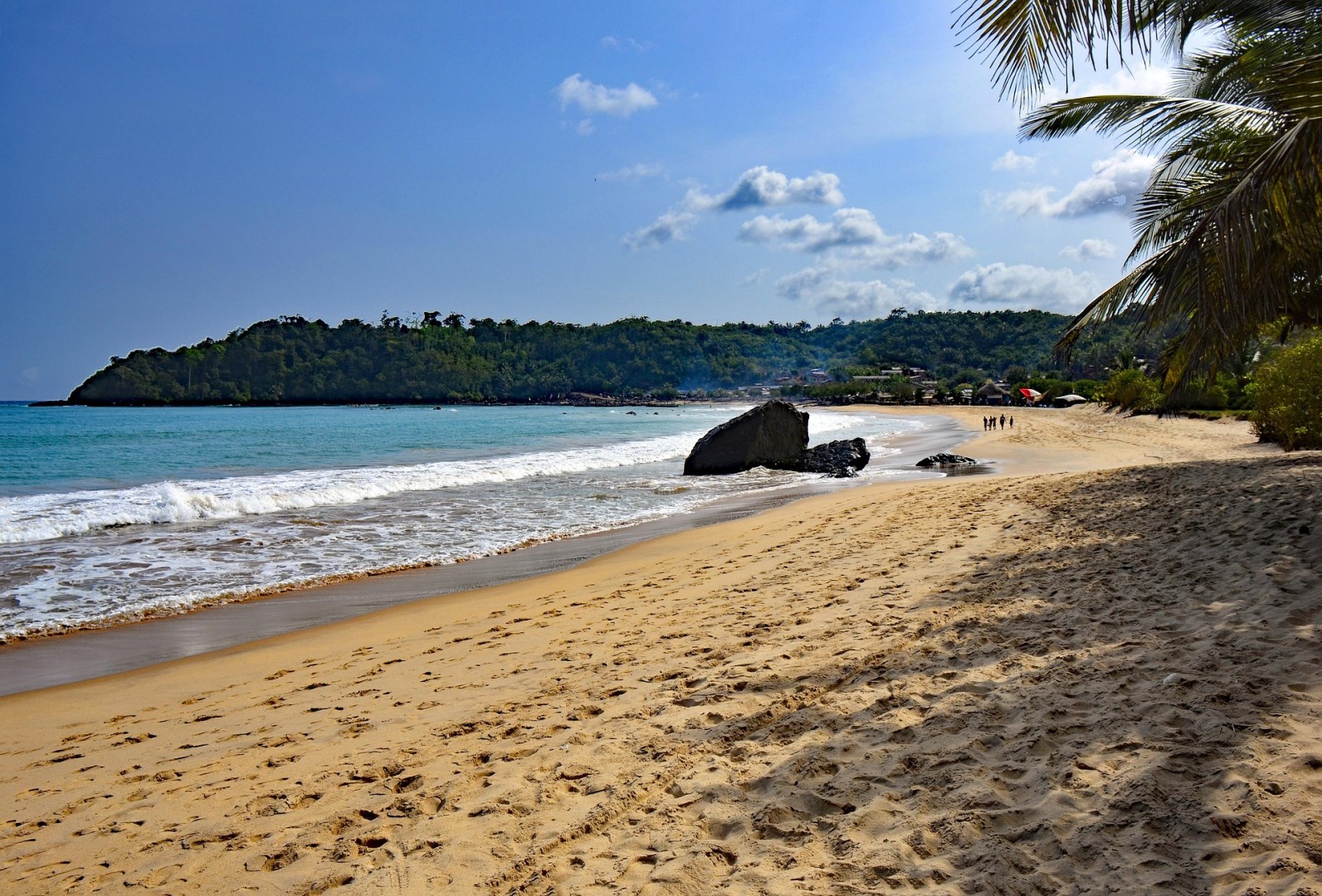
Butre is a small coastal village in Ghana’s Western Region, set around the Butre River near the Atlantic Ocean. Its landscape combines a fishing settlement, forested hills, wetlands, and a broad sandy shoreline. The village is known especially for Fort Batenstein, which stands on a hill overlooking the coast and the surrounding countryside. Fishing remains an important part of local life, while the nearby river creates a sheltered setting for small boats and canoes.
Kumamoto
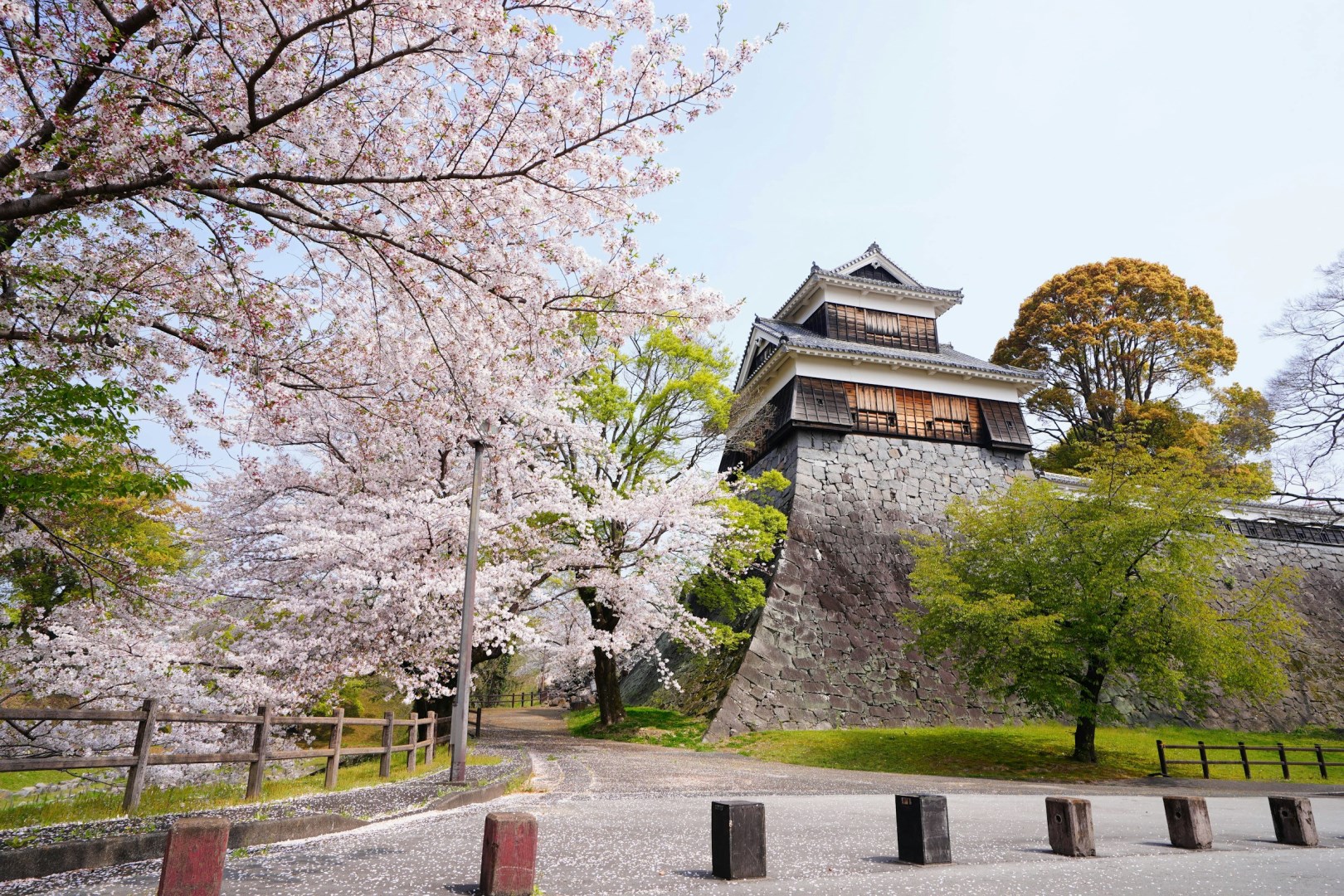
Kumamoto is a city on Japan’s southern island of Kyushu, known for its castle, volcanic landscapes, and traditional gardens. It serves as the capital of Kumamoto Prefecture and lies on the western side of Mount Aso’s broader volcanic region. The city center combines historic districts with modern shopping streets, tram lines, and riverside neighborhoods.

Nuva Hiva
Nuku Hiva, the largest island in the Marquesas archipelago, offers an unparalleled escape into Polynesian paradise. This rugged island is renowned for its dramatic landscapes, characterized by lush valleys, towering cliffs, and volcanic peaks.
Reine
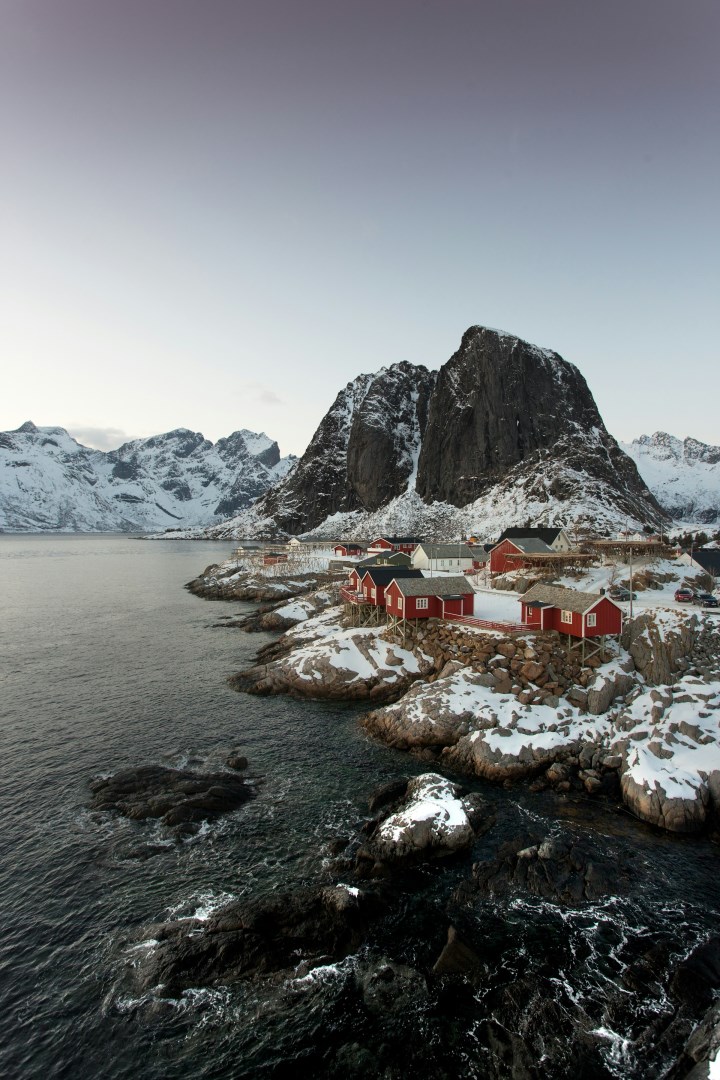
Reine is a small fishing village on Moskenesøya in the Lofoten Islands of northern Norway, where a chain of small islands and bridges sits between Vestfjord and the mountains surrounding Reinefjord. Around 300 people live in the village, which remains an active fishing community with fish reception, processing, and related businesses. Traditional red rorbu fishermen’s cabins stand along the waterfront and on nearby islands, alongside working boats and drying racks for stockfish.
