

Bequia
Bequia, the largest of the Grenadines, is a hidden gem in the Caribbean Sea that captivates visitors with its unspoiled beauty and warm, welcoming atmosphere. Often described as the "island in the clouds," Bequia (pronounced "Bek-way") offers a tranquil escape where turquoise waters meet lush green hills. The island's charm lies in its simplicity—no sprawling resorts or crowded beaches, just a peaceful haven where time seems to stand still.
Cebu
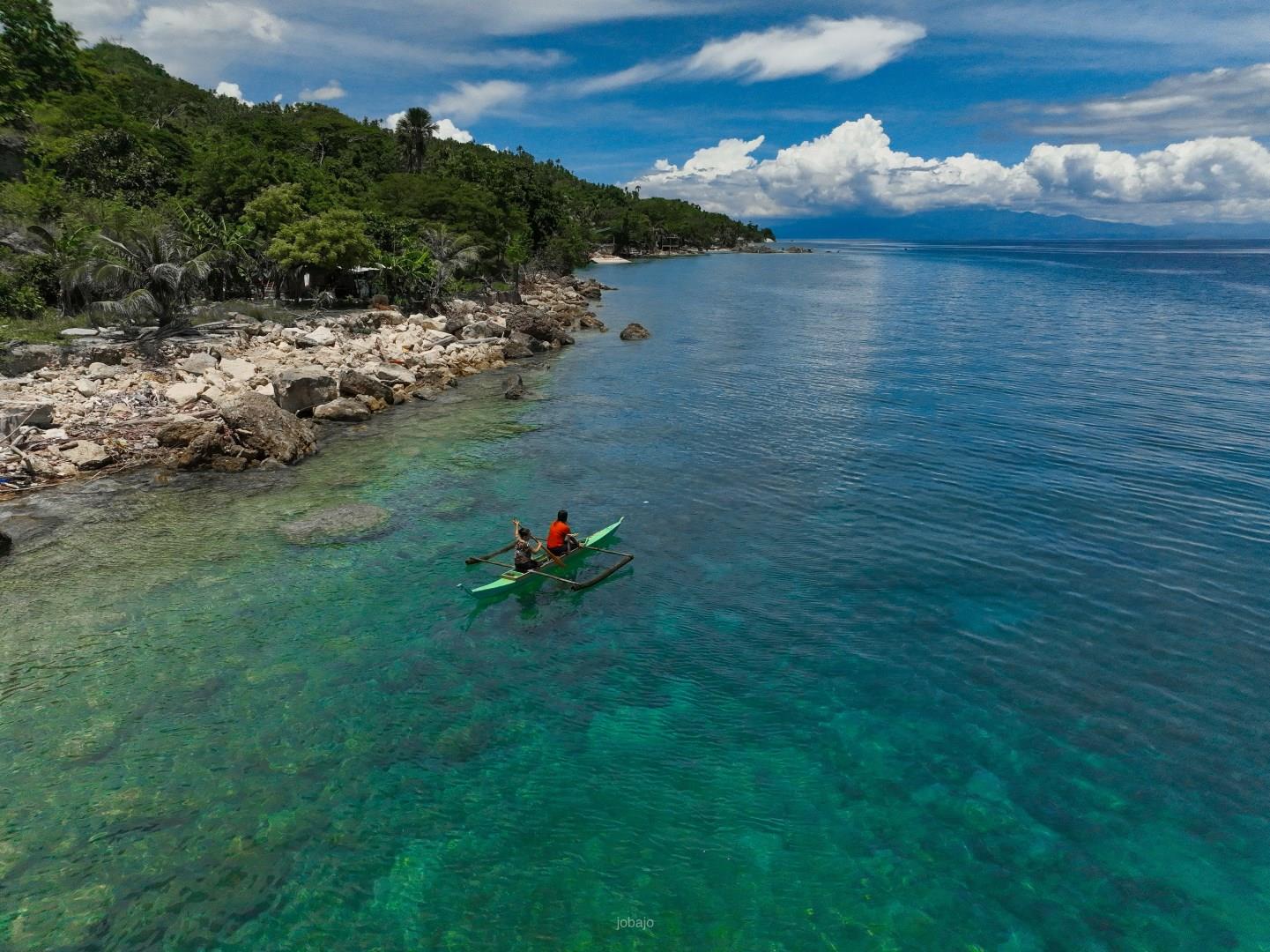
Cebu sits at the center of the central Philippines, shaped by seafaring trade and early colonial contact. It was here that Spanish rule first took hold in the 16th century, leaving a legacy visible in churches, street patterns, and long-standing ties to Catholic tradition.
Oban
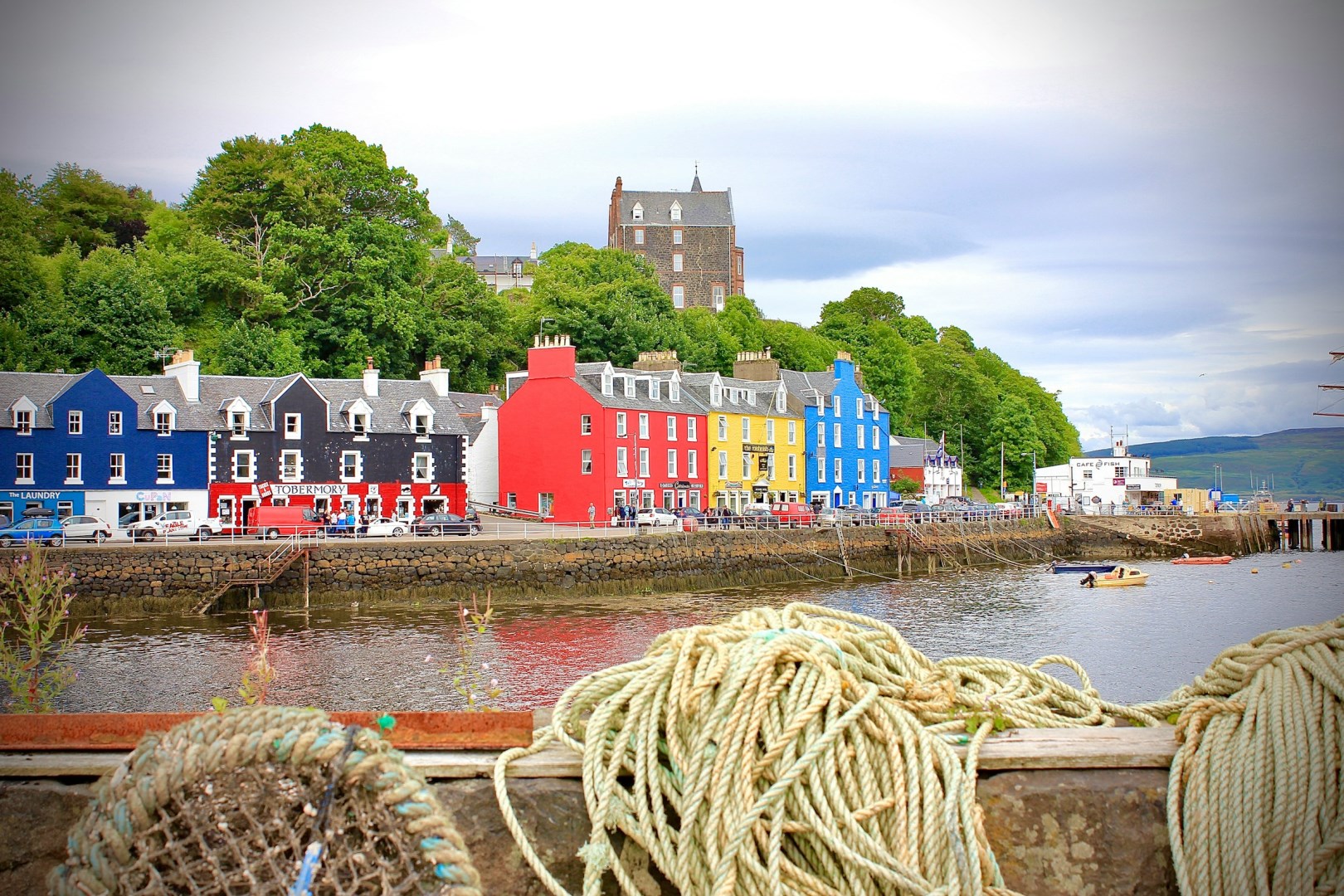
Oban is located in the northern part of the Scottish Highlands. Renowned for the beauty of the land and the excellent scotch made there, Oban is an indisputable treasure of nature.
Nouakchott
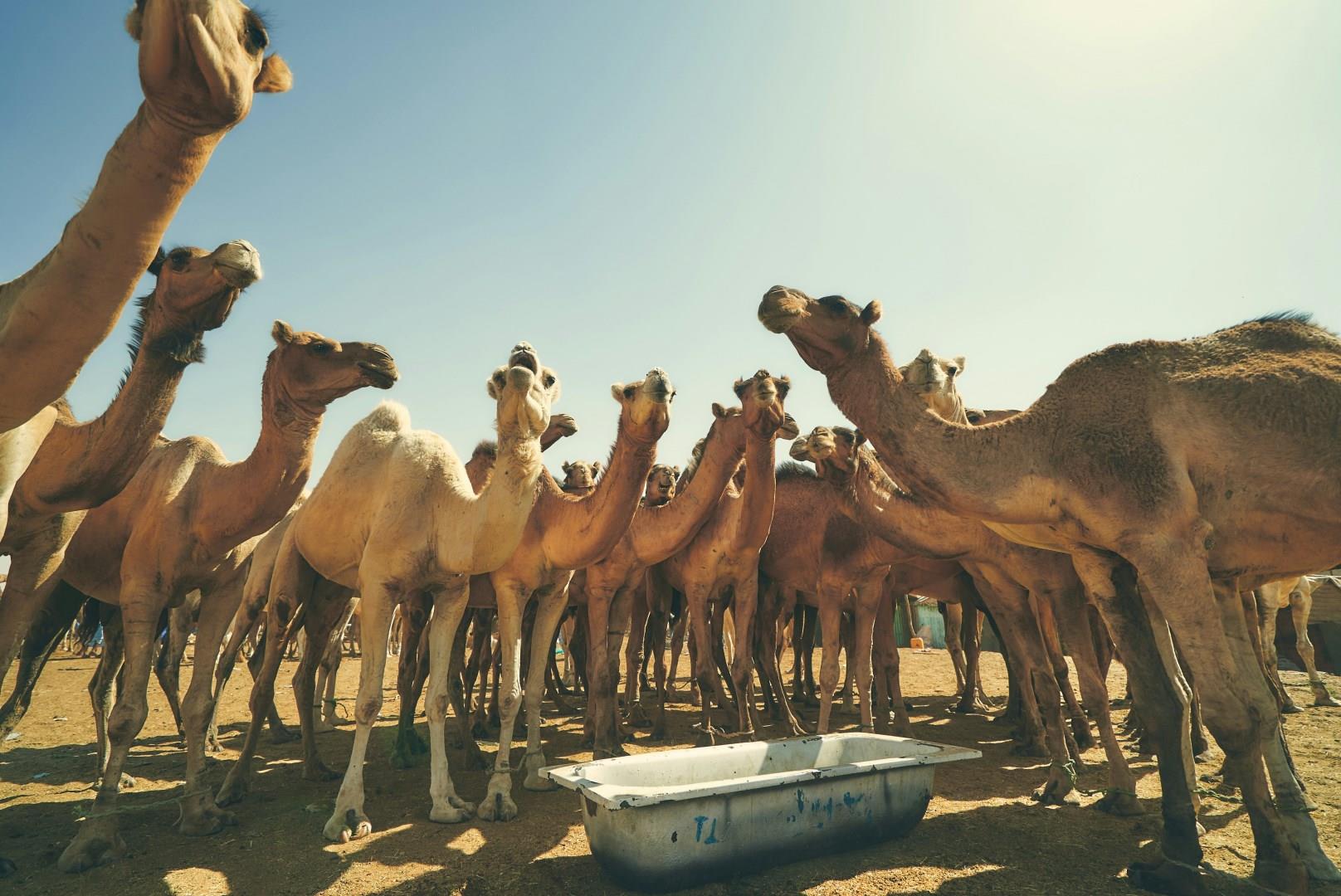
Nouakchott, the capital of Mauritania, is a city that blends the desert’s quiet rhythms with the daily life of a growing urban center. Its coastal setting, unique cultural traditions, and access to the desert make Nouakchott both an introduction to Mauritania and a gateway to exploring the country further.
Tongariro National Park
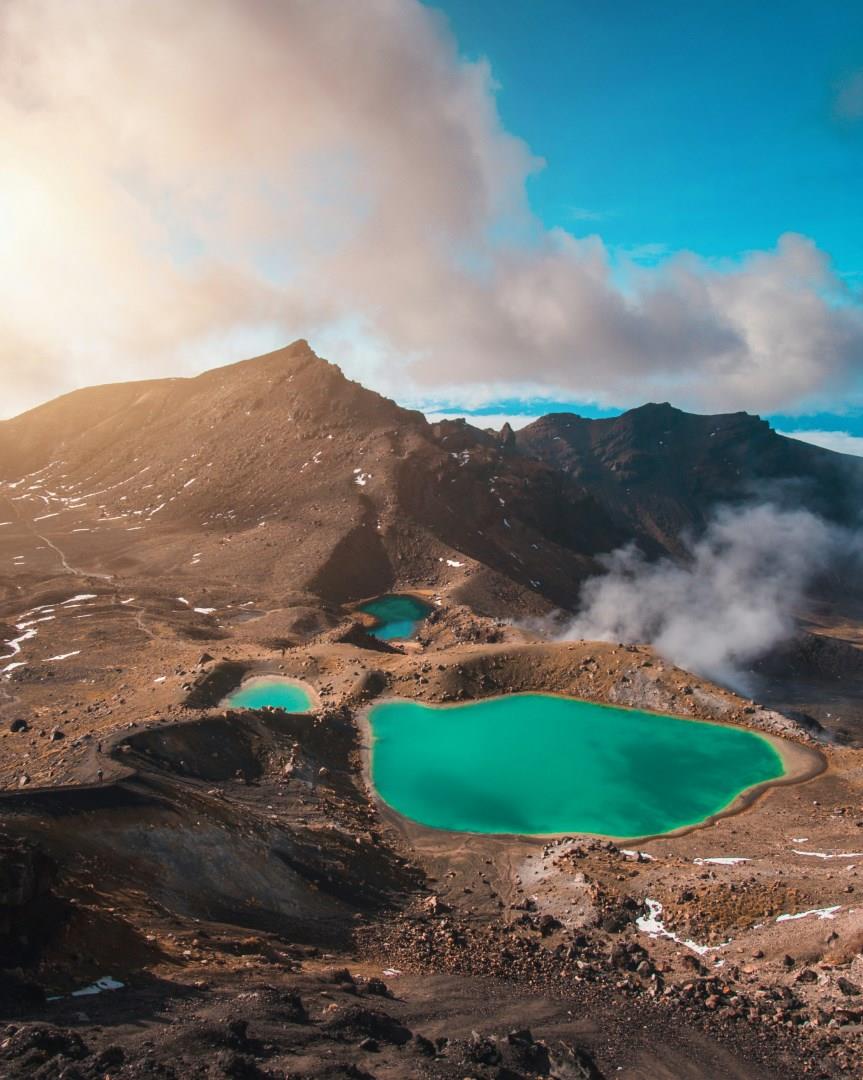
Tongariro National Park, on New Zealand’s North Island, holds deep cultural meaning as well as striking geological presence. It was the country’s first national park, gifted to the nation by Ngāti Tūwharetoa chiefs in the 19th century, establishing a model that tied conservation to Māori guardianship. The volcanic peaks of Tongariro, Ngāuruhoe, and Ruapehu are considered ancestors, giving the landscape a living cultural identity rather than a purely scenic one.
