
Bariloche
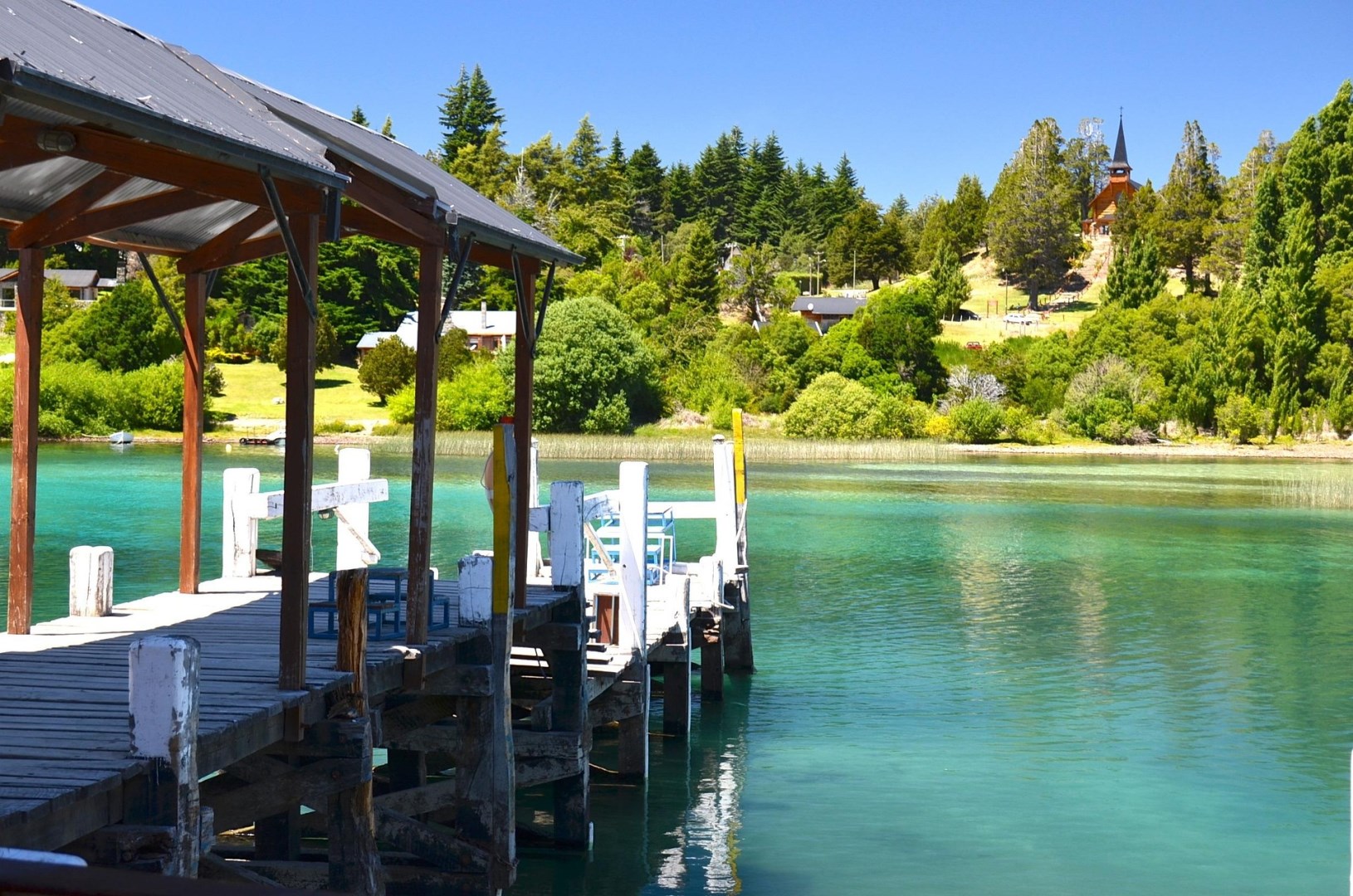
Bariloche, tucked into the foothills of the Andes in Argentina’s Patagonia region, is a town that feels both alpine and uniquely Argentine. With its wooden chalets, Swiss-style architecture, and chocolate shops on every corner, many visitors are surprised to find a lakeside town that resembles parts of Europe. But Bariloche’s identity is all its own, shaped by deep indigenous roots, waves of immigration, and the striking presence of Lake Nahuel Huapi.
Freudenberg
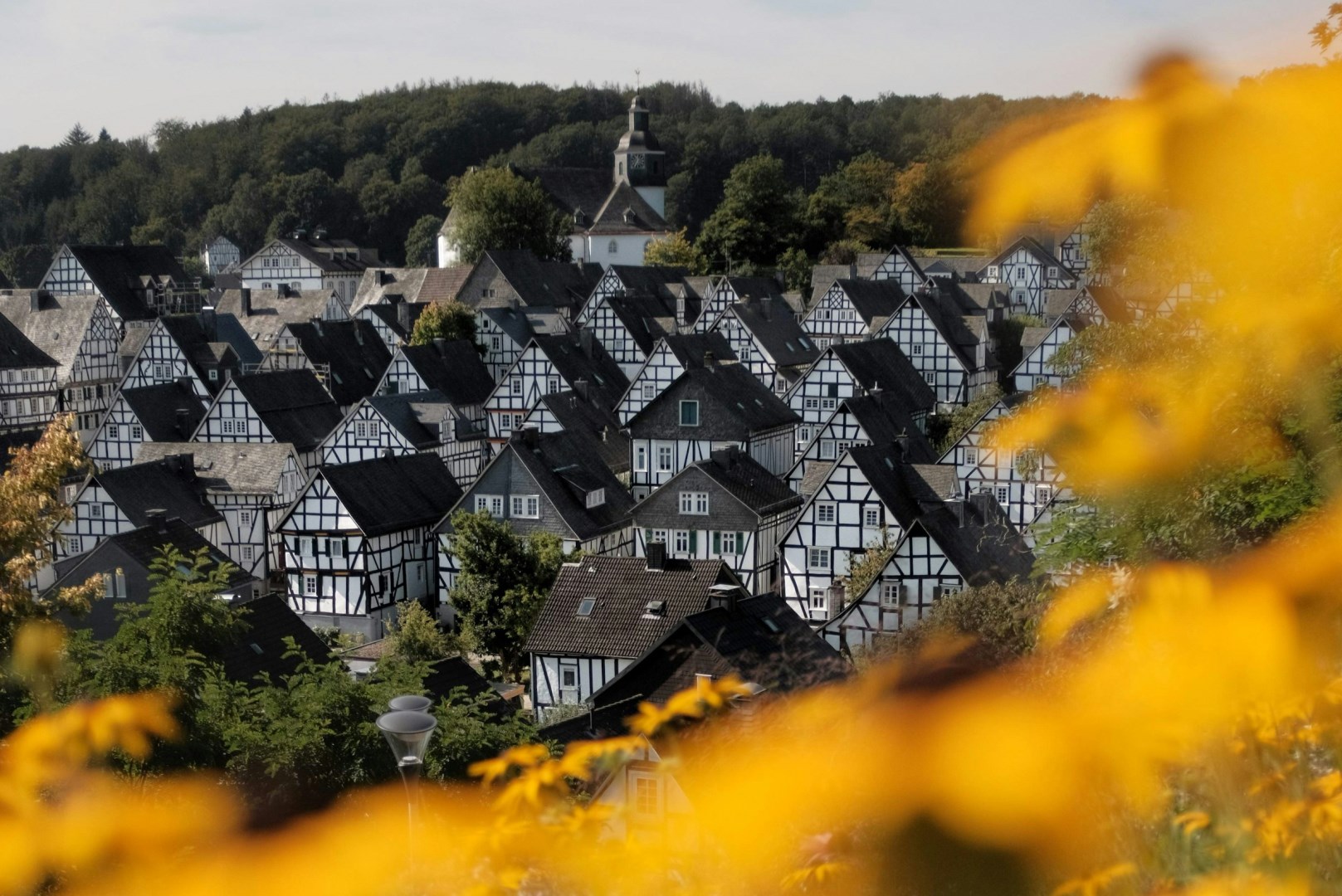
Freudenberg is a small medieval town in Germany. The "Alter Flecken" is Freudenberg's downtown area, built wholly of half-timbered houses that give the town a fairytale appearance. An open-air stage with roofed grandstand, the town museum housing a 1904 steam engine, and annual Oktoberfest celebrations are the town's most popular attractions.
Algiers
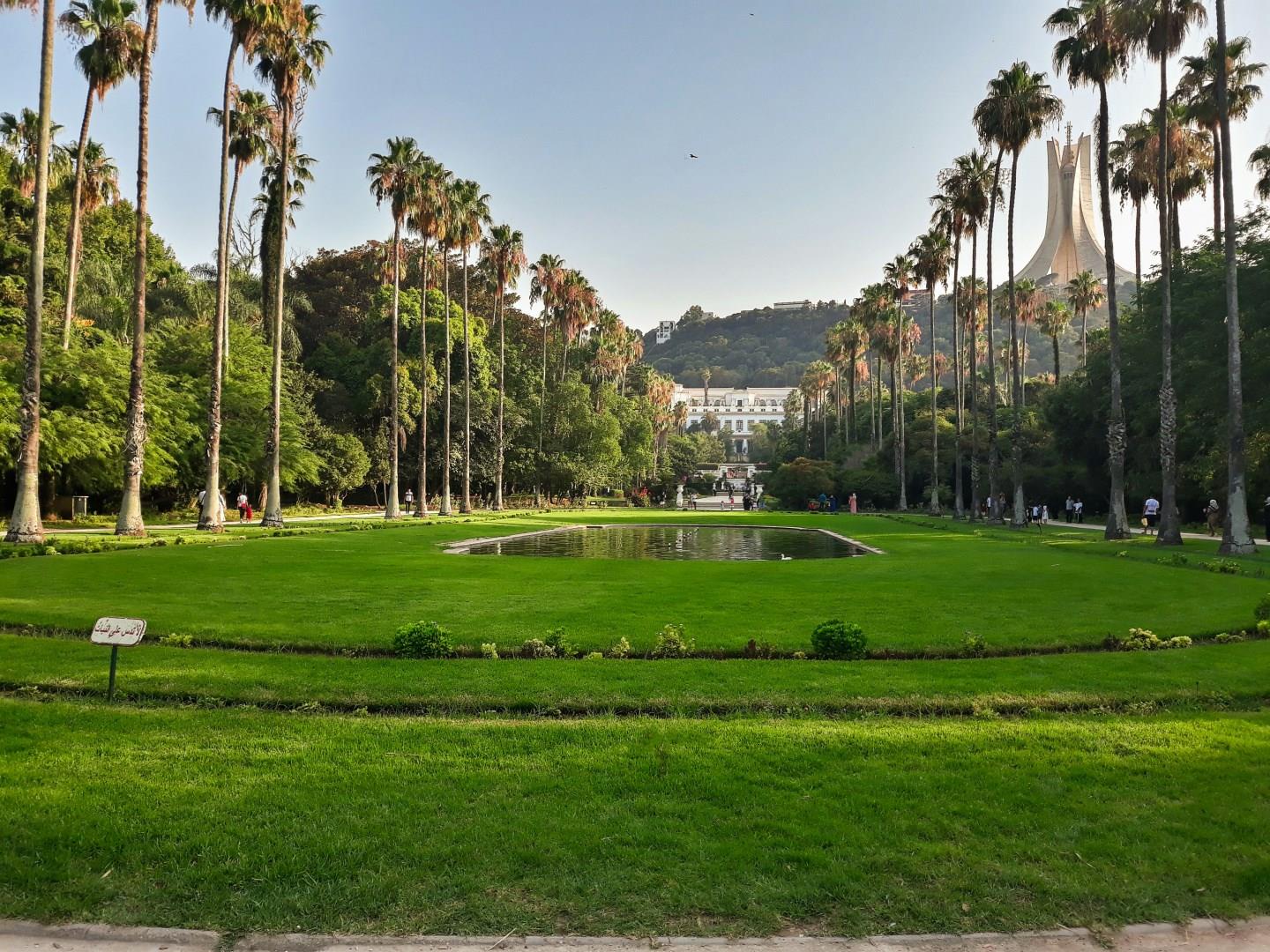
Algiers is the capital and largest city of Algeria, occupying a series of hills along the western side of a broad Mediterranean bay. Its landscape combines a historic hillside core, modern districts, busy avenues, and a large waterfront. The white facades of the city rise above the sea, giving Algiers its familiar nickname, “Algiers the White.”
Mahdia
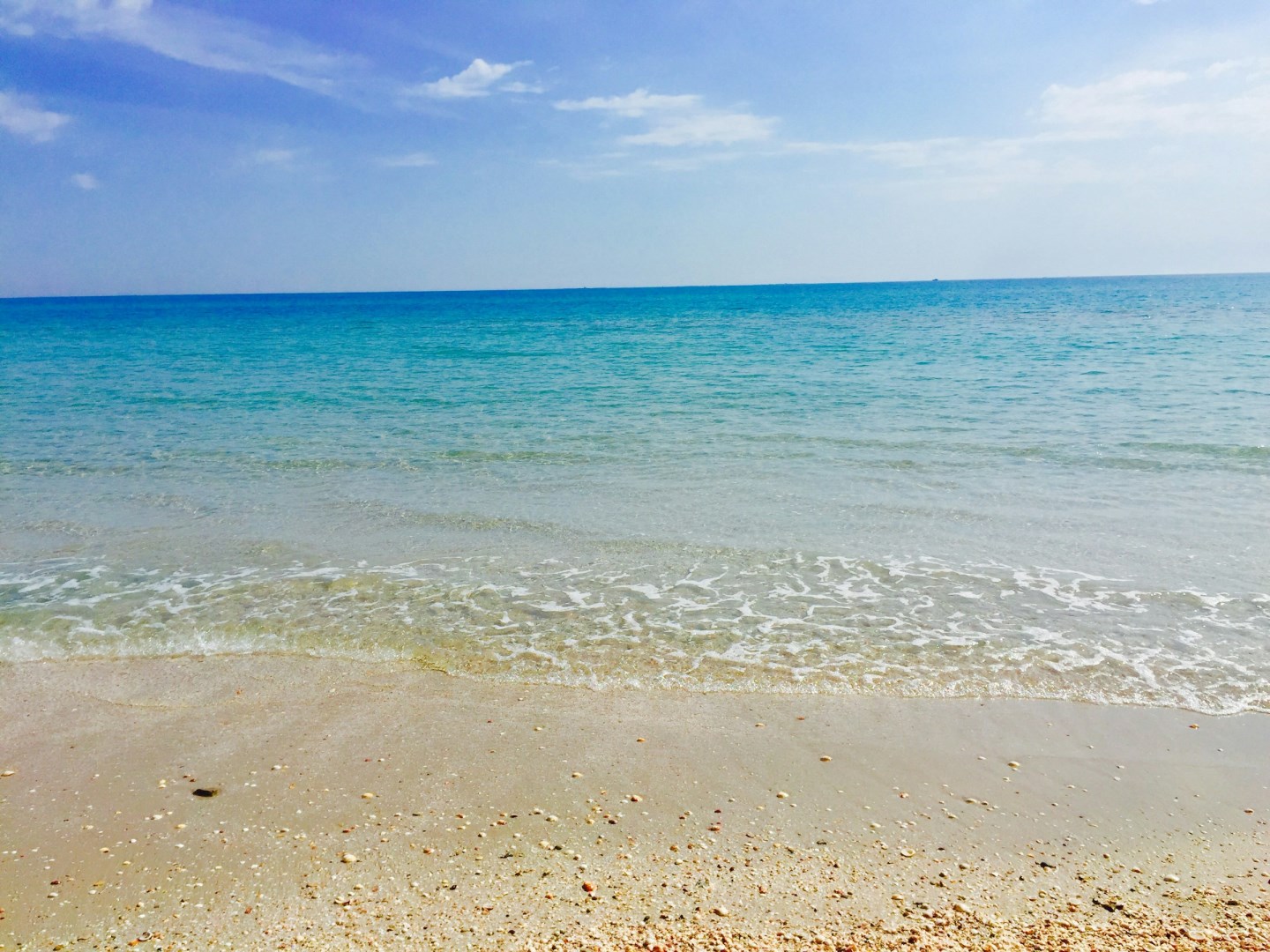
Mahdia is a coastal city in central-eastern Tunisia, set on a narrow peninsula extending into the Mediterranean. Its position between the sea and the mainland has shaped the city’s identity as a fishing port and coastal settlement. The historic medina occupies the peninsula, with whitewashed buildings, narrow streets, and a waterfront lined with fishing boats. Mahdia is also known for its long sandy beaches and clear coastal waters.
Kaolack
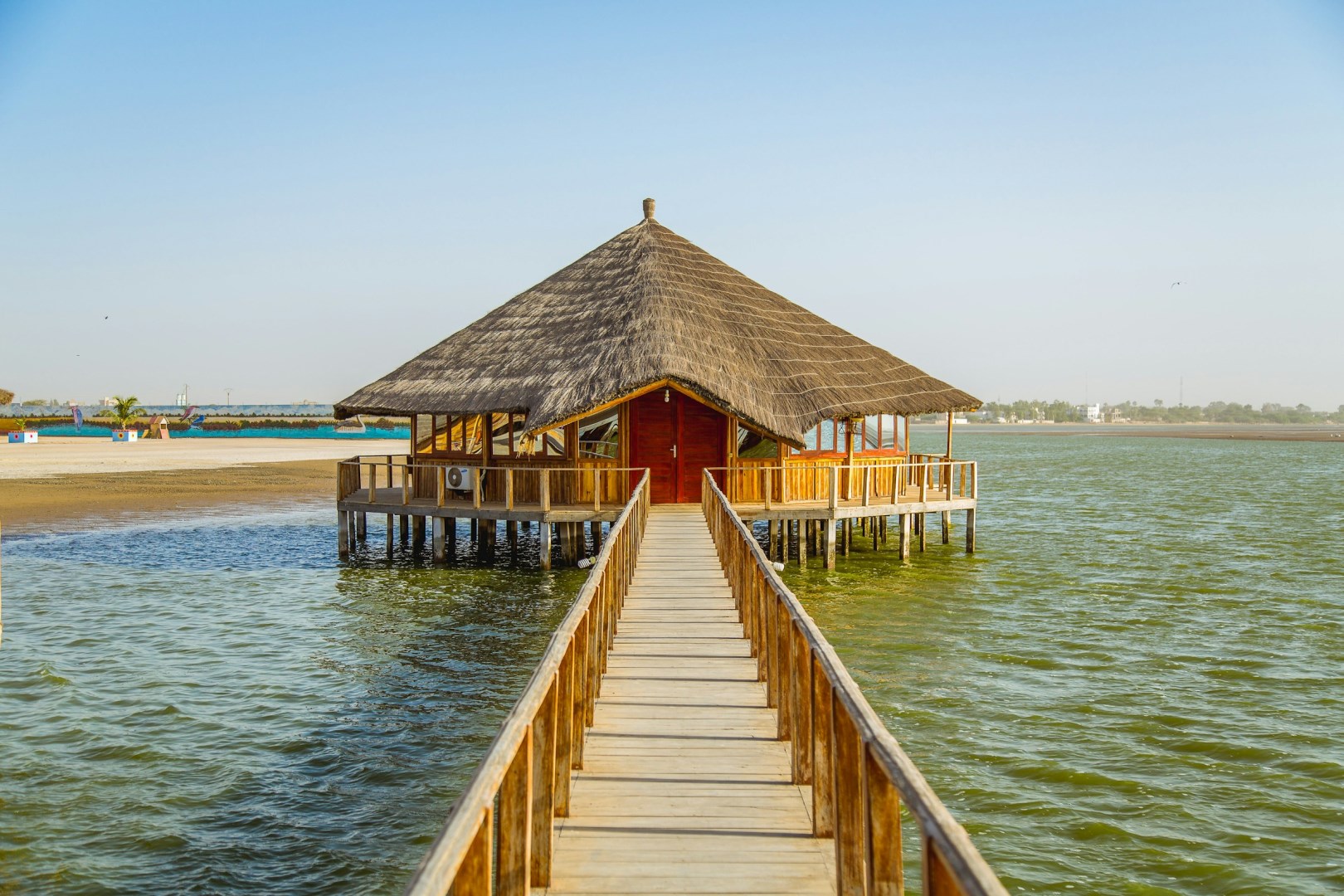
Kaolack is a major city in central Senegal, located along the Saloum River and serving as an important commercial center for the surrounding agricultural region. Its position near the river and at the crossroads of routes linking Dakar with southeastern Senegal has helped make it a significant trading and transport hub.
