

Slovenia
>Slovenia, tucked between the Alps and the Adriatic Sea, is a small country with a strong sense of identity and an impressive variety of landscapes. Its capital, Ljubljana, is known for its walkable center and mix of Baroque, Secessionist, and modern architecture. The Ljubljanica River runs through the city and is lined with open-air cafés and artisan shops.

Dominica
Dominica, known as the “Nature Island of the Caribbean,” is a haven for eco-tourists and adventure seekers. Nestled between the French islands of Guadeloupe and Martinique, this lush island boasts a remarkable landscape of volcanic mountains, dense rainforests, and stunning waterfalls. Dominica’s most iconic natural wonder is the Boiling Lake, the second-largest hot spring in the world.
Sagres
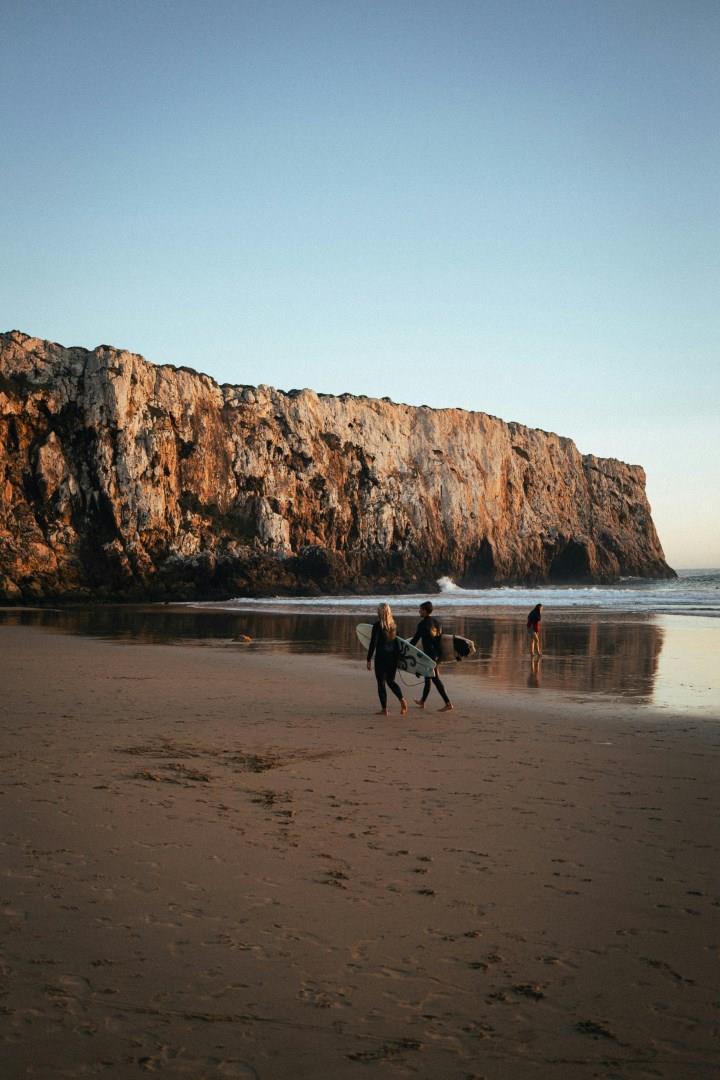
Sagres sits at the southwestern edge of continental Europe in Portugal’s Algarve region, where the Atlantic’s wide horizon meets rugged cliffs and open skies. For centuries this point was linked to maritime adventure and visitors can still feel that sense of discovery in the air. Here, people like Prince Henry the Navigator gathered cartographers, shipbuilders and astronomers in the 1400s to push beyond maps of the known world and shape the early Age of Discovery from Sagres’ dramatic headlands.

Sweden
Sweden is a country where medieval towns, coastal archipelagos, and expansive forests sit side by side with modern design and a strong cultural identity. Stockholm, the capital, is built across 14 islands connected by bridges and ferries. The historic district of Gamla Stan features narrow, cobbled streets and colorful buildings dating back to the 13th century.

Savonlinna
Savonlinna, Finland, is a captivating destination nestled in the heart of the Finnish Lakeland region, renowned for its breathtaking natural beauty and rich cultural heritage. The city’s star attraction is Olavinlinna Castle, a medieval fortress built in 1475, which remains one of the best-preserved castles in Northern Europe.
