

Gjógv
Nestled in the stunning landscape of Eysturoy in the Faroe Islands, Gjógv is a picturesque village that feels like a scene straight out of a fairy tale. Known for its dramatic cliffs and tranquil surroundings, Gjógv is named after the natural gorge that cuts into its coastline. The gorge, stretching 200 meters inland, serves as a natural harbor and has long been a lifeline for the village's fishing industry.

Ghent
If it wasn't for Paris, Ghent would be medieval Europe's largest city. Steeped in history both rebellious and industrious, it sits at the junction of the Leie and Scheldt rivers and was once the site of armed battles by its townsfolk, who raged against heavy taxes and restricted civil liberties.

Sydney
Sydney, Australia, is a vibrant city where iconic landmarks, diverse neighborhoods, and natural beauty converge. The Sydney Opera House, with its striking sail-like design, and the Sydney Harbour Bridge are symbols recognized around the world, yet the city offers much more beyond its famous skyline.
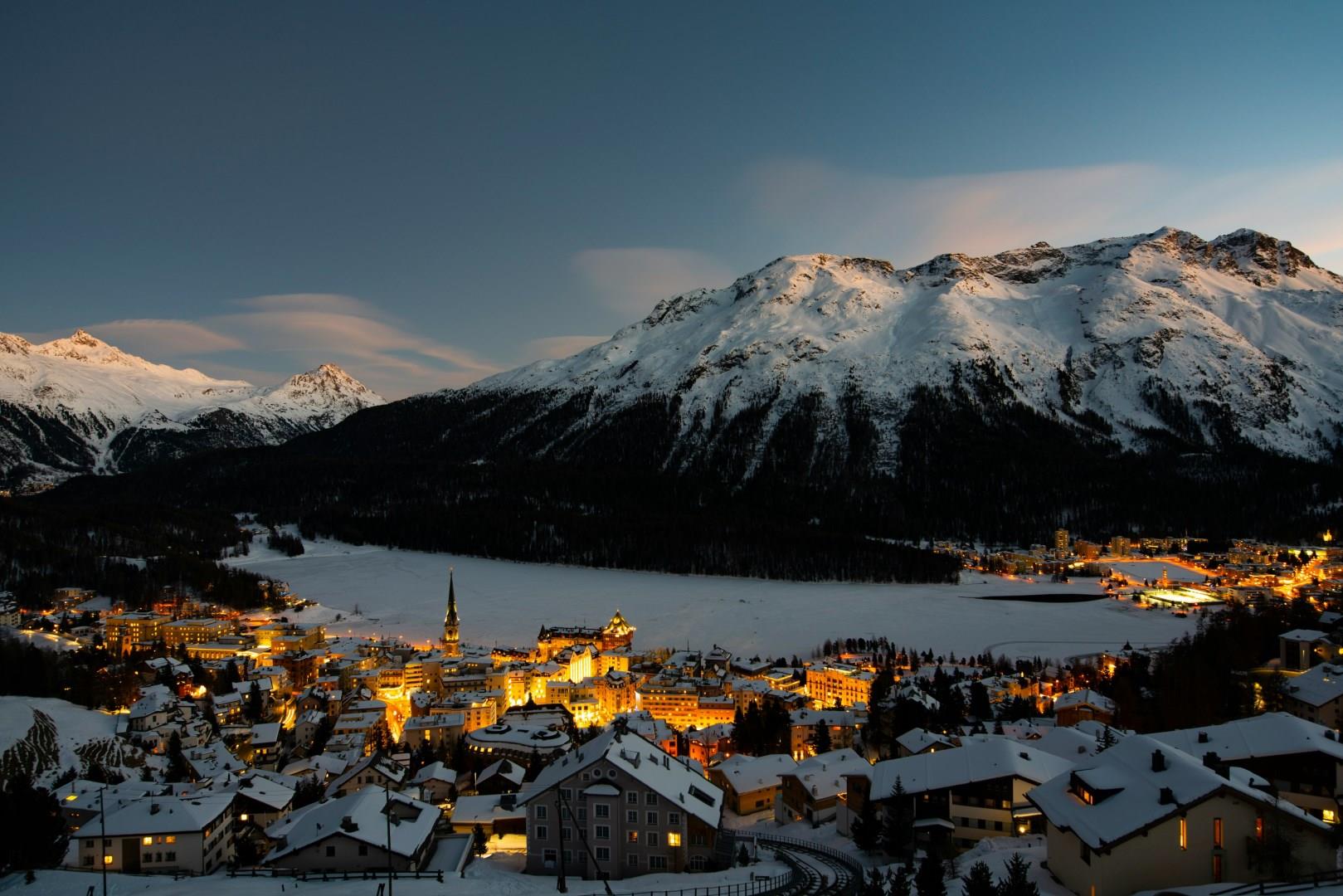
St. Moritz
St. Moritz, located in Switzerland’s Engadin Valley, has been attracting visitors for over 150 years, long before the term "alpine resort" became common. It was here in 1864 that winter tourism was born, when a hotelier made a wager with British guests that they would enjoy the snow just as much as the summer sun. They returned, and the rest is history. The town has since hosted the Winter Olympics twice (in 1928 and 1948) and remains a favorite for skiing, snowboarding, and ice sports.

Norway
Norway offers a landscape shaped by glaciers, framed by fjords, and steeped in Viking history. The country's coastline stretches for over 100,000 kilometers if you count every inlet and island, which makes it one of the longest in the world. Travelers can take a ferry through the Geirangerfjord or cruise along the Lofoten Islands, where steep mountain peaks rise dramatically from the sea. These routes aren’t just scenic; they’ve been lifelines for coastal communities for centuries.
