

Oman
Oman stands among the oldest independent states in the Arab world, with evidence of human habitation stretching back over 100,000 years. Its capital, Muscat, rises gently against limestone hills with no skyscrapers to interrupt its skyline. Visitors find broad avenues lined with stunning buildings leading to landmarks like the Sultan Qaboos Grand Mosque and the Royal Opera House, both offering glimpses into Omani artistry and modern elegance.
Albany
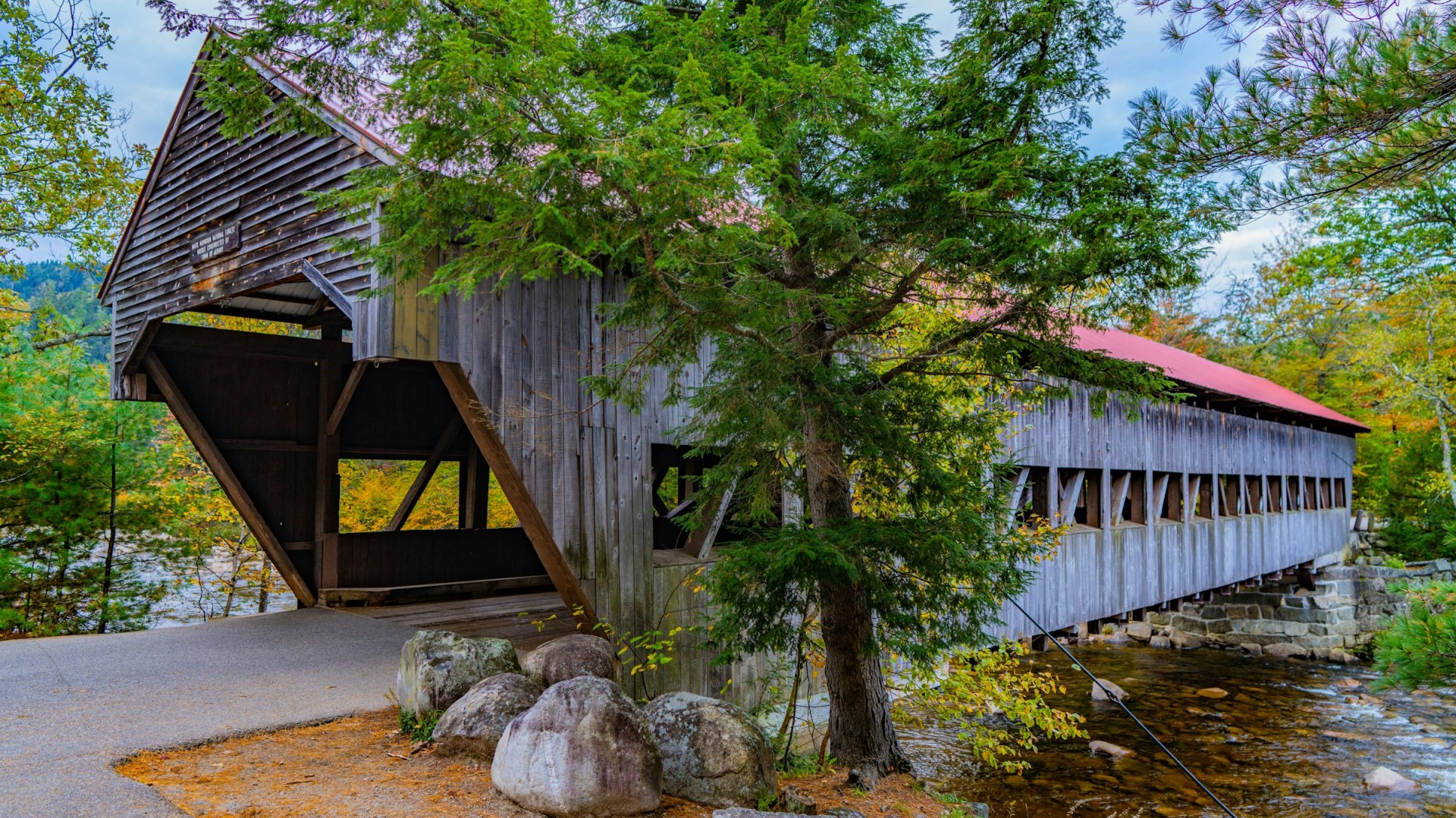
Albany is a small town in Carroll County, New Hampshire, located at the southern edge of the White Mountains. Much of the town lies within the White Mountain National Forest, giving Albany a predominantly forested landscape of mountains, rivers, ponds, and wooded roads. The Kancamagus Highway crosses the northern part of town and provides access to some of the region’s best-known mountain scenery. Albany is also close to Mount Chocorua, one of the most recognisable peaks in New Hampshire.
Kanmon Straits
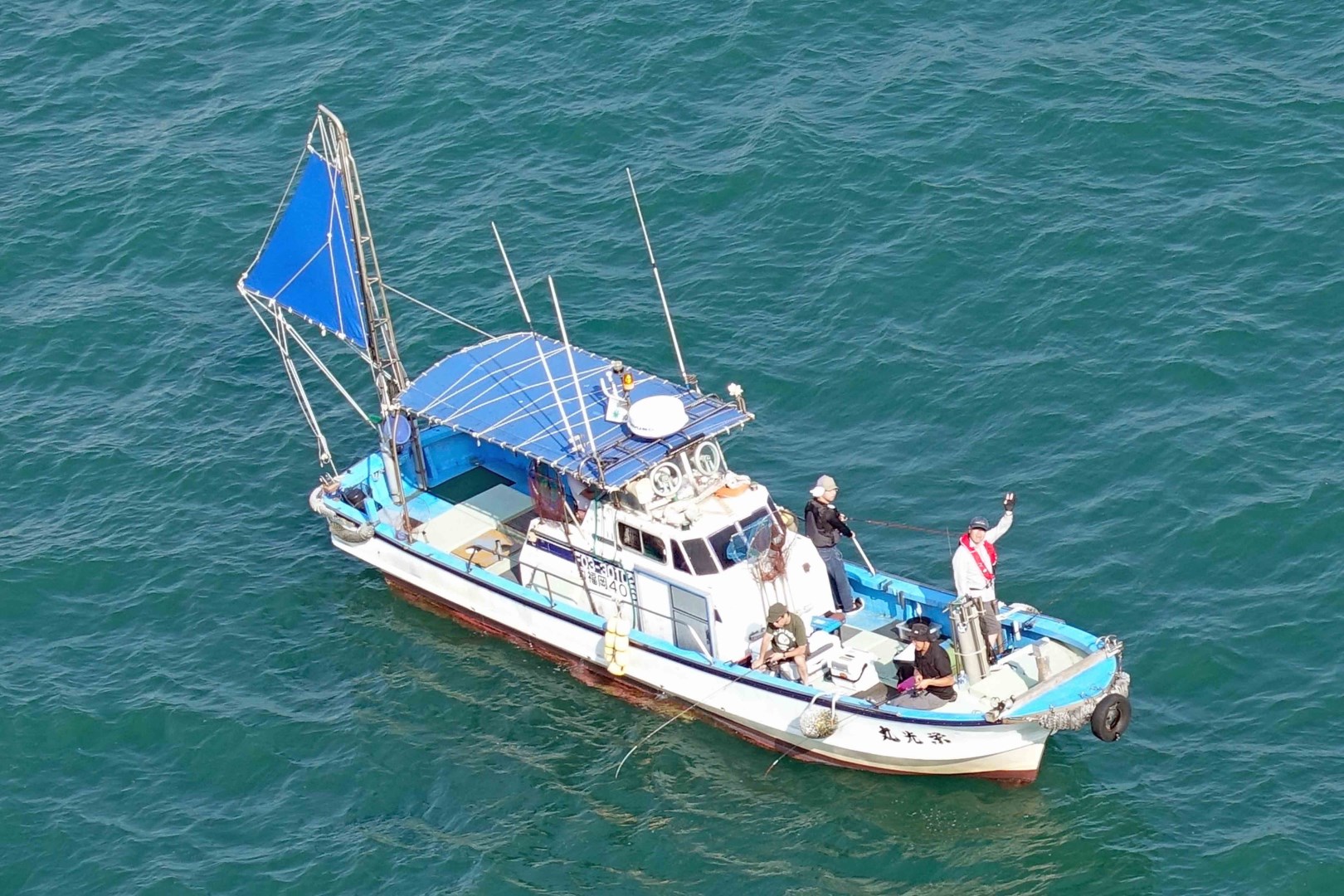
The Kanmon Straits are a narrow waterway in Japan that separates the island of Honshu from Kyushu and connects the Sea of Japan with the Seto Inland Sea.
Khiva
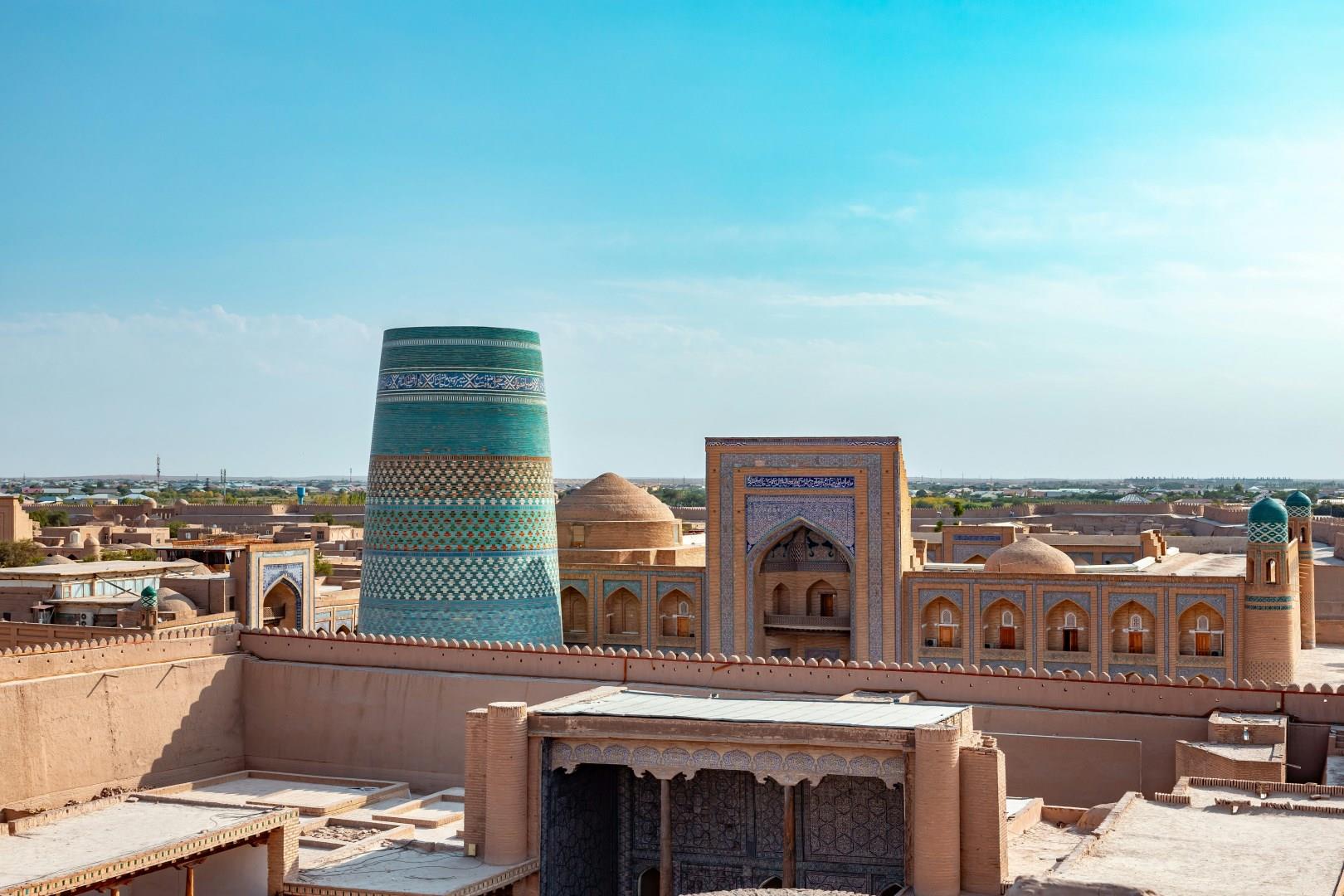
Khiva, located in western Uzbekistan’s Khorezm region, is one of Central Asia’s most evocative Silk Road cities. Its walled inner city, known as the Itchan Kala, has preserved a remarkable collection of mud-brick architecture, minarets, mosques, and madrasahs that reflect centuries of Islamic culture and trade. Khiva served as a thriving trading hub and political center, linking merchants and scholars across the desert routes of the region.
Foz do Iguaçu
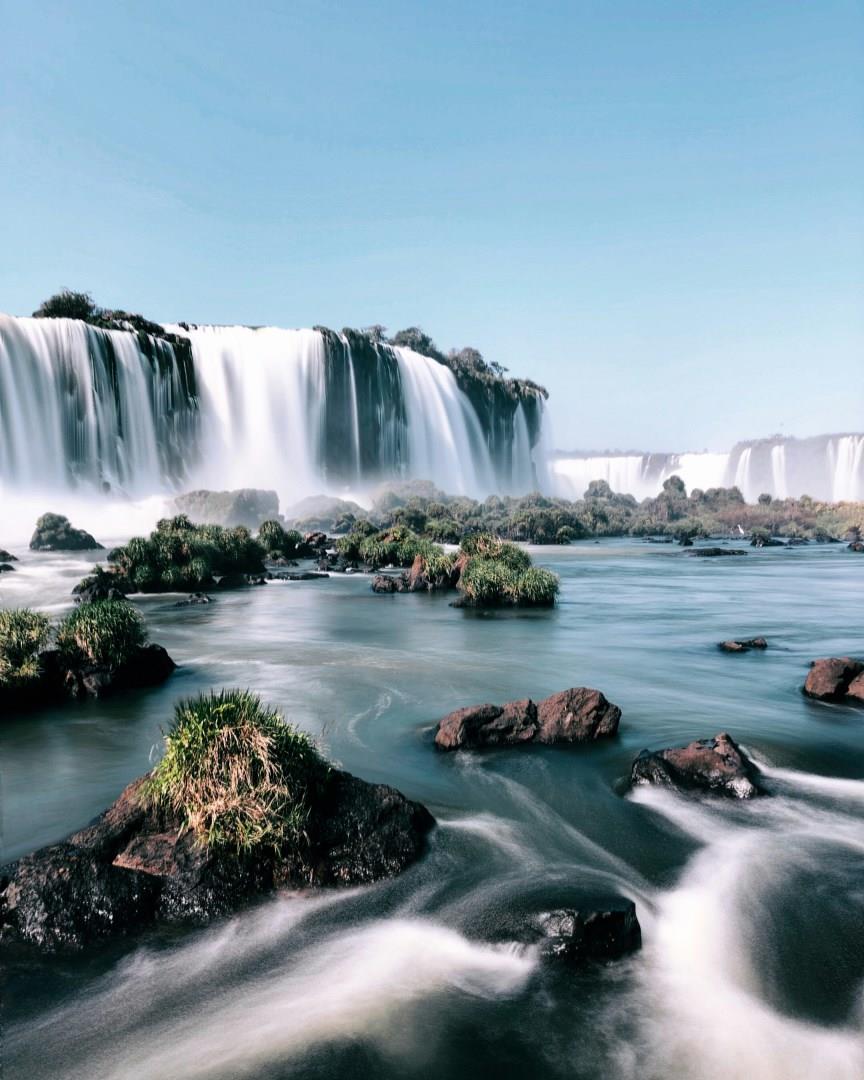
Set at the meeting point of Brazil and Argentina, Foz do Iguaçu is defined by the sheer scale of the Iguaçu Falls. Nearly 275 individual waterfalls stretch across close to three kilometers, sending mist into the air and sound echoing through the surrounding forest. Visitors follow raised walkways that bring them face to face with this moving wall of water, culminating at the dramatic Devil’s Throat, a deep, curved drop where the river seems to vanish into the earth.
