
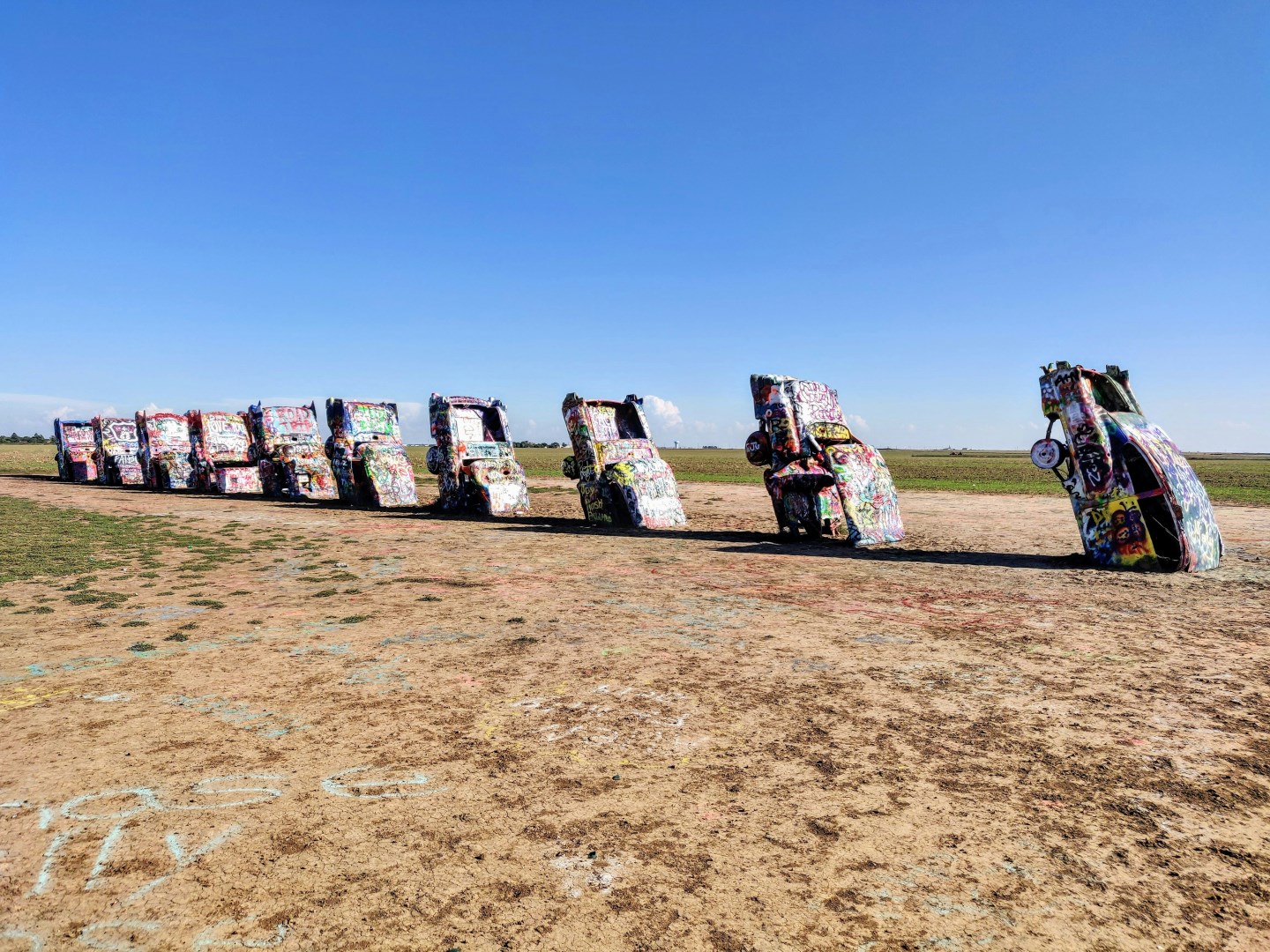
Amarillo
Amarillo is a city in the Texas Panhandle known for its wide-open plains, cattle industry, and strong connection to Route 66 culture. Positioned along Interstate 40, the city developed as a transportation and trade center serving ranching communities across the region.
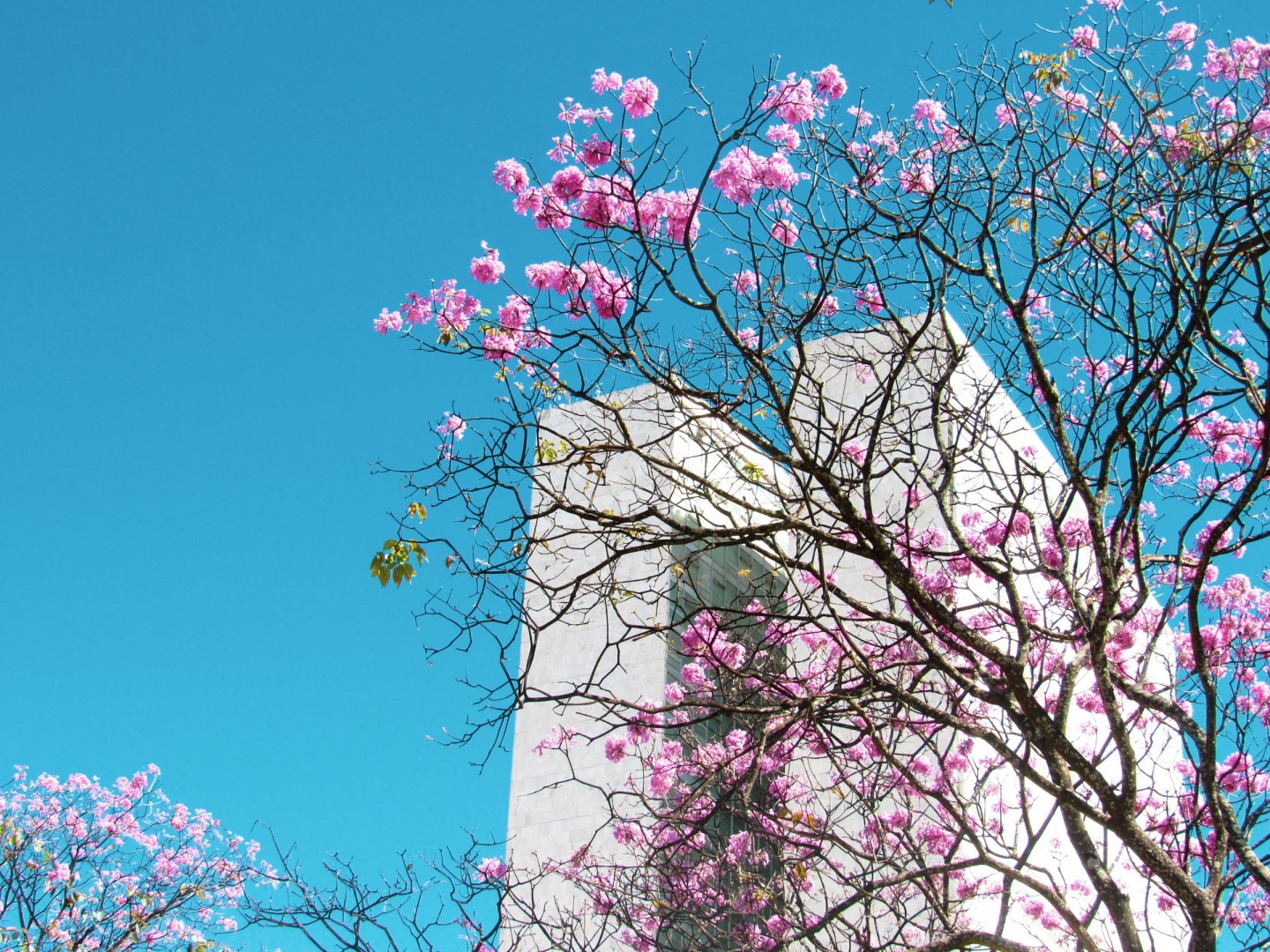
Brasília
Brasília may be a World Heritage Site, but it is only of interest to town planning and architecture students, and those keen to witness the folly of man on a metropolitan scale. It must have looked good on paper, and still looks good in photos, but in the flesh, forget it. Designed by architect Oscar Niemeyer, urban planner Lucio Costa, and landscape architect Burle Marx, the city was built in an incredible three years between 1957 and 1960.
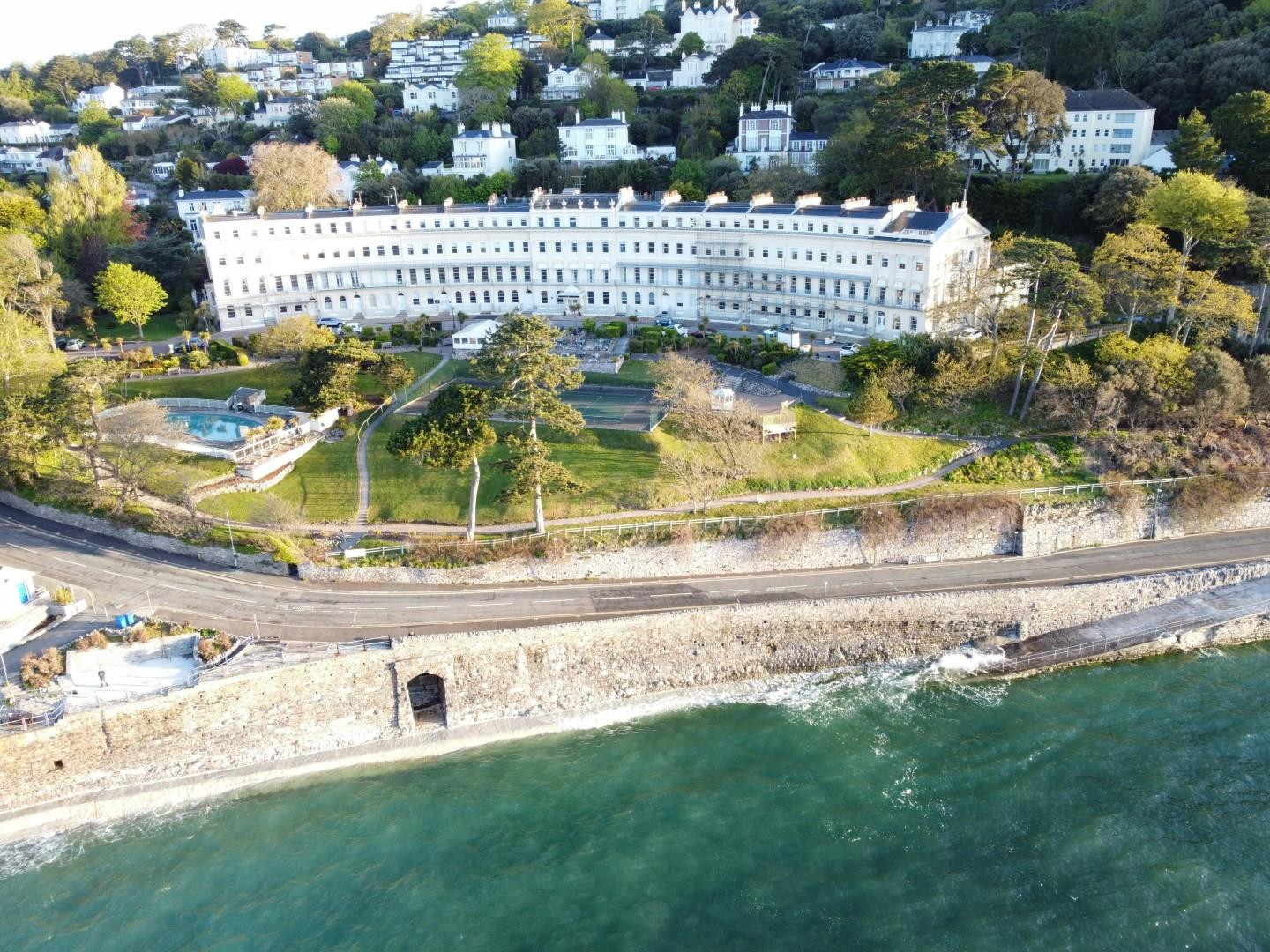
Torquay
Torquay, located on England’s southwest coast in Devon, is often referred to as the gateway to the English Riviera. With origins as a small fishing village, it expanded rapidly in the 19th century as a seaside resort, attracting visitors with its mild climate, sandy beaches, and scenic coastline.
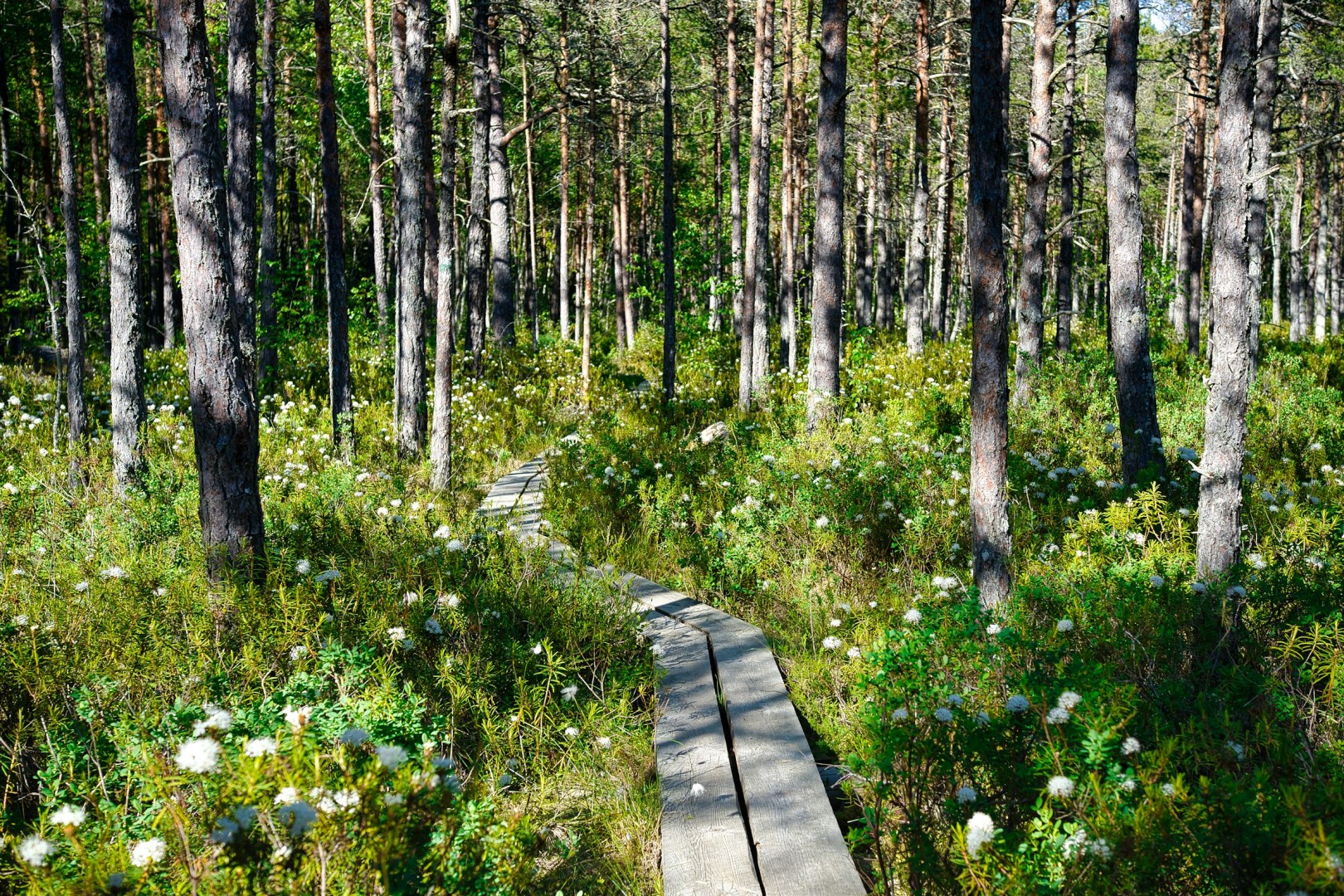
Lahemaa National Park
Lahemaa National Park is a large protected area on Estonia’s northern coast, facing the Gulf of Finland and combining forests, wetlands, rocky shores, sandy beaches, and small islands. It is Estonia’s oldest and largest national park, with landscapes that change noticeably between the coast and the inland forests. The park also protects cultural heritage, including traditional fishing villages, historic manor estates, and old farm landscapes.
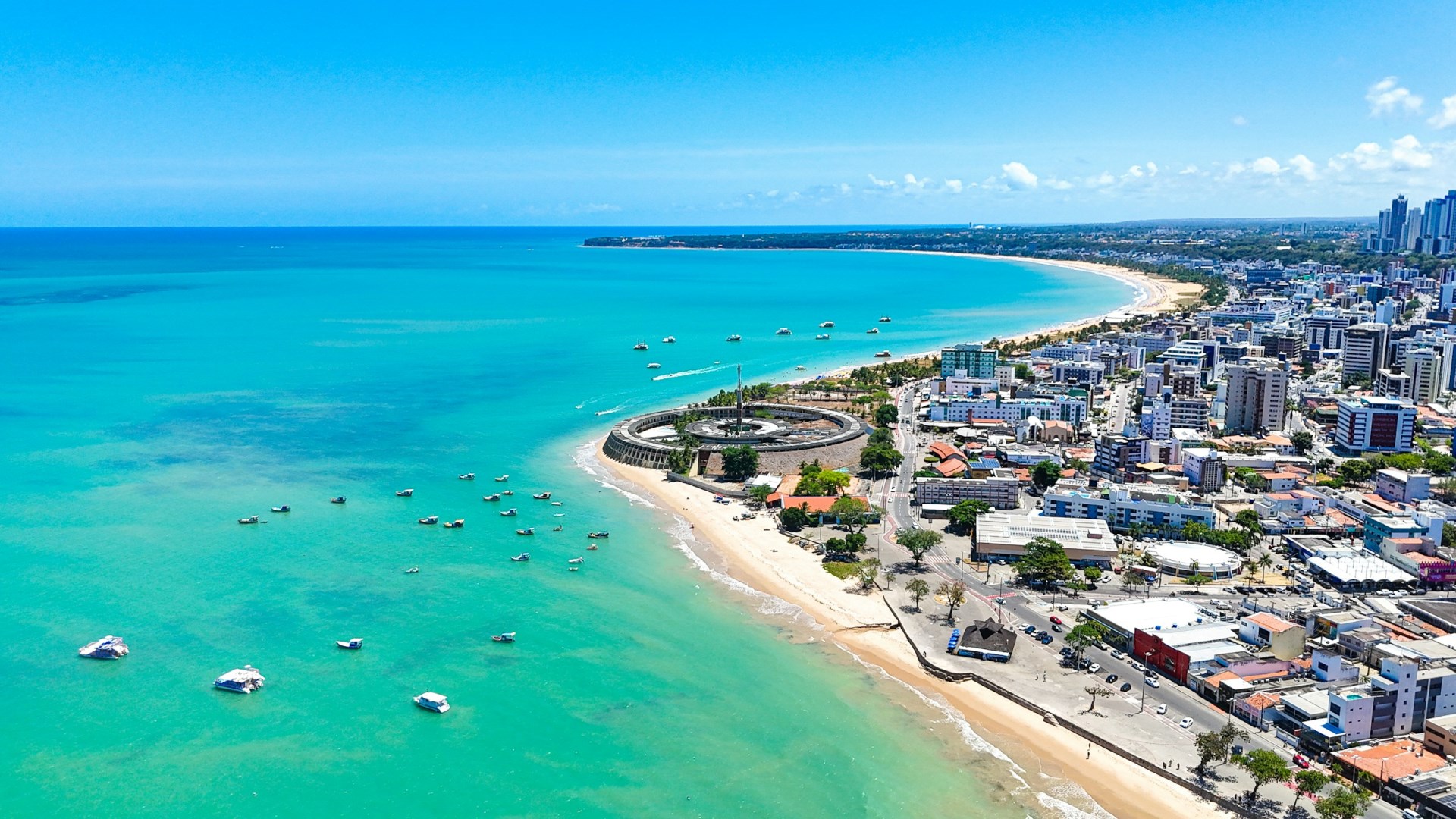
João Pessoa
João Pessoa is the capital of Paraíba on Brazil’s northeastern coast, with an urban landscape that extends from the historic center to a long Atlantic waterfront. Its beaches include Tambaú, Manaíra, Cabo Branco, and Bessa, while the Sanhauá River borders the older part of the city. João Pessoa is also known for its abundant public greenery, including parks, tree-lined areas, and the Jardim Botânico Benjamim Maranhão.
