
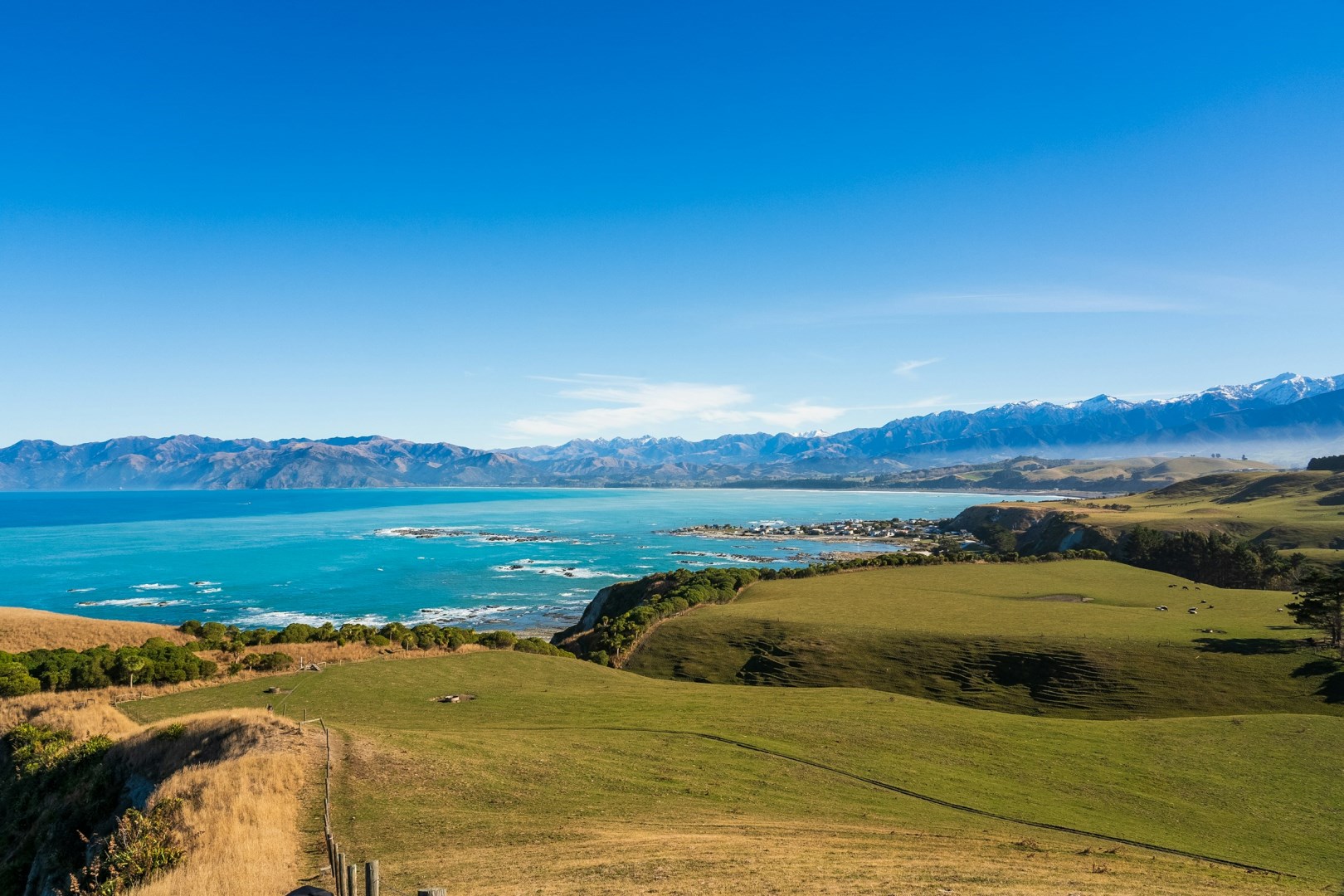
Kaikōura
What sets Kaikōura apart are the extraordinary marine encounters that begin just off the shoreline. The Kaikōura Canyon, an underwater gorge that plunges to great depths close to land, creates currents rich with nutrients that attract a remarkable array of sea life year-round. Sperm whales are a common sight here and are frequently spotted on local boat tours. Dusky dolphins twist and leap in large pods, and colonies of New Zealand fur seals laze on rocky outcrops along the coast.

Brecon Beacons
The Brecon Beacons, officially known as Bannau Brycheiniog, rise through south-central Wales as a landscape shaped by myth, grazing, and long human presence.
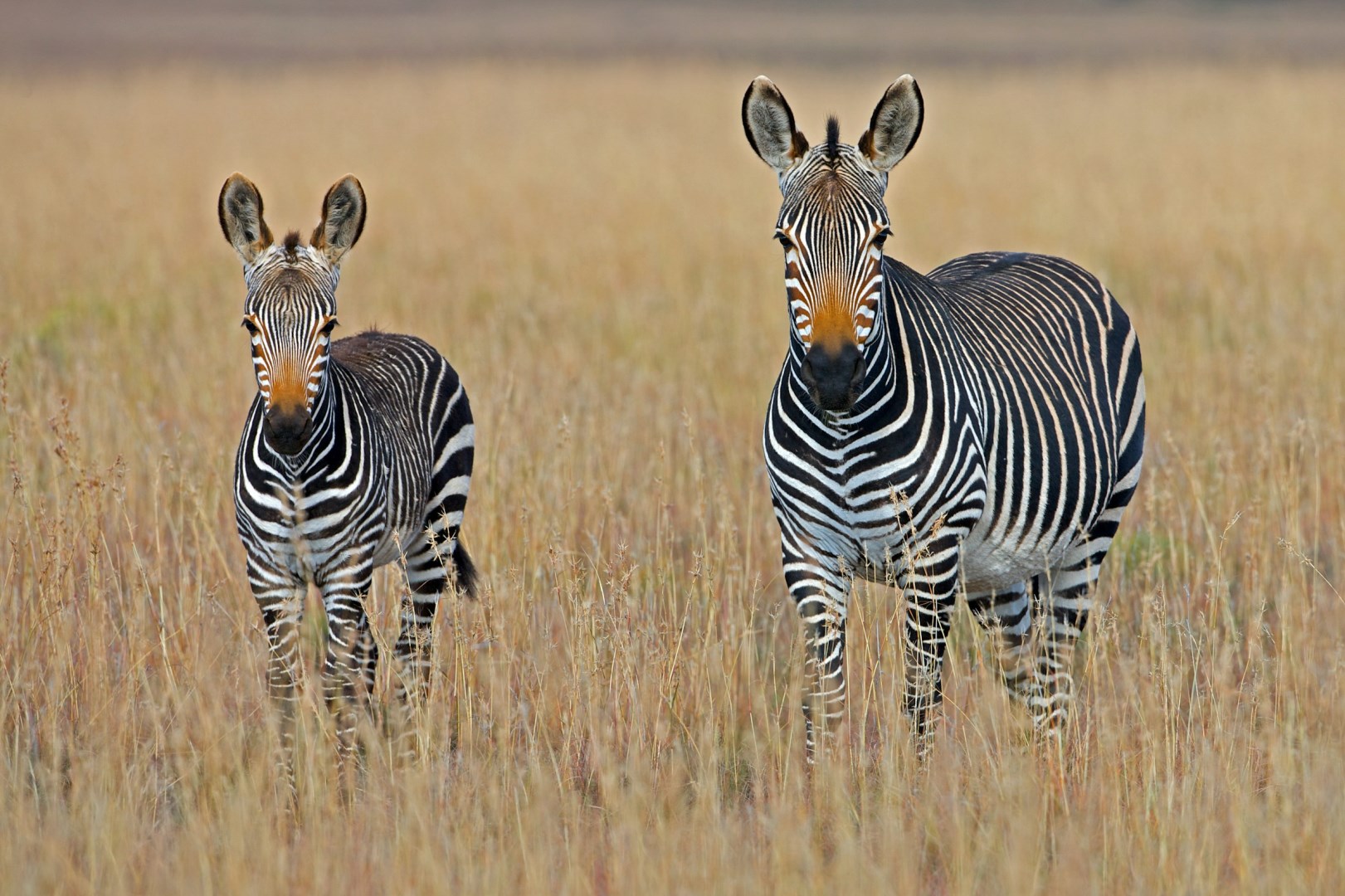
Mountain Zebra National Park
Mountain Zebra National Park lies in the Eastern Cape near Cradock, protecting a rugged section of the Great Karoo. The park’s landscape includes open grassland, rocky mountains, valleys, and dry plateaus, with vegetation adapted to the region’s semi-arid conditions. It was established to protect the Cape mountain zebra, a species that was once severely reduced in number.
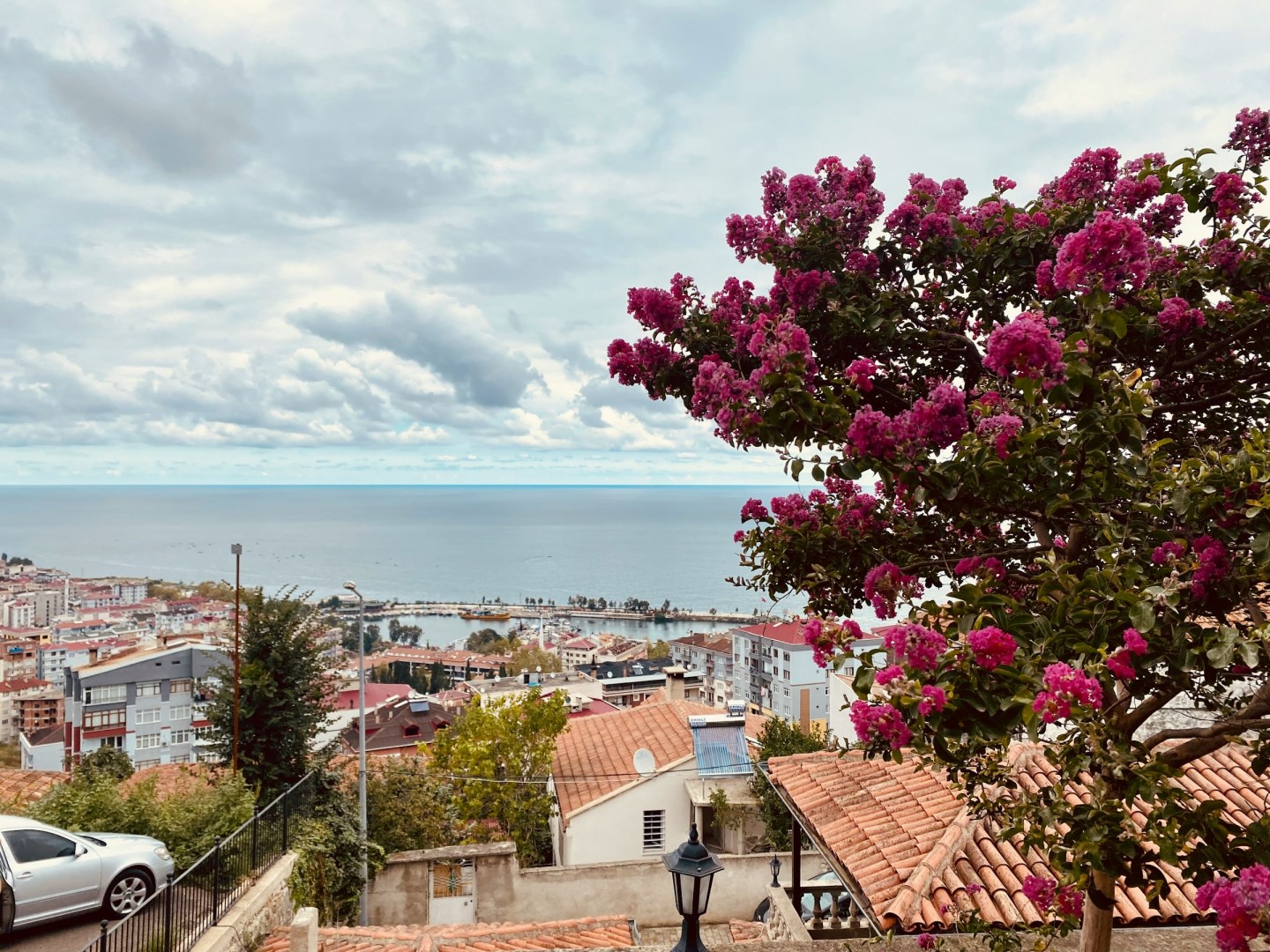
Trabzon
Trabzon was founded in the 7th century B.C. by Milletain colonists. On entering the city, on a green hill descending to the sea, is a well-preserved 13th century Byzantine church, now the Avasofya Museum. The walls of this church are decorated with frescoes, some of the finest examples of Byzantine craftmanship. The higher part of the city, the old quarter, inside the still extant fortifications with its timber houses, should be visited.
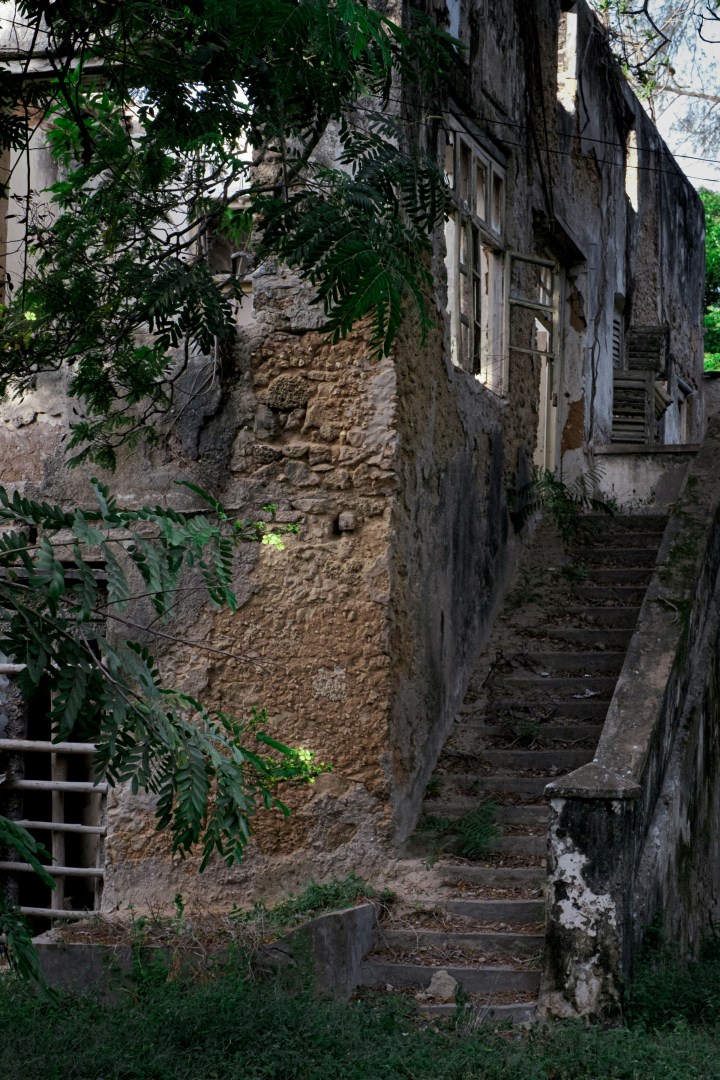
Bagamoyo
Bagamoyo is a historic coastal town in Tanzania’s Pwani Region, facing the Indian Ocean north of Dar es Salaam. Its old town contains Swahili, Arab, and German-era buildings, while the shoreline remains connected to fishing and dhow construction. Bagamoyo developed as an important port and inland caravan terminus, linking the coast with trading routes across the interior.
