

Europe
Europe is a continent where centuries of history, diverse cultures, and striking landscapes are woven together. From the snowy peaks of the Alps to the sun-soaked shores of the Mediterranean, each region offers its own distinct character and traditions.

Aix-en-Provence
Nestled in the heart of Provence, Aix-en-Provence is a city that enchants with its blend of historical charm and vibrant modernity. Founded by the Romans in 123 BC, Aix-en-Provence, often simply called Aix, is renowned for its stunning architecture and rich cultural heritage.
Sintra
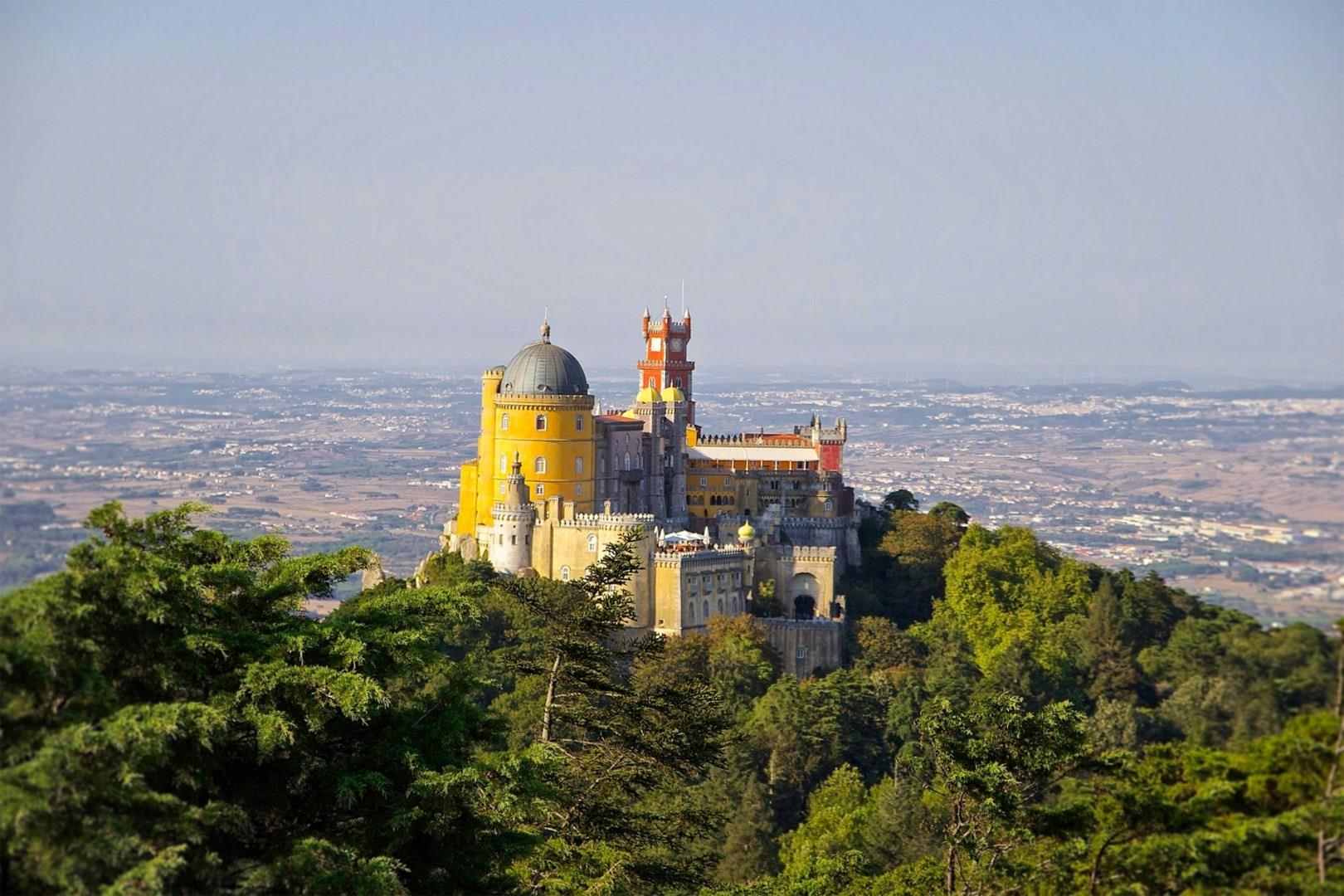
Sintra, located just 40 minutes from Lisbon, feels like a world apart. Tucked into the hills of the Serra de Sintra, this town has drawn kings, poets, and explorers for centuries. It was once the summer retreat of Portuguese royalty, who left behind palaces and gardens that seem pulled from a storybook. The most famous, Palácio da Pena, is perched high above the town with bold red and yellow towers that blend Romanticism with Moorish and Gothic styles.
Des Moines
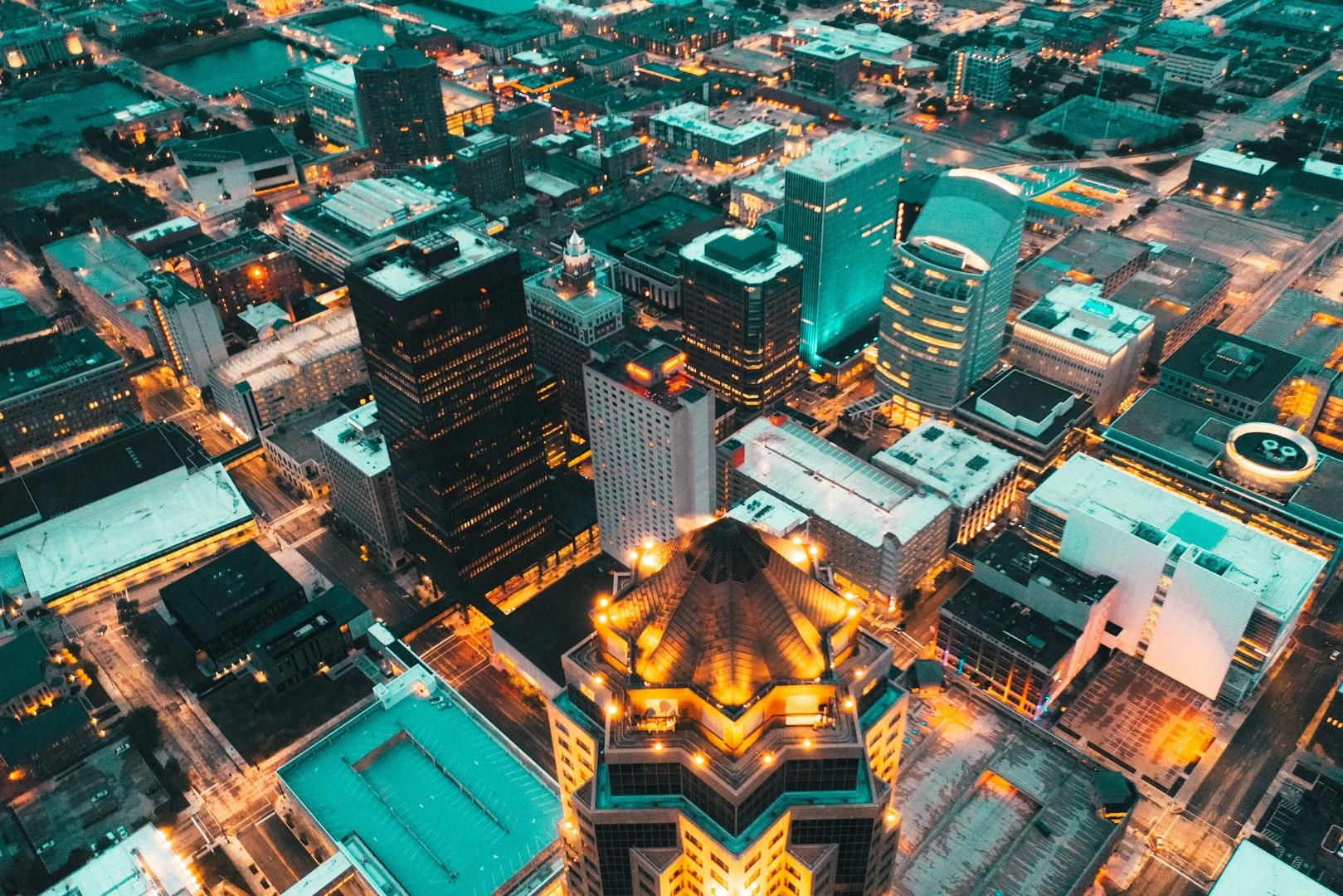
Des Moines, Iowa’s capital city, offers a refreshing take on Midwest travel with a blend of creativity, history, and community pride. Its downtown skyline is anchored by the gold-domed Iowa State Capitol, which offers free guided tours and a striking view from its hilltop perch. Just across the river, the East Village mixes old brick storefronts with indie shops, coffee houses, and vibrant murals. It's where old meets new, a theme that runs throughout the city’s evolving identity.
Malawi
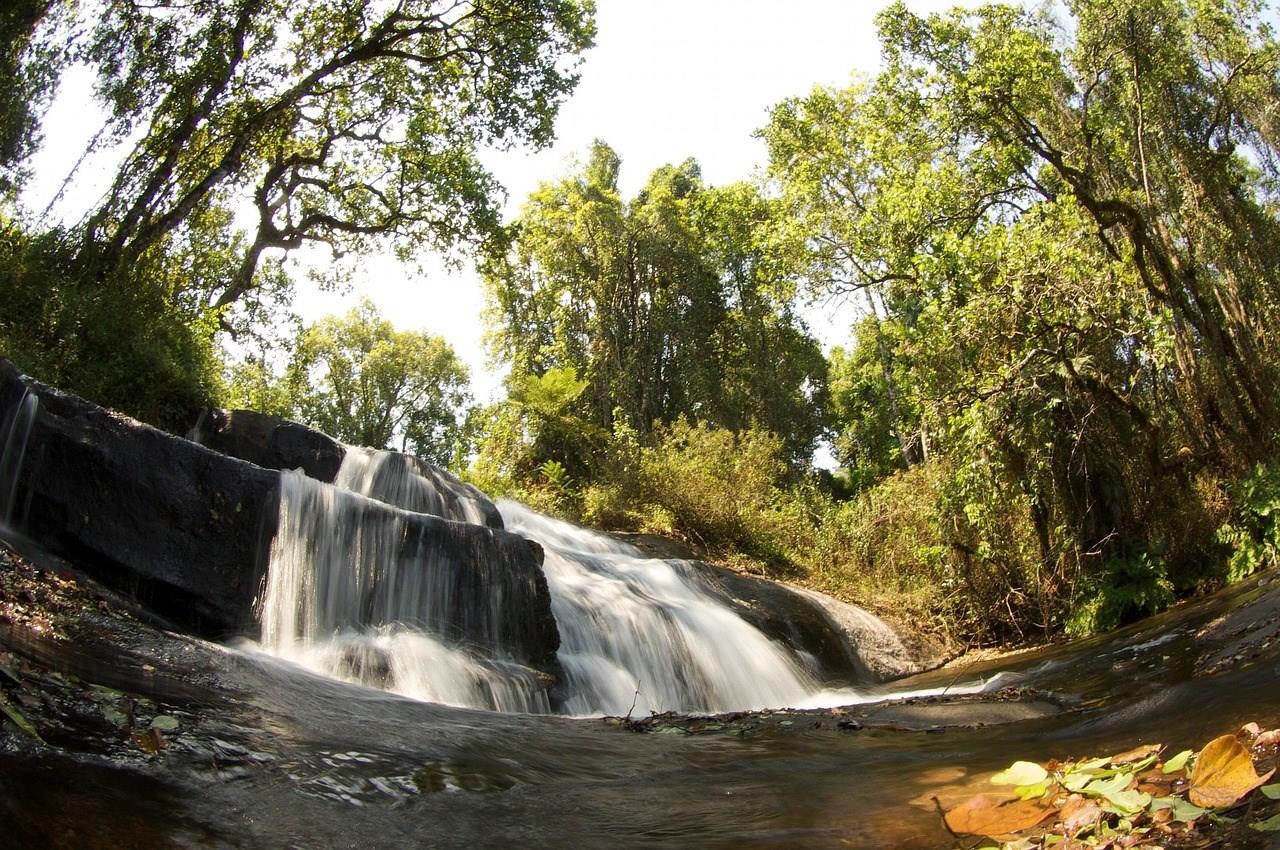
Malawi, often called the “Warm Heart of Africa,” is a landlocked country in southeastern Africa known for its welcoming people and breathtaking natural scenery. Despite its small size, the country offers remarkable diversity, from high mountain plateaus and fertile valleys to sweeping savannas and vast lakeshores.
