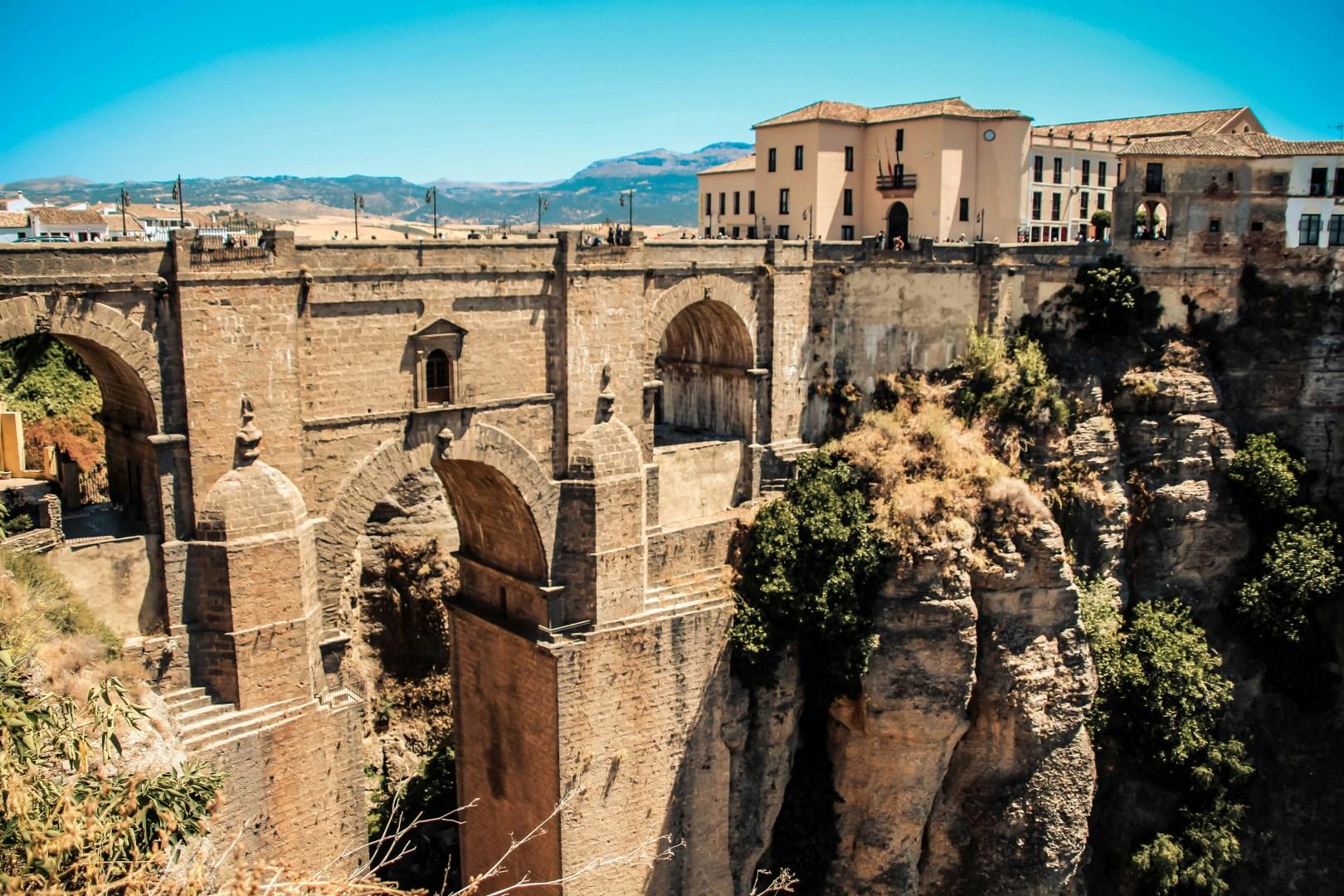
Ronda, perched high above the El Tajo gorge in southern Spain’s Málaga province, offers one of the most dramatic landscapes in Andalusia. The city is split in two by a 120-meter-deep canyon carved by the Guadalevín River, and connected by the iconic Puente Nuevo, an 18th-century stone bridge that took over 40 years to complete. Visitors crossing the bridge can stop at the viewpoint built into the stone itself, once used as a prison.
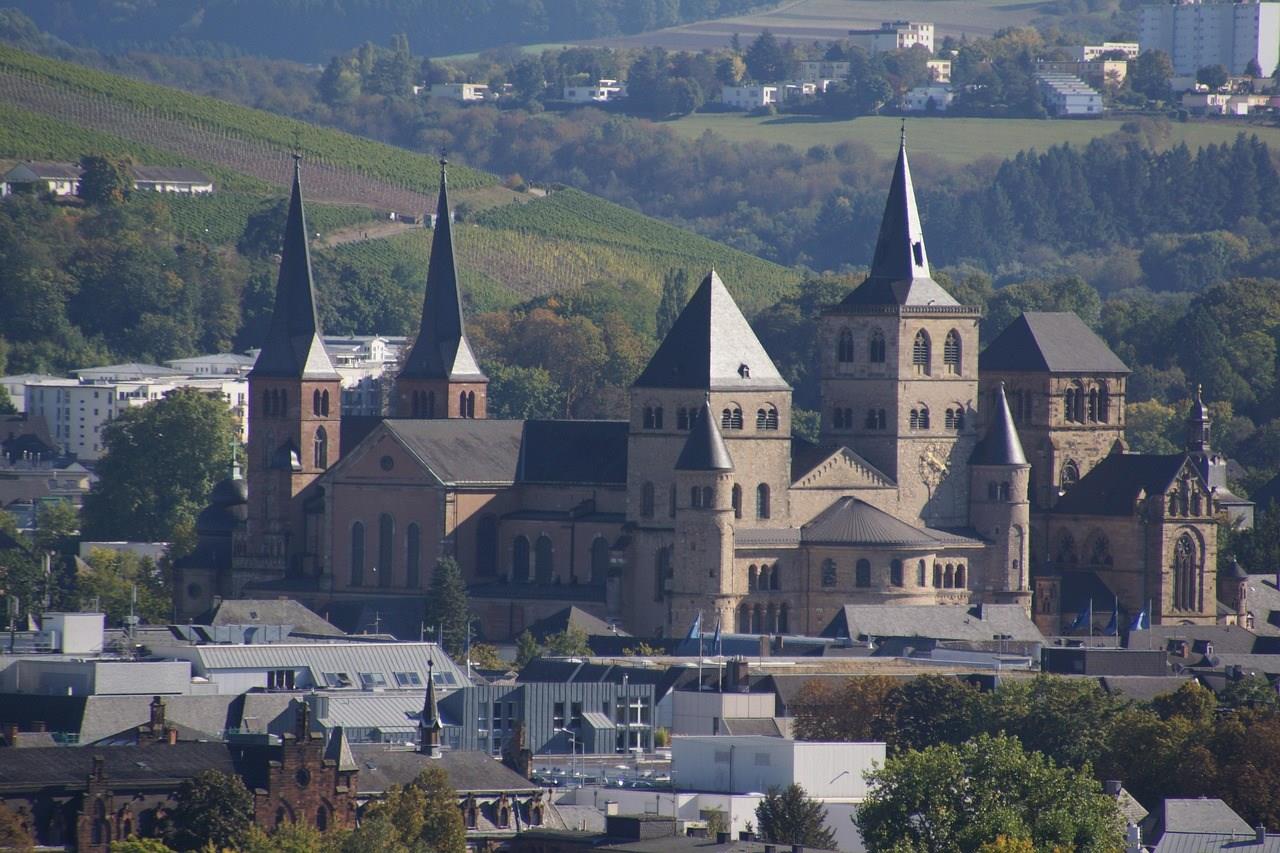
Trier, Germany’s oldest city, is a living museum nestled in the Moselle Valley, where Roman ruins rise beside medieval churches and bustling market squares. Founded by the Romans in 16 BCE, Trier was once known as “Roma Secunda,” the second Rome, and still boasts the largest collection of Roman architecture north of the Alps. The Trier Cathedral (Dom St. Peter), which is a UNESCO World Heritage Site, is the oldest church in Germany and houses a relic said to be the Holy Robe of Christ.

Grímsey is a small island in the Arctic Ocean, about 40 kilometers off the north coast of Iceland and the only part of the country crossed by the Arctic Circle. The island covers roughly 5.3 square kilometers and has a small settlement centered around its harbor. Fishing remains important to local life, while tourism has become another source of activity.
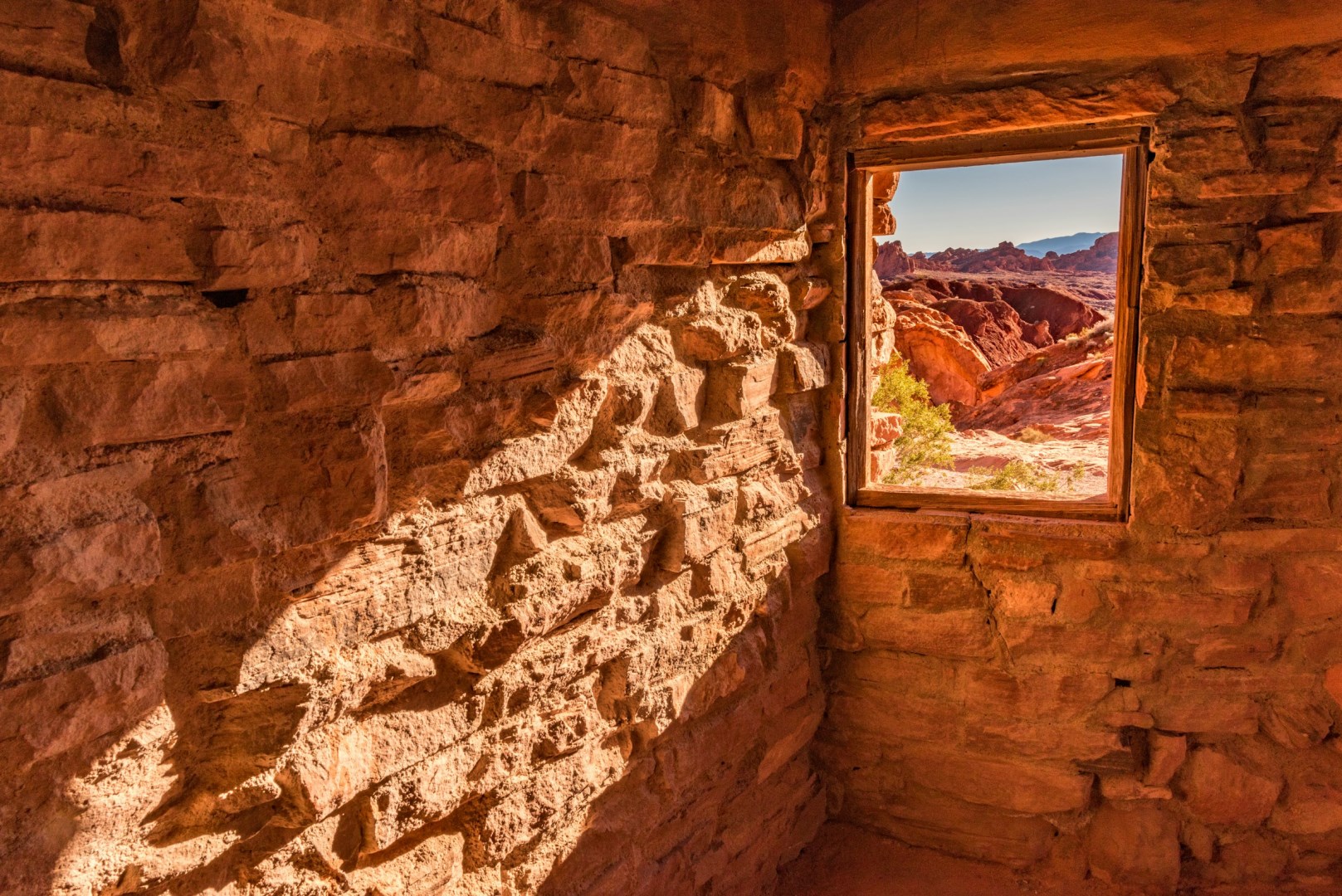
Valley of Fire State Park lies in southern Nevada, northeast of Las Vegas, where more than 40,000 acres of red sandstone formations rise from a desert landscape of limestone hills and broad valleys. The park is Nevada’s largest state park and is named for the fiery appearance of its sandstone when sunlight strikes the rock. Wind and water have shaped the landscape into arches, narrow passages, domes, and ridges in shades of red, orange, tan, pink, and white.
Photo Credit: Photo by Joshua Fernandez on Unsplash
Photo Credit: Photo by Oskar Kadaksoo on Unsplash
Photo Credit: Photo by ダモ リ on Unsplash
Photo Credit: Photo by Joshua Fernandez on Unsplash
Photo Credit: Photo by Zhu Edward on Unsplash
Photo Credit: Photo by Zean Wu on Unsplash
Photo Credit: Photo by LINLI XU on Unsplash
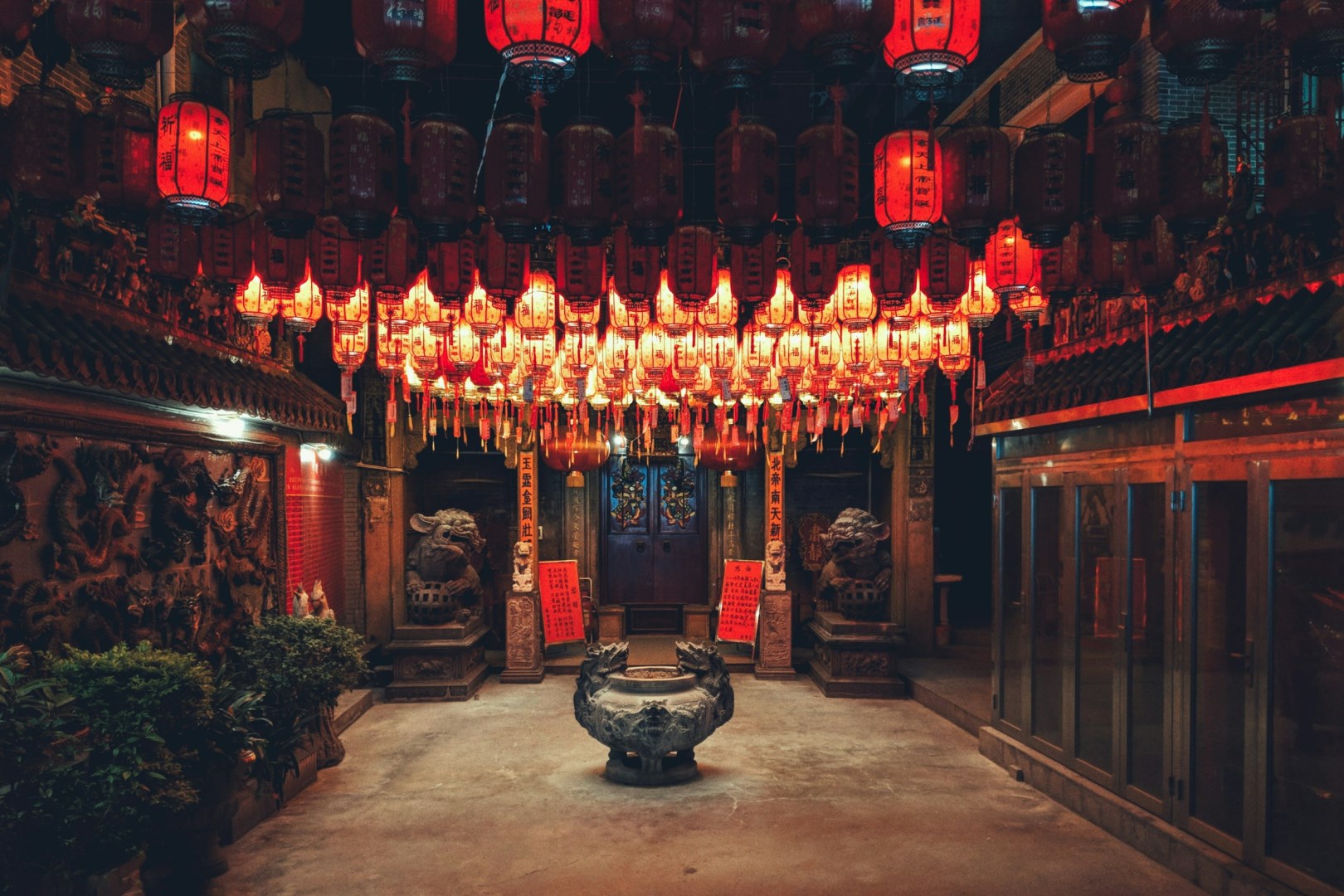
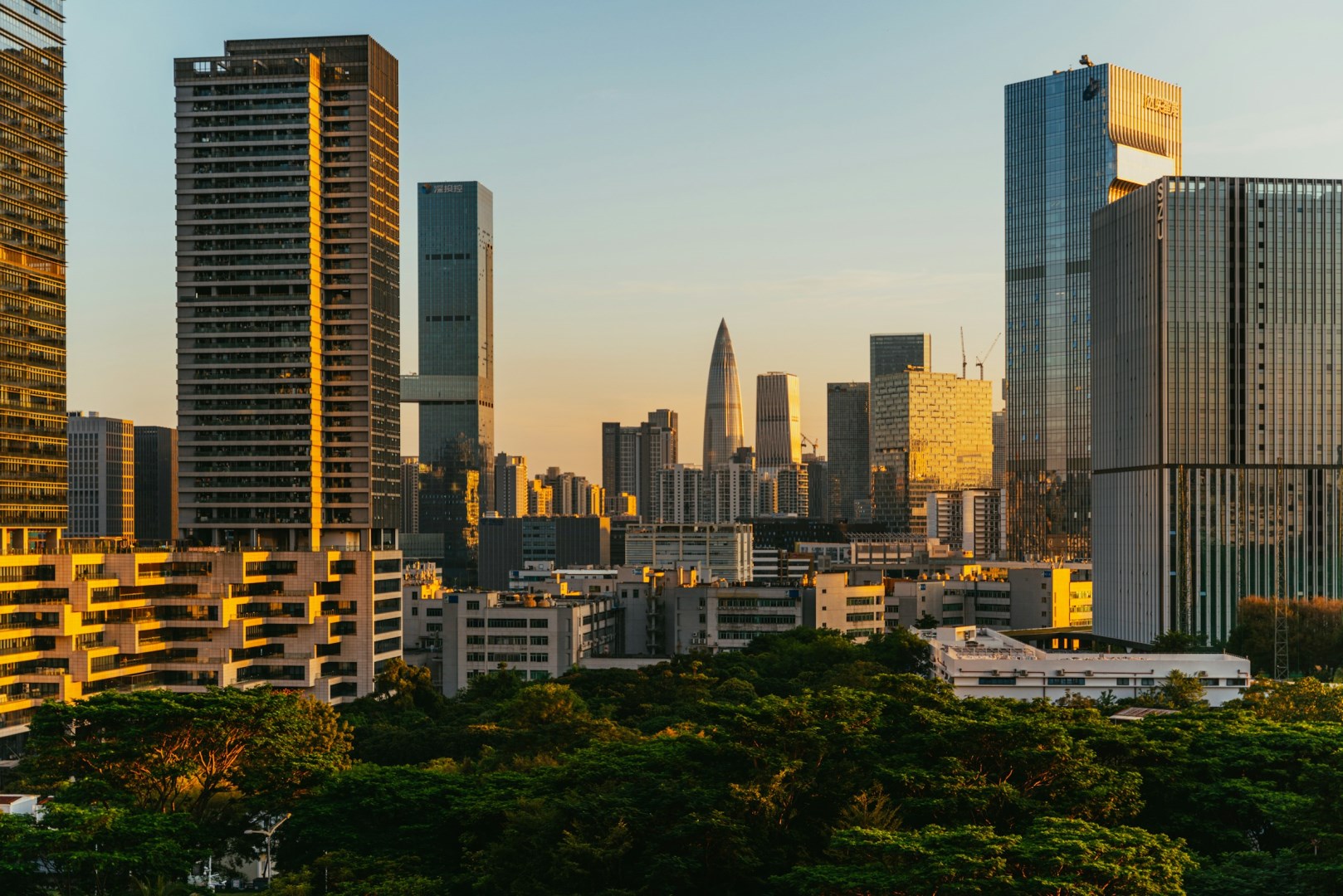
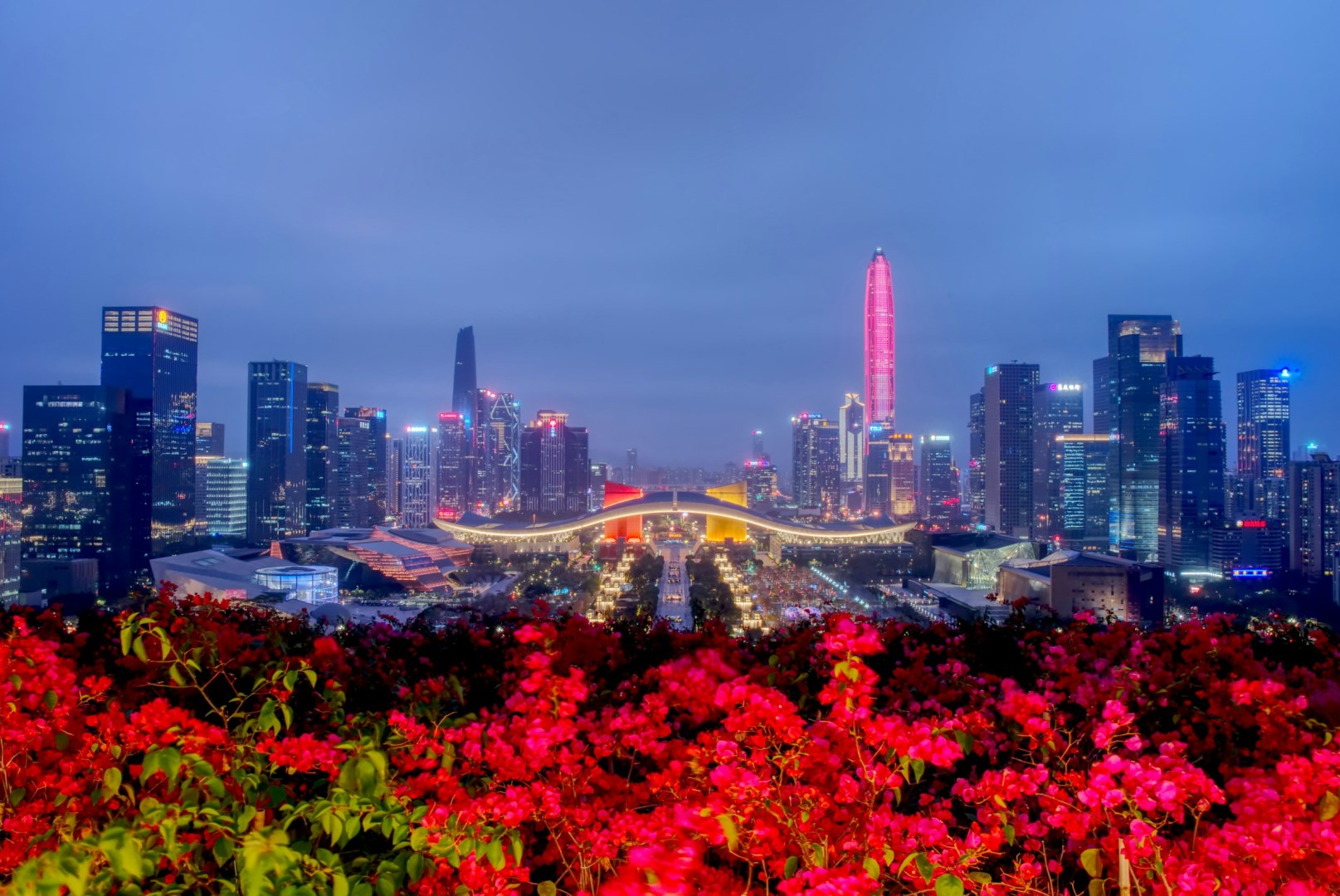
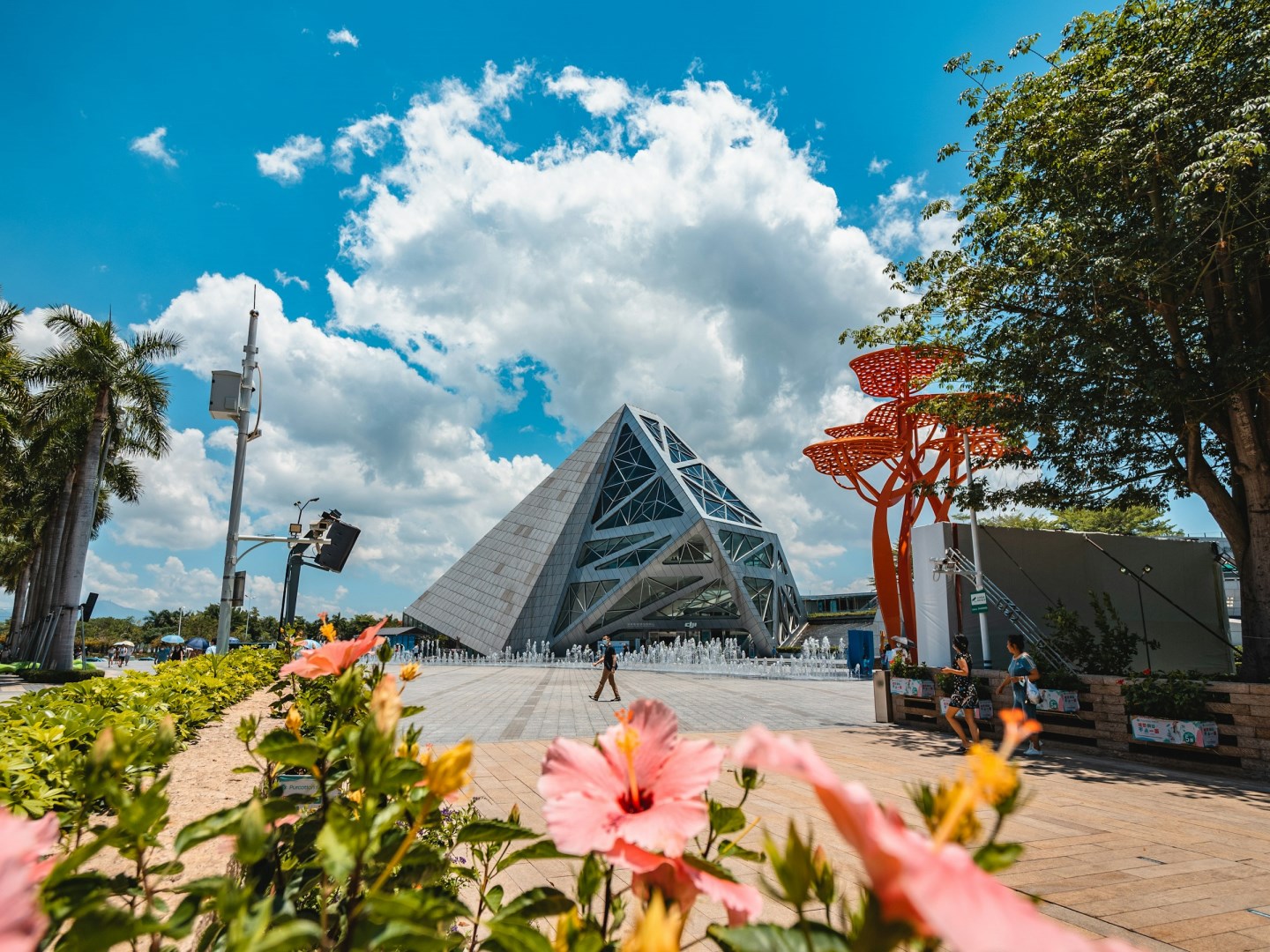
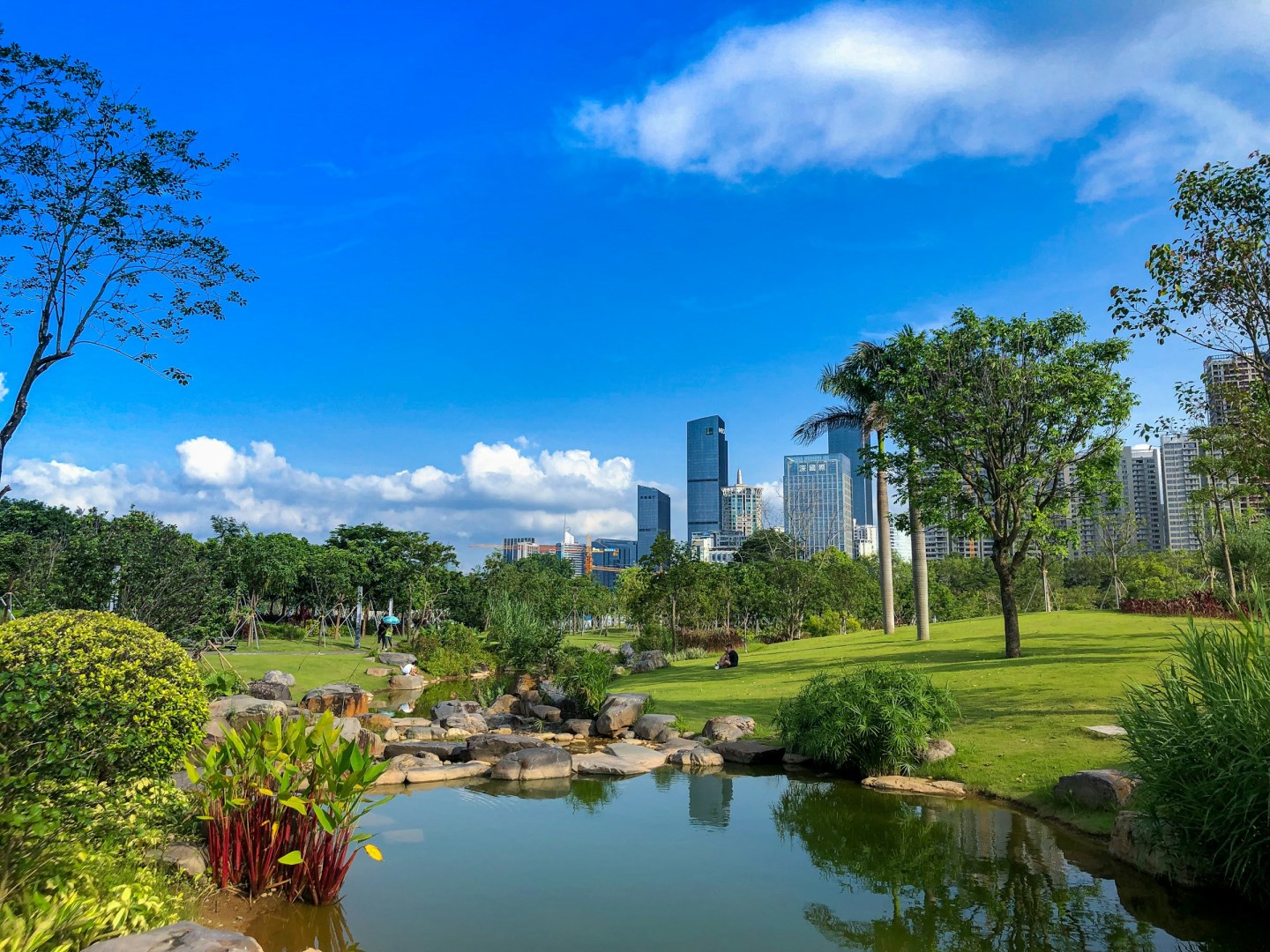
Shenzhen, a dynamic metropolis in southern China, offers a unique blend of modernity and innovation. As a global technology hub, the city is renowned for its sleek skyscrapers and cutting-edge infrastructure. A visit to the Shenzhen Civic Center showcases the city's ambitious architecture, with its impressive glass buildings and futuristic design. The Shenzhen Museum, located nearby, provides a deep dive into the city's rapid development from a fishing village to a high-tech powerhouse.
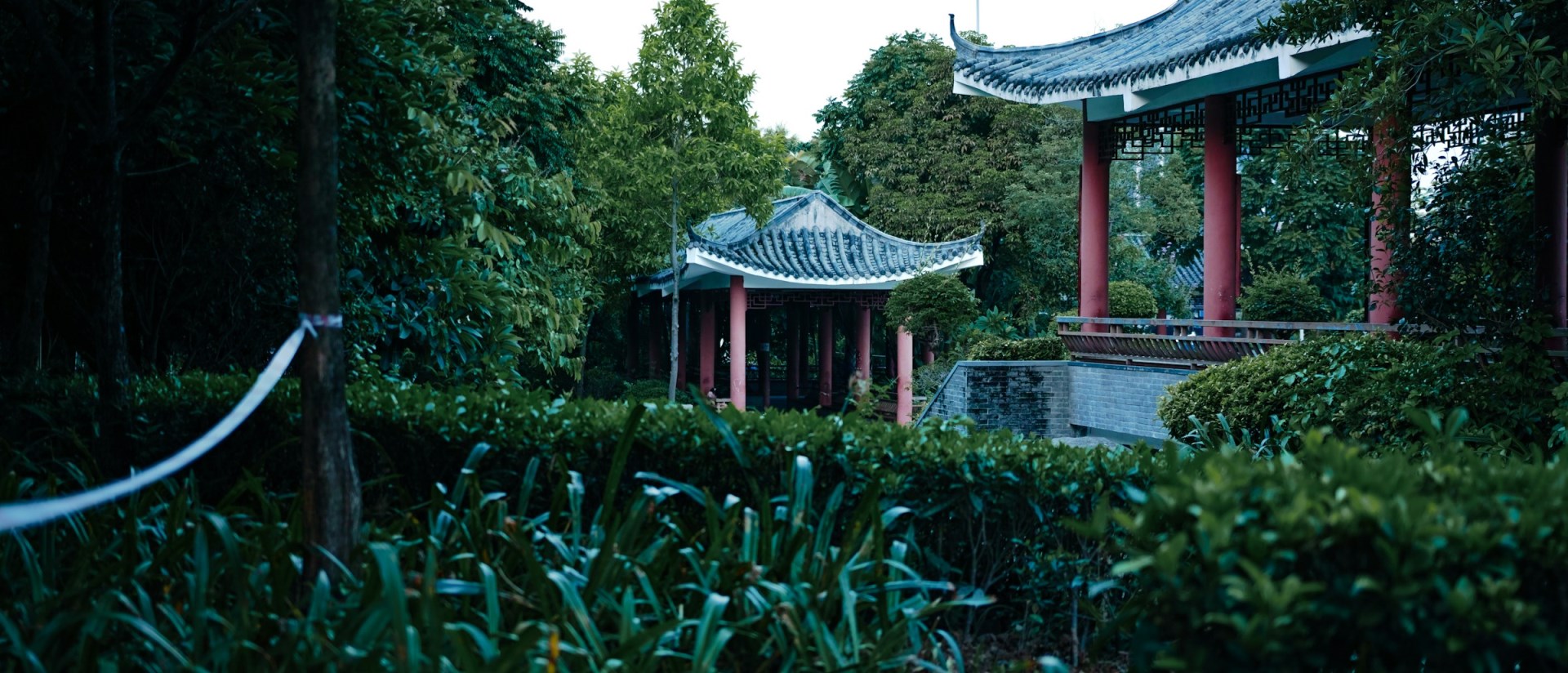
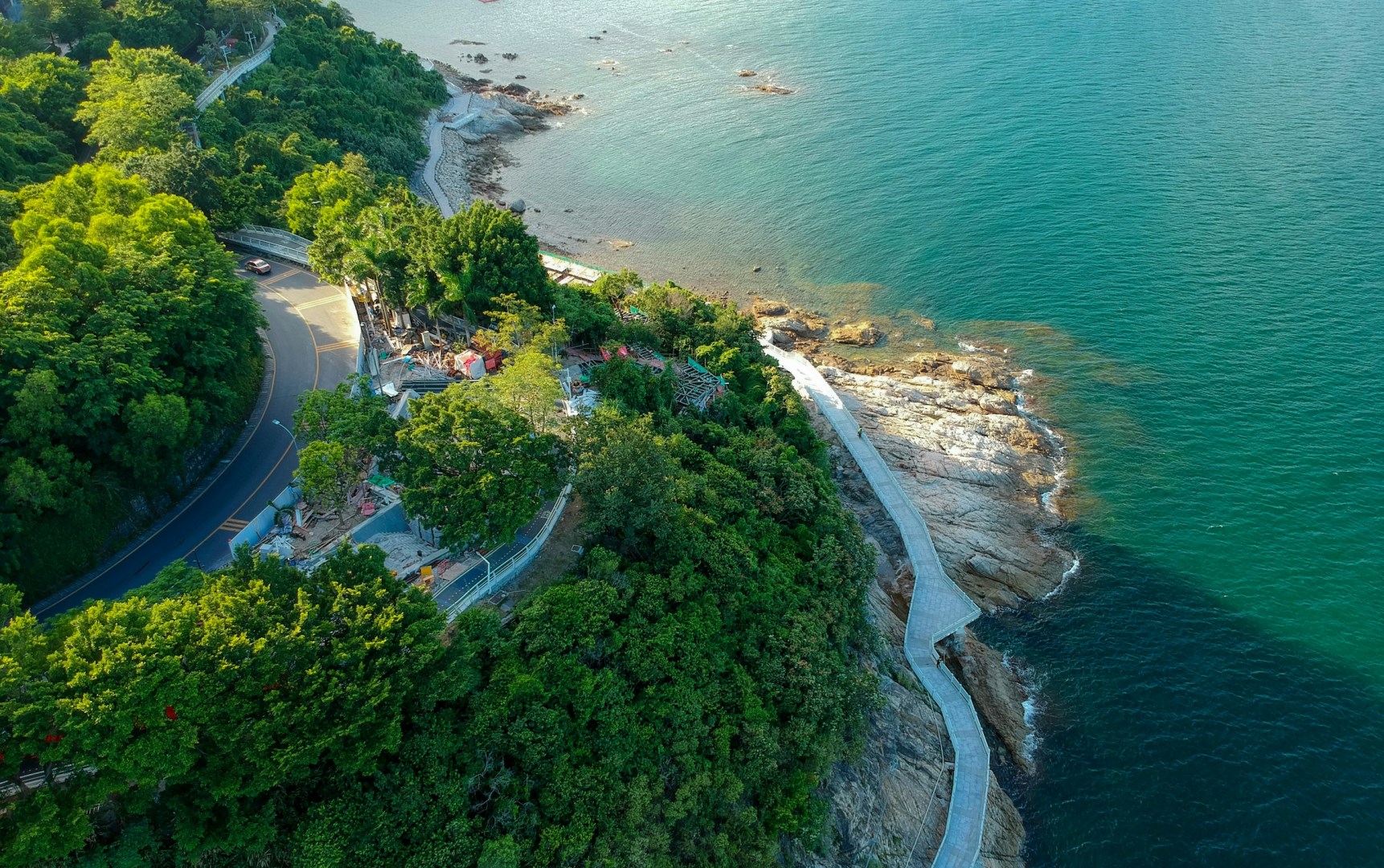
For a taste of Shenzhen’s cultural diversity, head to the vibrant Huaqiangbei district, often referred to as the "Silicon Valley of China." This bustling area is a treasure trove of electronics and gadgets, making it a must-visit for tech enthusiasts and shoppers alike. Additionally, the Shenzhen Bay Park offers stunning waterfront views and is an ideal spot for relaxation and leisurely strolls. Here, you can enjoy a serene escape with panoramic views of the city’s skyline and the bay.
Culinary experiences in Shenzhen are just as enticing. The city boasts a rich culinary scene, influenced by Cantonese cuisine and international flavors. Don't miss the chance to explore the various street food markets, where you can sample local delicacies such as dim sum and freshly made seafood. For a more refined dining experience, the city is home to several high-end restaurants offering exquisite dishes from around the world.
Other Popular Destinations in China
Beijing
Beijing, the capital of China, is a city where history and modern life intersect on a grand scale. Ancient landmarks like the Forbidden City, Tiananmen Square, and the Temple of Heaven reflect centuries of imperial heritage, while the Great Wall lies just outside the city, offering views of one of the most famous engineering feats in the world.
Xi'an
Xi’an, located in central China’s Shaanxi Province, served as the starting point of the ancient Silk Road and was the capital of 13 imperial dynasties. Its long history is most famously represented by the Terracotta Army, an underground army of life-sized warriors discovered in 1974. Each figure has distinct facial features, hairstyles, and armor, designed to protect Emperor Qin Shi Huang in the afterlife.