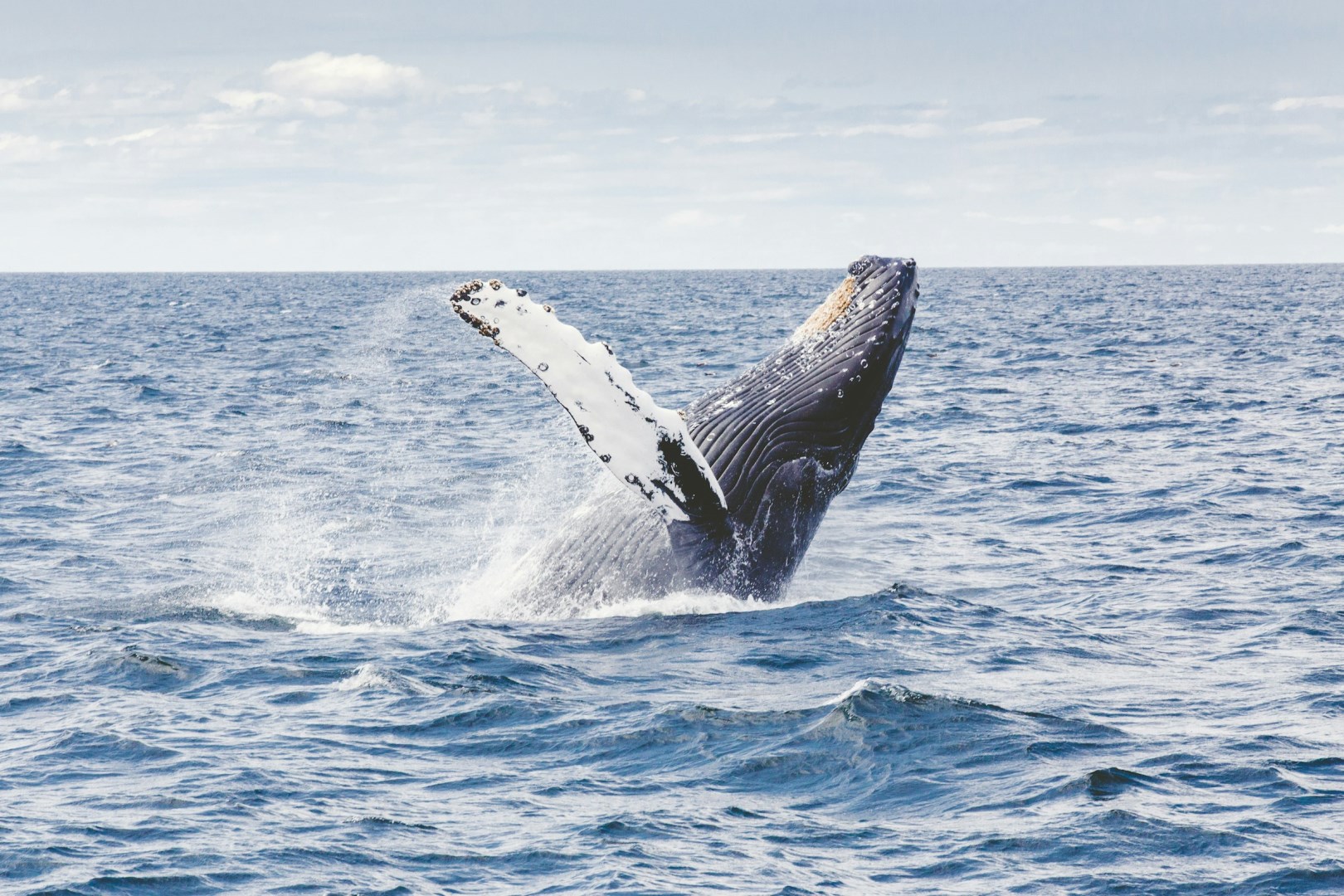
Provincetown
Provincetown is a small coastal town at the northern tip of Cape Cod, Massachusetts, surrounded by the waters of Cape Cod Bay and the Atlantic Ocean. Its narrow peninsula is shaped by shifting dunes, sandy beaches, tidal flats, and protected coastal habitats. Commercial Street forms the center of town, lined with galleries, restaurants, shops, guesthouses, and historic buildings.
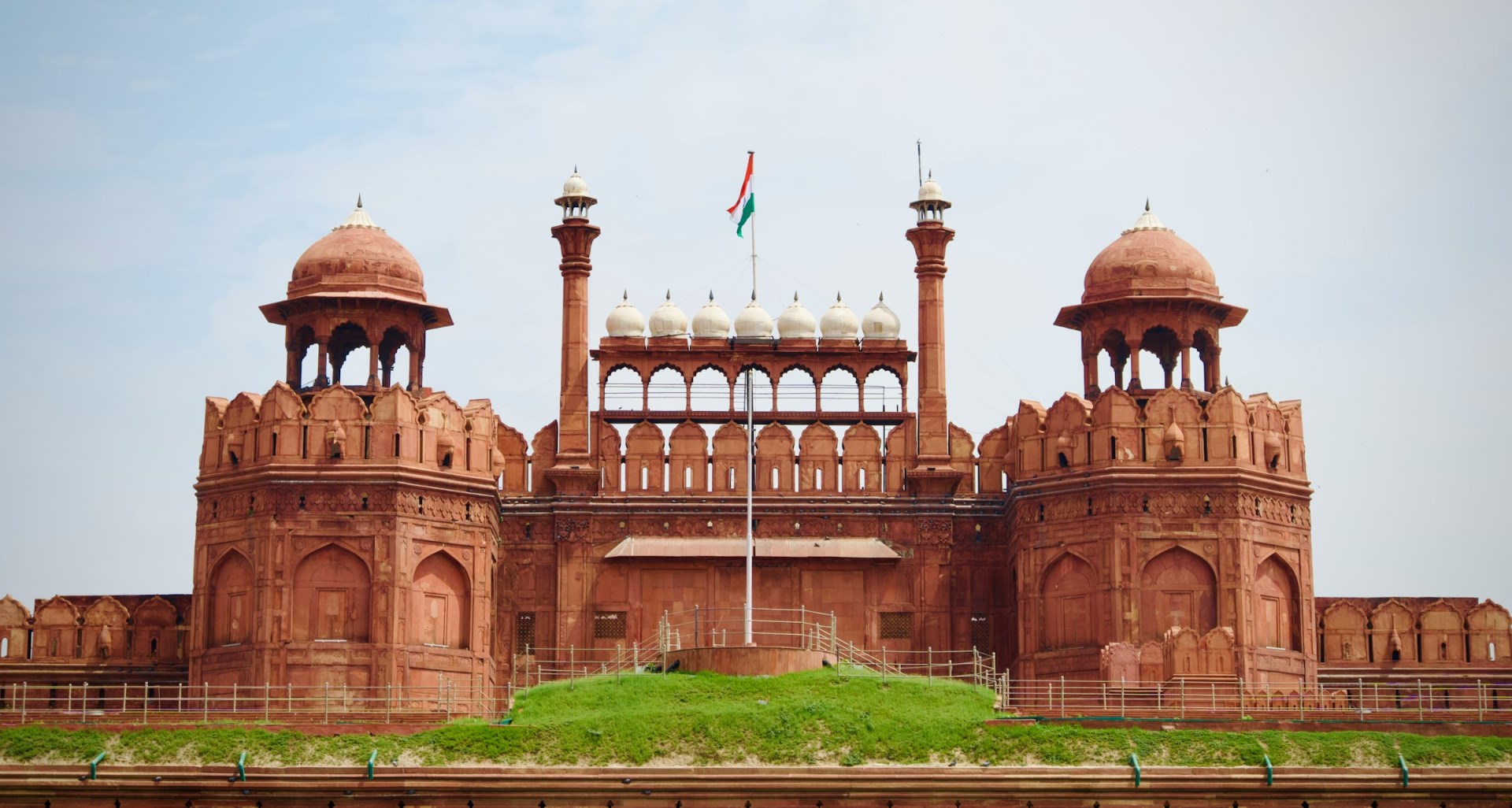
New Delhi
New Delhi is the planned central district of India’s capital, laid out with broad avenues, formal gardens, government buildings, and prominent public landmarks. Designed around ceremonial spaces and tree-lined roads, it contrasts with the dense lanes and historic neighborhoods of Old Delhi. Rashtrapati Bhavan, Parliament, India Gate, and Kartavya Path form some of the district’s defining landmarks.
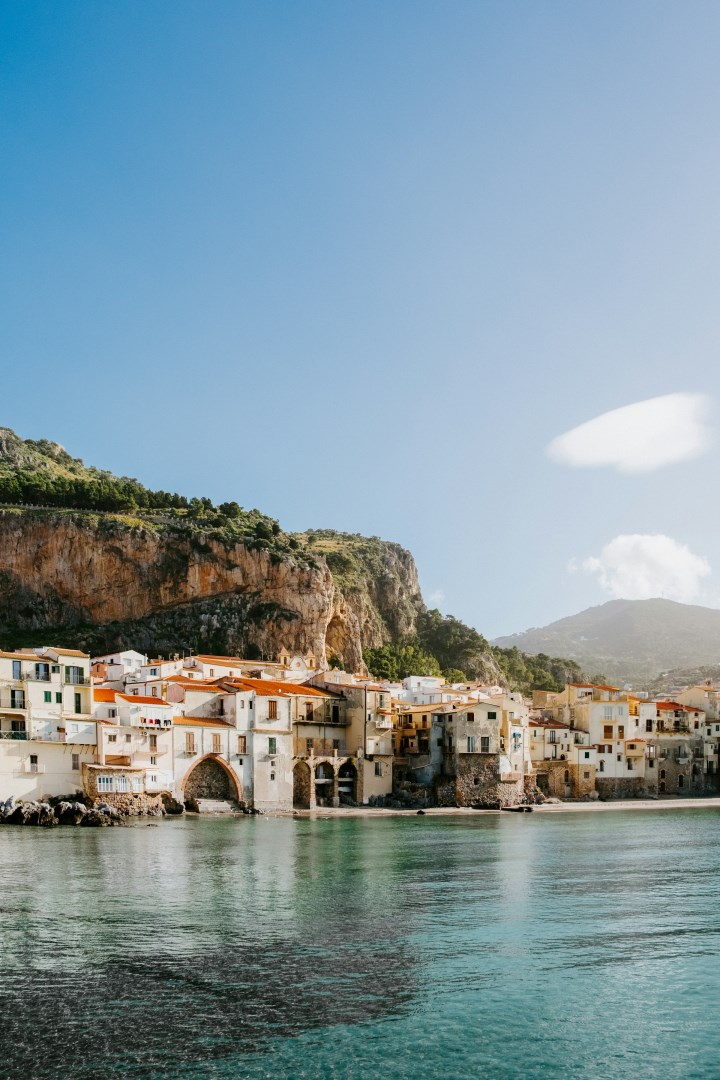
Cefalù
Cefalù is a coastal town on Sicily’s northern shore, set between the Tyrrhenian Sea and the steep slopes of La Rocca, the large limestone outcrop that rises directly behind the historic center. Its old town is arranged around narrow stone streets leading toward Piazza Duomo, while a sandy beach stretches beside the settlement below the town walls. The combination of a compact historic core, prominent mountain, and seafront gives Cefalù a distinctive physical setting.
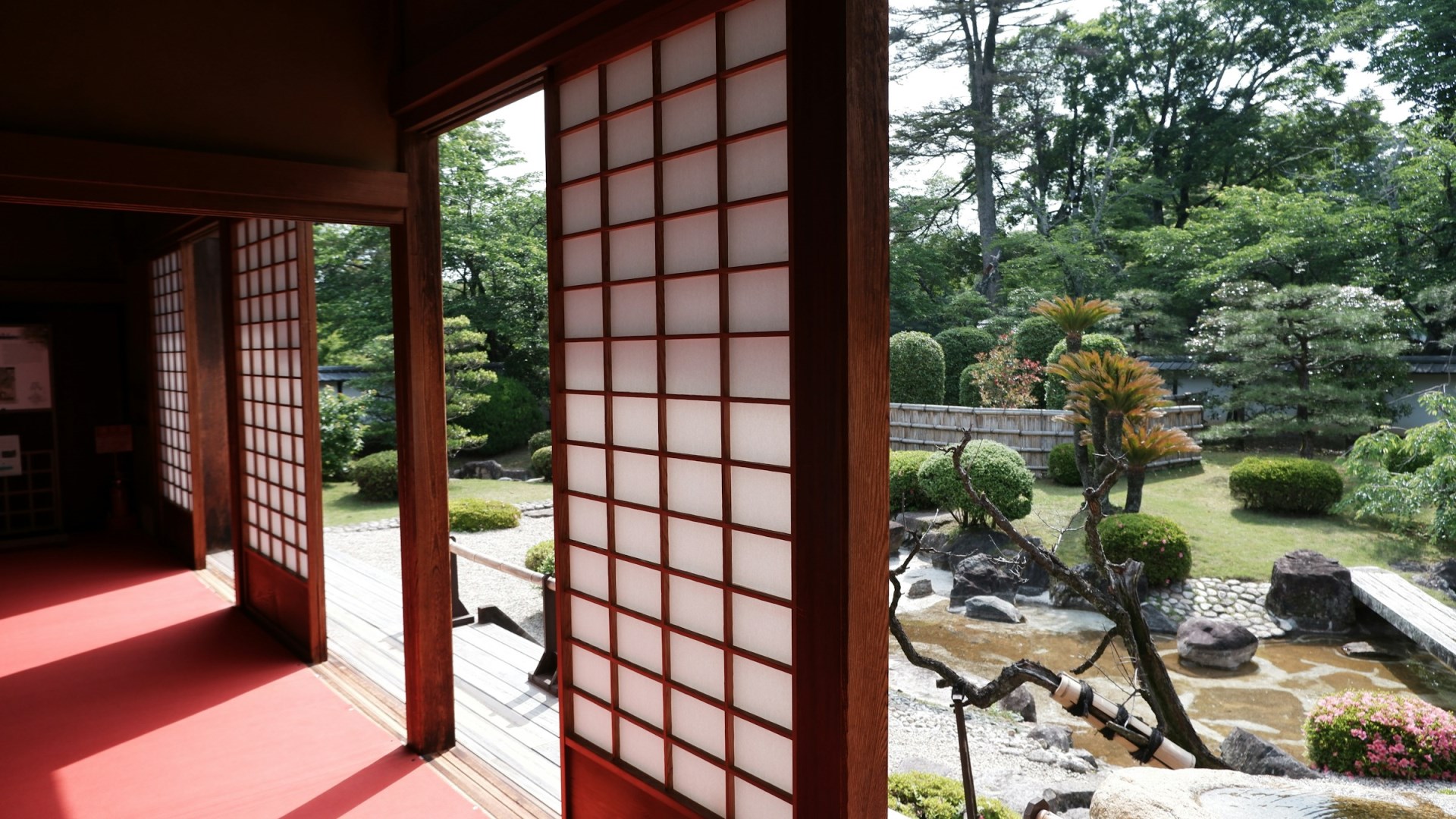
Hikone
Hikone is a city in Shiga Prefecture on the eastern shore of Lake Biwa, Japan's largest lake. Its location combines a historic castle town with lakeside landscapes, wooded hills, and traditional neighborhoods. Hikone Castle, a National Treasure, is the city's best-known landmark and remains surrounded by moats, stone walls, and gardens.

Tola
Tola is a coastal municipality in Nicaragua's Rivas department, extending along a long stretch of the country's southwestern Pacific shoreline. Its landscape combines sandy beaches, rocky headlands, tropical vegetation, farmland, and small rural communities. Tola is particularly known for its many beaches, including Playa Gigante, Playa Amarillo, Playa Colorado, Playa Guasacate, Playa Popoyo, and Playa Astillero.