Tórshavn
Tórshavn, the capital of the Faroe Islands, offers a unique blend of Scandinavian charm and rugged natural beauty. Nestled between dramatic fjords and windswept landscapes, Tórshavn is one of the smallest and most picturesque capitals in the world. Visitors can start their exploration in the historic Tinganes area, the cradle of Faroese civilization.
Fox Glacier
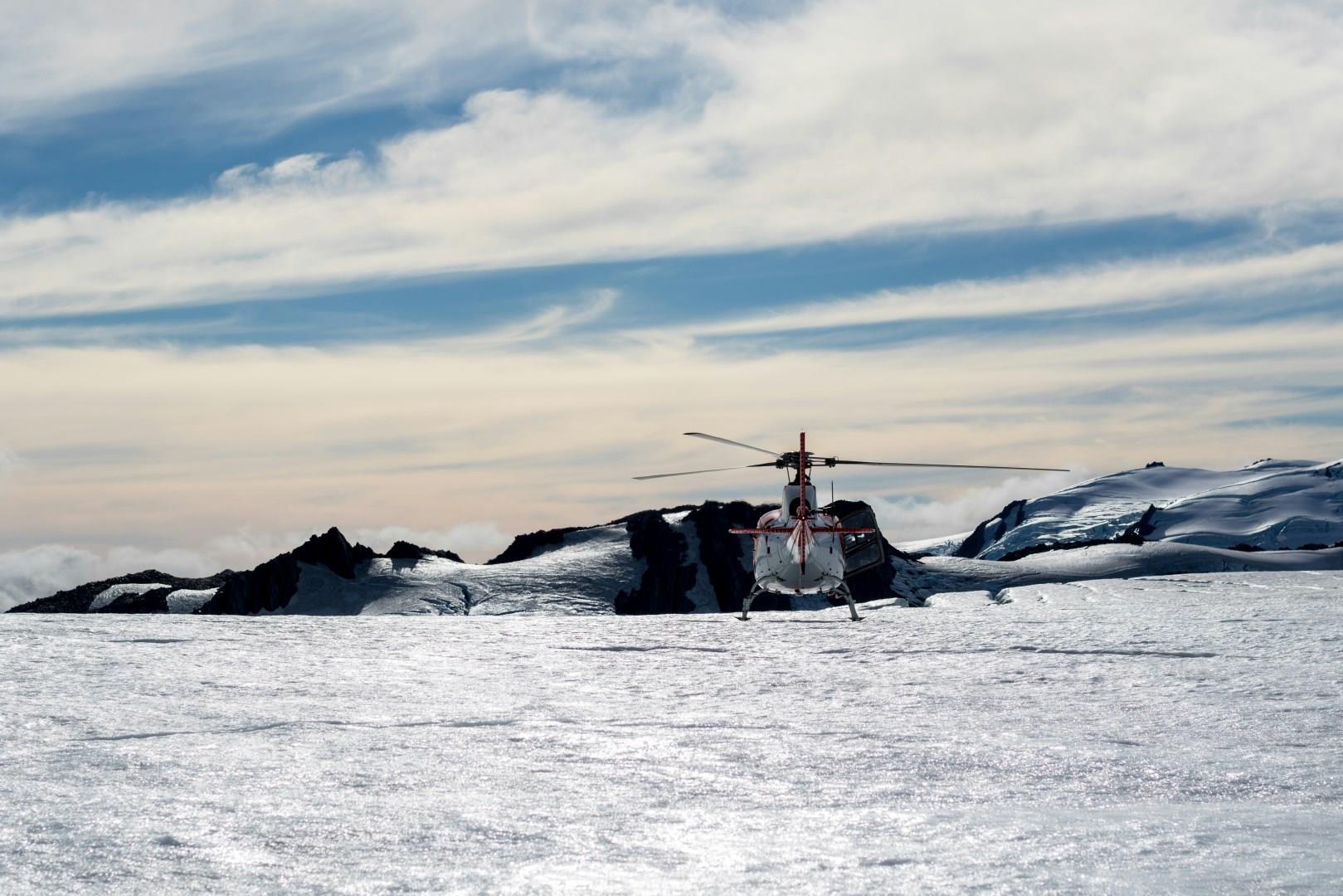
Fox Glacier, on New Zealand’s South Island, is one of the country’s most remarkable natural wonders, where icy landscapes meet lush rainforest. Named after Sir William Fox, a 19th-century Prime Minister of New Zealand, the glacier stretches from the high peaks of the Southern Alps down into temperate rainforest.
Ayutthaya
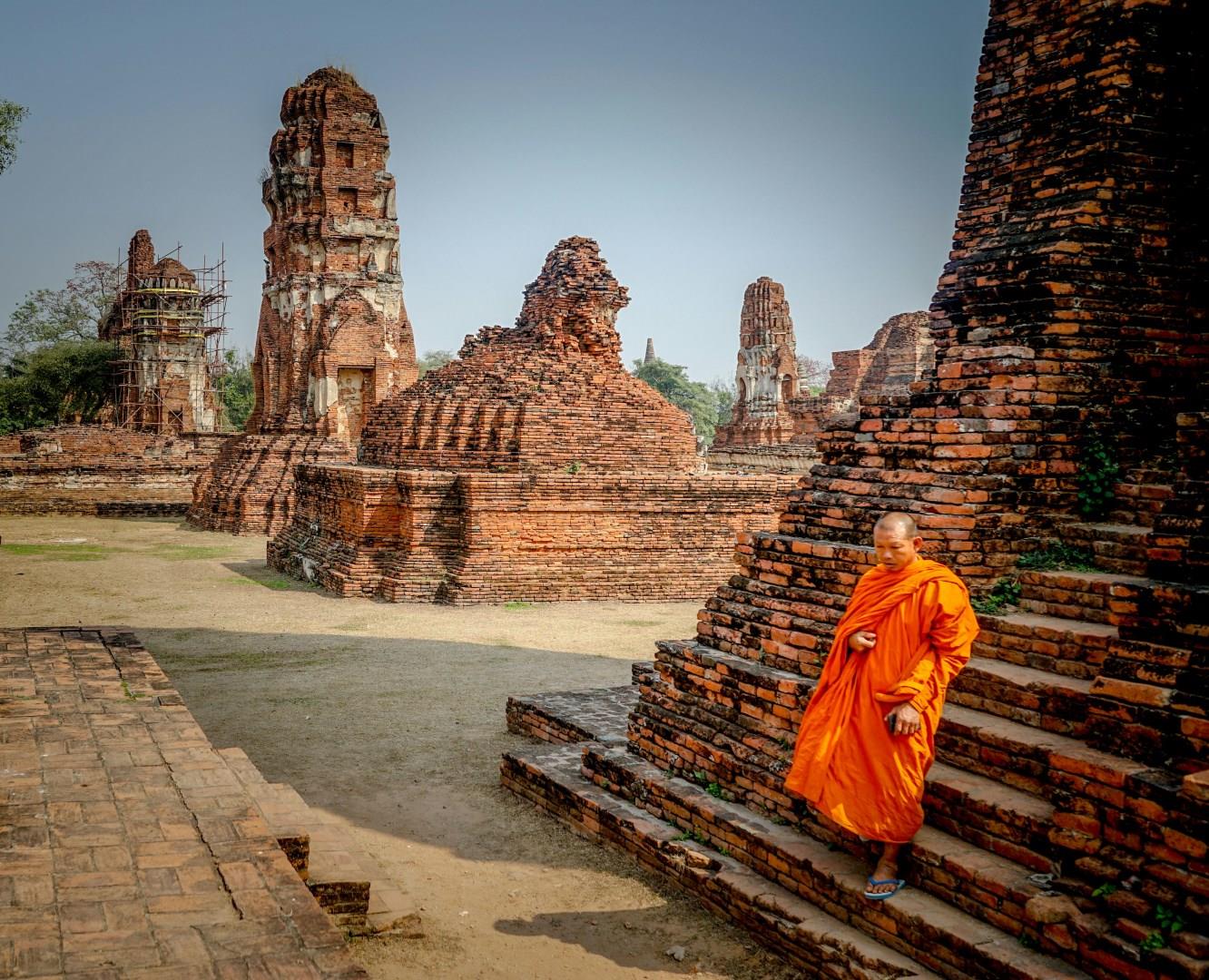
Ayutthaya, located about 80 kilometers north of Bangkok, Thailand, was the capital of the Ayutthaya Kingdom from the 14th to the 18th century. Its ruins, set among rivers and canals, reveal a once-thriving city that was a hub of trade, politics, and culture, linking Southeast Asia with China, India, and Europe.
Amboy
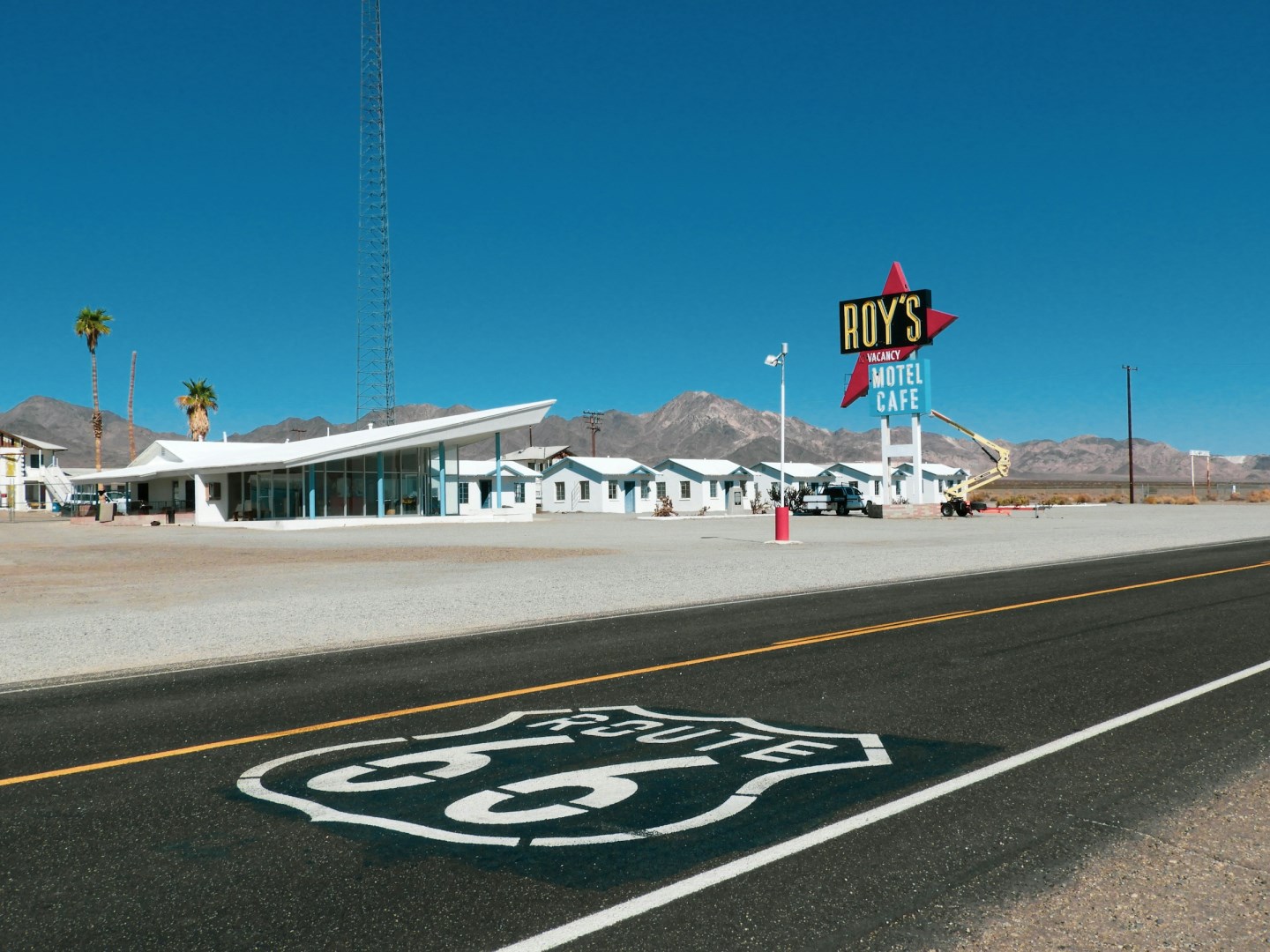
Amboy is a small desert community in San Bernardino County, California, located along the historic U.S. Route 66 in the Mojave Desert. The settlement sits near Amboy Crater, a broad volcanic cinder cone rising from a largely open lava field. Its isolated location and surviving roadside structures provide a clear sense of the distances once traveled by motorists crossing the desert.
Transylvania
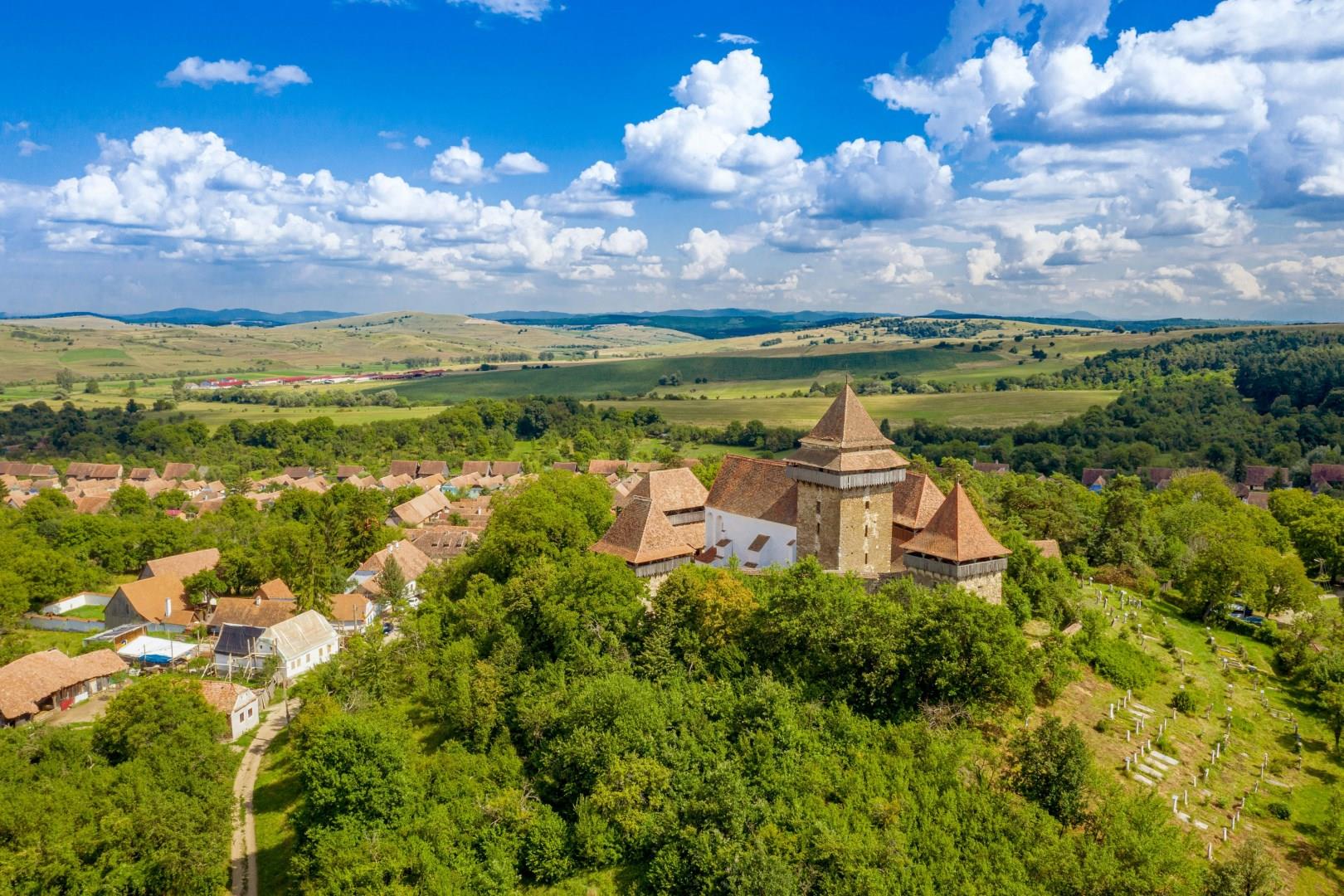
Transylvania is a historical region in central Romania, bordered by the Carpathian Mountains. It is known for its forested landscapes, medieval towns, and a mix of cultural influences shaped by Romanian, Hungarian, and Saxon communities. Cities such as Cluj-Napoca and Brașov serve as regional centers with preserved old quarters and growing modern districts. The region is often associated with folklore, but its identity is grounded in everyday rural life and long-standing settlement patterns.