
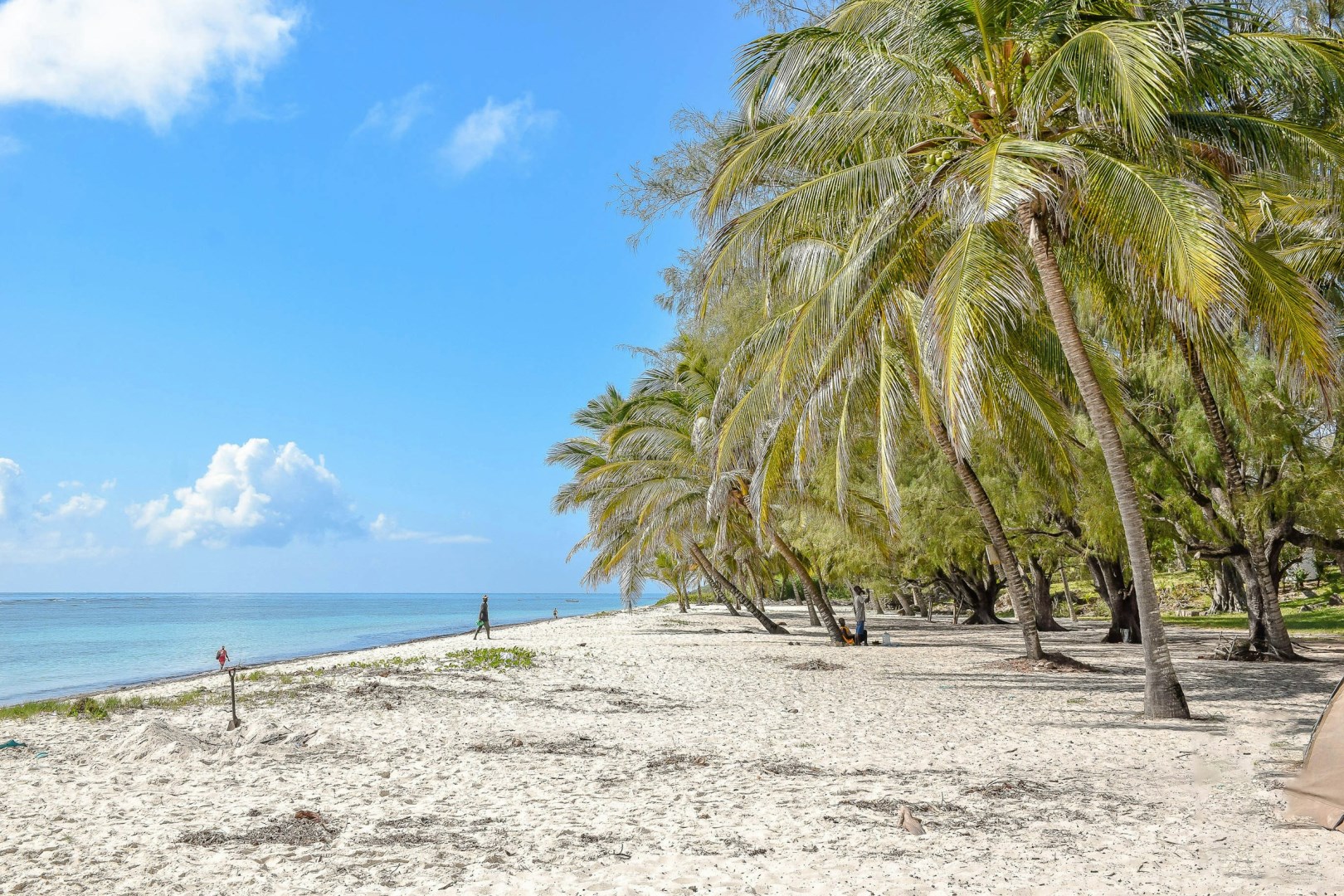
Mombasa
Mombasa, Kenya’s vibrant coastal city, offers a blend of rich history, diverse cultures, and stunning beaches. As Kenya's second-largest city and its principal port, Mombasa has been a crucial crossroads for trade and culture for centuries. The historic Fort Jesus, a UNESCO World Heritage site, stands as a testament to the city's colonial past.
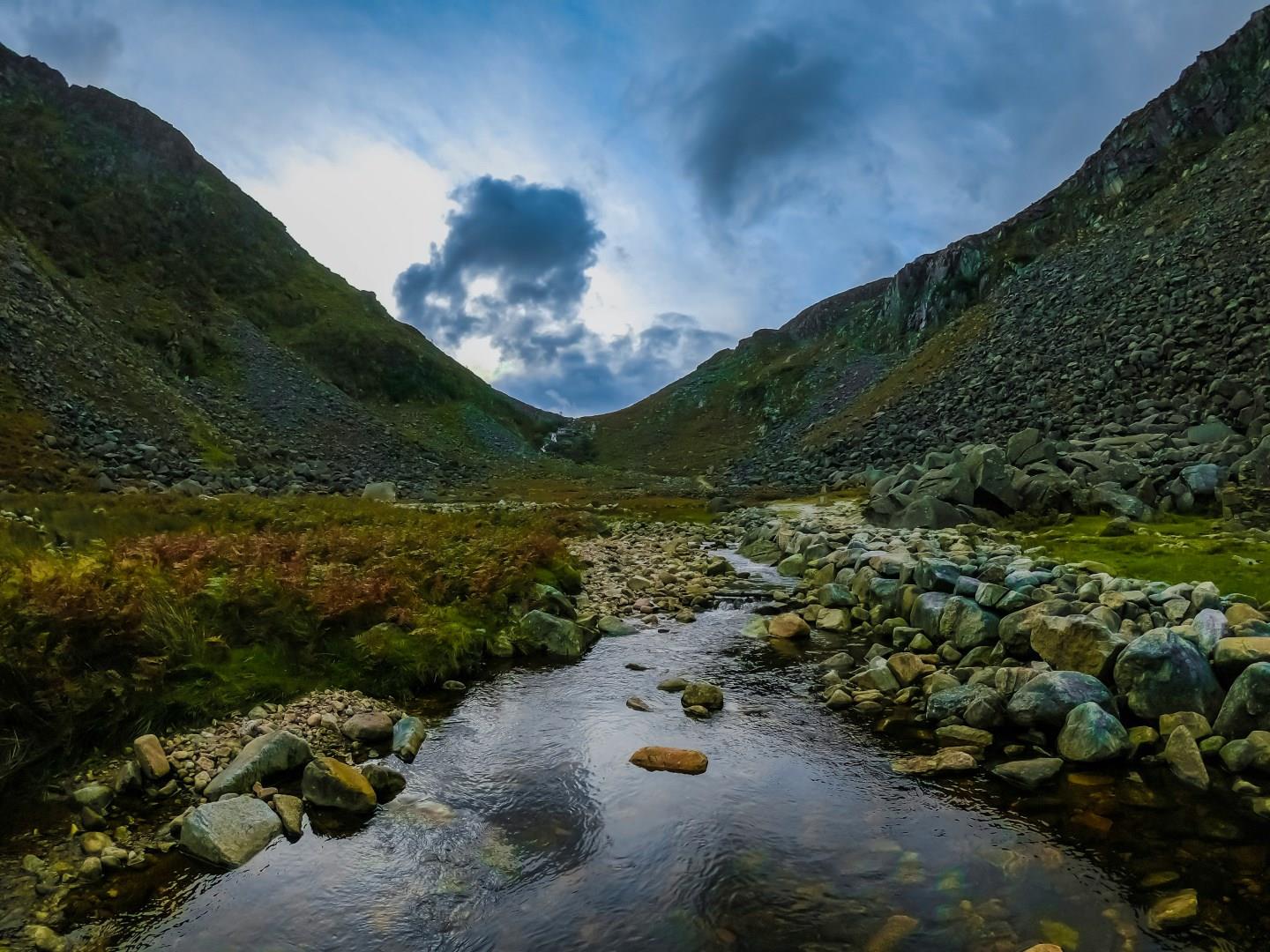
Glendalough
Glendalough, located in County Wicklow, is one of Ireland’s most historically significant and visually striking valleys. It’s best known for its early medieval monastic site, founded by St. Kevin in the 6th century. The round tower, cathedral ruins, and stone churches that remain today are surrounded by forests, lakes, and mountain trails, creating a setting that feels both ancient and untouched.

Salerno
Salerno, nestled along Italy's stunning Amalfi Coast, offers a captivating blend of history, culture, and Mediterranean charm. As a gateway to the Amalfi Coast, Salerno's historic center features delightful streets and architectural gems.
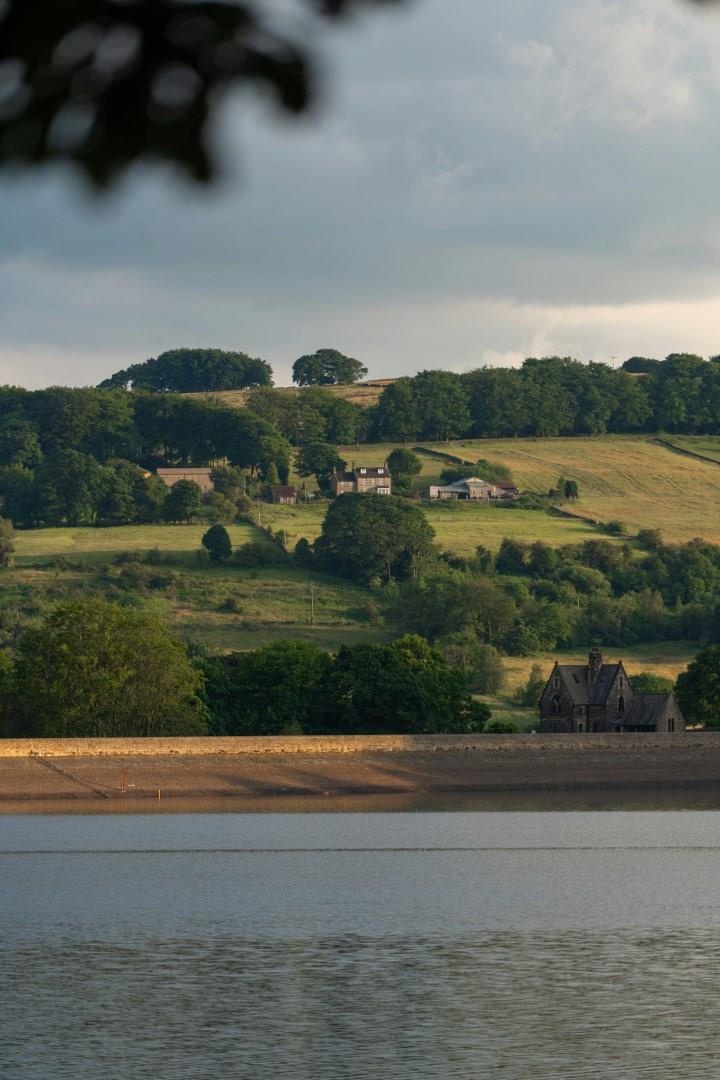
Sheffield
Sheffield, once the global heart of the steel industry, has evolved into a city where industrial heritage meets green landscapes and a growing creative scene. Known historically for innovations like stainless steel, Sheffield still celebrates its roots at sites like the Kelham Island Museum, where restored machinery and interactive exhibits tell the story of the city’s engineering legacy.

Bad Aibling
Bad Aibling is located in the charming landscape of the Mangfall valley, an hours drive southeast of Munich. Its open, partly elevated position gives wonderful views of the nearby chain of the Tolzer Alps, across the Inn valley, with the Kaisergebirge in the Tyrol, all the way to the Salzburger Alps. All the popular destinations for excursions in Upper Bavaria and Austria, the wide variety of artistic treasures, the Herrenchiemsee palace and the countless jewels of the Bavarian Baroque in the su


