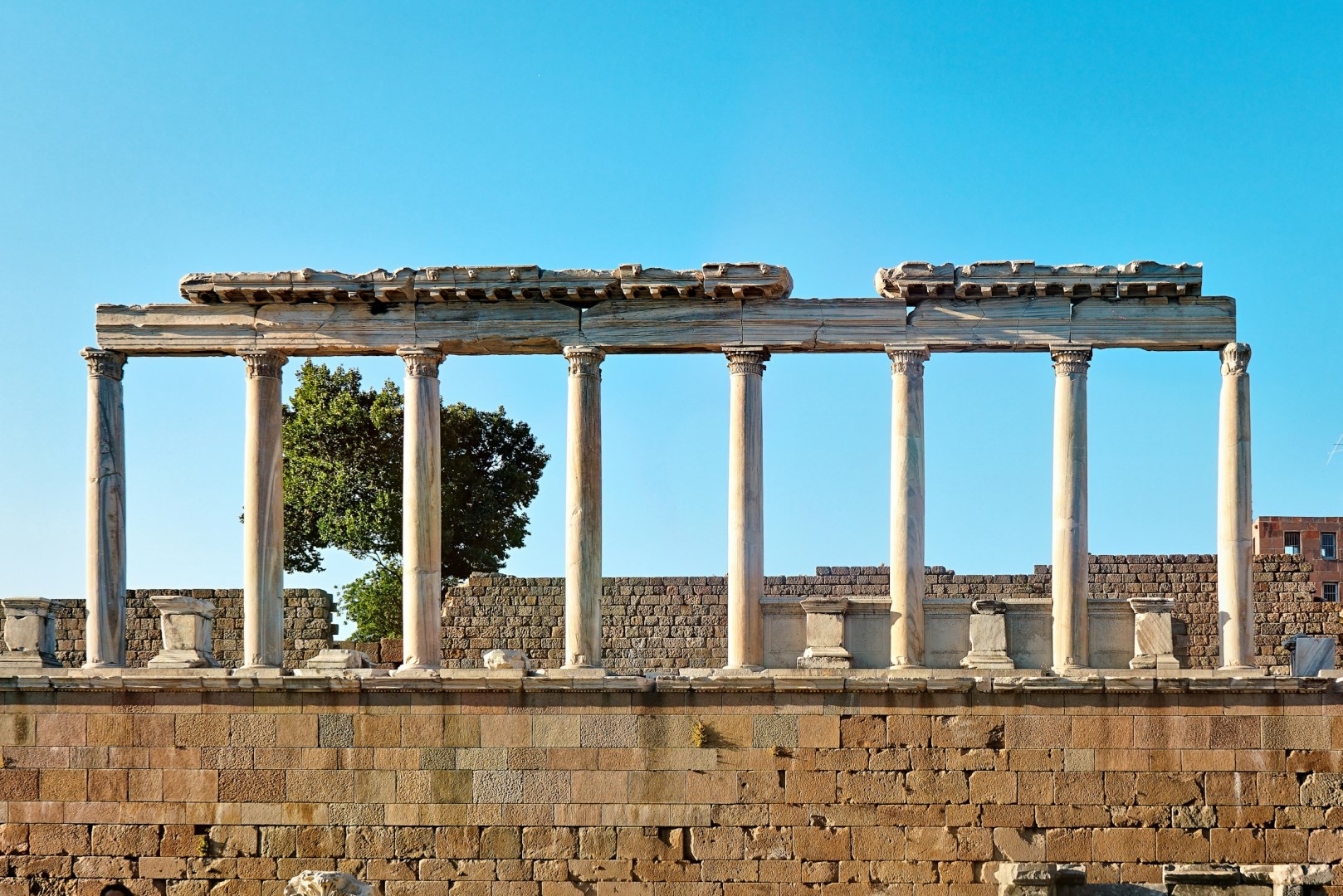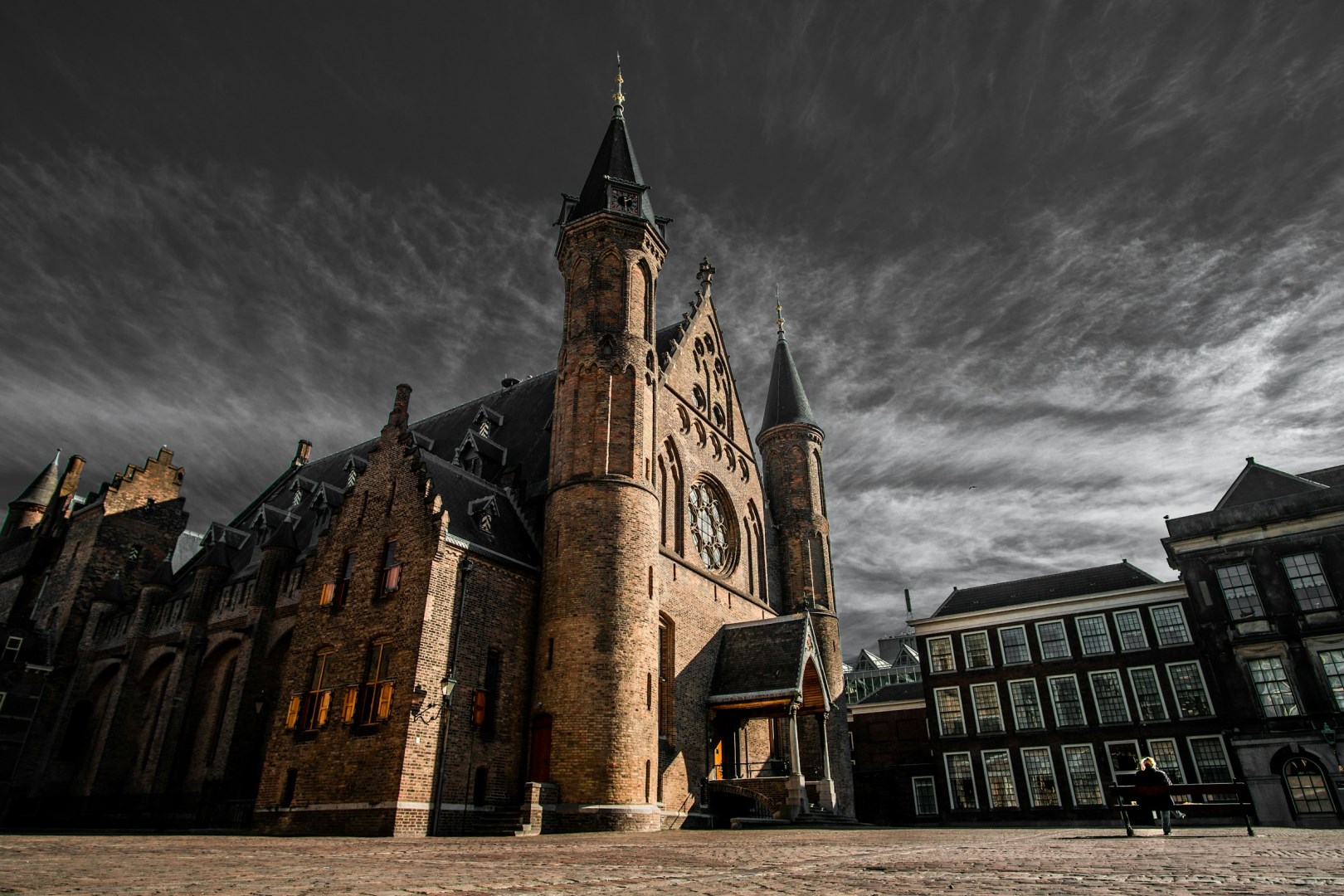
The Hague
Capital of Netherlands located on the North Sea and the sight of many International events.
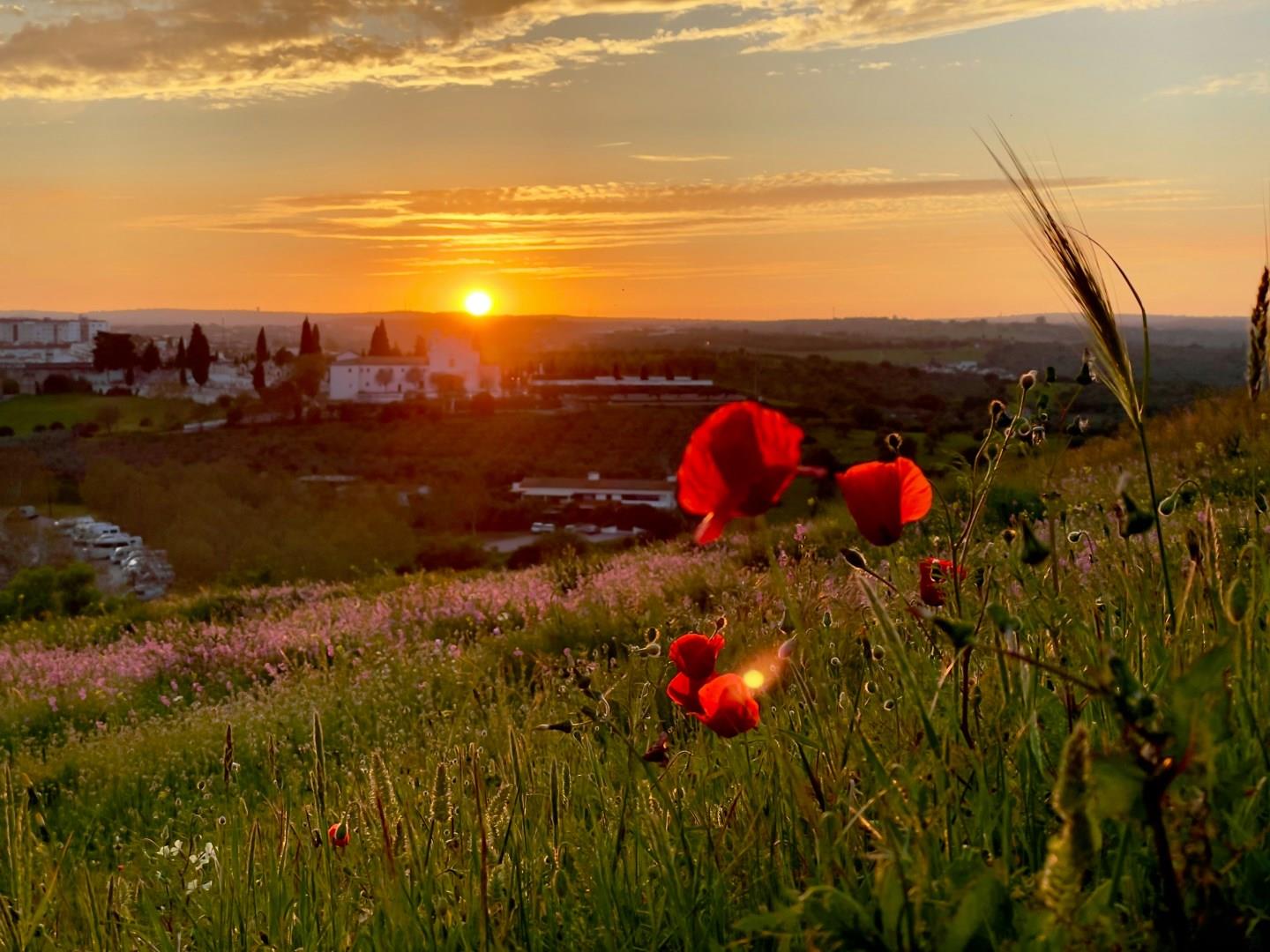
Elvas
Elvas rises from the Alentejo plains near the Spanish border as one of Portugal’s most striking fortified towns, shaped by centuries of defense, resilience, and daily life along the frontier. Encircled by an immense network of walls, bastions, and hilltop forts, the town tells a clear story of strategy and survival, from the sweeping views at Forte da Graça to the quiet streets within the historic center.
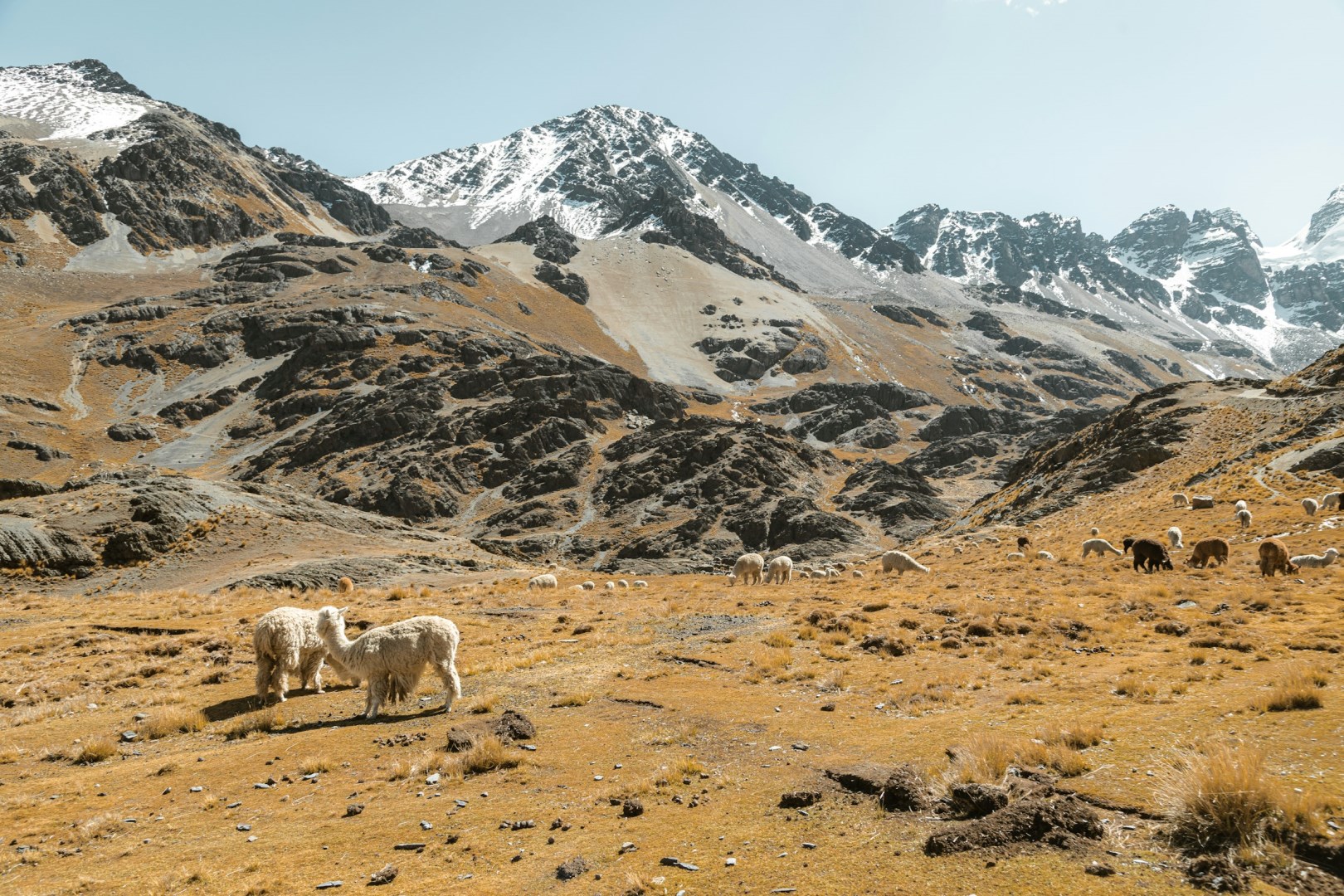
Kunturiri
Kunturiri is a high-altitude mountain area in Bolivia’s Cordillera Real, north of La Paz. The name comes from the Aymara word for condor, reflecting the region’s close connection with Andean landscapes and wildlife. Kunturiri is characterized by rugged peaks, glacial terrain, mountain lakes, and broad views across the high Andes. The area lies within a remote section of the Cordillera Real, where steep mountains rise above the surrounding Altiplano.
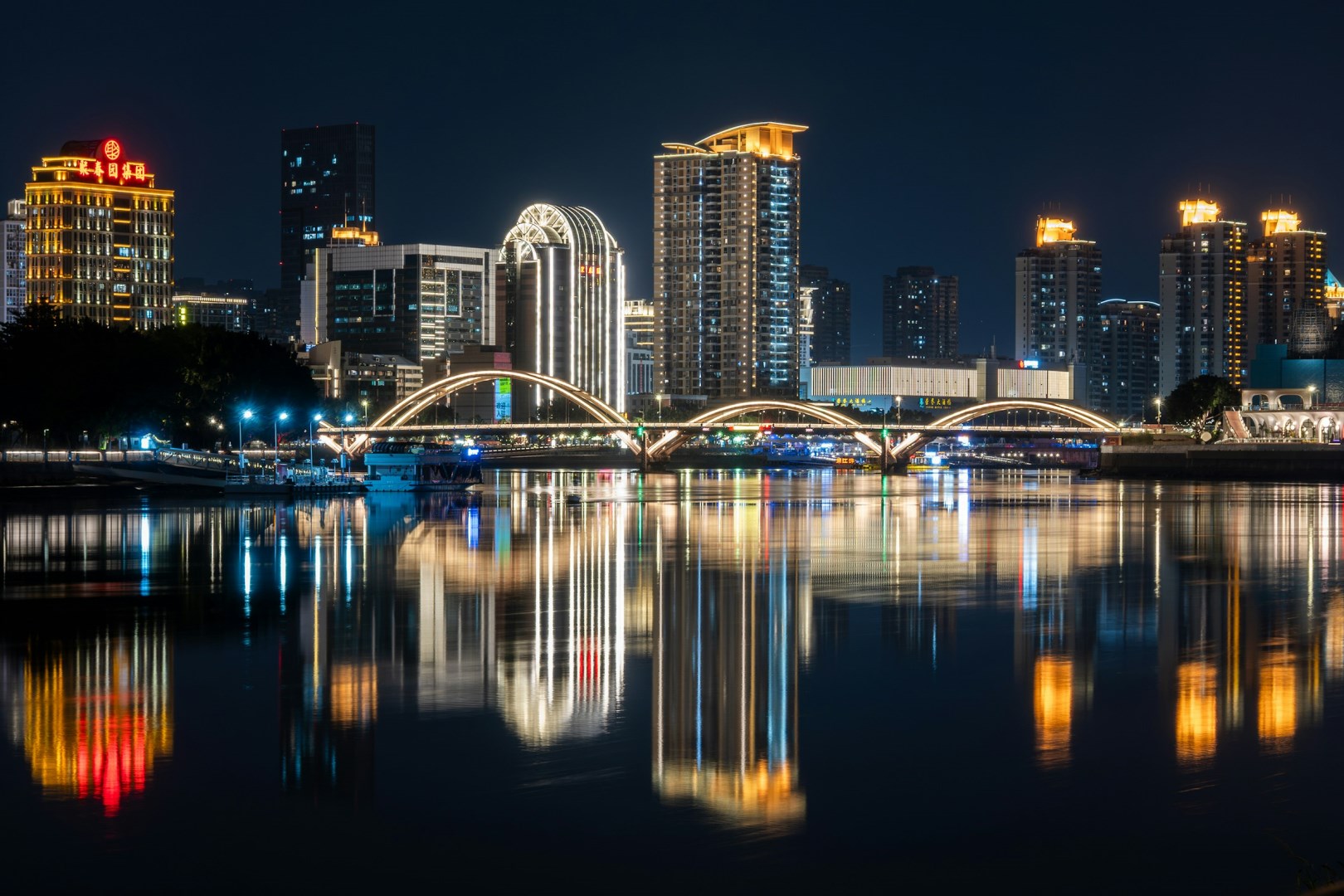
Fuzhou
Fuzhou is the capital of Fujian Province in southeastern China, located along the lower Min River near the coast. The city combines a dense urban center with hills, waterways, parks, and historic neighborhoods. It is known as an important center of Min culture and as the birthplace of Fujian cuisine.

Bardolino
Nestled along the southeastern shores of Lake Garda, Bardolino offers a quintessential Italian experience filled with charm, history, and natural beauty. Known for its rolling vineyards and olive groves, Bardolino is the heart of one of Italy’s most celebrated wine regions. Here, you can stroll through narrow, cobbled streets lined with pastel-colored buildings, visit cozy enotecas to sample the renowned Bardolino DOC wines, or enjoy a lakeside meal in a trattoria.