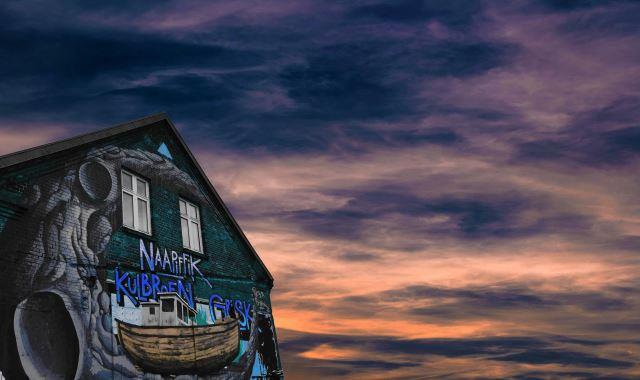
Douala
Douala is Cameroon’s largest city and its economic powerhouse, but beyond the busy ports and bustling streets lies a city full of creativity, flavor, and unexpected charm. Located on the Atlantic coast, Douala has long served as a crossroads of cultures. The city's waterfront, especially along the Wouri River, is a great place to watch the movement of boats, local fishermen, and floating markets while soaking in the tropical coastal air.

Pristina
Pristina, the dynamic capital of Kosovo, offers a unique blend of modernity and tradition. The city's skyline is punctuated by landmarks like the Mother Teresa Square, a tribute to the Nobel Peace Prize laureate and humanitarian who was born in Albania but had strong ties to the region. Nearby, the striking Newborn Monument, an ever-changing installation that commemorates Kosovo’s declaration of independence, showcases the country's evolving identity and creativity.

Puerto Blest
Puerto Blest is a remote destination within Nahuel Huapi National Park in Argentina’s Río Negro Province, set at the western end of Lago Nahuel Huapi near the border with Chile. Surrounded by dense Andean-Patagonian forest, steep mountains, and clear waterways, it has a more secluded character than the resort city of Bariloche. Puerto Blest is most commonly reached by boat across Lago Nahuel Huapi, making the journey itself an important part of the experience.
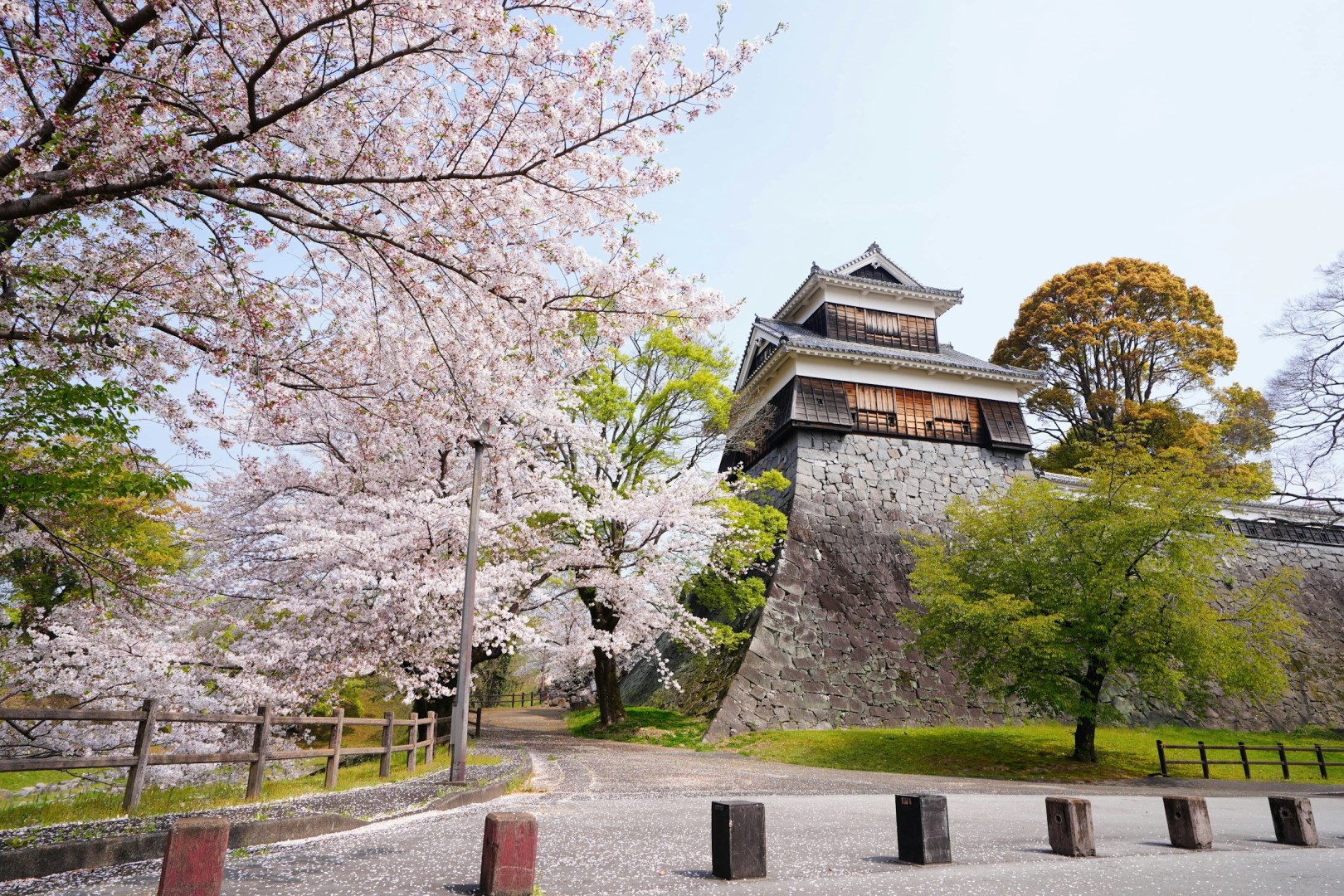
Kumamoto
Kumamoto is a city on Japan’s southern island of Kyushu, known for its castle, volcanic landscapes, and traditional gardens. It serves as the capital of Kumamoto Prefecture and lies on the western side of Mount Aso’s broader volcanic region. The city center combines historic districts with modern shopping streets, tram lines, and riverside neighborhoods.
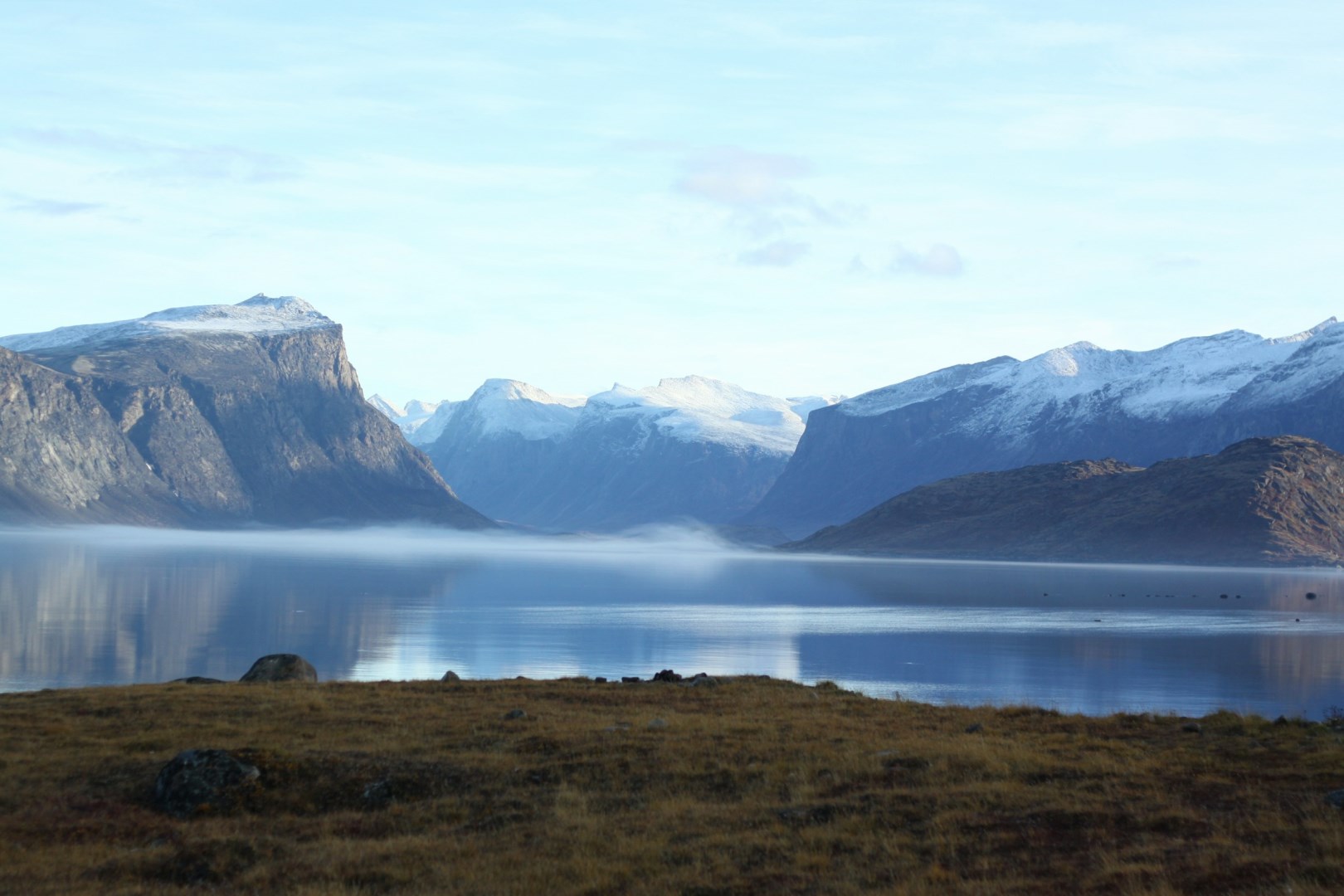
Pangnirtung
Pangnirtung is an Inuit community on the eastern shore of Cumberland Peninsula on Baffin Island, Nunavut, overlooking the sheltered waters of Pangnirtung Fiord. Steep mountains and rocky slopes rise around the settlement, while the fiord opens toward the larger waters of Cumberland Sound. The community is often called the gateway to Auyuittuq National Park, which lies nearby across dramatic Arctic terrain.