Flatts
Flatts is a small historic village on Bermuda’s North Shore, centered around Flatt’s Inlet, a narrow waterway connecting Harrington Sound with the Atlantic Ocean. The village is known for its colourful houses, waterfront setting, small docks, and views across the sheltered inlet. Its compact layout gives it a distinctly maritime character, with boats moving through the channel and restaurants and shops gathered close to the water.
Falmouth
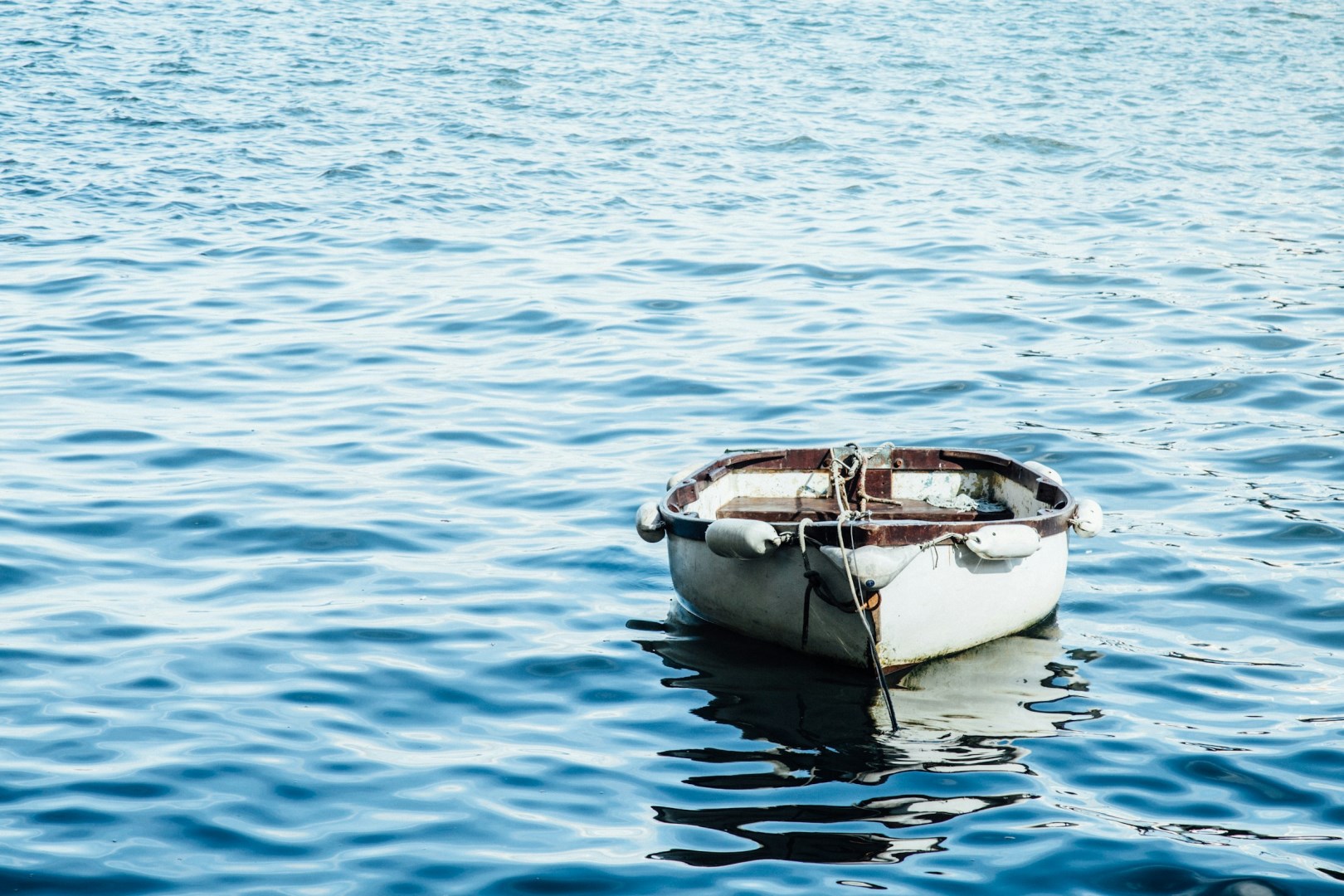
Falmouth, on Cornwall’s south coast, grew around one of the world’s largest natural harbors, a feature that has shaped its maritime identity for centuries. The town expanded during the age of sail, serving as a key port for packet ships, and landmarks like Pendennis Castle still anchor Falmouth firmly in its naval past.
Jurassic Coast
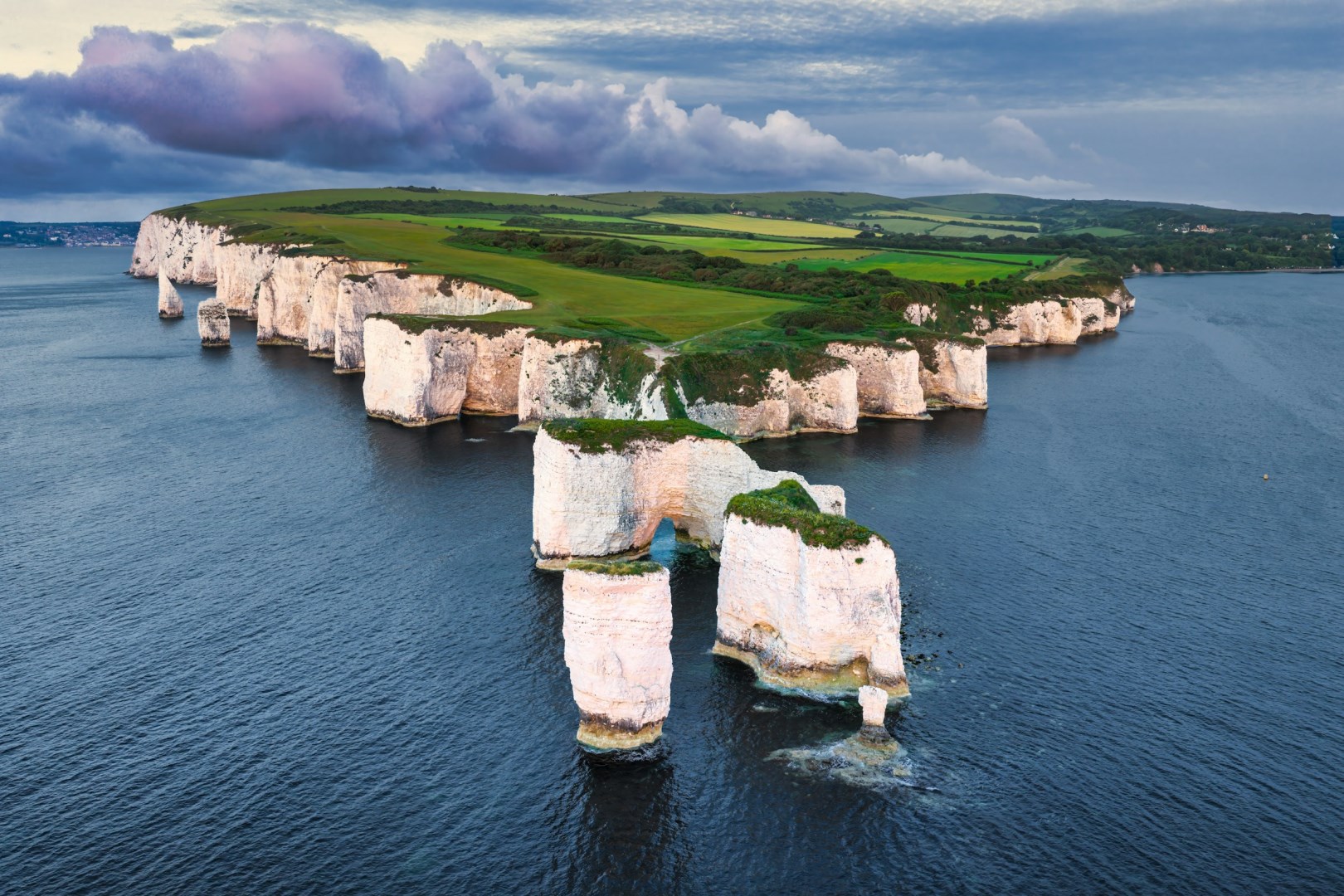
The Jurassic Coast, a UNESCO World Heritage Site, is a breathtaking stretch of England’s southern coastline that spans 95 miles from Exmouth in Devon to Studland Bay in Dorset. It is renowned for its dramatic cliffs, stunning beaches, and incredible geological history, offering visitors the chance to explore 185 million years of Earth’s evolution.
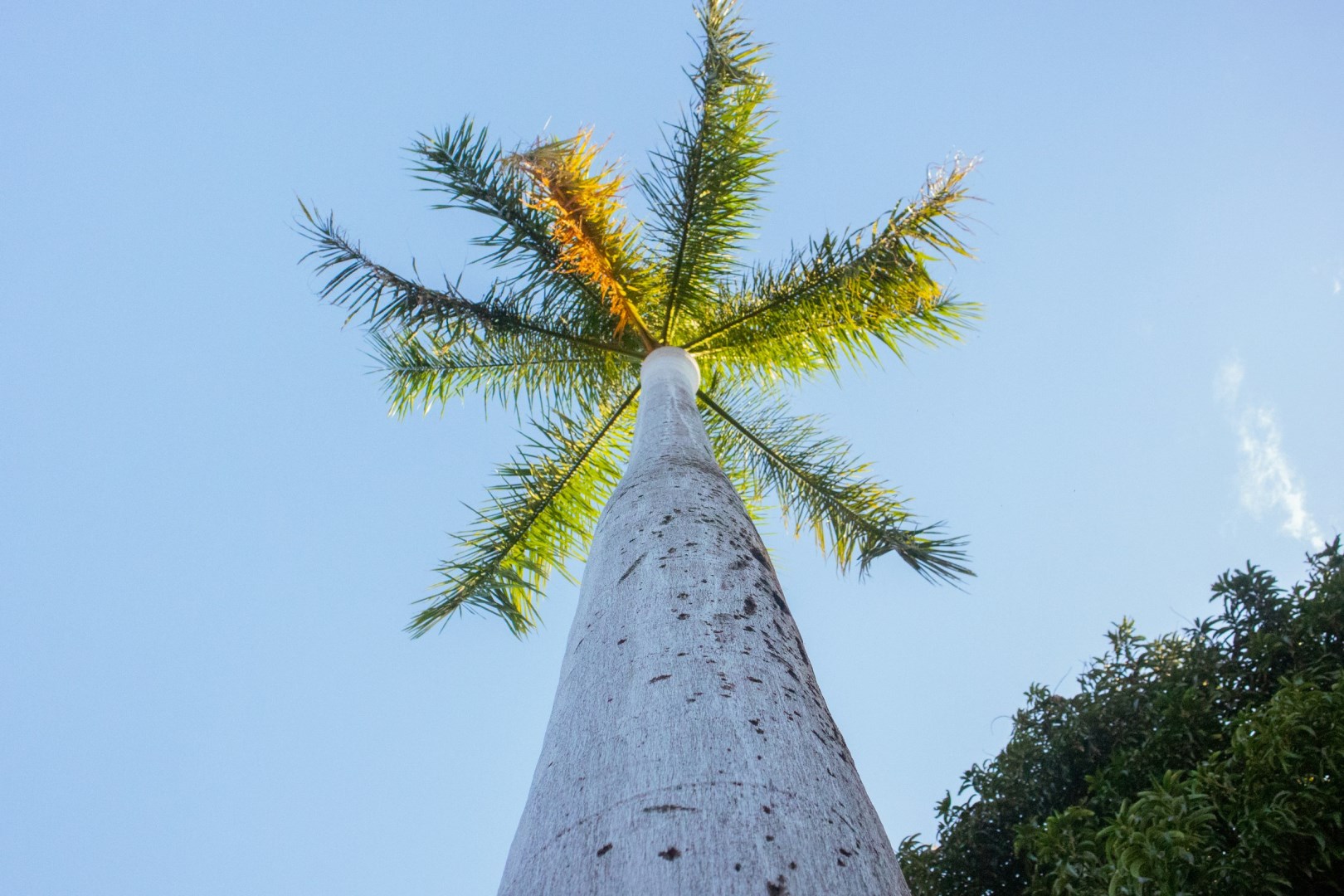
Managua
While an earthquake in 1972 left few buildings intact in downtown Managua, new areas are building up. Managua has excellent restaurants, nice hotels, and is a good base for day tours into the countryside.
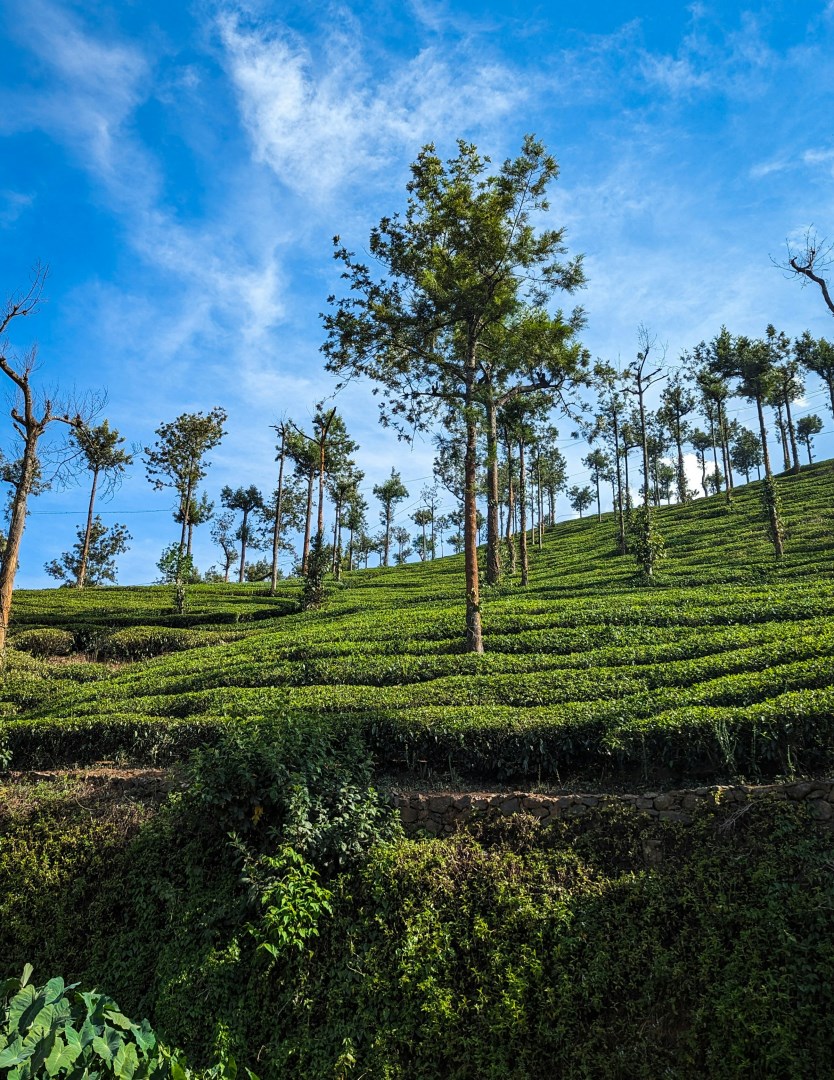
Thekkady
Thekkady is a town in India, located in the Idukki district of Kerala near the Periyar Wildlife Sanctuary in the Western Ghats. It serves as a key entry point to one of the country’s well-known protected forest areas, where hills, dense vegetation, and a large artificial lake define the landscape. The town itself is modest, with roads lined by spice shops, small lodges, and tour offices. Its setting within a highland region gives it a cooler climate compared to the plains, while its proximity to