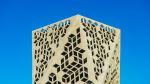
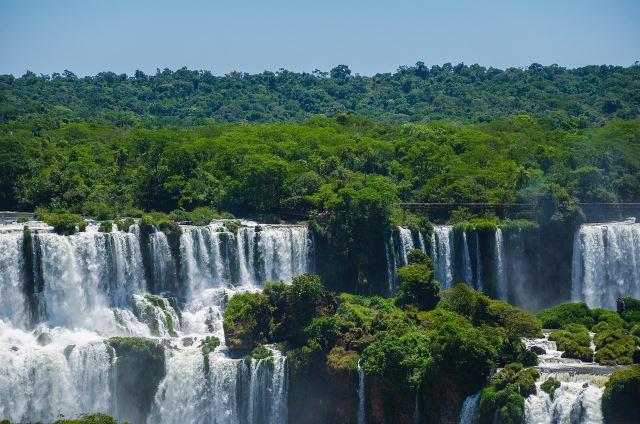
Kamloops
Kamloops, located in the interior of British Columbia, sits at the meeting point of the North and South Thompson Rivers. The name comes from the Secwépemc word “Tk’emlúps,” meaning "where the rivers meet," and the area has been a gathering place for Indigenous communities for thousands of years. Today, visitors can explore this rich cultural heritage at the Secwépemc Museum and Heritage Park, where trails lead through archaeological sites and reconstructed pit houses.
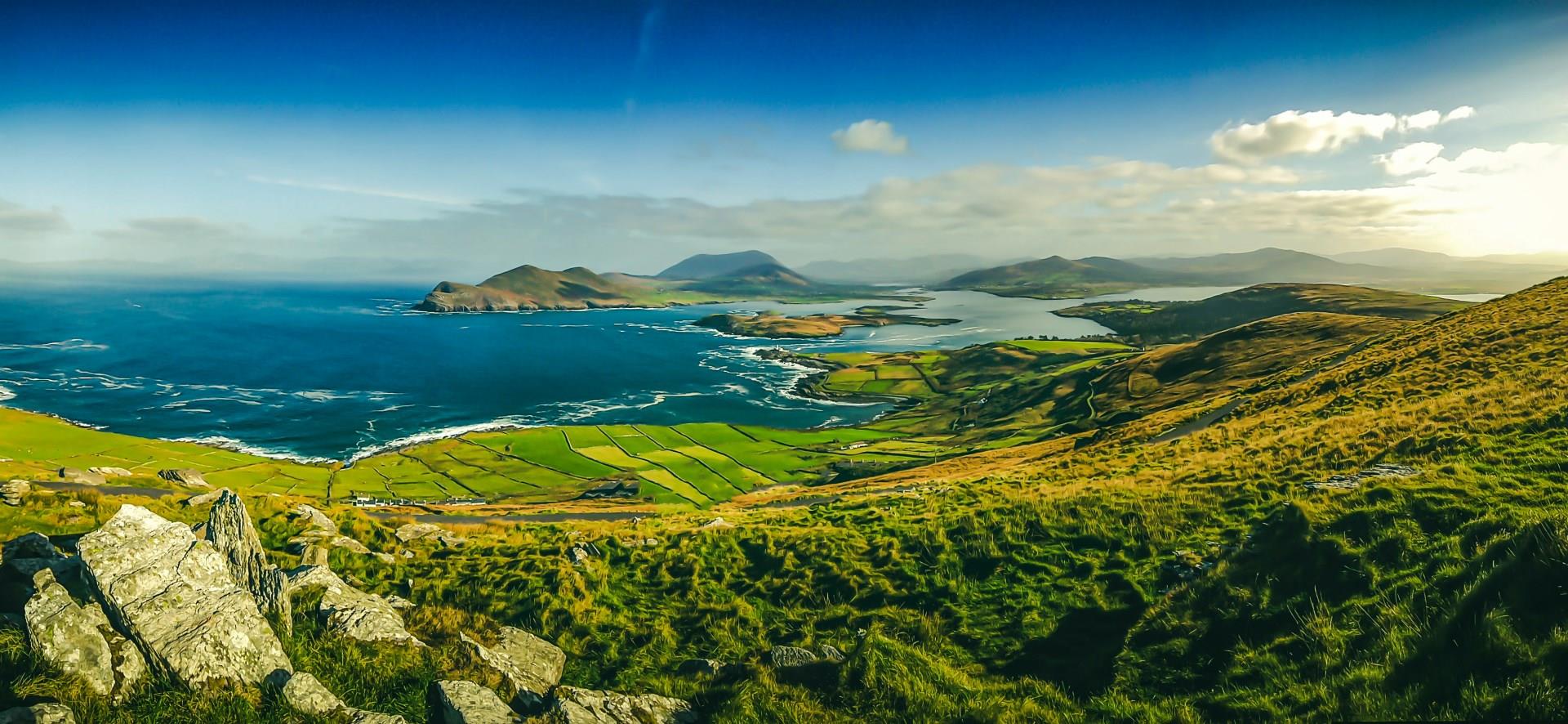
County Kerry
County Kerry, located in Ireland’s southwest corner, is a landscape of dramatic contrasts, where rugged mountains meet serene lakes and Atlantic waves crash against wild peninsulas. Known as “The Kingdom,” Kerry holds deep cultural and historical significance, with ancient ring forts, medieval monasteries, and Gaelic traditions that endure in everyday life.

Arequipa
Arequipa, known as the "White City," is built from sillar, a pale volcanic stone that glows in the sunlight. This architectural detail gives the historic center its striking appearance and has earned it recognition as a UNESCO World Heritage Site. Towering above the city is the perfectly symmetrical Misti Volcano, which, along with two neighboring peaks, forms a dramatic backdrop.
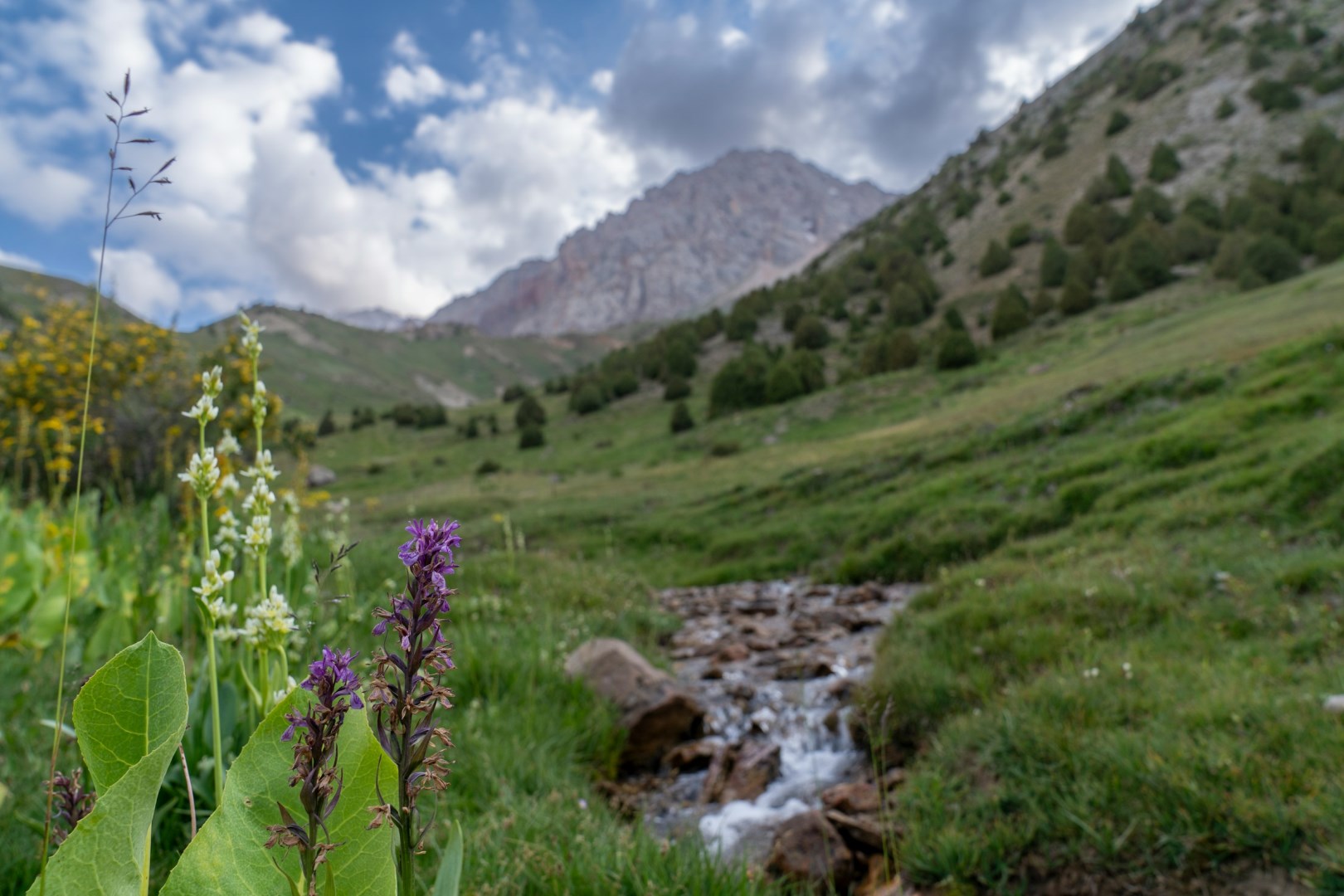
Fann Mountains
The Fann Mountains are a high mountain range in western Tajikistan, forming part of the Pamir-Alai system between the Zeravshan and Hisor ranges. The region is known for steep peaks, deep valleys, glaciers, alpine lakes, and juniper-covered slopes. Several summits rise above 5,000 meters, including Chimtarga, the highest peak in the Fann Mountains. The range is accessible from settlements such as Ayni and Panjakent and contains some of Tajikistan's most recognized mountain landscapes.
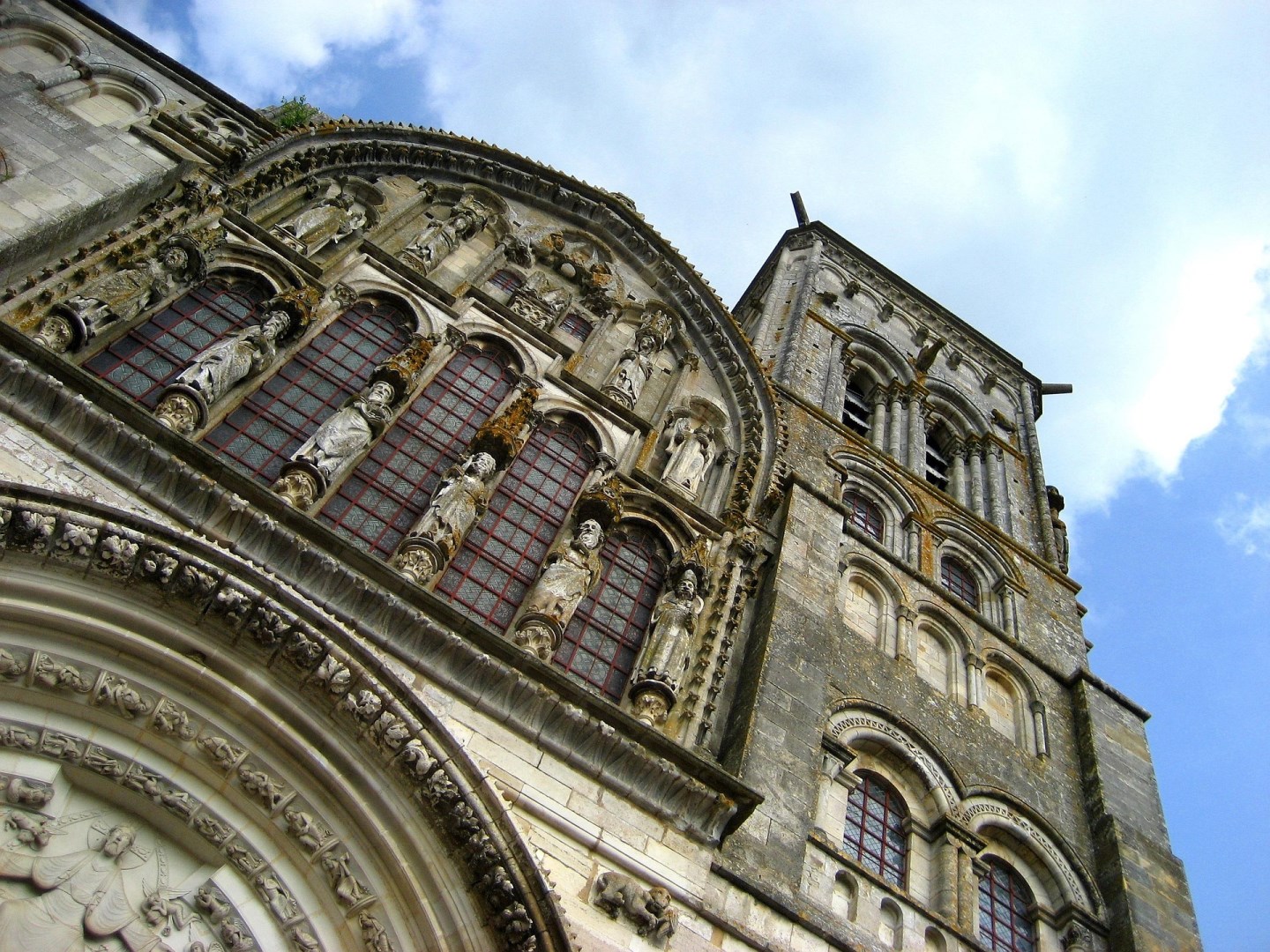
Vézelay
Perched high above Burgundy’s vineyards and fields, Vézelay is defined by its winding stone streets and the great Basilica of Sainte-Marie-Madeleine, a centuries-old destination for Christian pilgrims. Its Romanesque architecture, far-reaching countryside views, and enduring connection to the pilgrimage routes toward Santiago de Compostela give this small hilltop village an unusually rich sense of place.