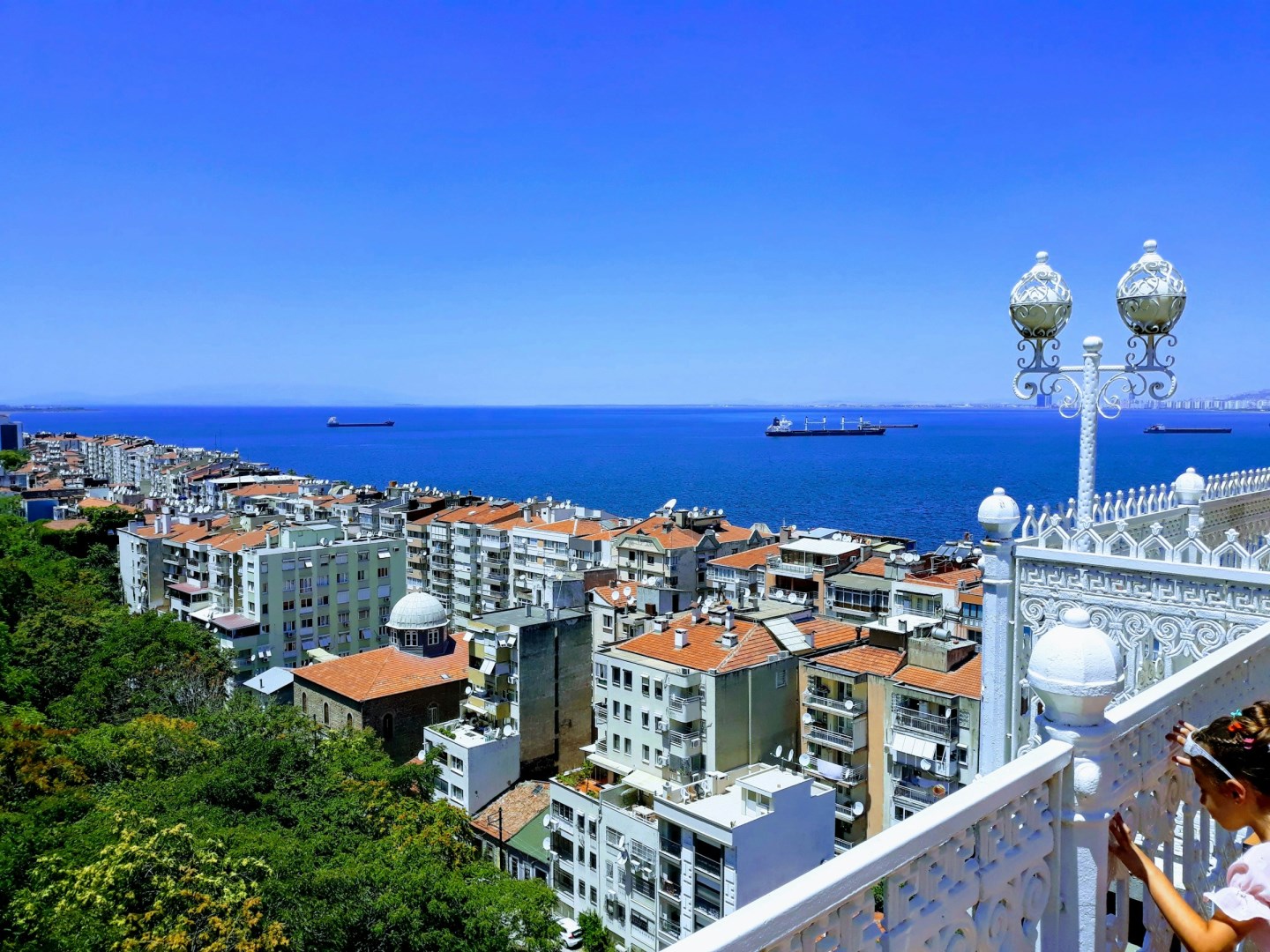
Apia
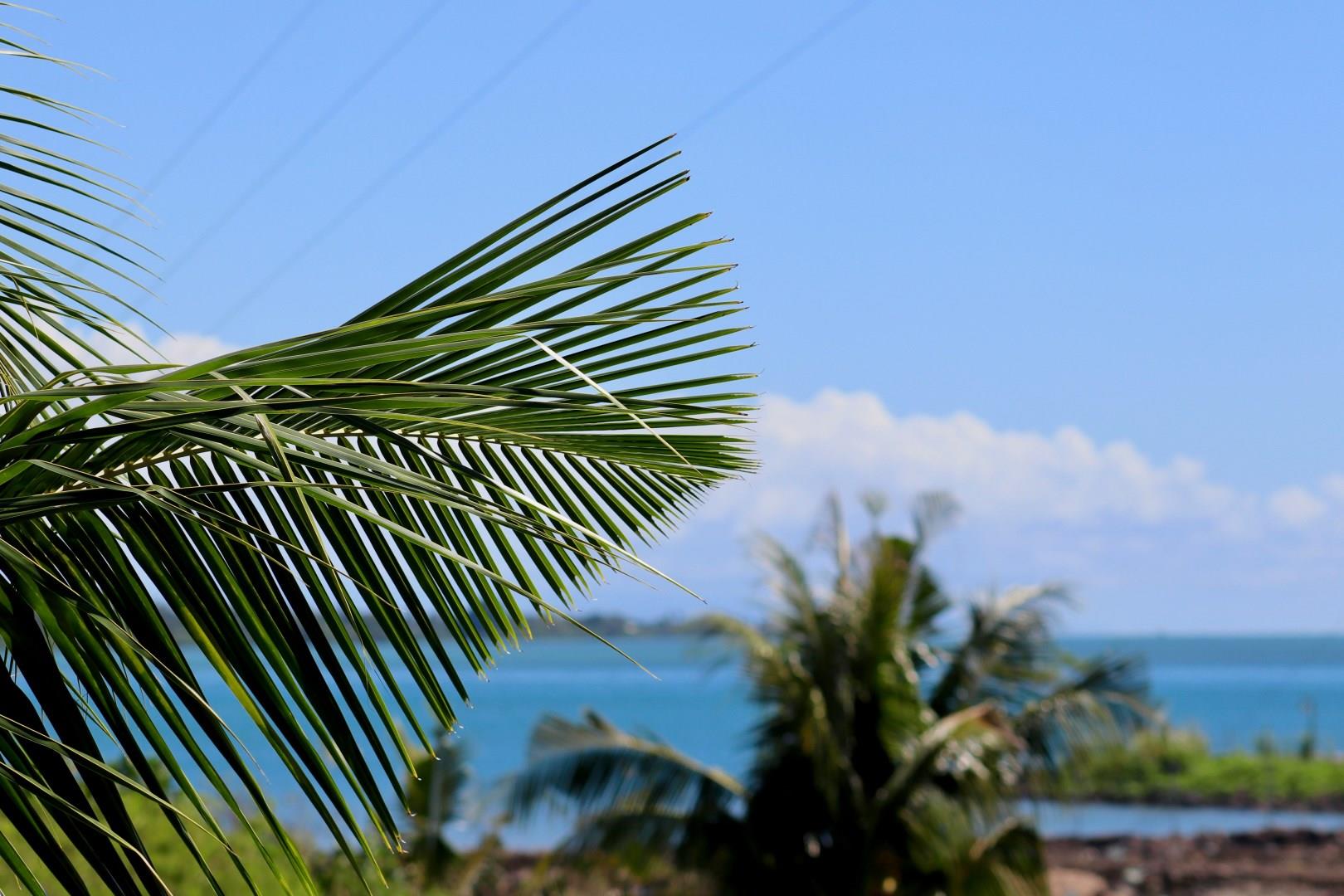
Apia, the lively capital of Samoa, sits on the north coast of Upolu island and blends the island’s rich traditions with a laid-back charm that’s hard to miss. Once a small village, Apia has grown into a central hub where local culture, commerce, and history meet. From bustling markets to quiet waterfronts, Apia offers visitors a chance to experience Samoa’s rhythm at their own pace.

Gibraltar
Gibraltar is located in southern tip of Spain, on a tiny peninsula. It is governed by the British and named after the Rock of Gibraltar, which is located on its east side. The territory is mainly used as a shipping port, and a port-of-call for cruise ships.

Bornholm
Bornholm, a picturesque Danish island in the Baltic Sea, offers a unique blend of natural beauty and cultural charm. Renowned for its rugged coastline and charming villages, Bornholm is a haven for outdoor enthusiasts. The island's northern coast is particularly famous for its dramatic cliffs and clear waters, perfect for hiking and cycling.
Aceh
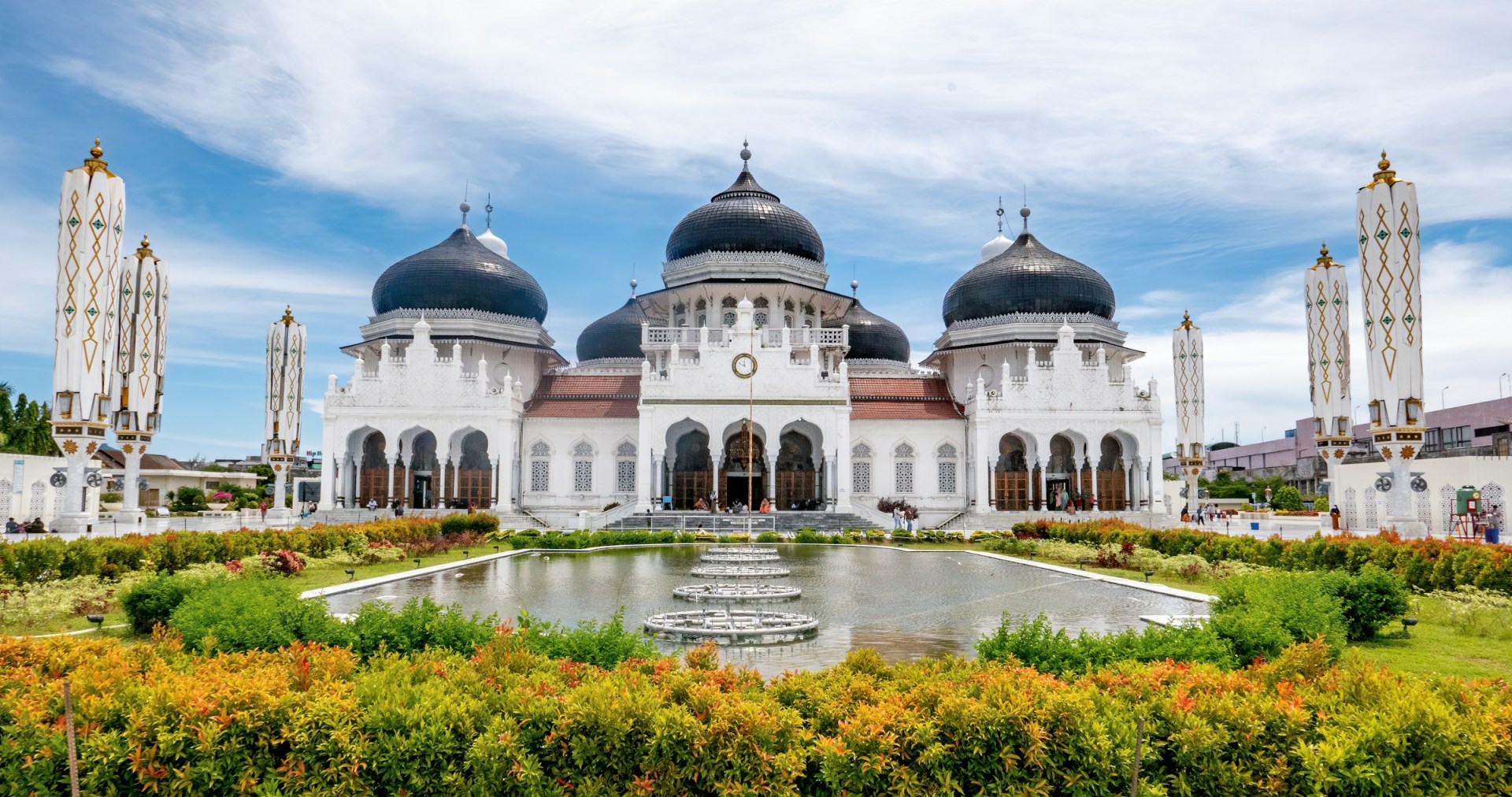
Aceh is a province at the northern tip of Sumatra, with Banda Aceh as its capital and a coastline facing the Andaman Sea, Malacca Strait, and Indian Ocean. Its identity is strongly shaped by Islam, local adat traditions, and a long history of sultanates and maritime trade. Banda Aceh’s Baiturrahman Grand Mosque is one of the province’s best-known landmarks, while the Aceh Tsunami Museum documents the devastating Indian Ocean tsunami and its lasting impact on local communities.
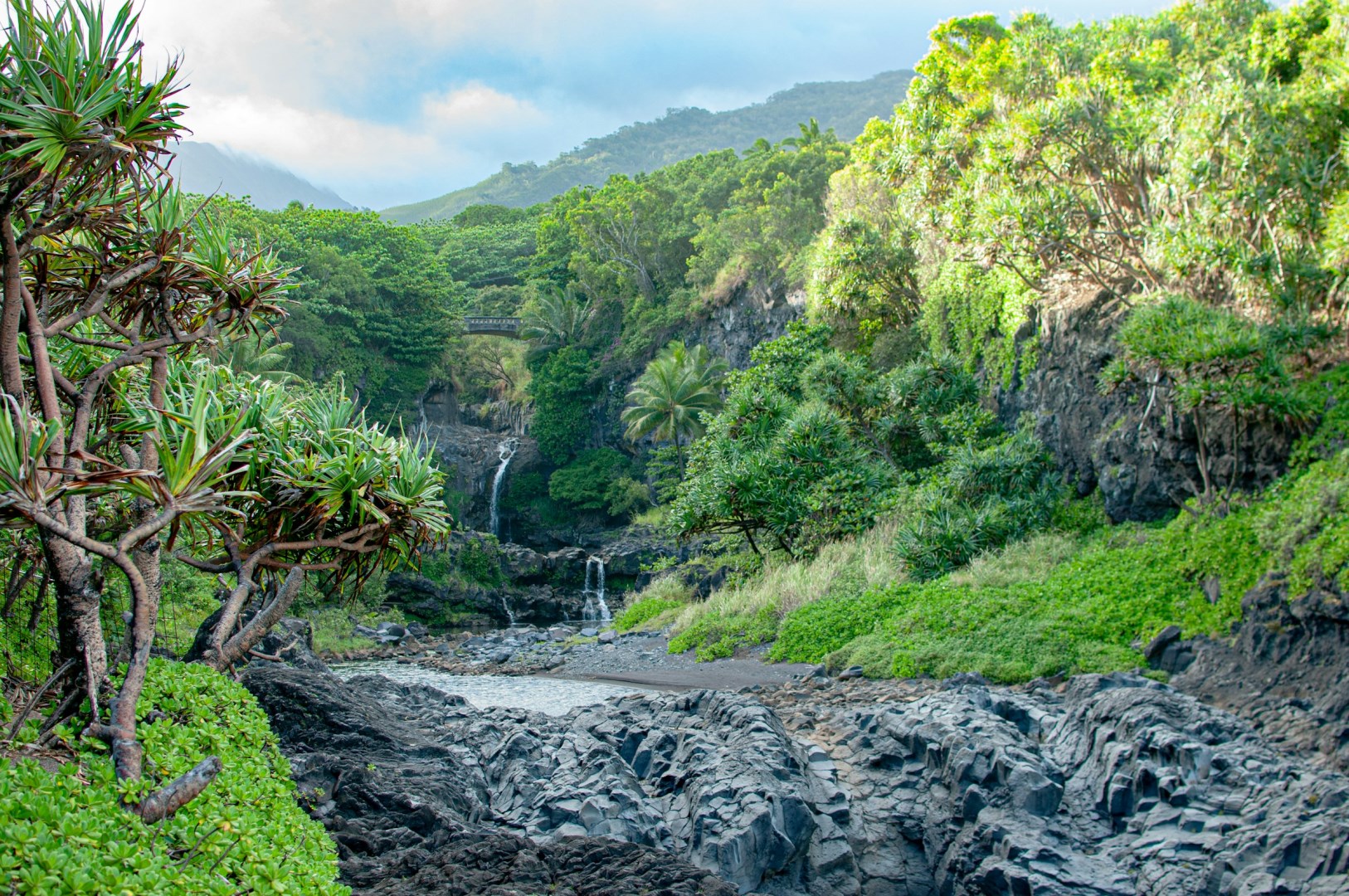
Haleakalā
Maui, both second youngest and second largest of the Hawaiian Islands, is home to the world's largest dormant volcano, Haleakala, meaning "House of the Sun." Last erupting about 200 years ago, it makes up the eastern end of the island. Maui was formed by volcanic activity from Haleakala on the east and the West Maui Mountains to the west. The connecting isthmus between the two spots was formed from joining lava from both and gives Maui its nickname, the Valley Isle.