Moraine Lake
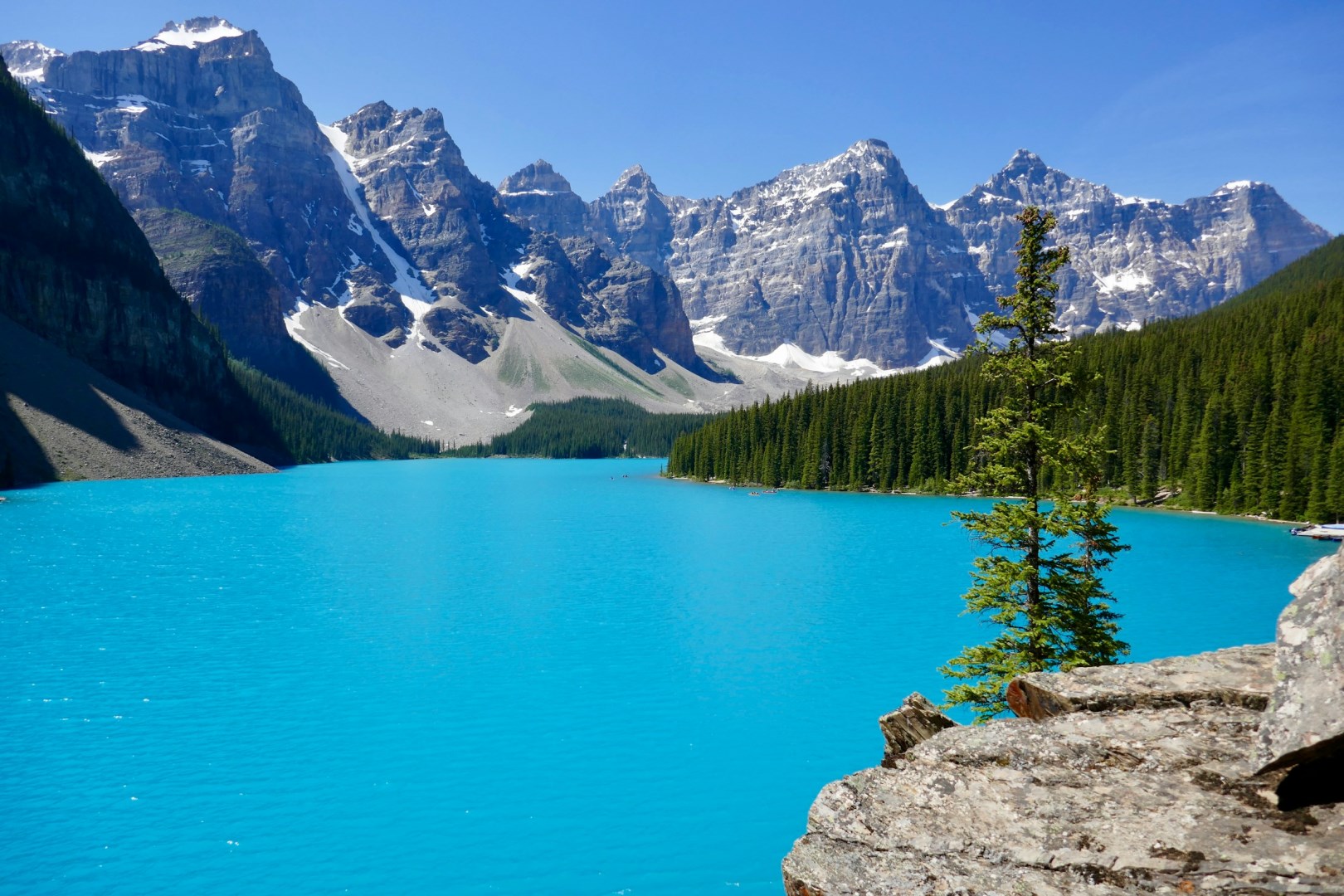
Moraine Lake is a glacial lake in Banff National Park, Alberta, surrounded by the peaks of the Valley of the Ten Peaks. Its turquoise water is fed by glacial meltwater, while dense coniferous forest covers the lower slopes around the shoreline. The lake sits in a high mountain basin reached by a winding road from the Lake Louise area. Its setting within the Canadian Rockies places it among alpine landscapes of steep peaks, glaciers, rock faces, and mountain valleys.
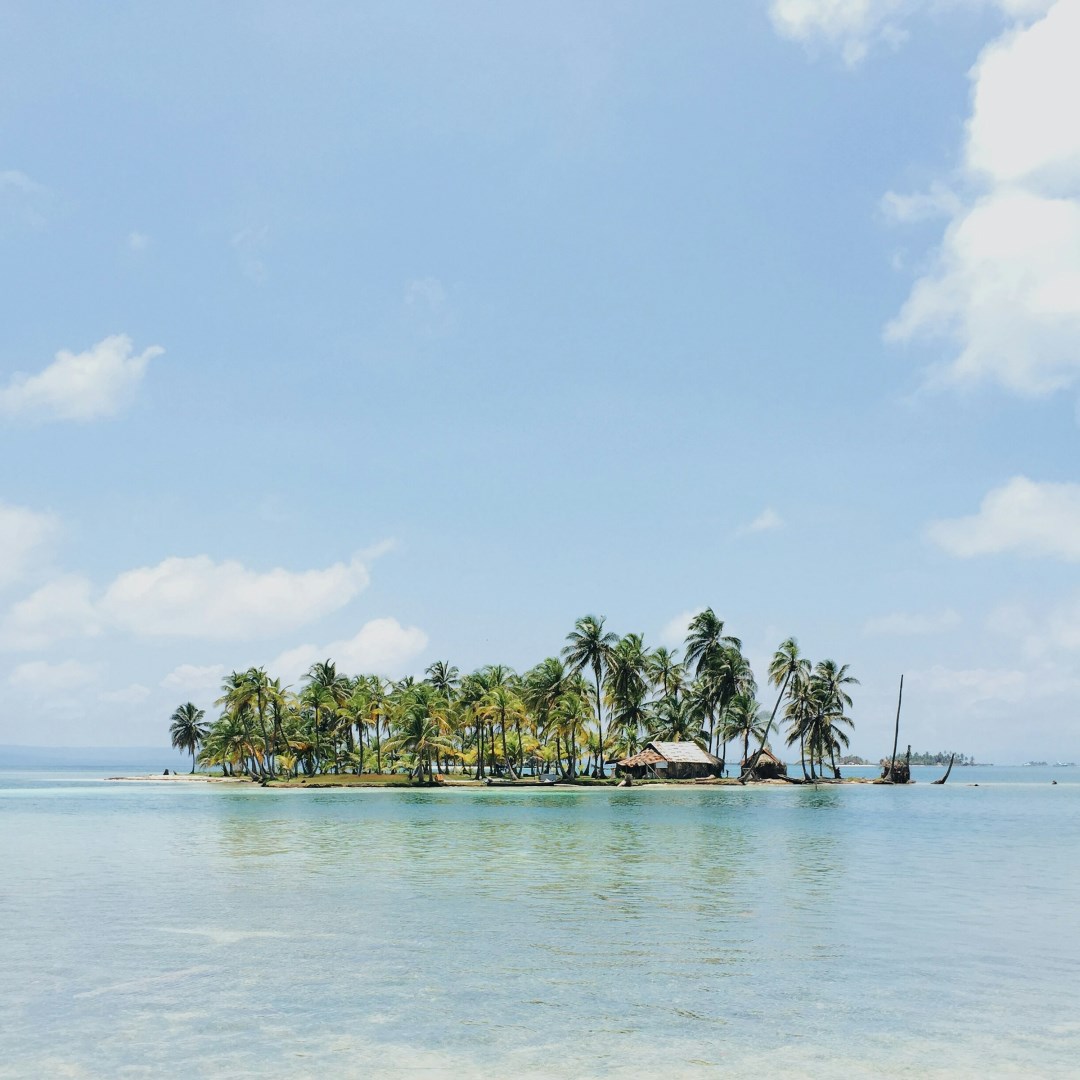
Kuna Yala
Kuna Yala, officially known as Guna Yala, is an Indigenous comarca along Panama's Caribbean coast, extending from the province of Colón toward the border with Colombia. Its best-known feature is the Guna Yala archipelago, made up of hundreds of small islands and islets surrounded by coral reefs and clear Caribbean waters. Many islands are low and covered with coconut palms, while others are uninhabited.
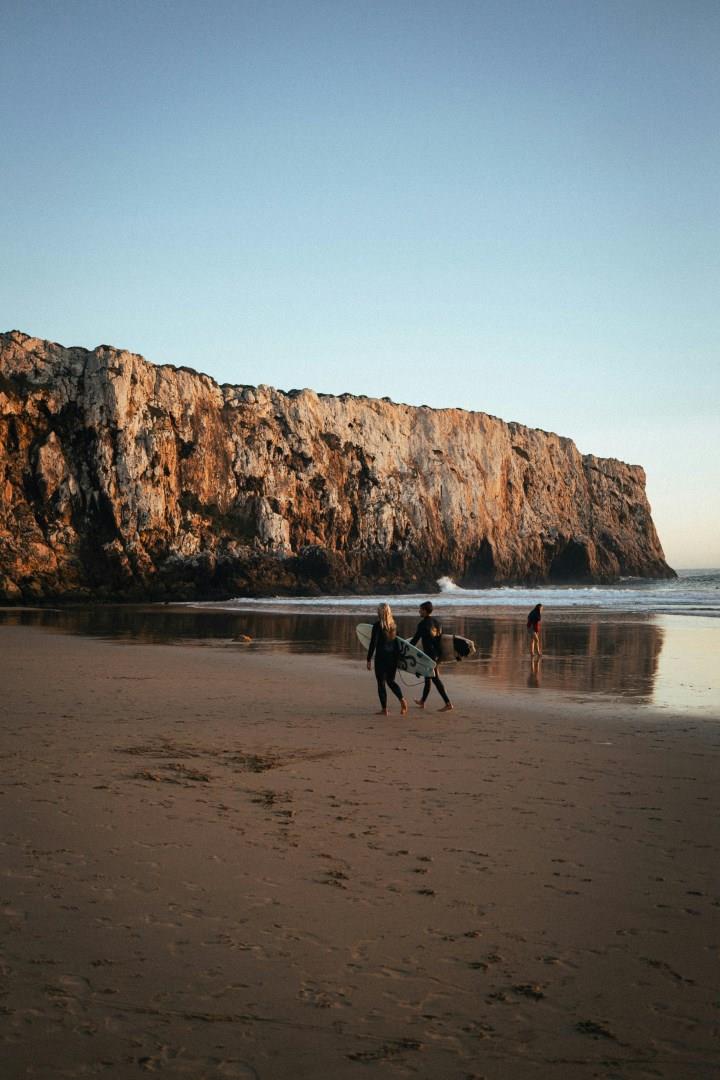
Sagres
Sagres sits at the southwestern edge of continental Europe in Portugal’s Algarve region, where the Atlantic’s wide horizon meets rugged cliffs and open skies. For centuries this point was linked to maritime adventure and visitors can still feel that sense of discovery in the air. Here, people like Prince Henry the Navigator gathered cartographers, shipbuilders and astronomers in the 1400s to push beyond maps of the known world and shape the early Age of Discovery from Sagres’ dramatic headlands.
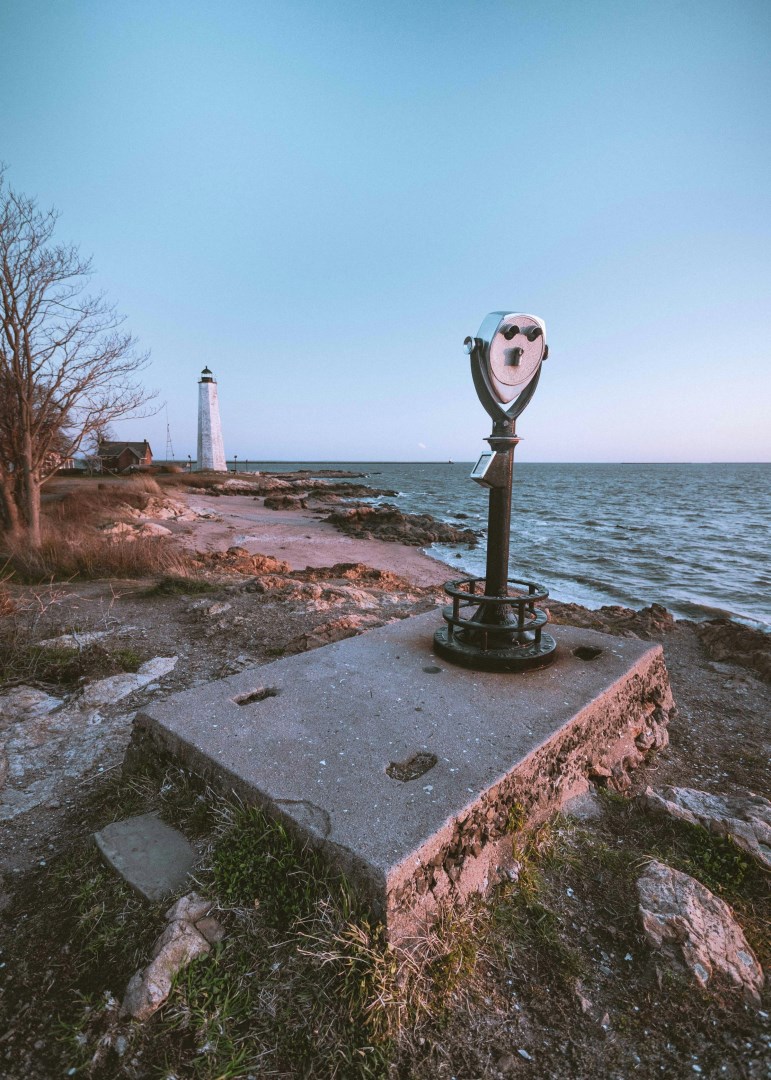
New Haven
New Haven, city in New Haven County, southern Connecticut, a port on Long Island Sound, at the mouth of the Quinnipiac River. It is known as an educational center and is the seat of Yale University (1701), Albertus Magnus College (1925), and Southern Connecticut State College (1893); the University of New Haven (1920) is in nearby West Haven.
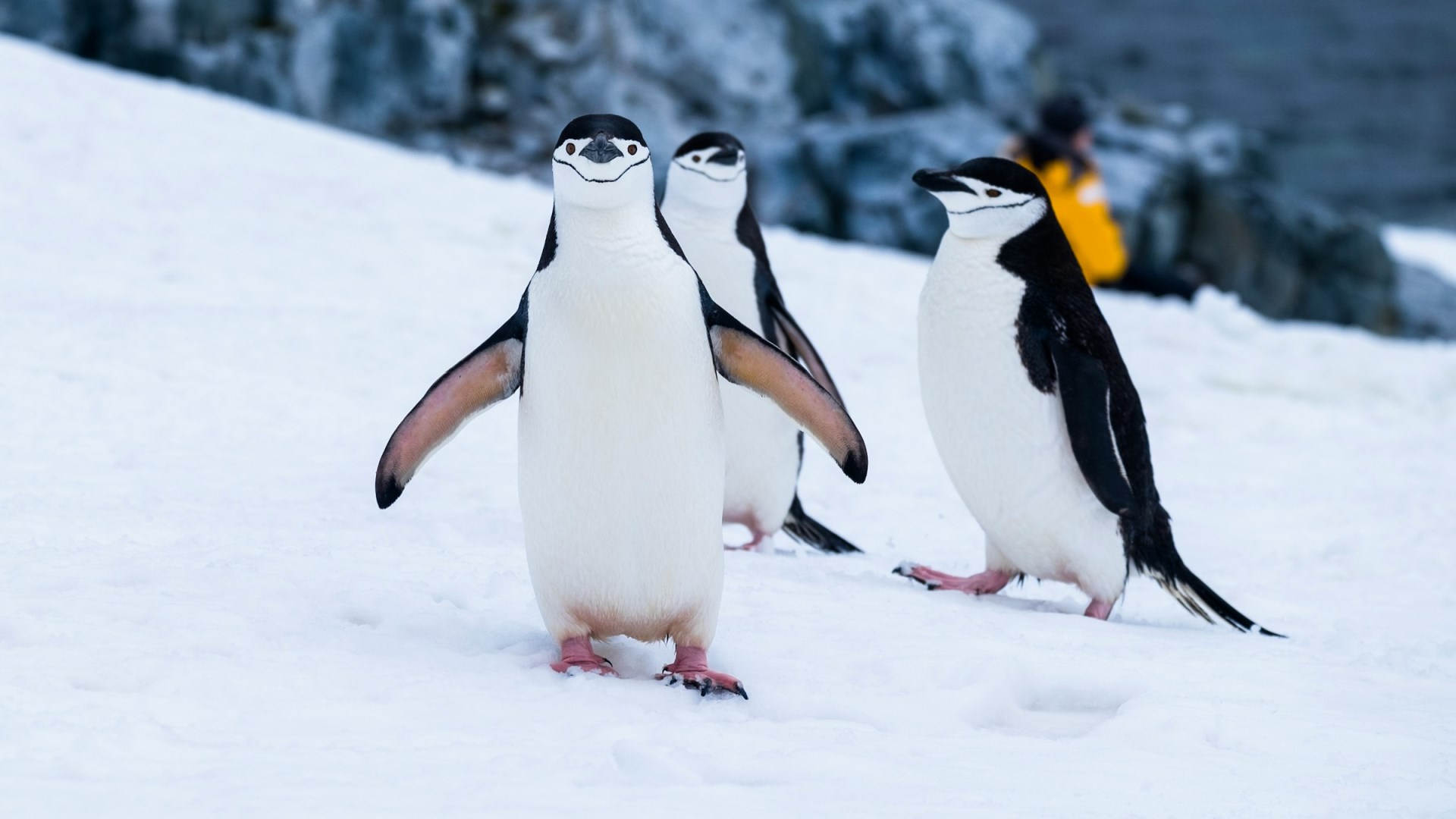
Two Hummock Island
Two Hummock Island is a mountainous island off the west coast of the Antarctic Peninsula, separated from the mainland by the Lemaire Channel region and surrounded by ice-filled waters. The island is named for its two prominent peaks, which rise above a rugged landscape of snow, rock, and glaciers. Its remote setting makes it a less frequently visited destination than some nearby Antarctic sites, but expedition vessels may approach the island for wildlife viewing, scenic cruising, or shore activi