Cuba
Cuba is an island nation where history, culture, and natural beauty intertwine in captivating ways. Known for its Spanish colonial architecture, vibrant music, and revolutionary legacy, the country offers a fascinating window into both the Caribbean and Latin American worlds. Havana, with its colorful facades, classic American cars, and lively plazas, embodies Cuba’s charm and resilience, while towns like Trinidad and Cienfuegos showcase UNESCO-listed heritage and a slower pace of life.

Antigua
Antigua and Barbuda are located in the middle of the Leeward Islands in the Eastern Caribbean. Antigua, the largest of the British Leeward Islands, is about 14 miles long and 11 miles wide, encompassing 108 square miles. Barbuda, a flat coral island with an area of only 68 square miles, lies approximately 30 miles to the north. The population is approximately 68,000 and its capital is St. John's on Antigua.

Melbourne
A vibrant cultural center in the land “Down Under,” Melbourne, Australia will entice you with its aromatic cafés, lush nature parks, immersive museums, and dedication to the arts.
Arikok National Park
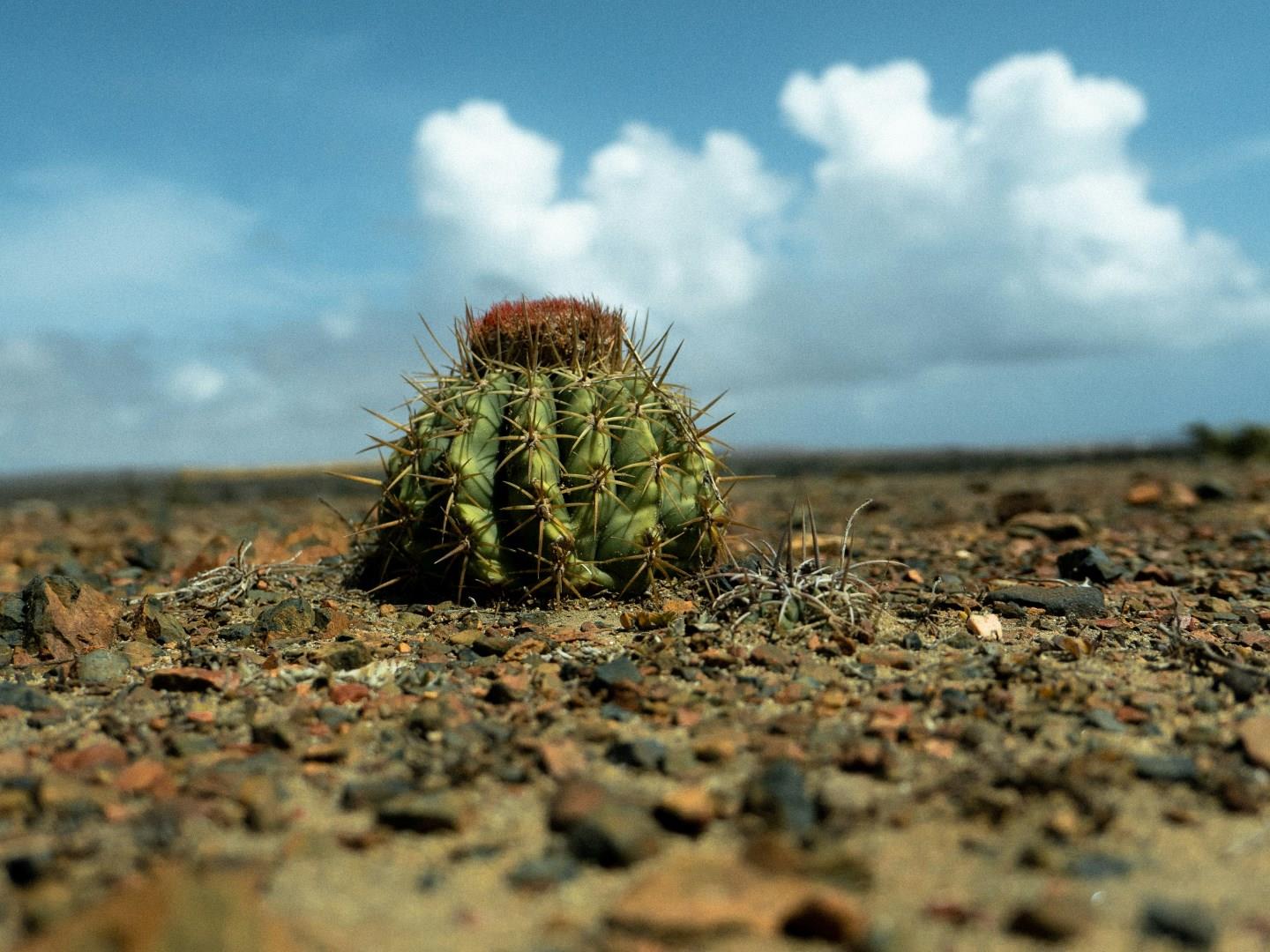
Arikok National Park, covering nearly 20% of Aruba, is a striking showcase of the island’s rugged landscapes, cultural history, and biodiversity. Unlike the postcard image of Aruba’s white-sand beaches, Arikok reveals a wilder side, with windswept hills, desert-like terrain, and dramatic limestone cliffs meeting the sea.
Sacramento
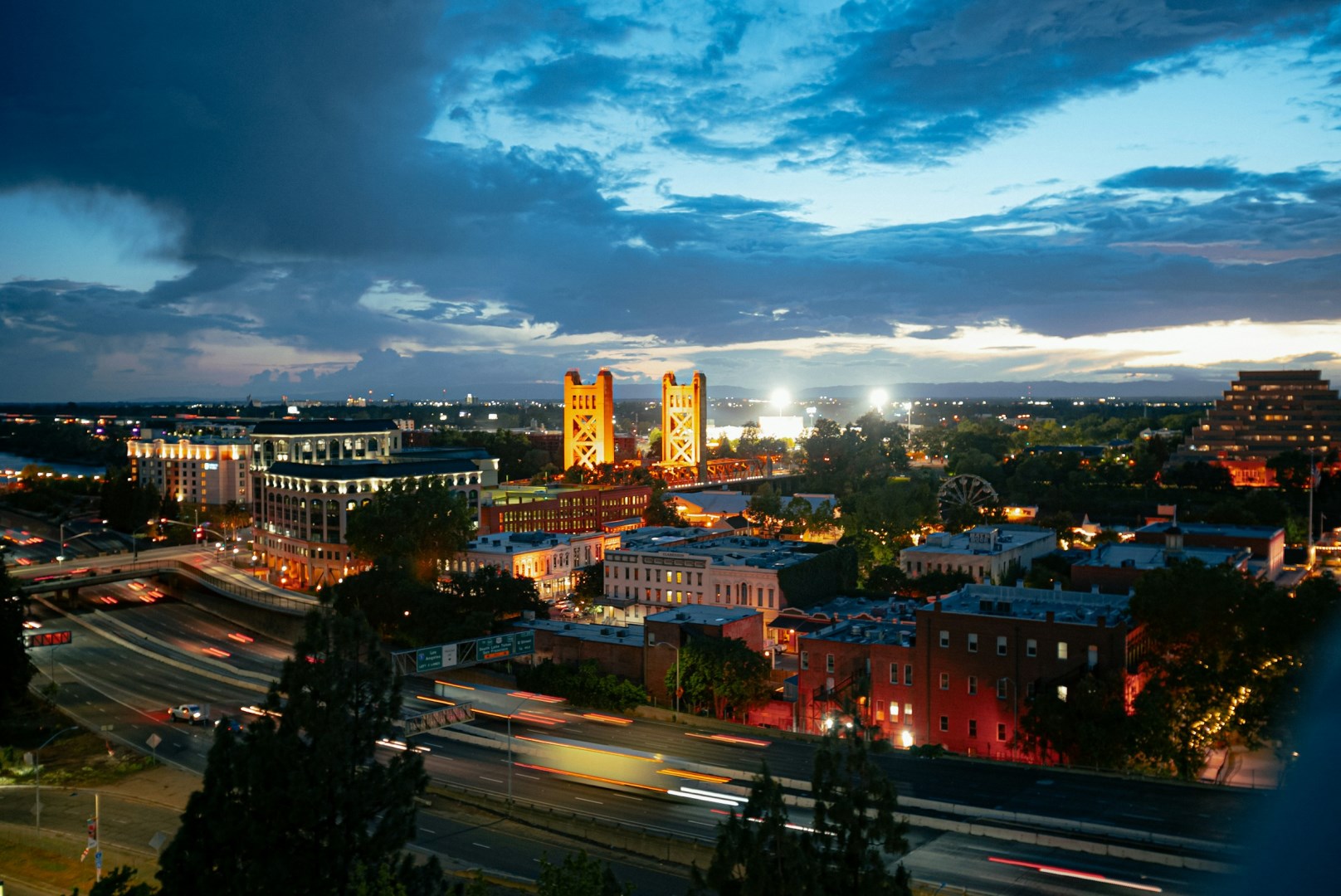
Sacramento is the capital of California, located where the Sacramento and American rivers meet in the northern Central Valley. The city is surrounded by fertile agricultural land and serves as a major center for government, education, health care, and regional commerce. Its downtown includes the State Capitol, historic Old Sacramento, museums, restaurants, and tree-lined streets, while neighborhoods extend across a broad urban area.