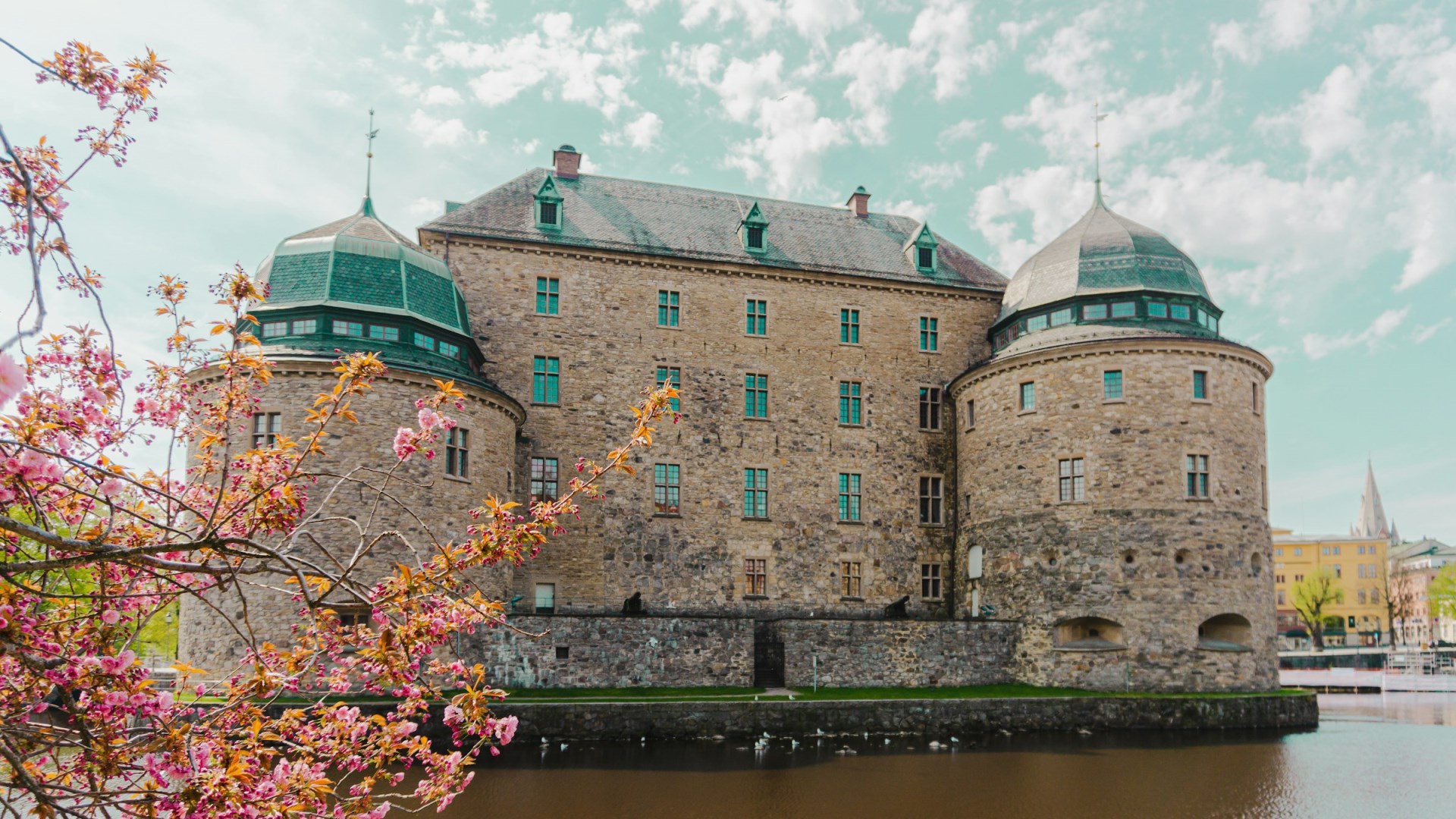
Örebro today is the eighth largest city in Sweden, with about 119,000 inhabitants. The city is no longer dominated by any particular industry or trade, and now has a many-facetted economy. Industry is directed towards metal goods, machines, foods and graphic products. The former shoe town has become a prominent center for education.
Situated in the Parque Nacional Iguazú near Puerto Iguazú, these spectacular falls lie just east of the confluence of the Iguazu and Paraná rivers. At least 5000 cubic m of water per second plunge the 70m into the abyss below.
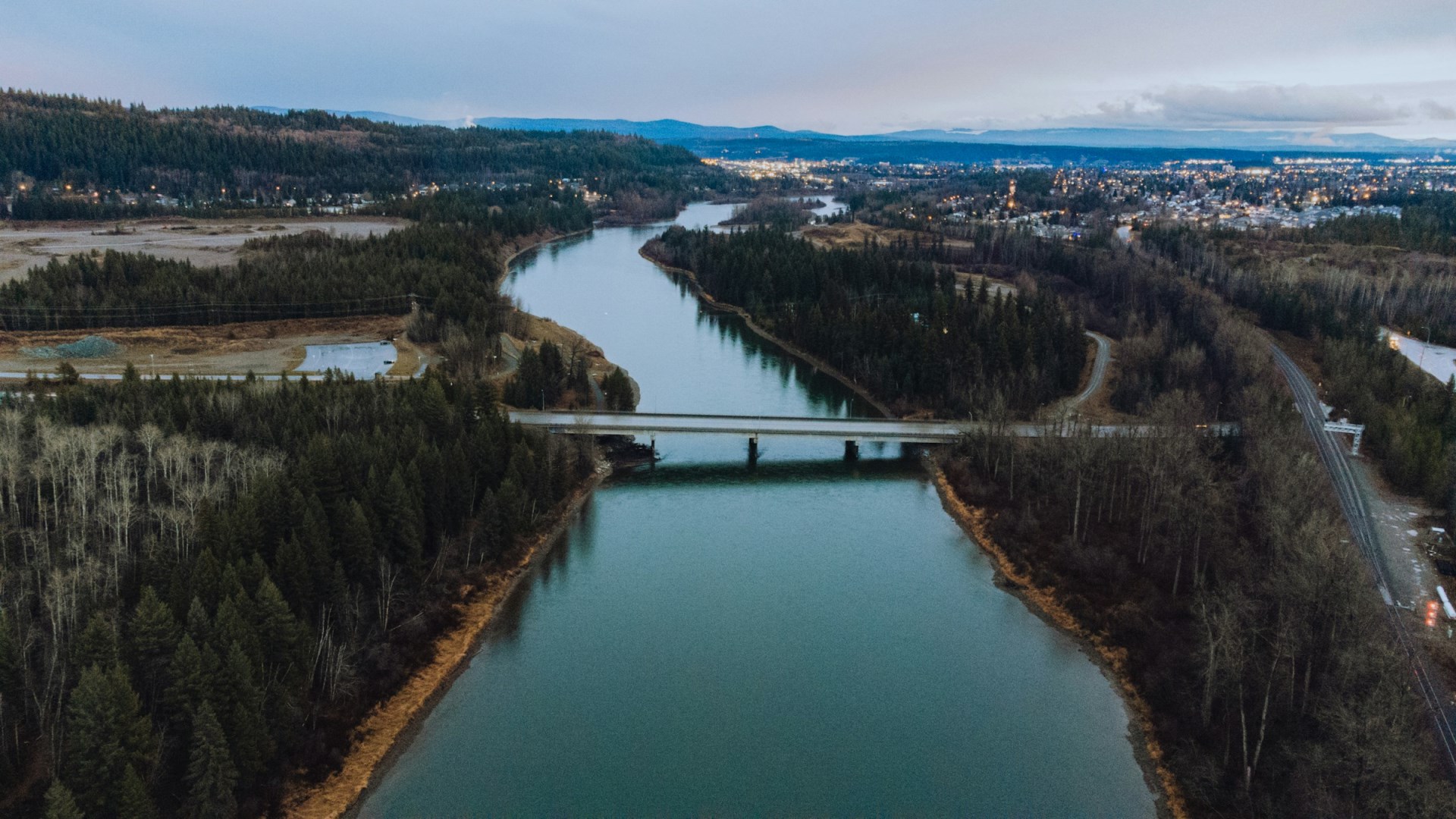
Prince George is a city in north-central British Columbia located where the Nechako and Fraser Rivers meet. Its position between the Interior and northern regions has made it an important transportation, forestry, education, and service centre. The city is surrounded by forests, lakes, rivers, and rolling terrain, with the surrounding landscape reflecting the transition between several ecological zones.
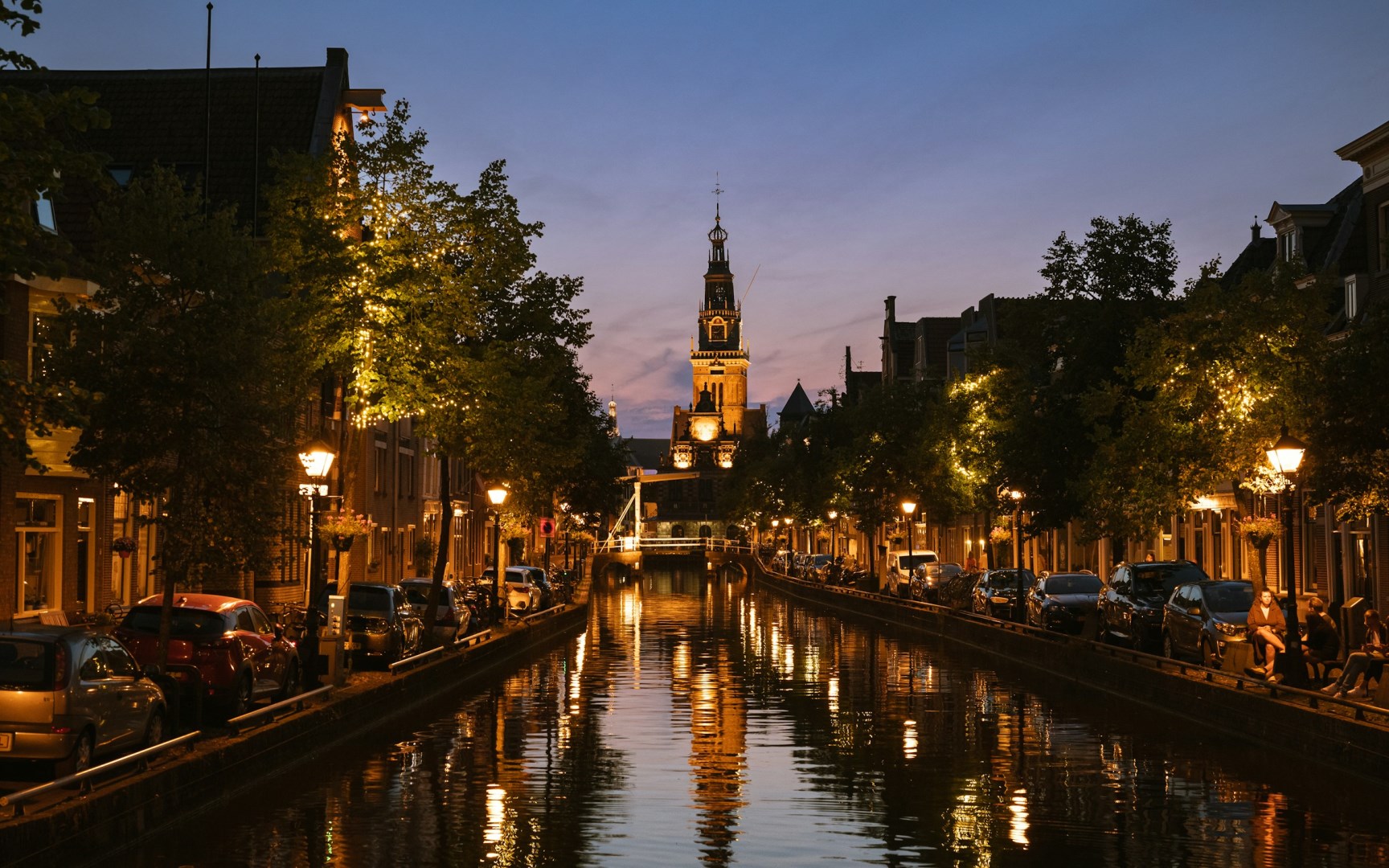
Alkmaar is a historic city in the Dutch province of North Holland, known for its canals, narrow streets, traditional gabled houses, and long association with cheese trading. The old center is compact and largely walkable, with the Waagplein at its heart and the Waag building providing one of the city’s most recognizable landmarks. Canals such as the Oudegracht and Luttik Oudorp wind through the center, while bridges connect streets lined with shops, cafés, and historic buildings.
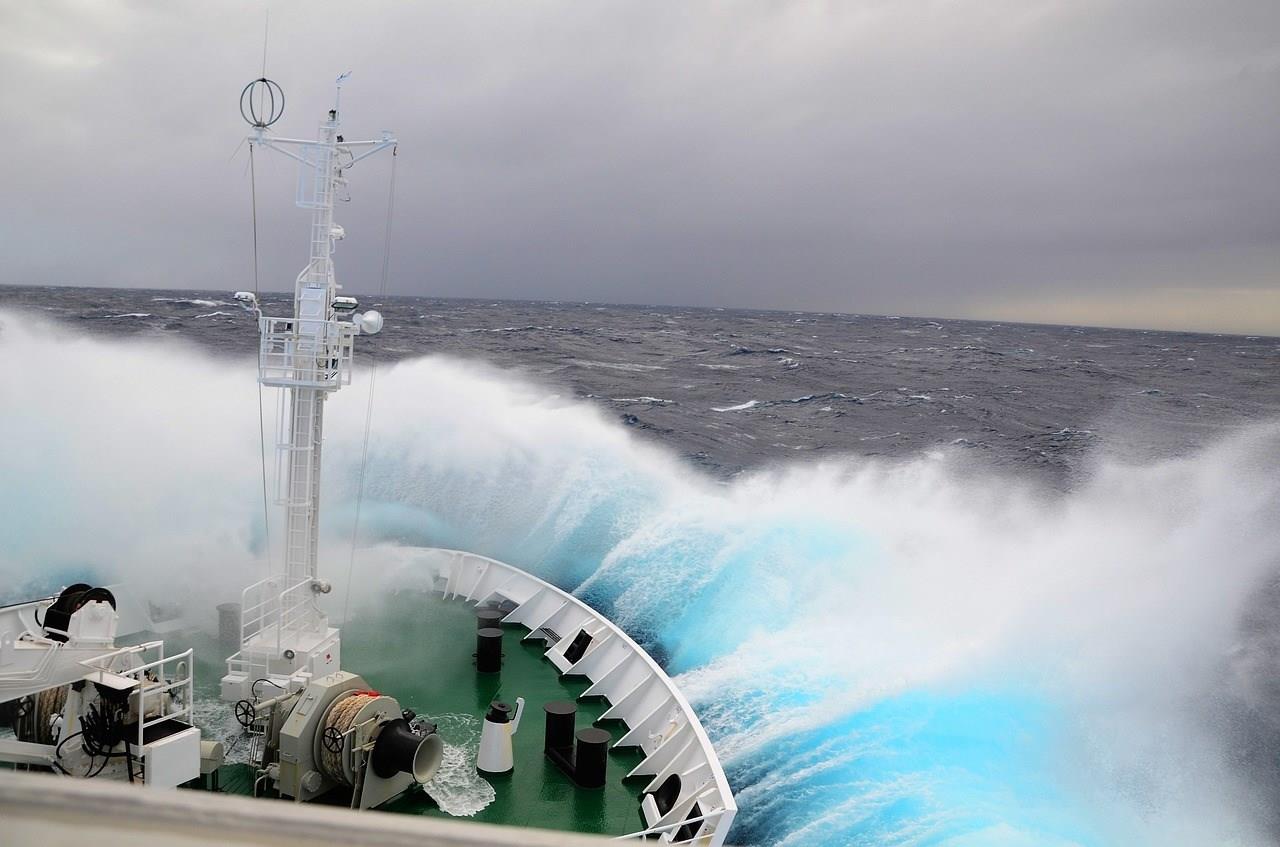
Drake Passage is a stretch of ocean between Cape Horn at the southern tip of South America and the South Shetland Islands near Antarctica. It connects the Atlantic and Pacific Oceans and is widely known for rough seas, powerful currents, and rapidly changing weather.
Photo Credit: Photo by Florentina Tilvic on Unsplash
Photo Credit: Photo by Ghenadie Cebanu on Unsplash
Photo Credit: Photo by Gloria Cretu on Unsplash
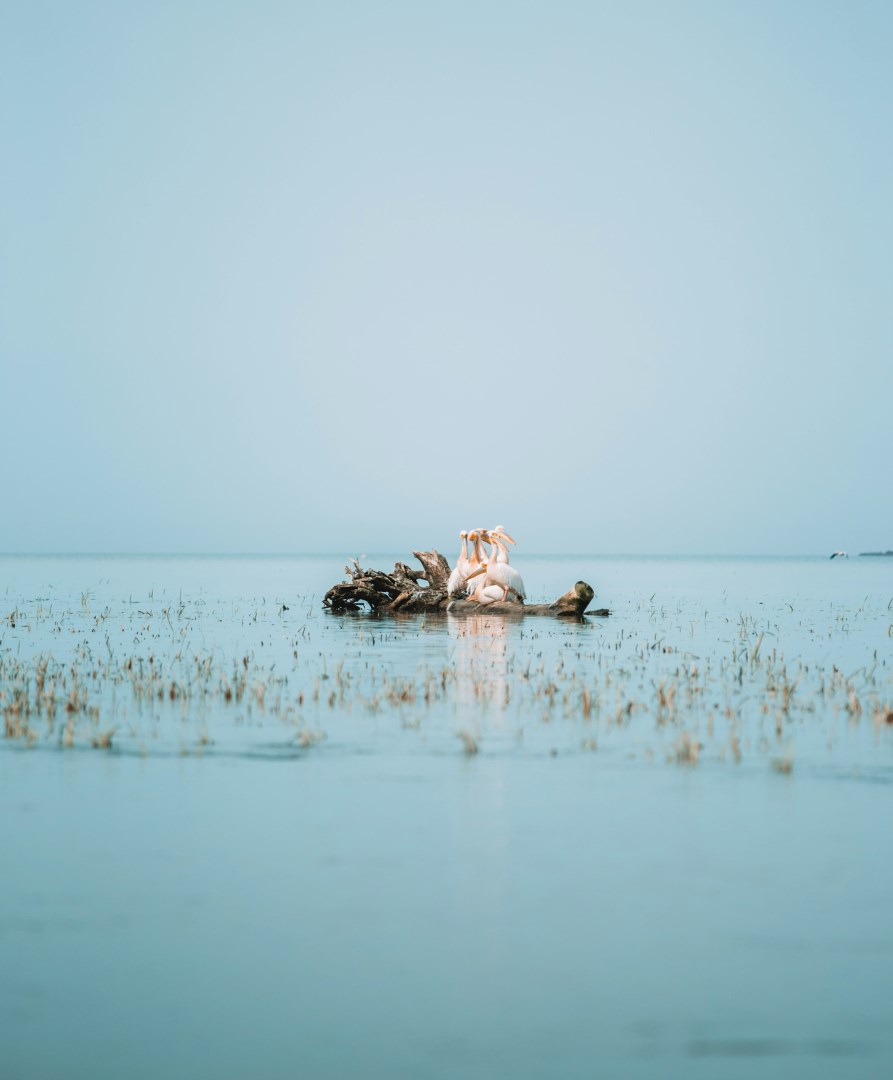
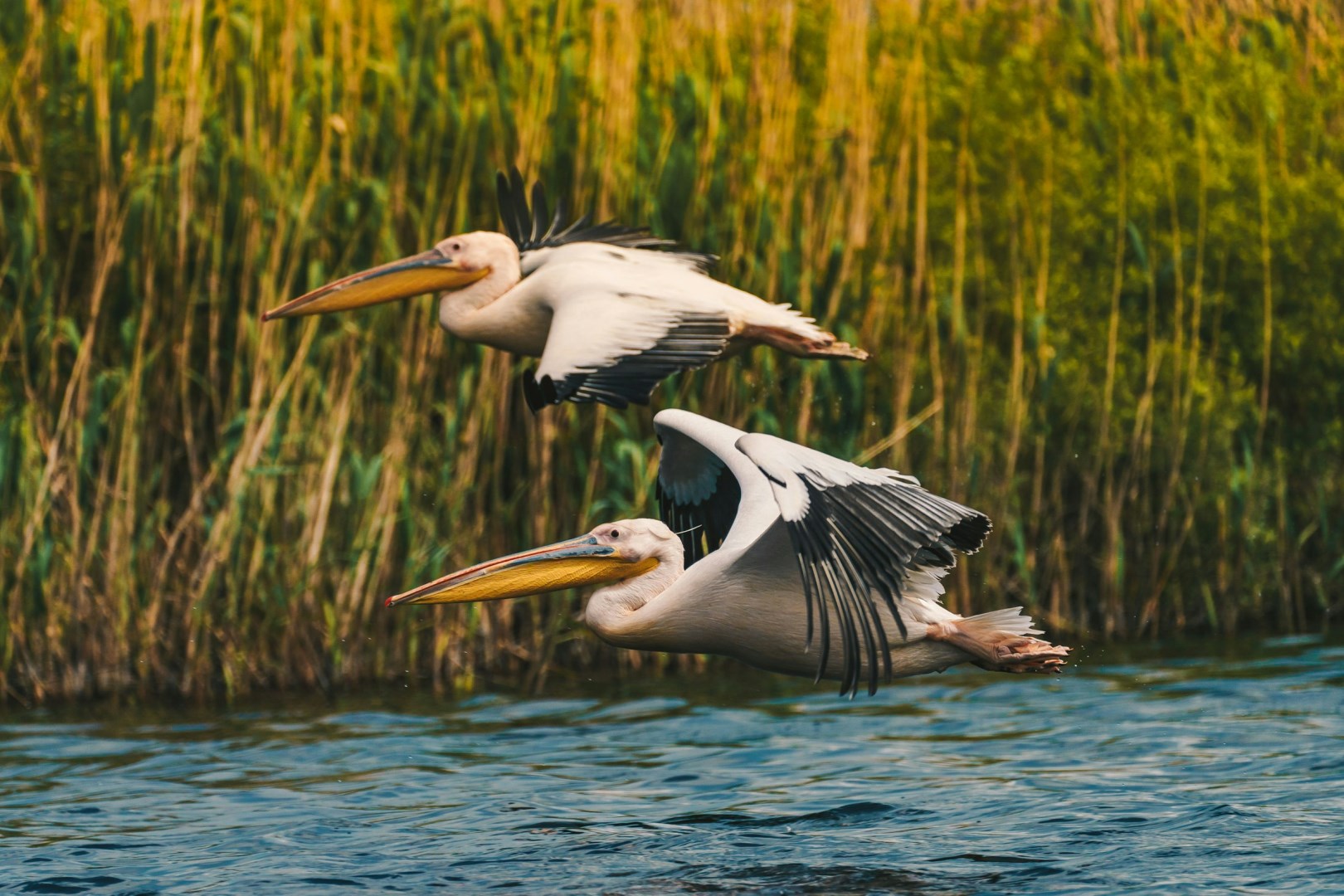
Pelicans in the Danube Delta
Photo Credit: Photo by CALIN STAN on Unsplash
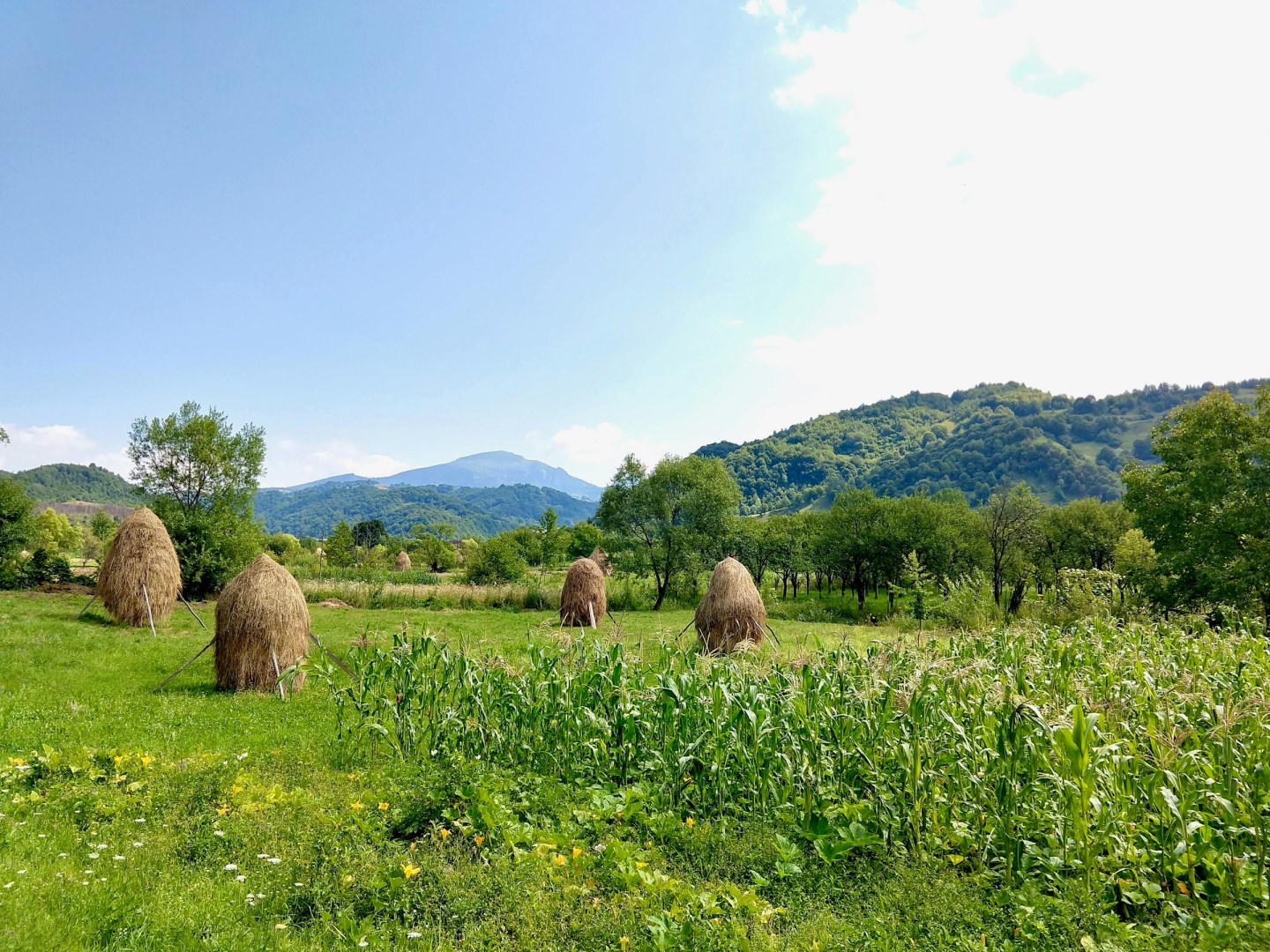
Groșii Țibleșului
Photo Credit: Photo by Amelia on Unsplash
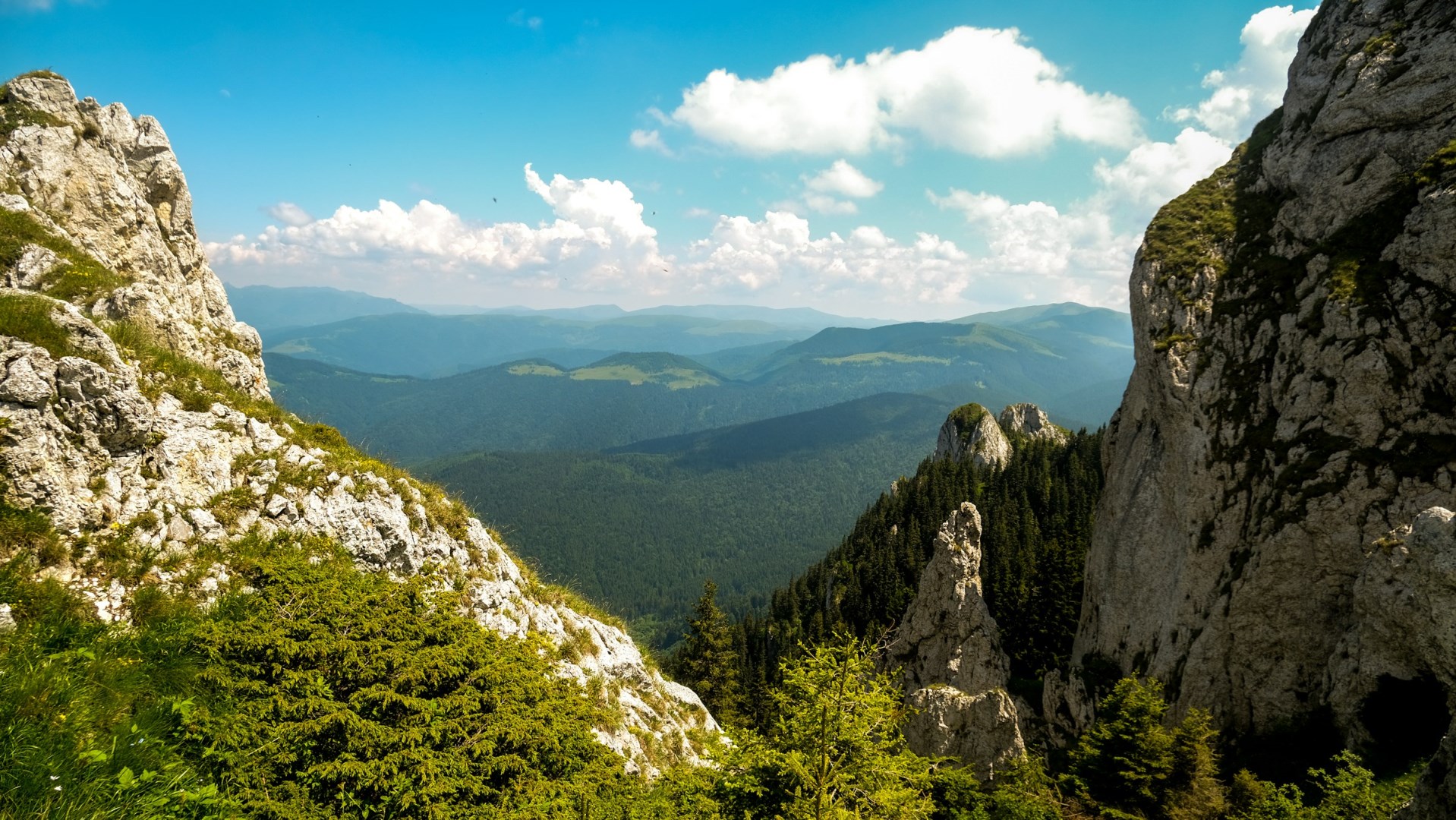
Vârful Piatra Mare
Photo Credit: Photo by Diana Spatariu on Unsplash
In December 1989 Romania was reborn as a free nation. Now this multifaceted country is welcoming tourists to enjoy a wonderfully varied heritage of traditional culture, scenic splendors and leisure opportunities. A resurgence of endeavor and enthusiasm is re-invigorating the country's tourist facilities to create a unique holiday destination.
There's a wealth of things to do and see in Romania with an intensive range of activities and places to visit. You can ski at traditional or purpose-built mountain resorts or laze in the hot sun on the Black Sea beaches comparable to those on the Mediterranean. You can hike through unspoilt landscapes, where rivers run clear, or take a boat in the 5,640 sq km (2,200 sq miles) water wilderness on the Danube Delta, of which 4,340 sq km (1,695 sq miles) in Romania to watch pelicans and other rare birds among floating reed islands. Or you can enjoy the architecture, museums and galleries of the cities.
The very name 'Romania' reminds us that ancient Rome exercised a decisive influence on this country and monuments of that era remain. There are feudal fortresses, Byzantine "painted" monasteries and decorated village houses to be admired, while "Dracula's" castle is only one among many other fascinating castles and palaces.
You can watch folk festivals in Transylvania that are genuine expressions of local culture, not merely staged for visitors. When you buy local crafts- like woodcarvings or ceramics you are buying things made to give pleasure in their use, not just throwaway souvenirs. One of many extraordinary aspects of this country is its vibrant rural culture, which for decades the outside world heard little about. Not that Romania's heritage is merely one of folk art! Bucharest used to be called the "Little Paris", and with good reason!
Today first class opera and concerts, permanent art exhibitions, like that of the sculptor Brancusi, fine Museums and galleries are all symptomatic of the new Romania's sophisticated artistic sensibilities.
Better still this is all backed up by the comfort of a widening range of hotels and restaurants, good internal communications by air, train and bus, and surprisingly low prices. Even going to the opera is remarkable value; and as for local delicacies and Romanian wines! Romania is on the move. Come and see for yourself.
Popular Destinations in Romania
Bucharest
Tree-lined avenues, grand architecture, and the imperative to live well defines Bucharest, a bustling city that is rebounding and expanding. In the 1900s, this vibrant Romanian capital was nicknamed "Little Paris" and that jubilant, raise-a-glass spirit carries over to this day.
Braşov
Nestled in the heart of Romania, Brașov is a charming city that effortlessly blends medieval history with stunning natural beauty. Encircled by the Carpathian Mountains, Brașov's well-preserved medieval architecture and vibrant cultural scene make it a must-visit destination.